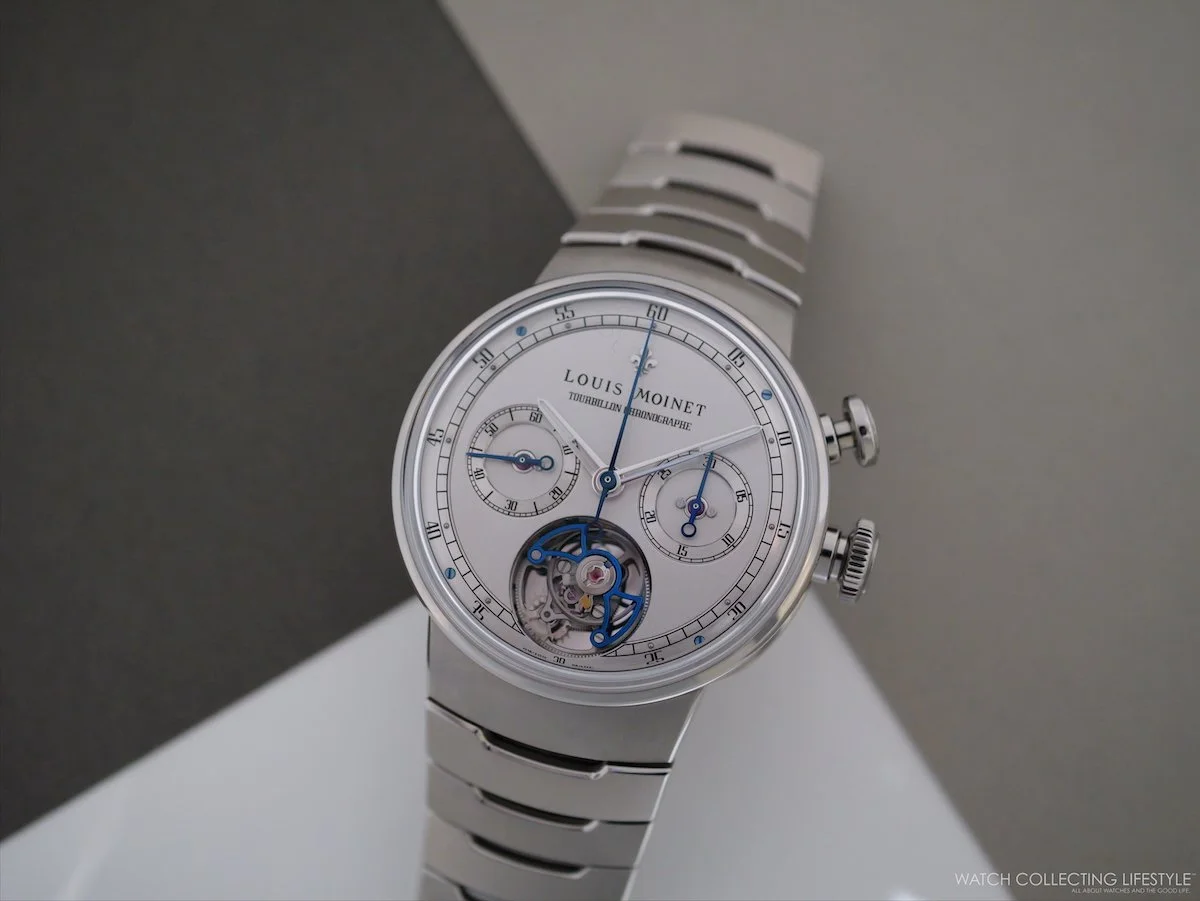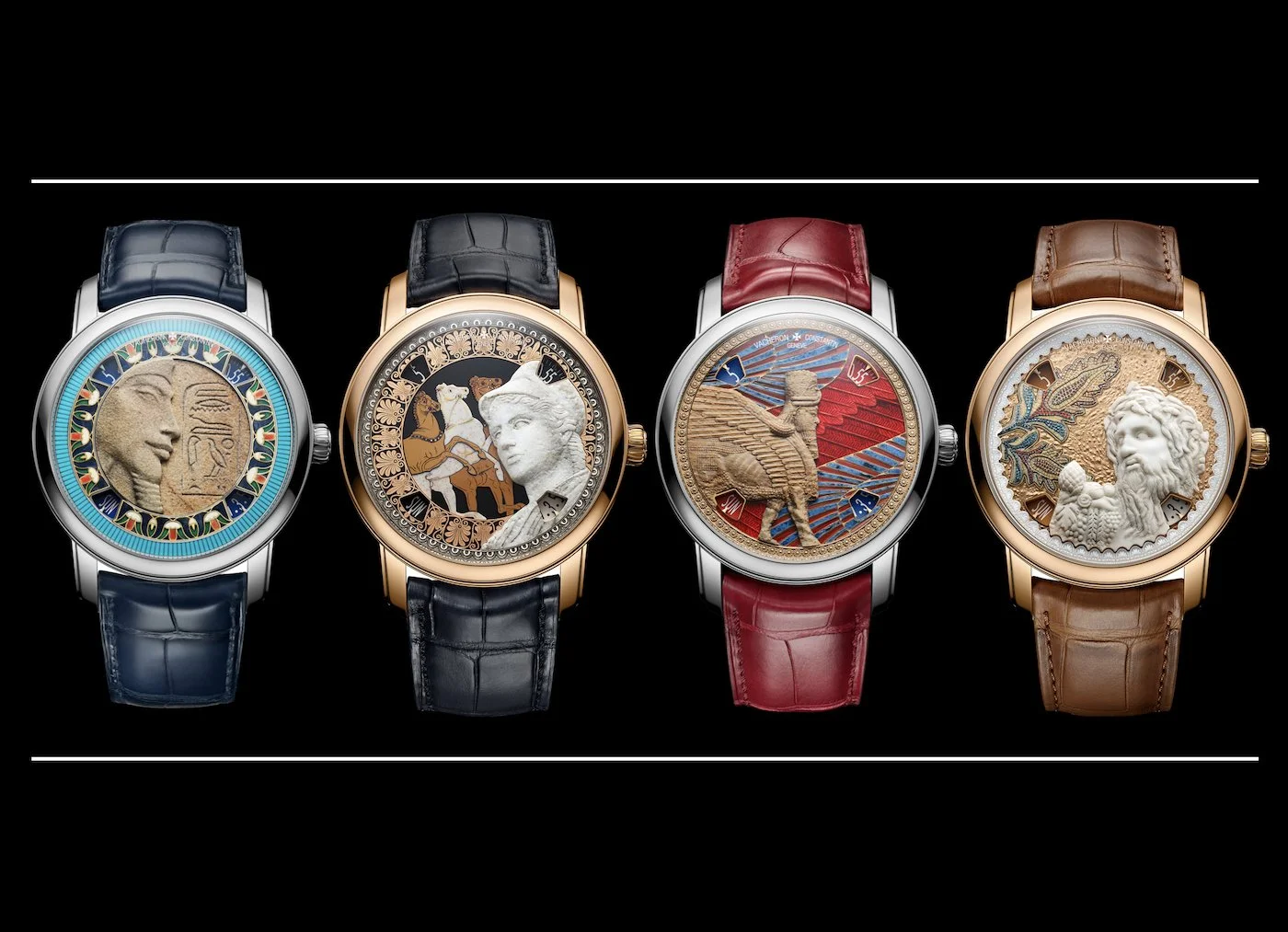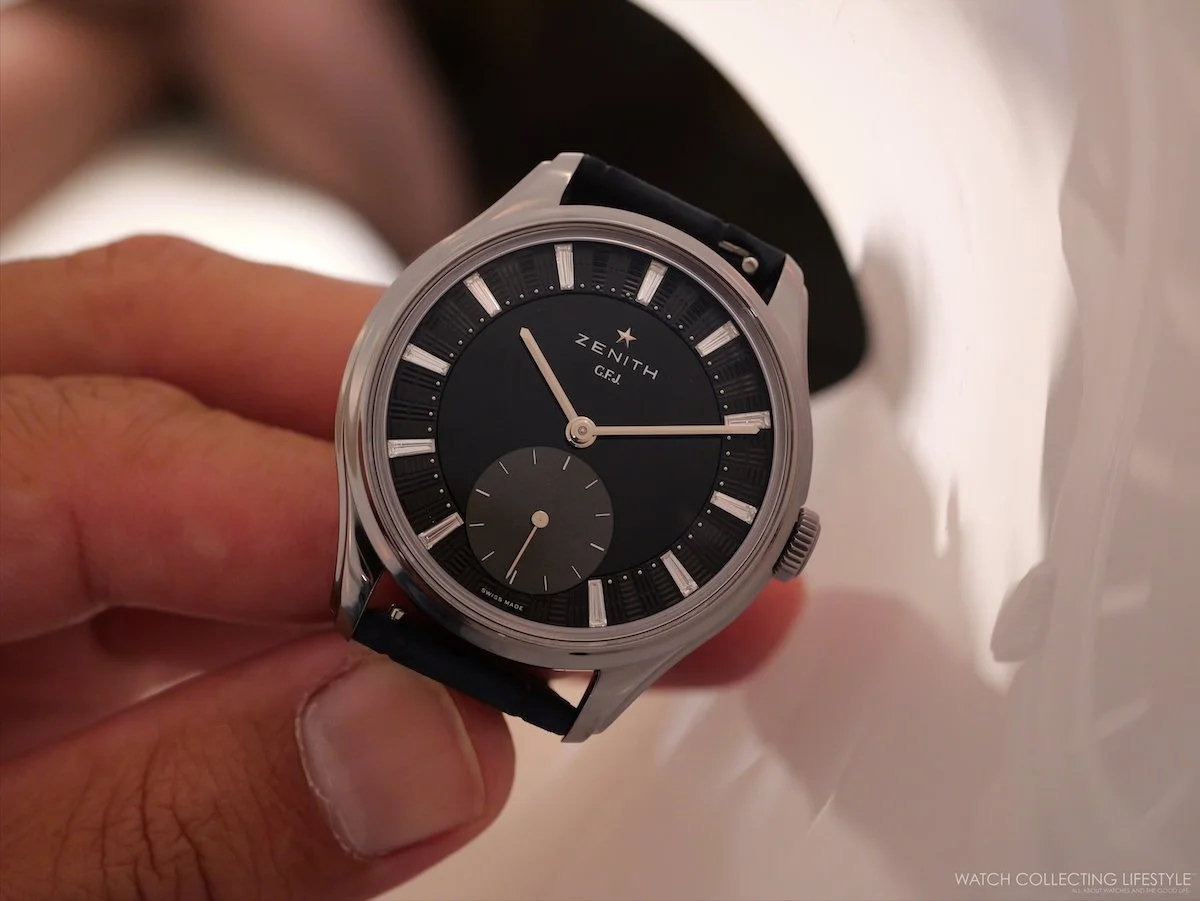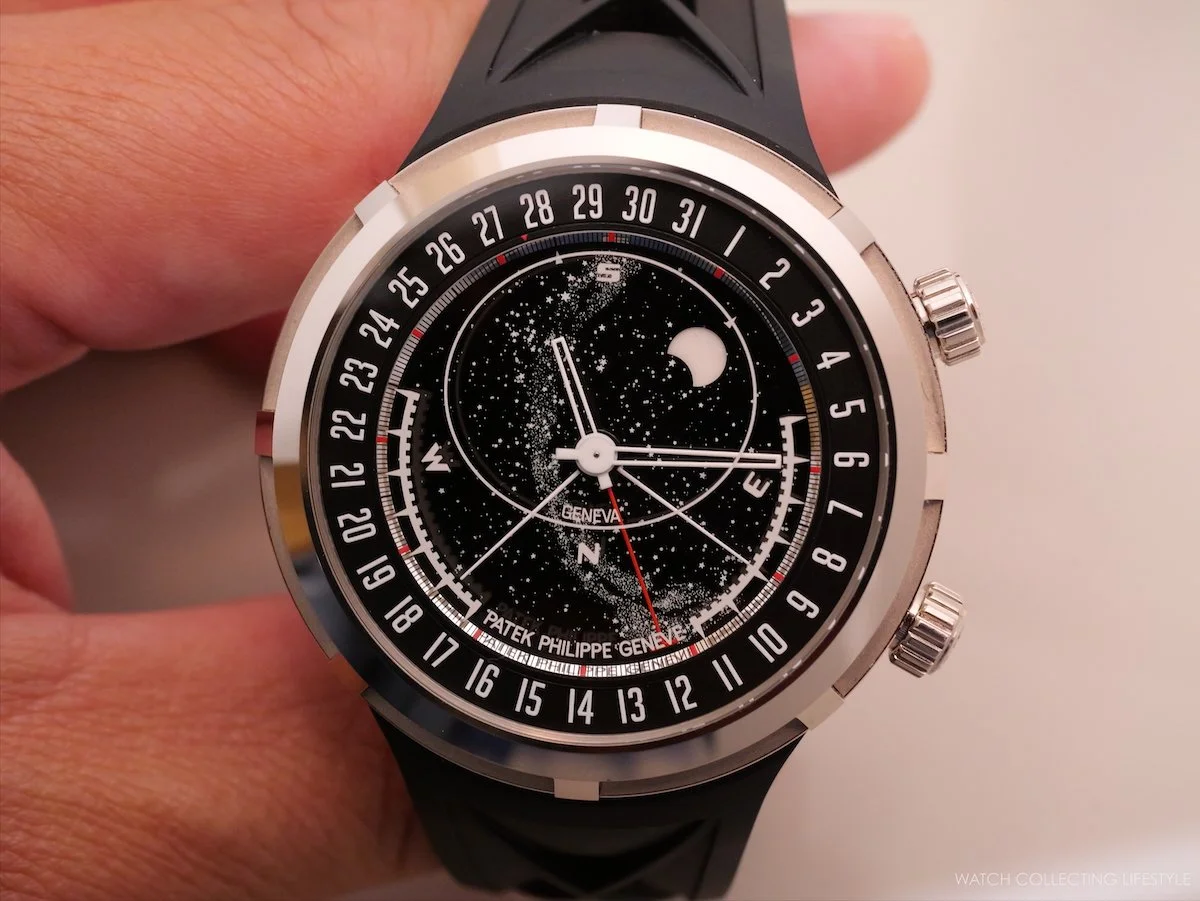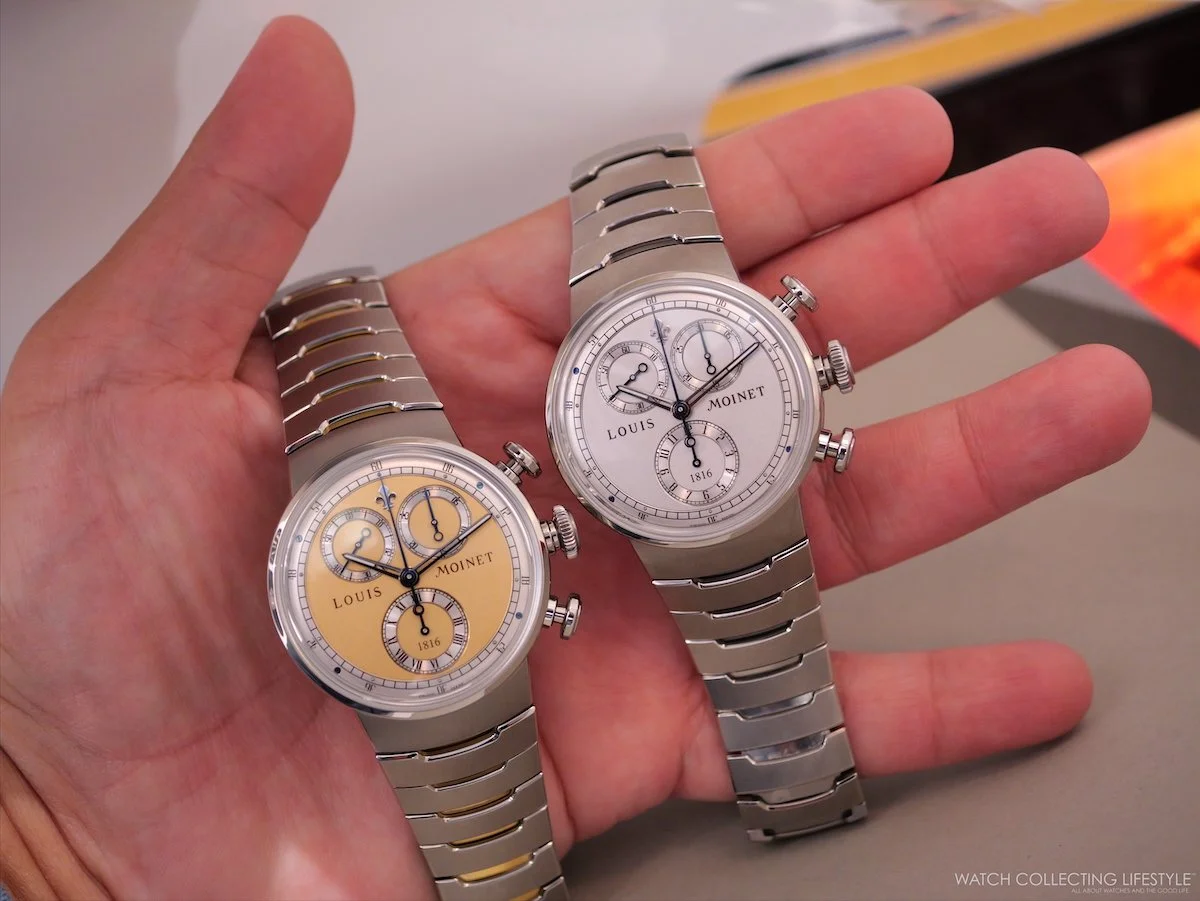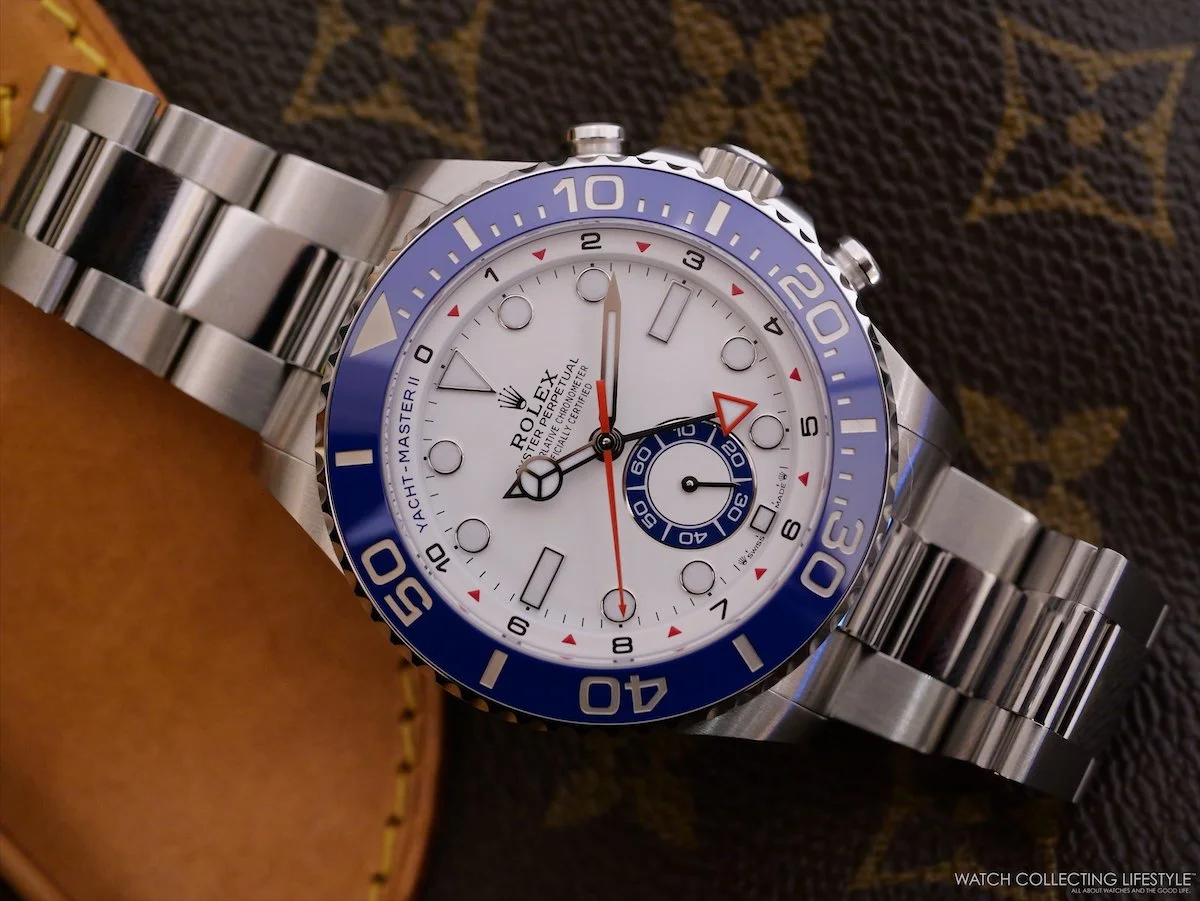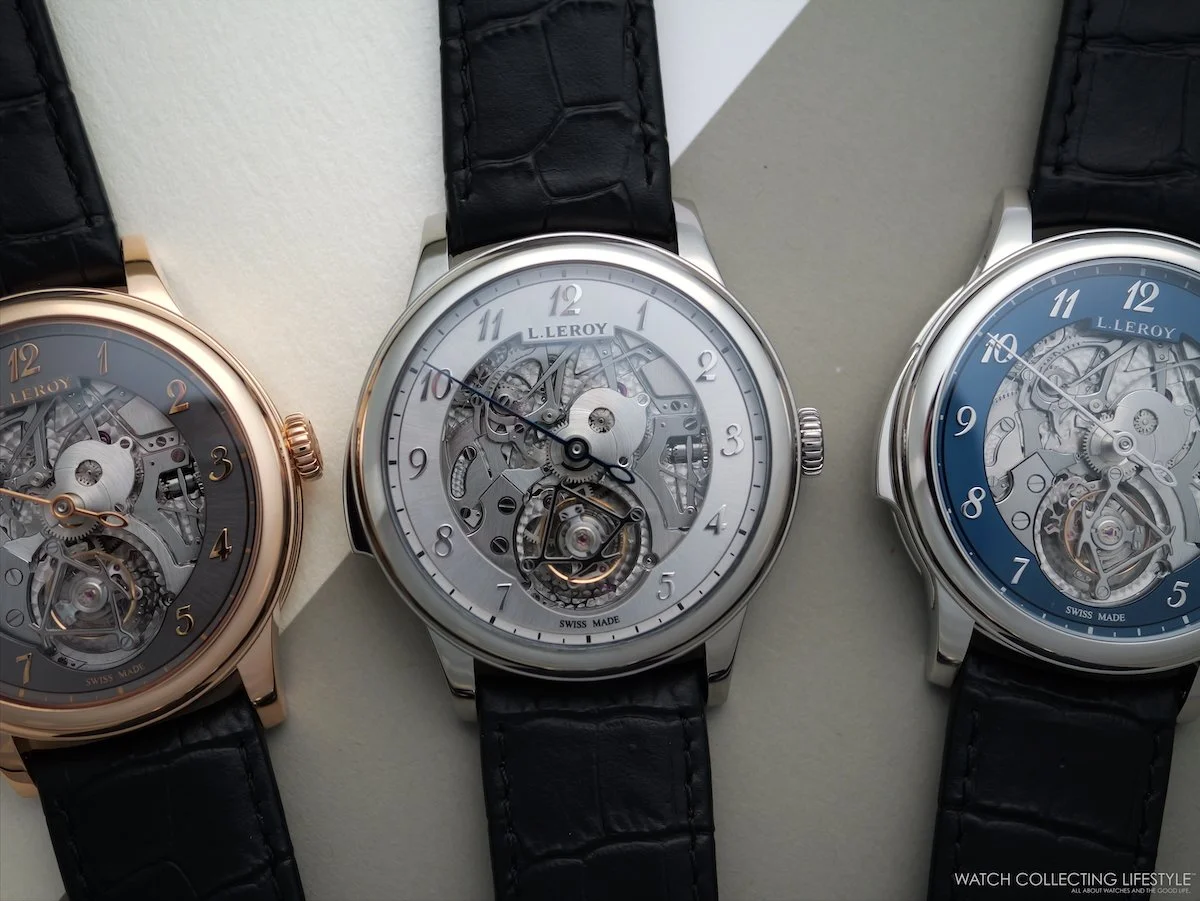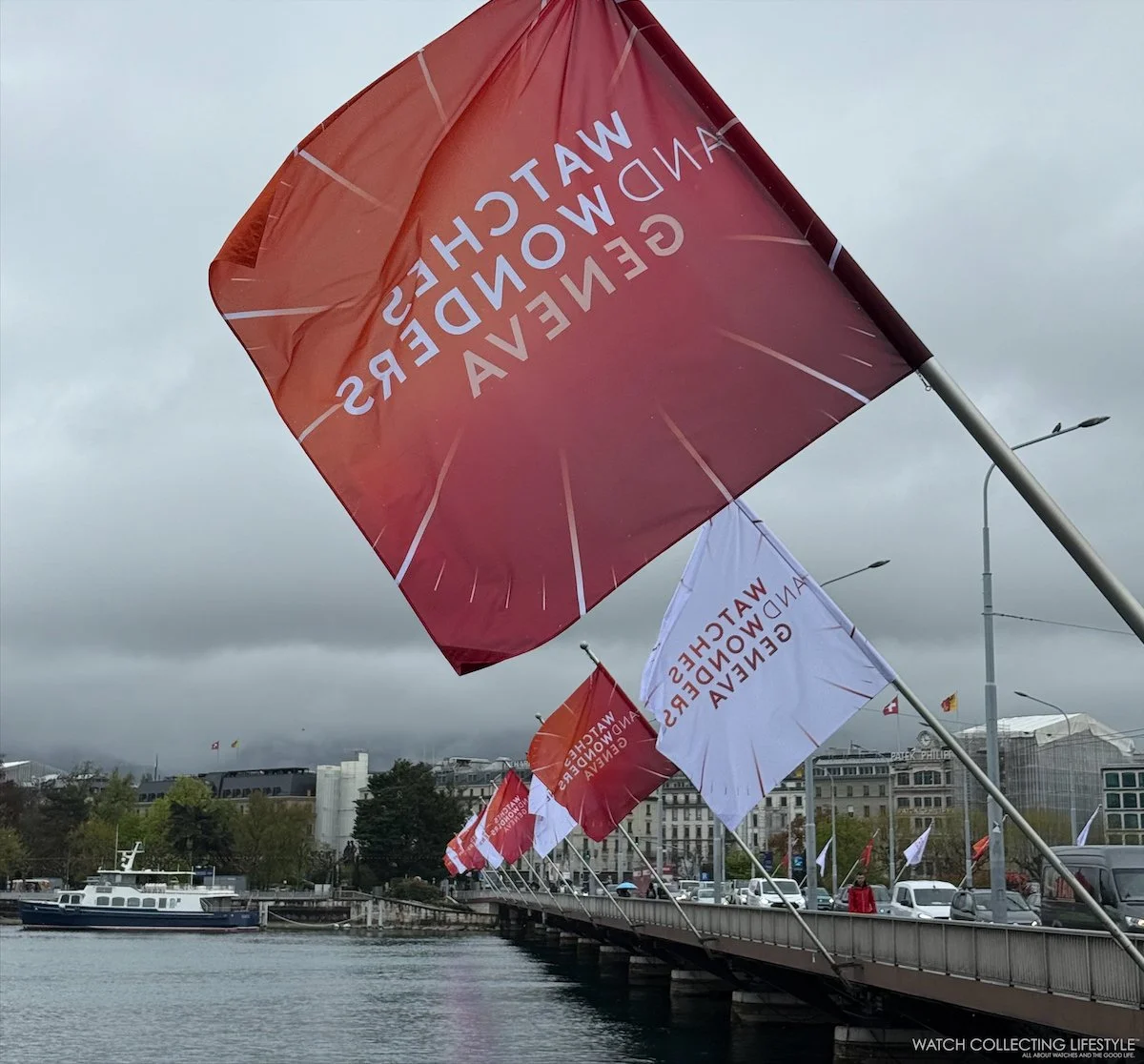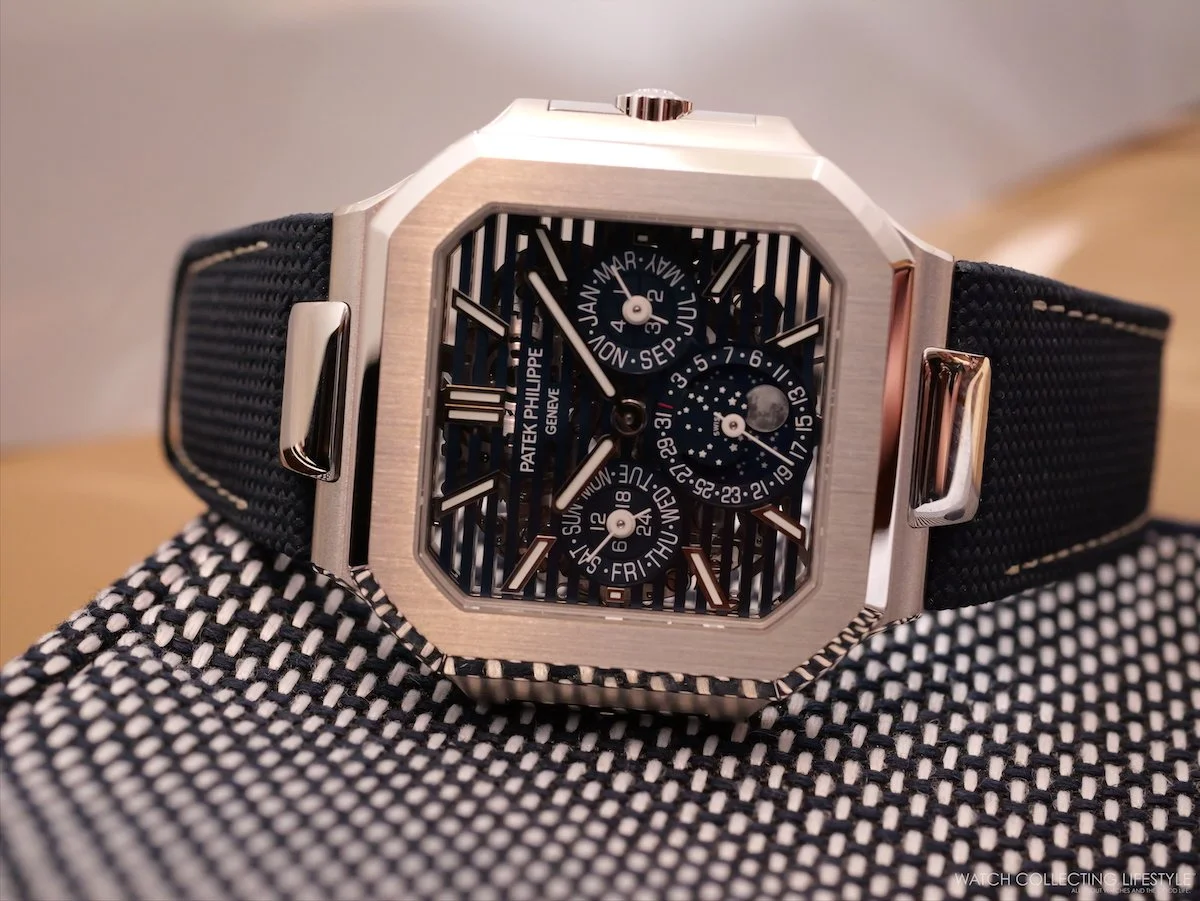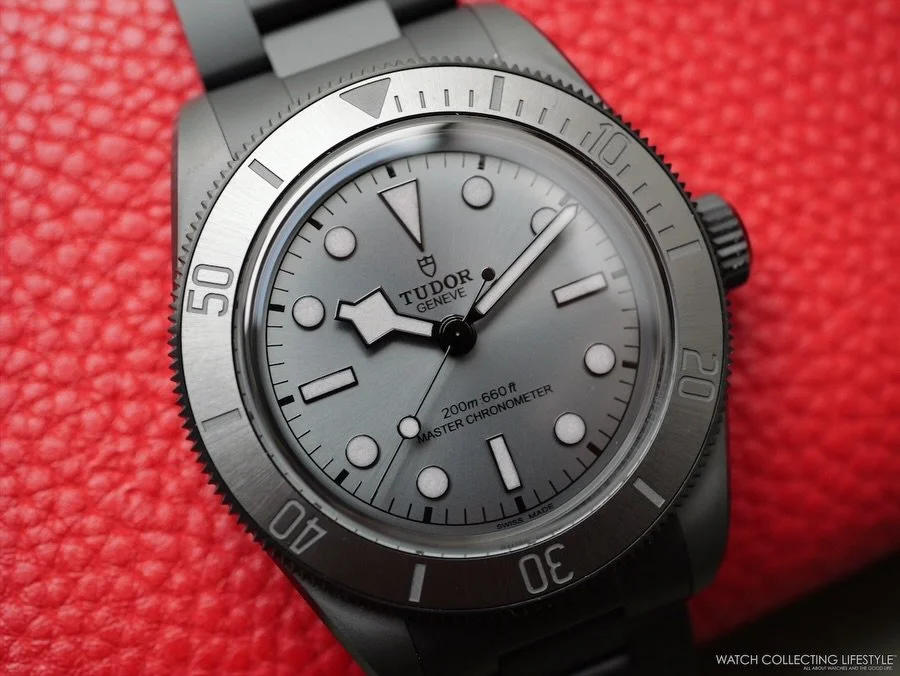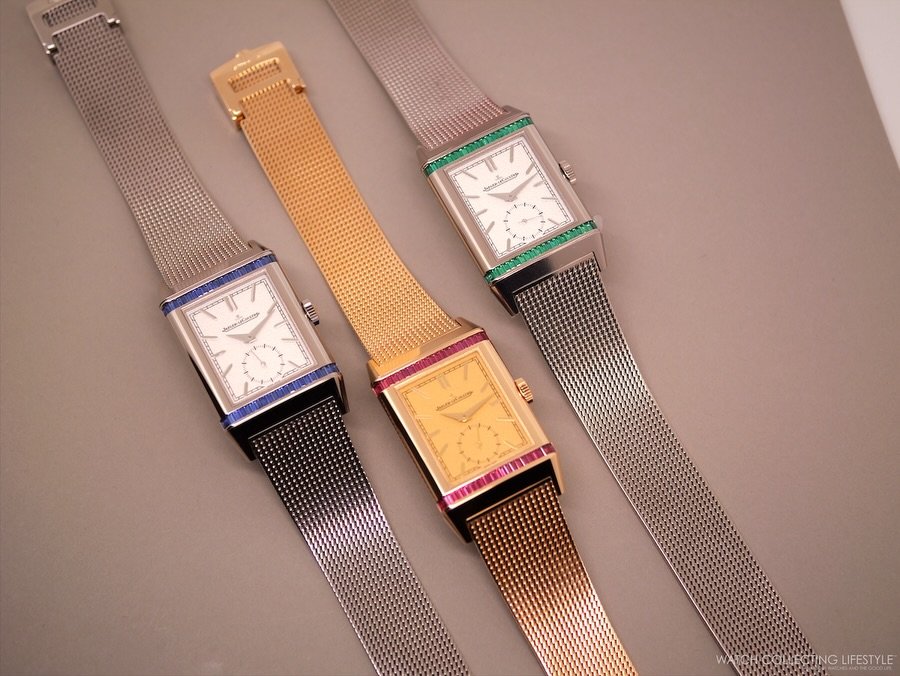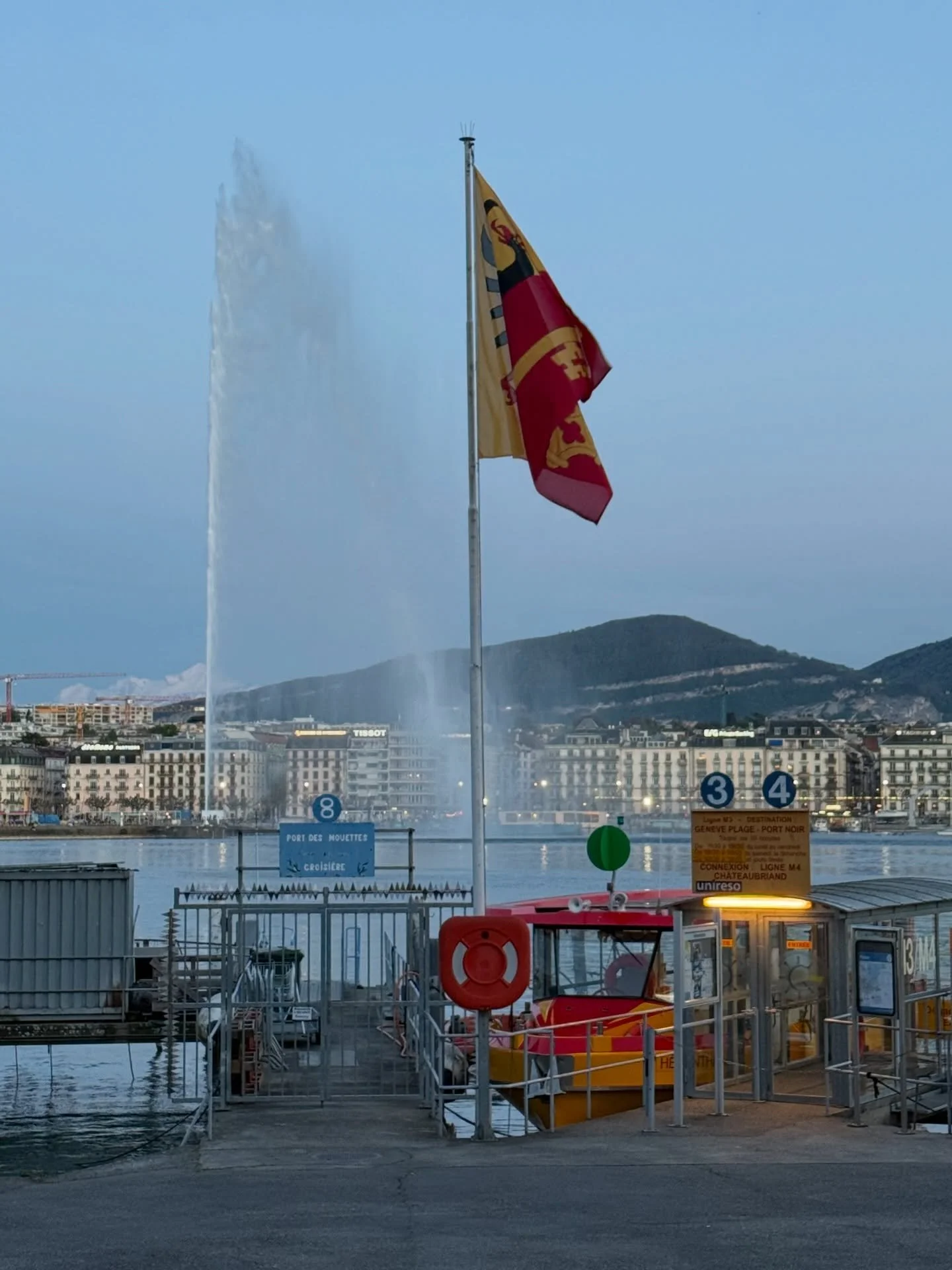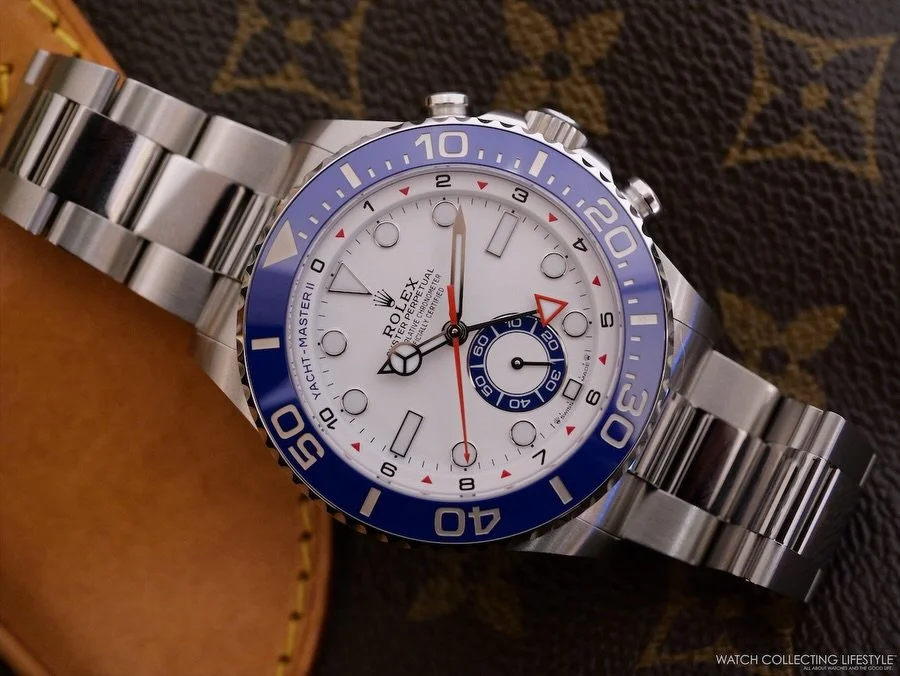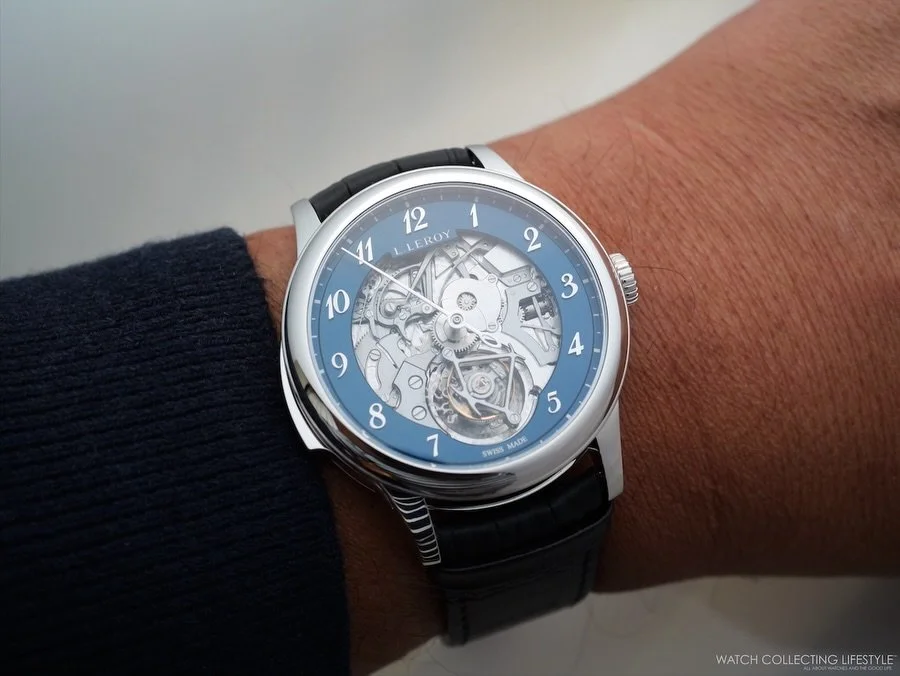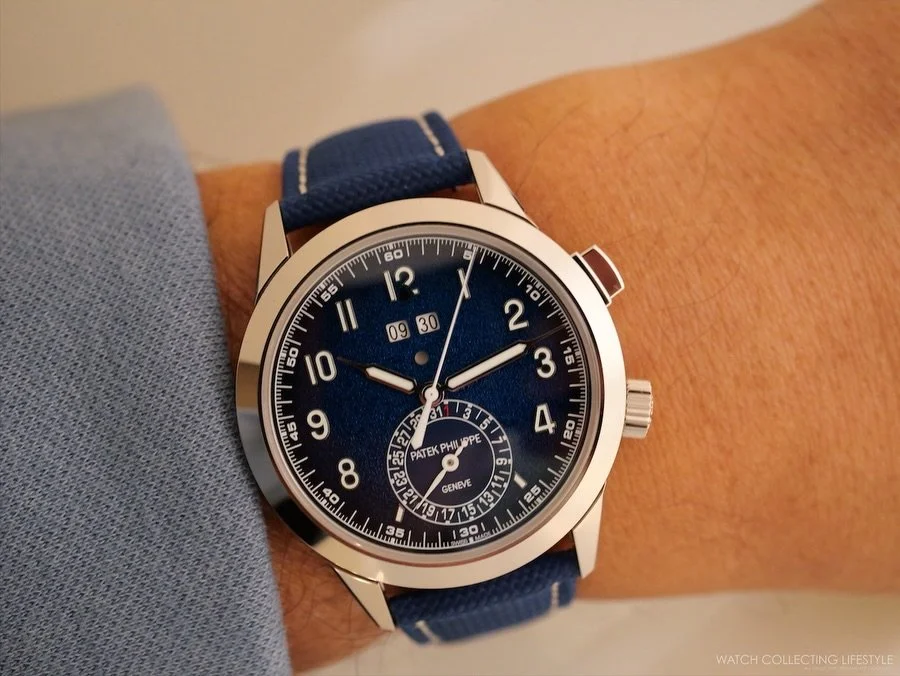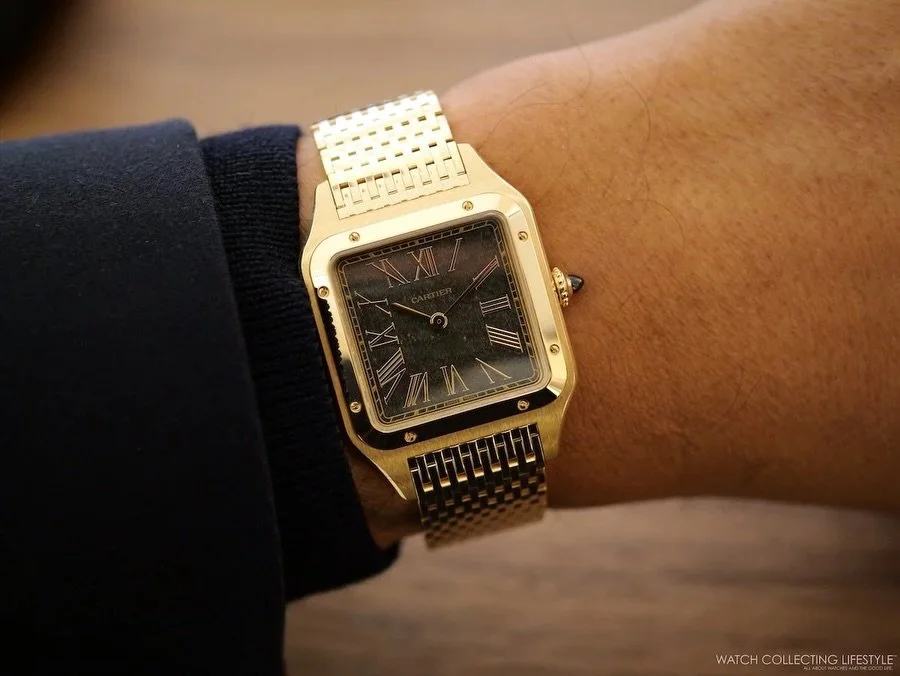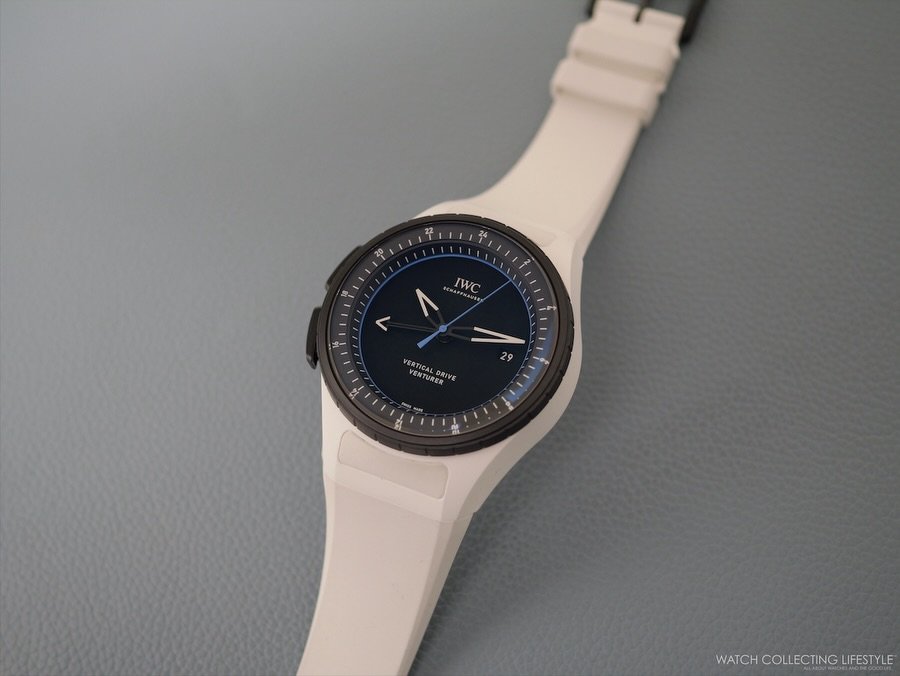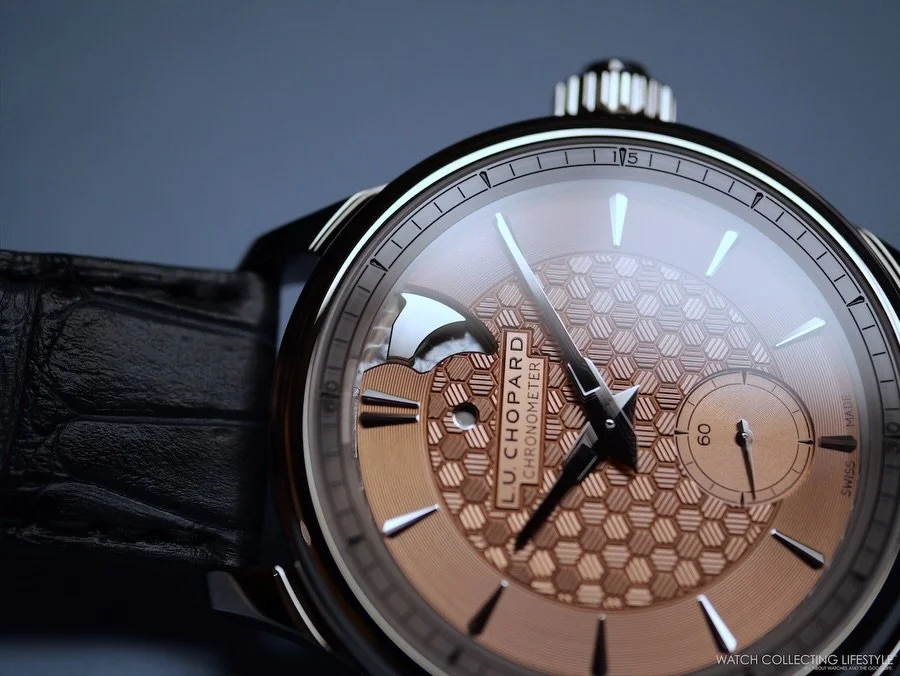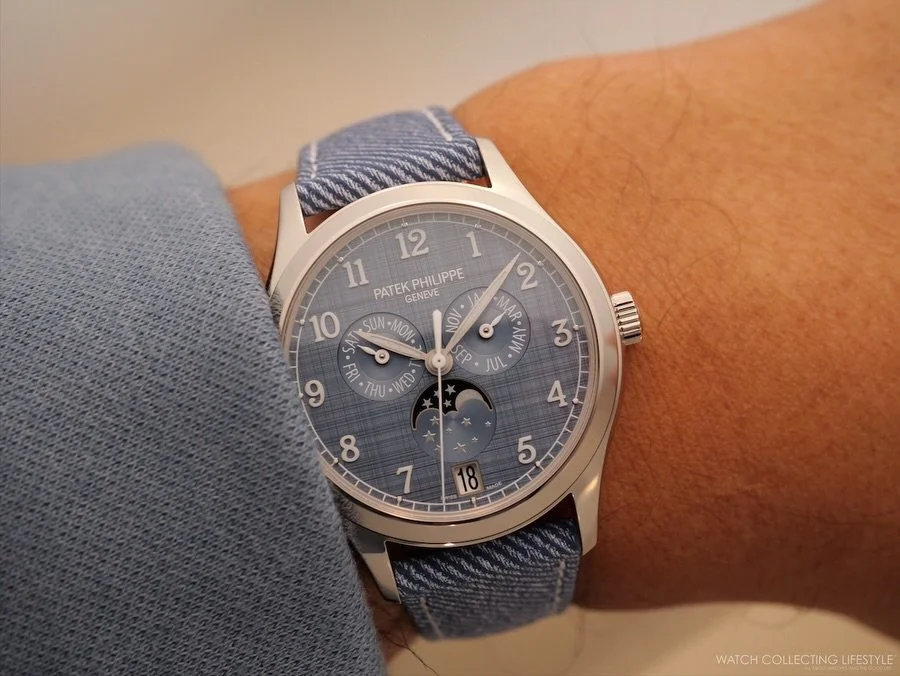
The numbers from Watches and Wonders Geneva 2026 are, by any measure, difficult to argue with. Nearly 60,000 unique visitors to the fair, with 25,000 public tickets sold across three days. 1,750 journalists credentialed, 6,000 retailers, and more than 10,000 people who took over the city center throughout the week. A social media reach approaching 900 million impressions under the #watchesandwonders2026 hashtag—a 29% increase on the prior year. The 2026 edition did not merely sustain the fair's momentum; it extended it into territory that few trade events of any kind can credibly claim. For the watch industry, this matters in ways that go beyond headline metrics.
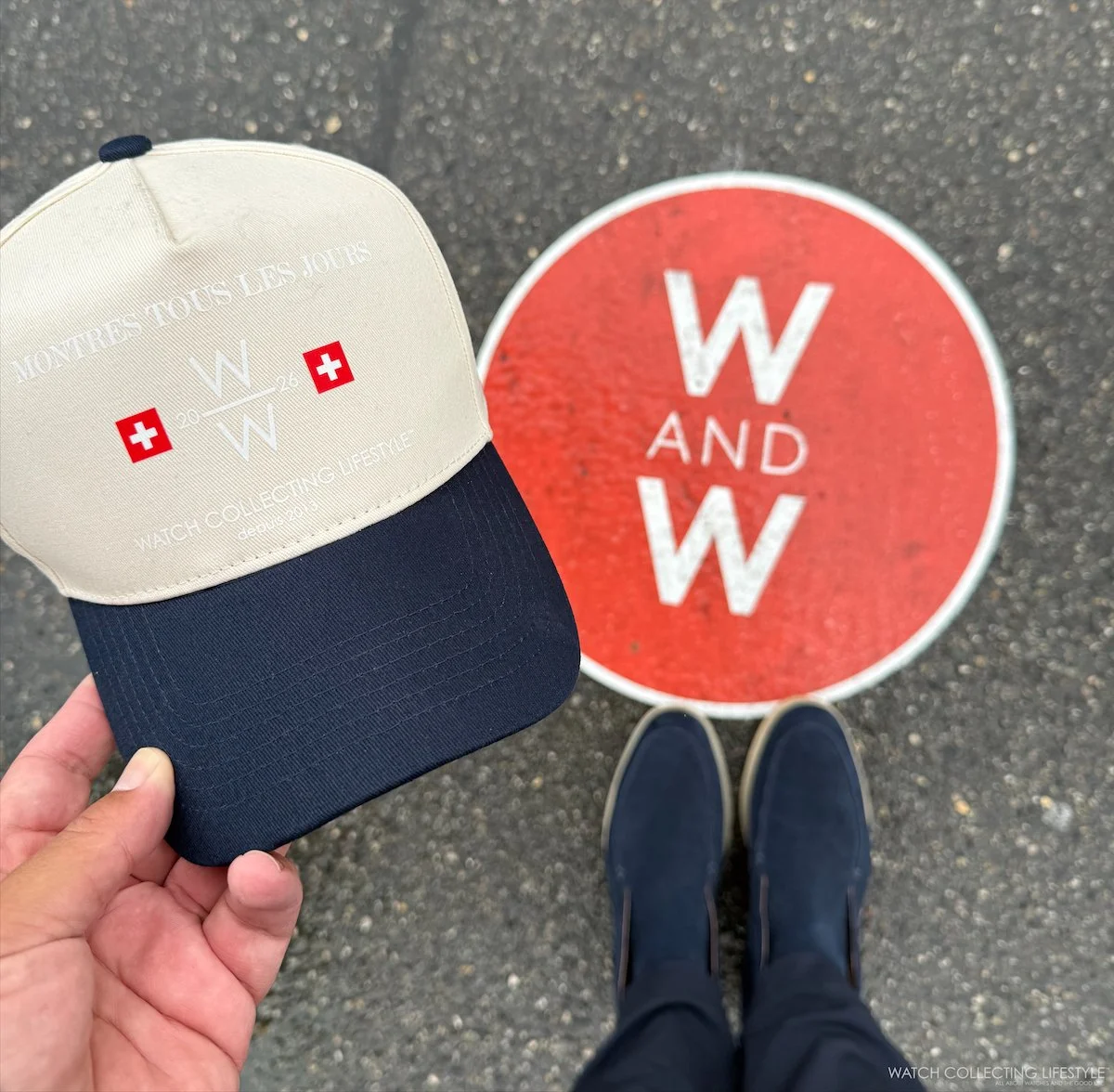
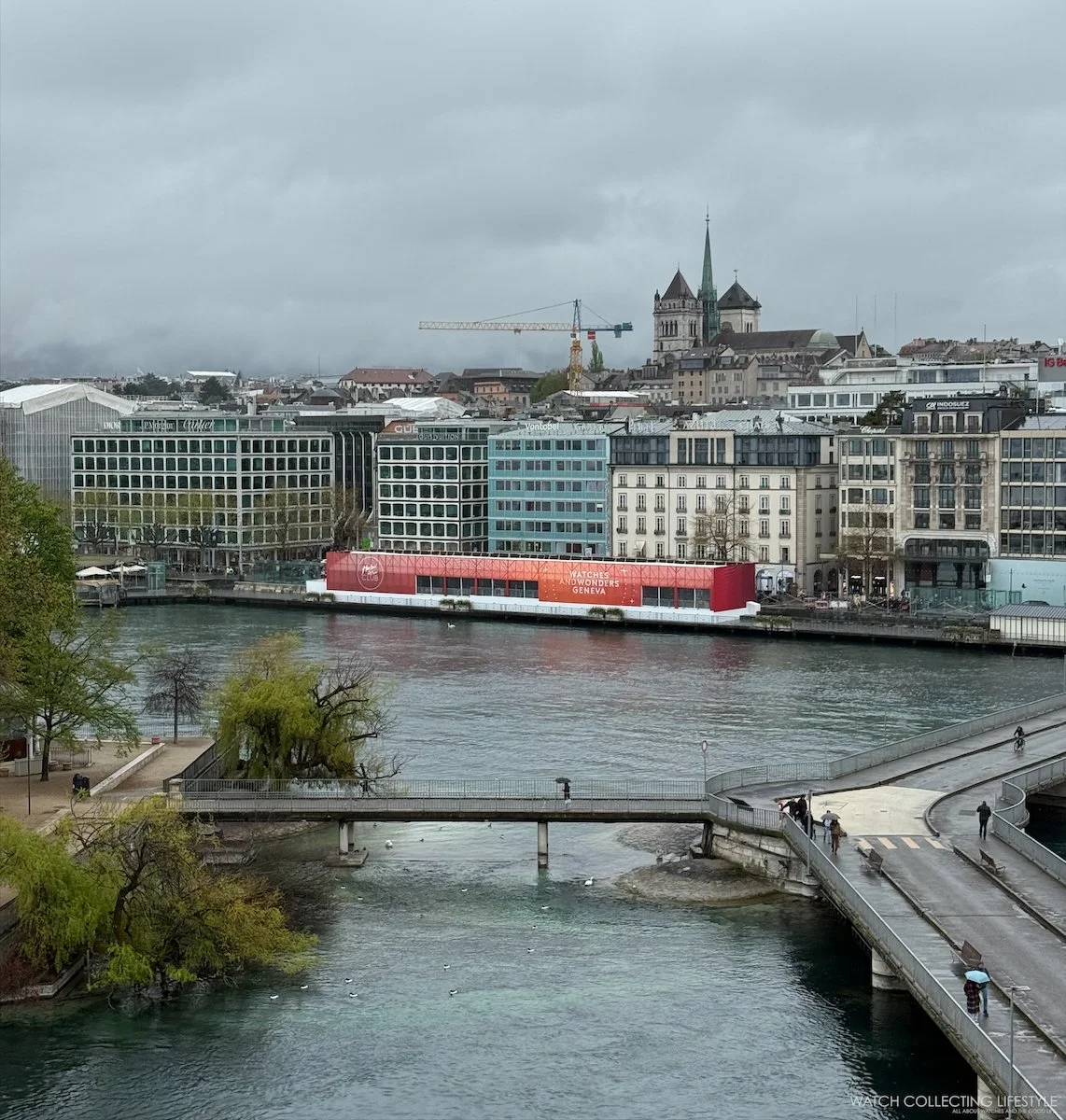
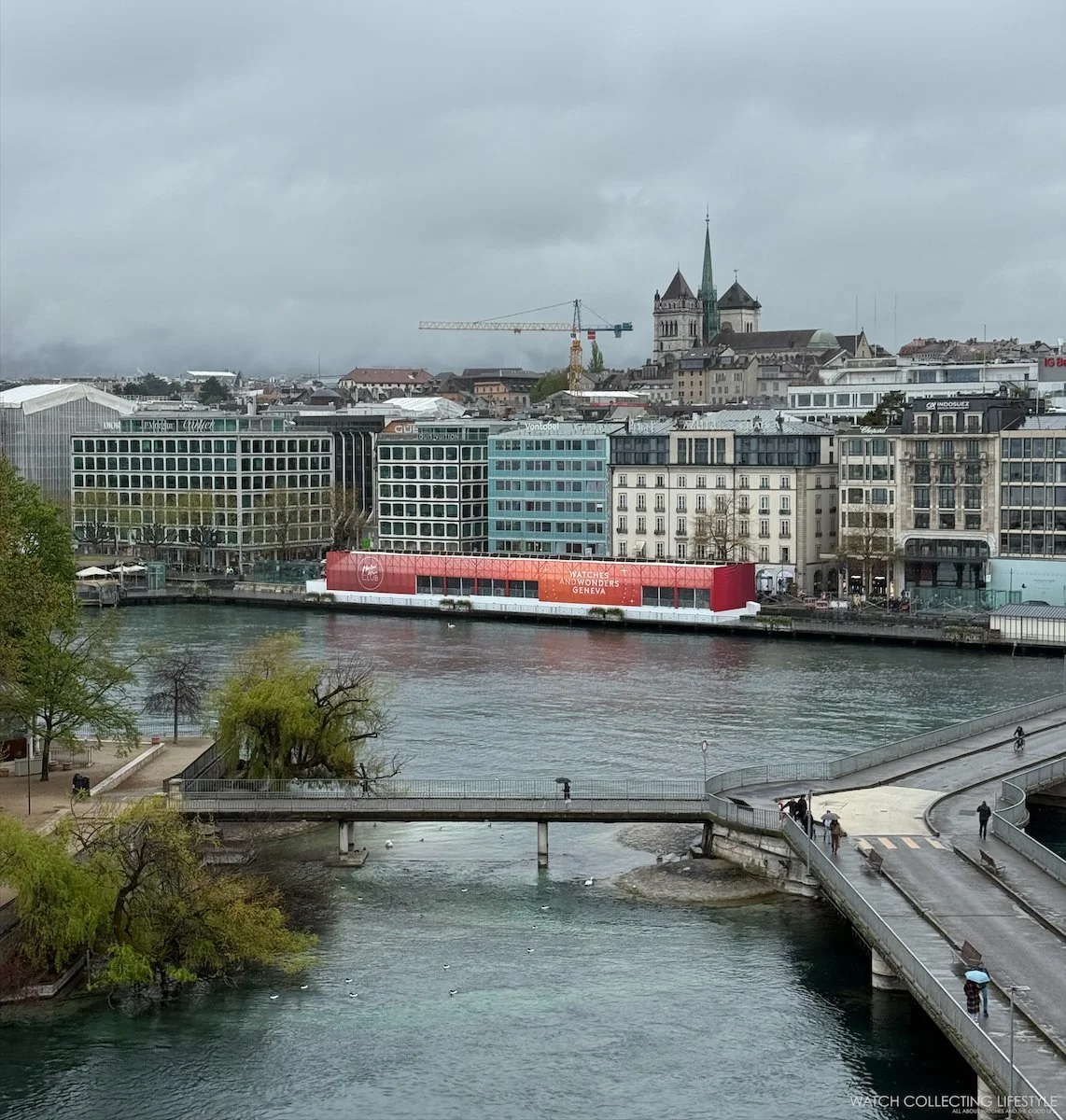
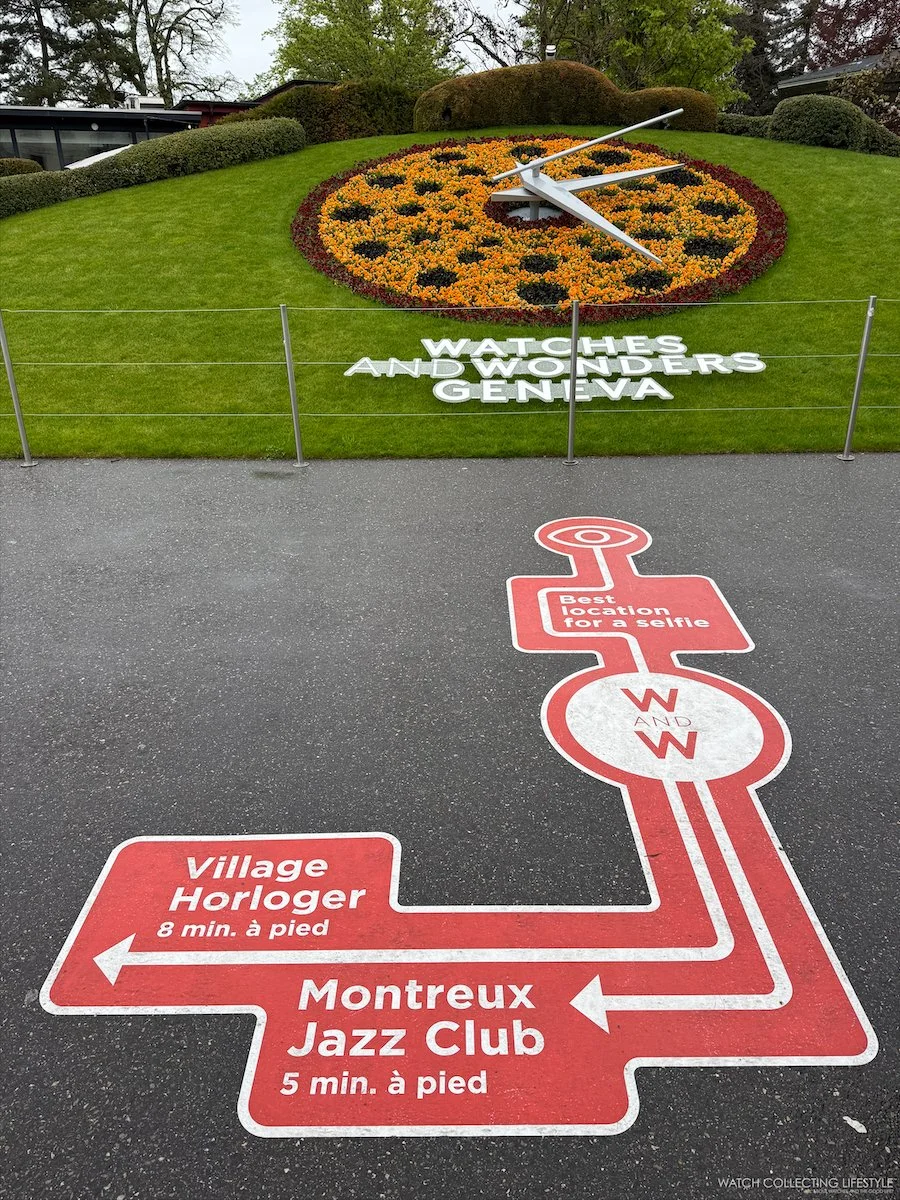
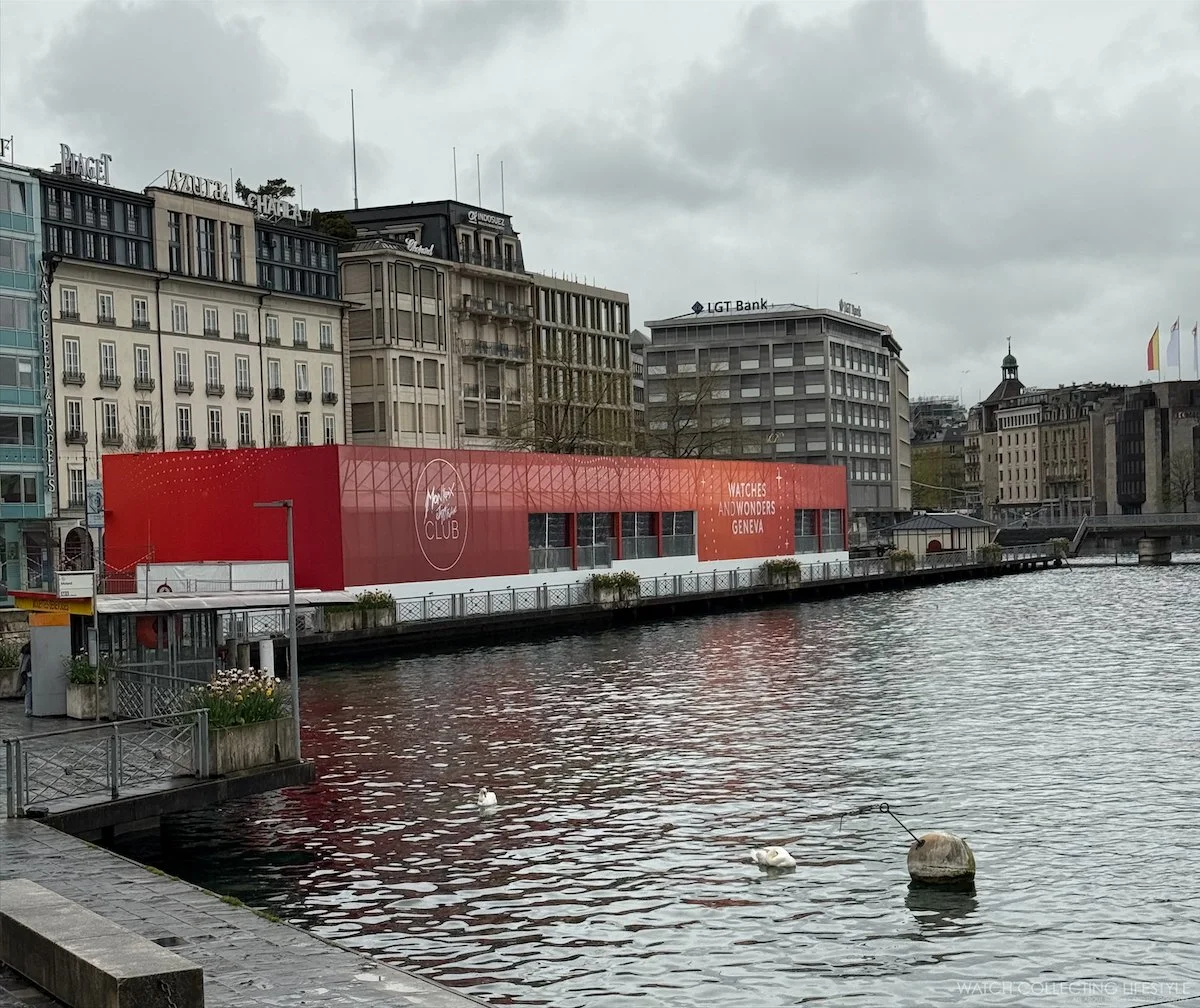
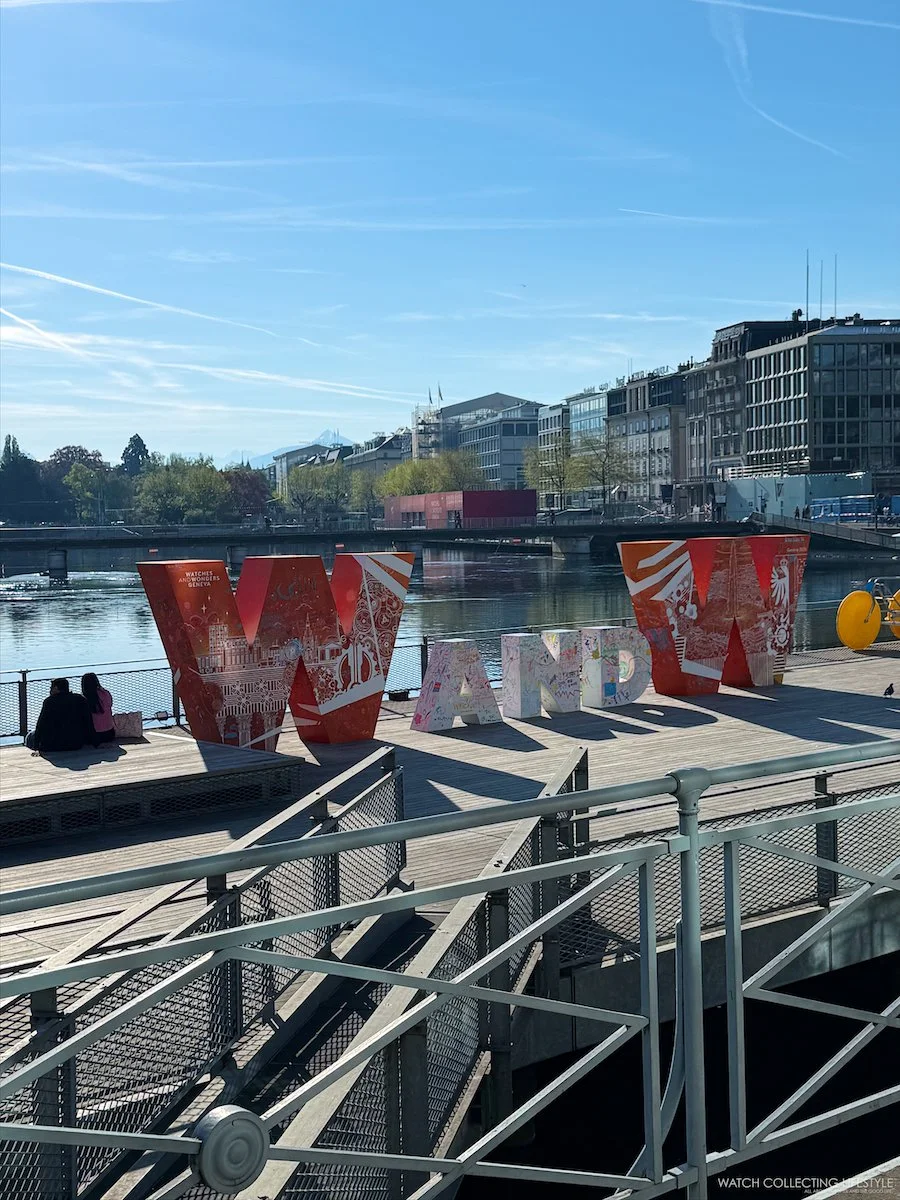
Watches and Wonders Geneva is now, without serious competition, the defining moment of the watchmaking calendar. What began as a successor to SIHH—itself a successor of sorts to older rhythms of industry gatherings—and the replacement for Baselworld has evolved into something structurally different: part trade fair, part cultural festival, part collector pilgrimage. The Montreux Jazz Club programming, sold out every evening, drew more than 5,000 people to live concerts in Geneva's city center. The Watchmaking Village extended the fair's footprint well beyond the Palexpo halls. That distinction carries weight for what follows.
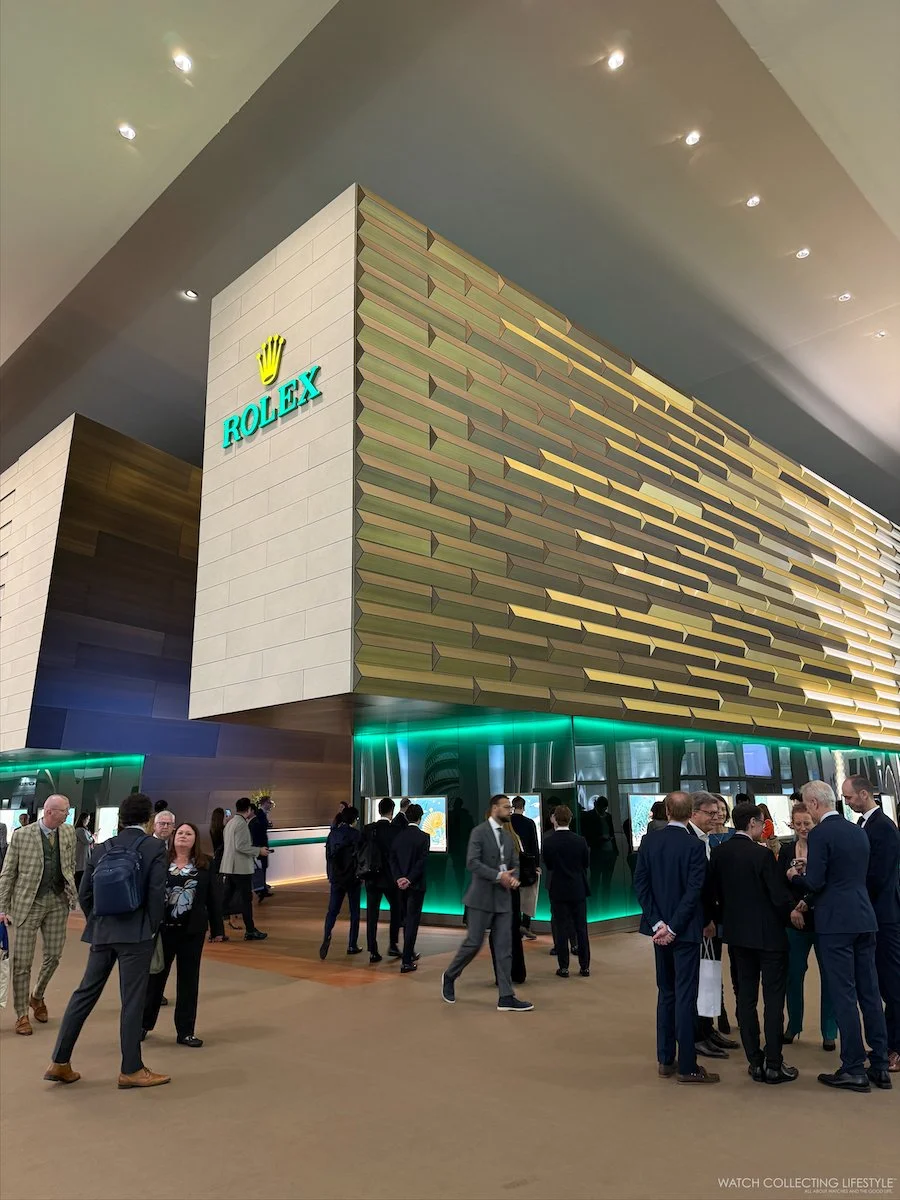
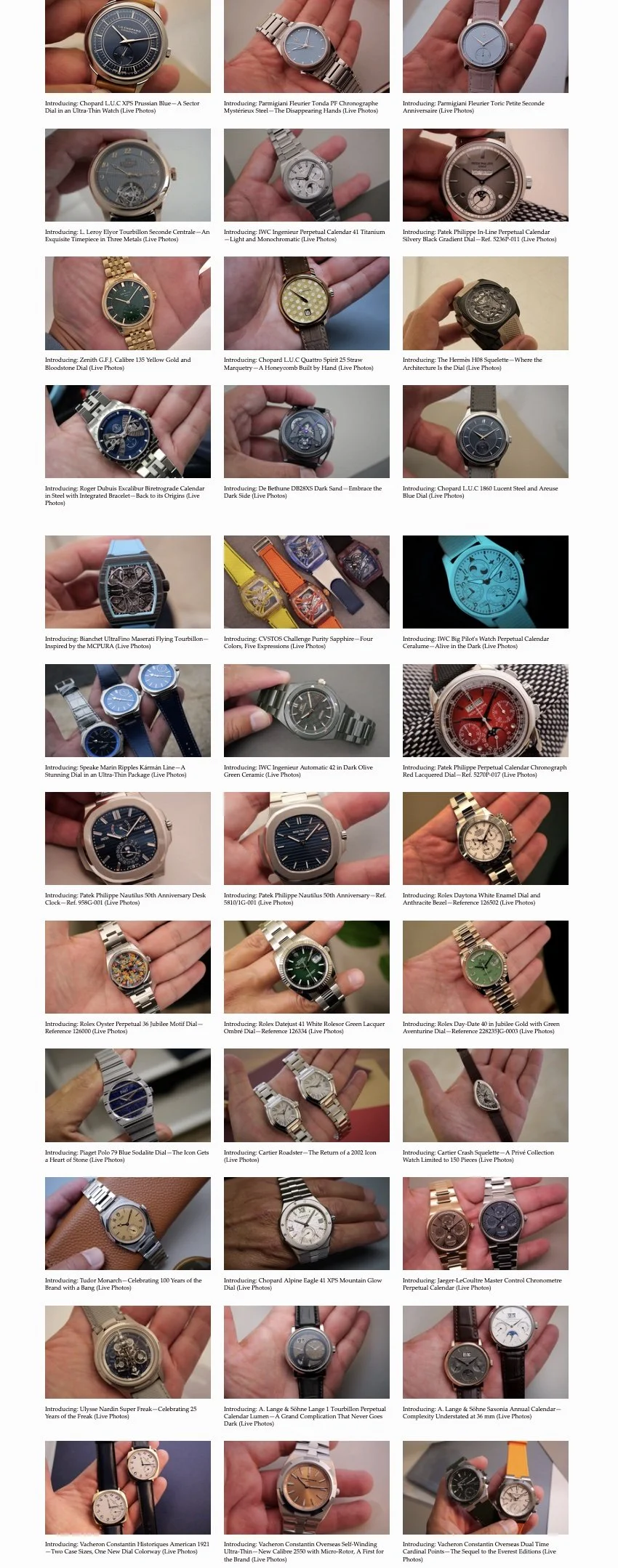
The volume of coverage the fair generated reflects how thoroughly it now dominates the industry's attention. WCL published 71 novelty editorials featuring live photography tied to Watches and Wonders 2026—compared with 57 for the 2025 edition, itself considered a strong show. That 25% increase in editorial output mirrors, almost precisely, the fair's own trajectory: more novelties presented by many of the brands, attendance up 9%, journalist credentials up 9%, social reach up 29%. The fair is not just growing; it is compressing the industry's creative calendar around itself, to the point where coverage of a single week in Geneva now represents the dominant editorial output of any serious watch publication's year.
The editorial theme of the 2026 edition—as expressed through the releases on the exhibition floor—centered on fundamentals. Two and three-hand watches. Ultra-thin executions. Skeleton movements. Vintage references rendered with contemporary restraint. More compact sizing. Gender-neutral positioning. Color as a differentiator rather than a novelty. On the complications front, chronographs and perpetual calendars led, with the tourbillon maintaining its perennial draw. Titanium, steel, and ceramic consolidated their standing as the materials of choice across price points. Taken together, this reads less like a moment of creative conservatism and more like a deliberate recalibration—an industry communicating that depth and craft, not spectacle alone, are where long-term value resides.
Whether that signals a broader market contraction or simply a maturing of collector taste is worth watching. The appetite for fundamentals tends to coincide with periods of economic uncertainty, when the instinct is to invest in the legible and the enduring rather than the experimental. That several of the most talked-about pieces at this year's fair were exercises in refinement rather than invention suggests that the major maisons are reading the same signals. Whether that balance holds as the fair continues to scale is the more interesting question heading into 2027.
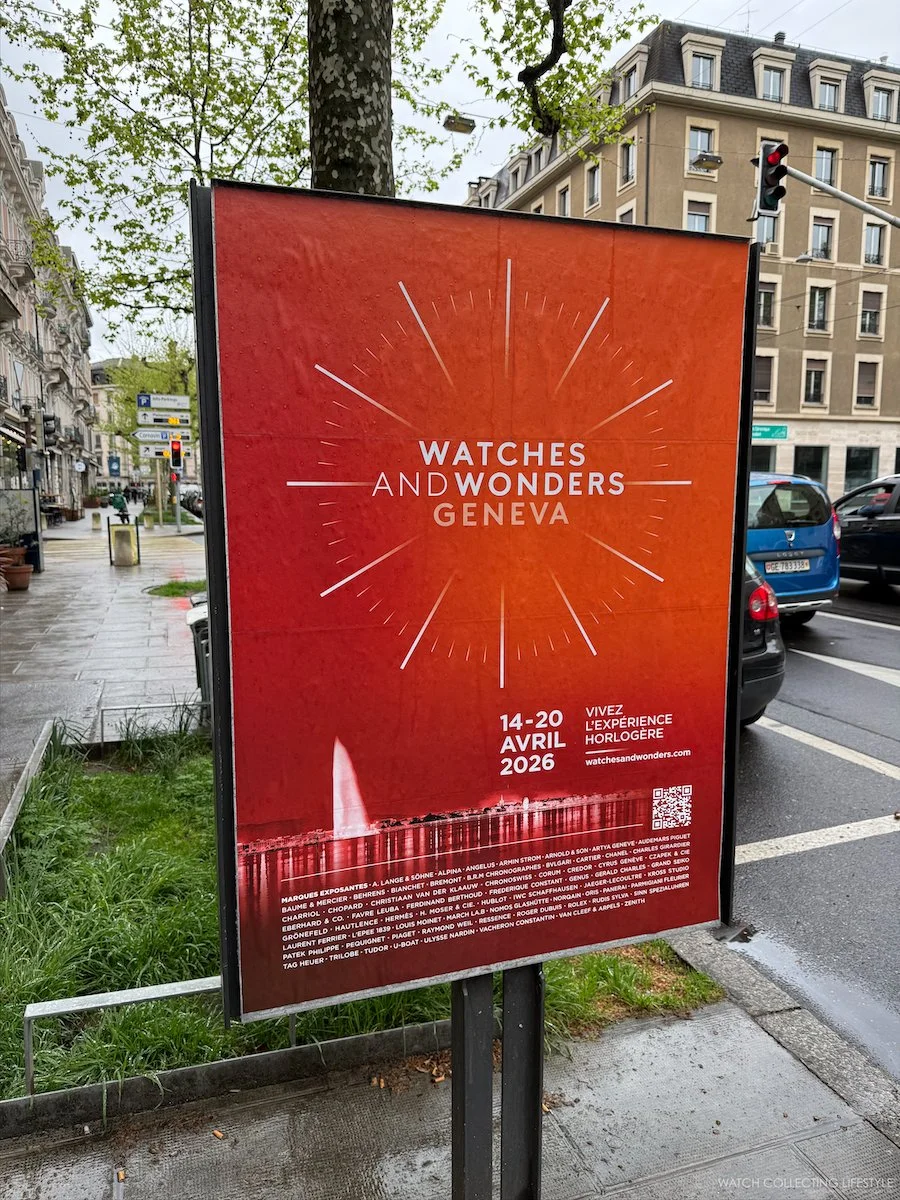
The exhibiting brand list for 2026 ran to more than sixty names, spanning Rolex, Patek Philippe, Vacheron Constantin, and Audemars Piguet at one end of the prestige spectrum, and smaller independents—Armin Strom, Bianchet, ArtyA Genève, Laurent Ferrier, Arnold & Son—at the other. The coexistence of those worlds under a single roof, in a format that serves press, retail, and public simultaneously, is the fair's most meaningful structural achievement. It is also the most fragile. As attendance grows and brand programming intensifies, the tension between access and exclusivity will require active management. And let’s not forget that more than two dozen brands are still exhibiting outside the Palexpo at the Beau Rivage hotel, the Hotel des Bergues, or the Hotel de la Paix.
Spring 2027 arrives with expectations now materially higher than they were twelve months ago. That is the condition of success in this context. Watches and Wonders Geneva has made the argument that Geneva is the world capital of watchmaking. The 2027 edition will be asked to prove it again.
More info on Watches and Wonders Geneva here.