
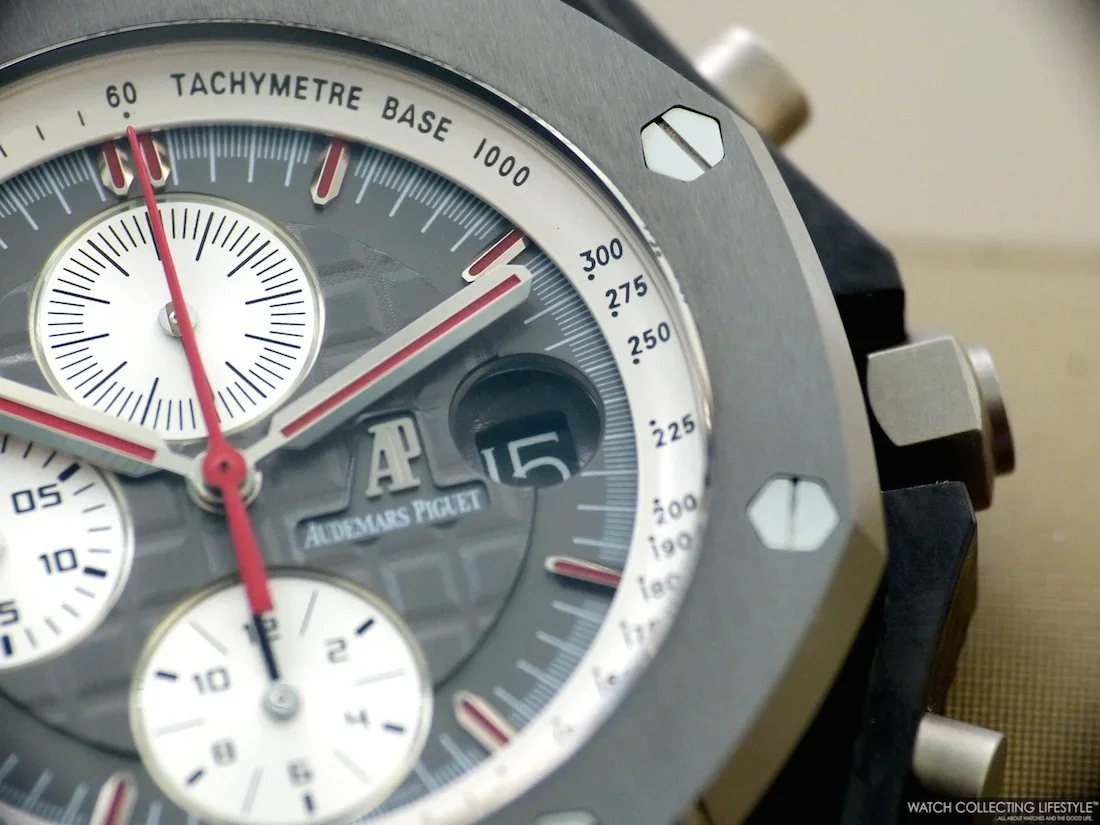
The announcement of the Swatch x Audemars Piguet Royal Pop has shaken the watch world this week. Before we continue beating a dead horse and discussing what AP has become, it is worth remembering what this brand once built. For decades, Audemars Piguet operated as one of the most daring materials laboratories in watchmaking—not just in the Royal Oak Offshore collection, but also across the broader Royal Oak family.

Each week at WCL delivers editorial coverage across the spectrum of serious watch collecting—from industry analysis and new release evaluation to archival perspectives and manufacture insights. Weekend Reads curates the week's most substantial pieces: the editorials that reward deeper engagement and merit your weekend reading time.
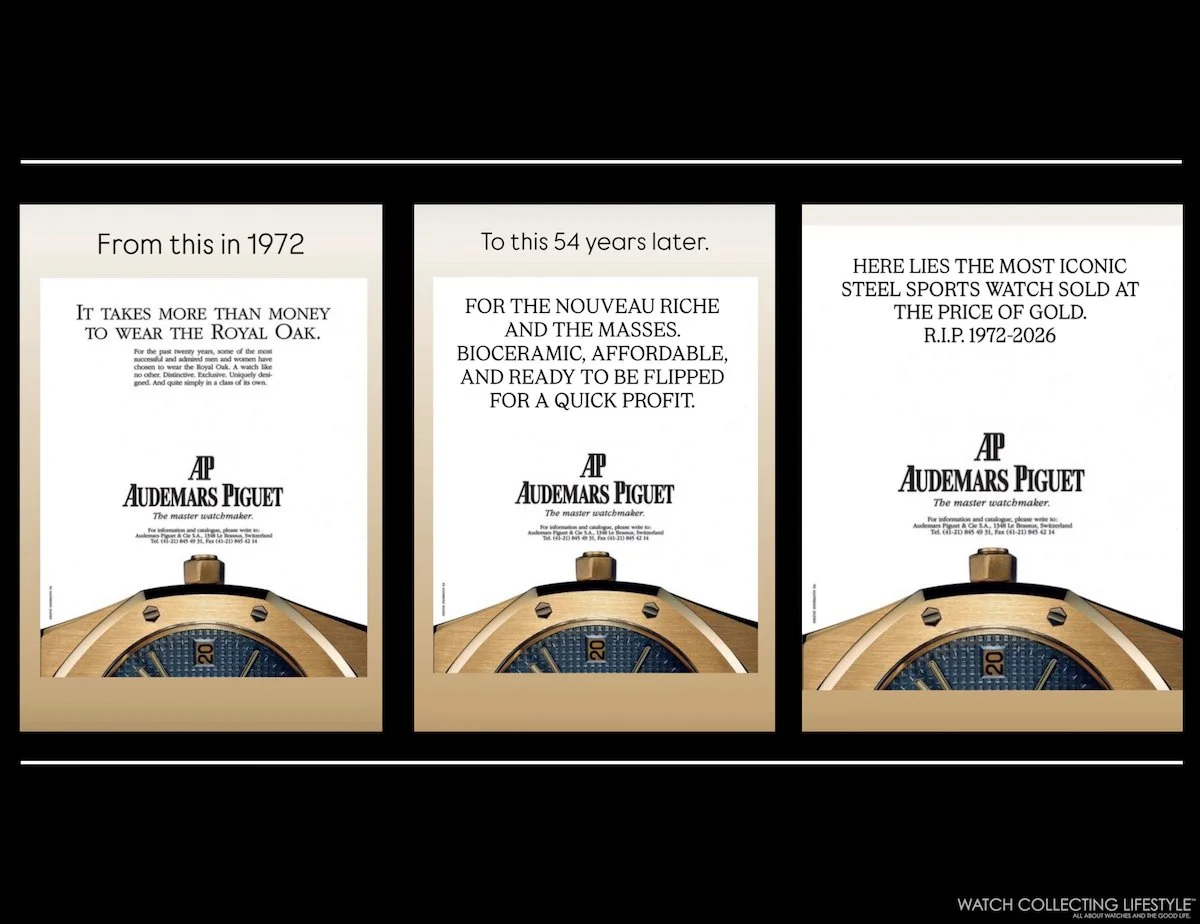
When I first saw the teasers a few days ago, I sat with them for a long time before I could write a single word. Since there have been rumors for the last two years that AP might be acquired by LVMH or another watch holding group, I even wondered: Is this how the Swatch Group will communicate they are finally acquiring Audemars Piguet?
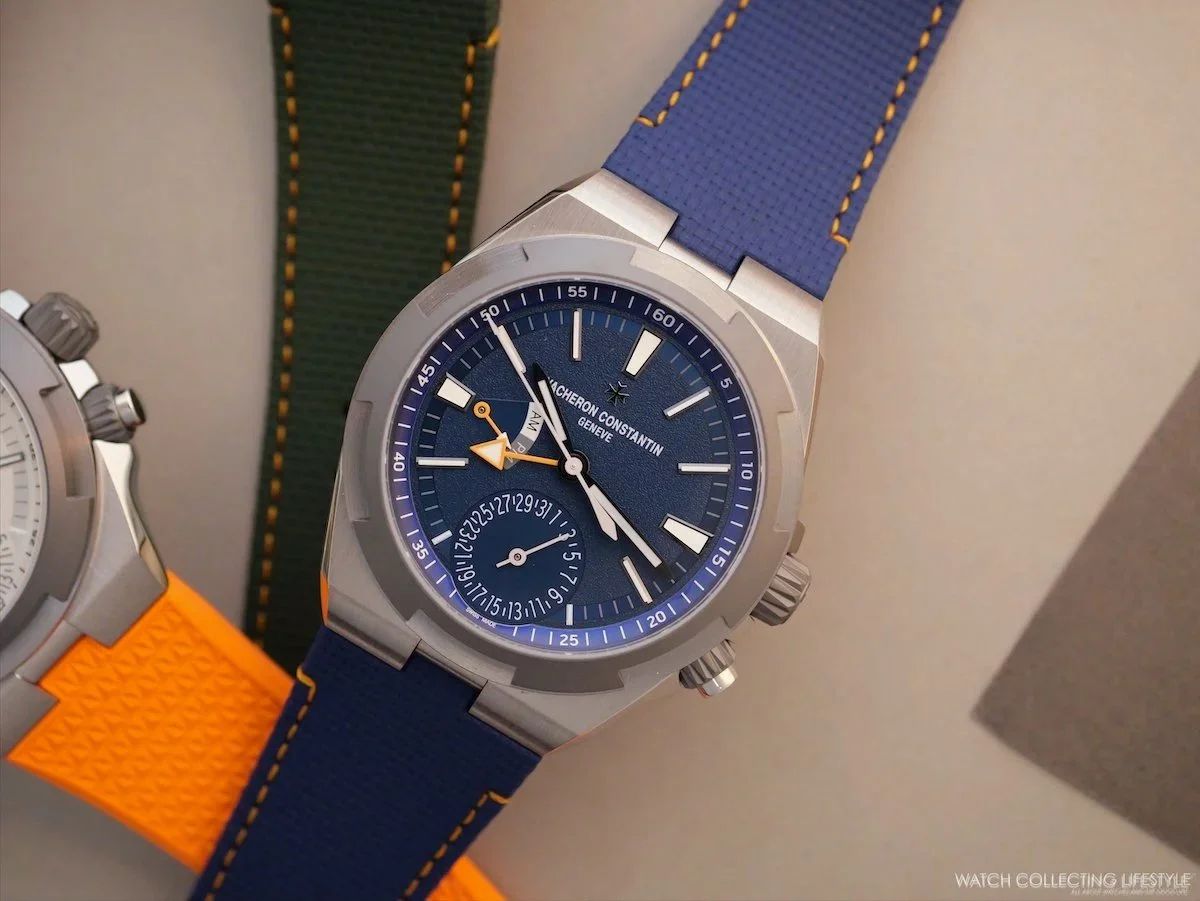
Blue holds a peculiar dominance in watchmaking, and for us here at WCL, it’s our favorite color when it comes to dials and apparel. It has been the safe choice, the crowd-pleasing choice, and when handled with genuine conviction, the most technically interesting choice. Watches and Wonders Geneva 2026 made the case for the latter. Across a show that delivered one of the strongest editions in recent memory, five blue dials stood above the rest.
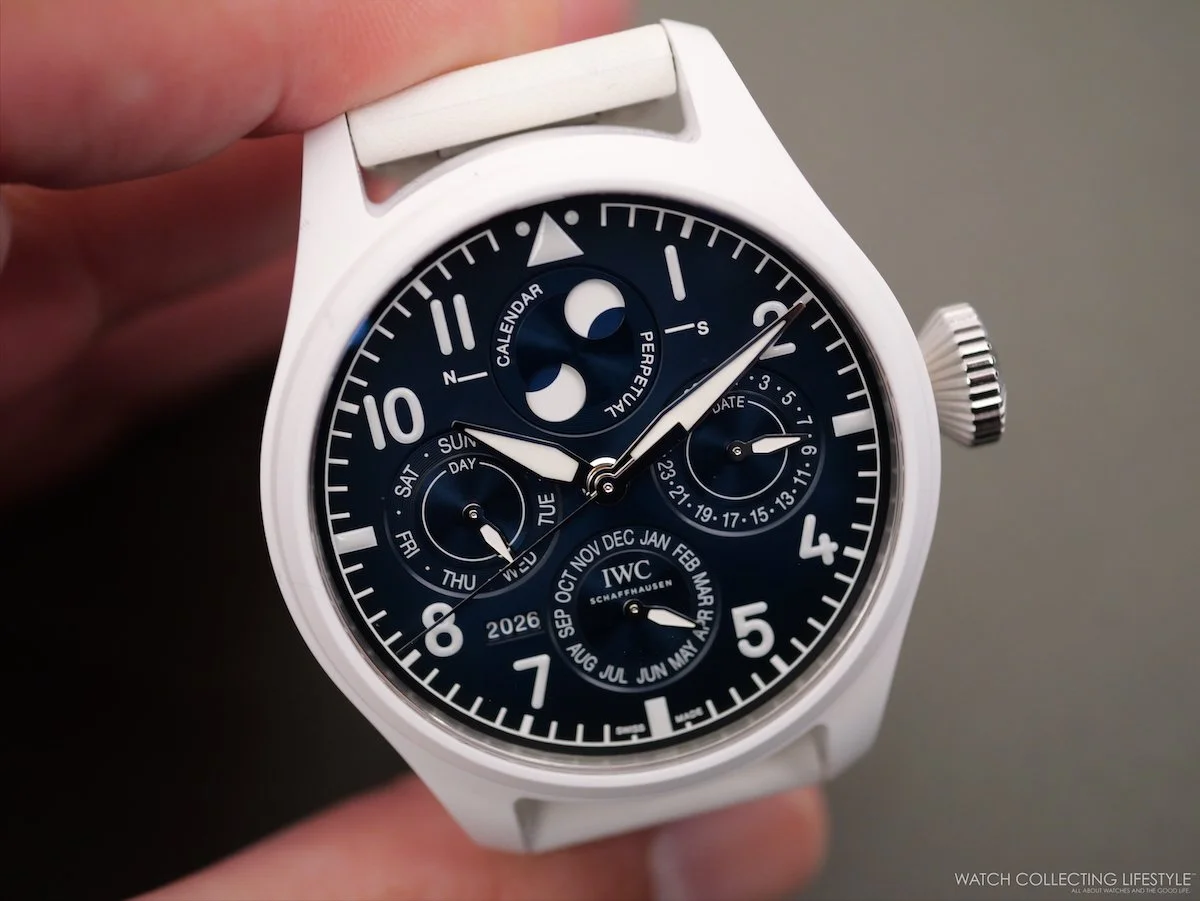
The IWC Big Pilot's Watch Perpetual Calendar ProSet Le Petit Prince variant—ref. IW339601—, which we reviewed and photographed at the show —pairs this engineering breakthrough with the midnight-blue gradient sunray dial that has defined the Saint-Exupéry editions since 2013, now marking twenty years of IWC's collaboration with the author's estate.

Jaeger-LeCoultre is staging an immersive pop-up experience in the Miami Design District from May 21 to 31, 2026, marking the Maison's first pop-up in the heart of the Miami Design District and a key moment ahead of the opening of its new boutique there this Summer 2026.
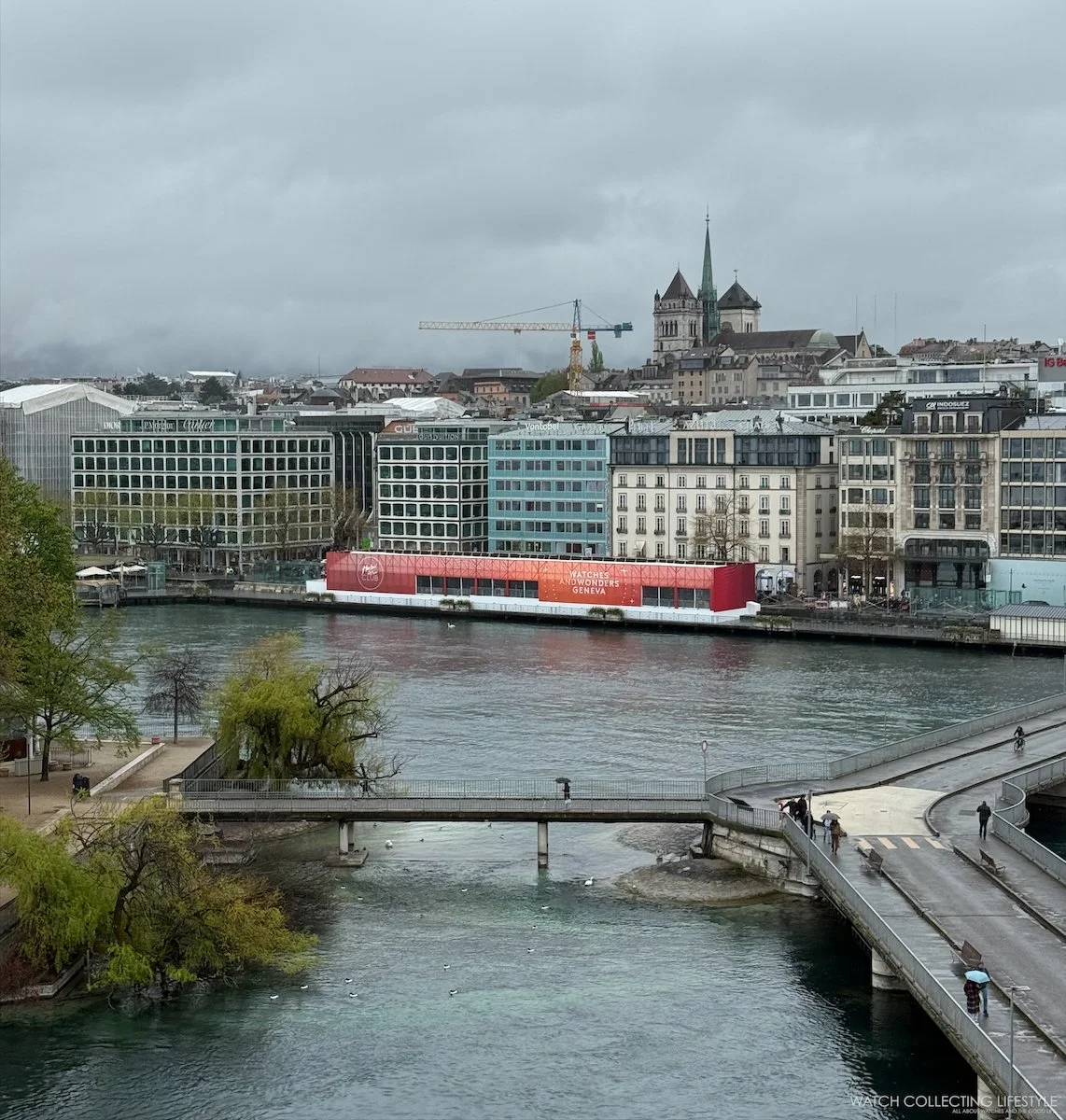
The numbers from Watches and Wonders Geneva 2026 are, by any measure, difficult to argue with. Nearly 60,000 unique visitors to the fair, with 25,000 public tickets sold across three days. 1,750 journalists credentialed, 6,000 retailers, and more than 10,000 people who took over the city center throughout the week. A social media reach approaching 900 million impressions under the #watchesandwonders2026 hashtag—a 29% increase on the prior year.
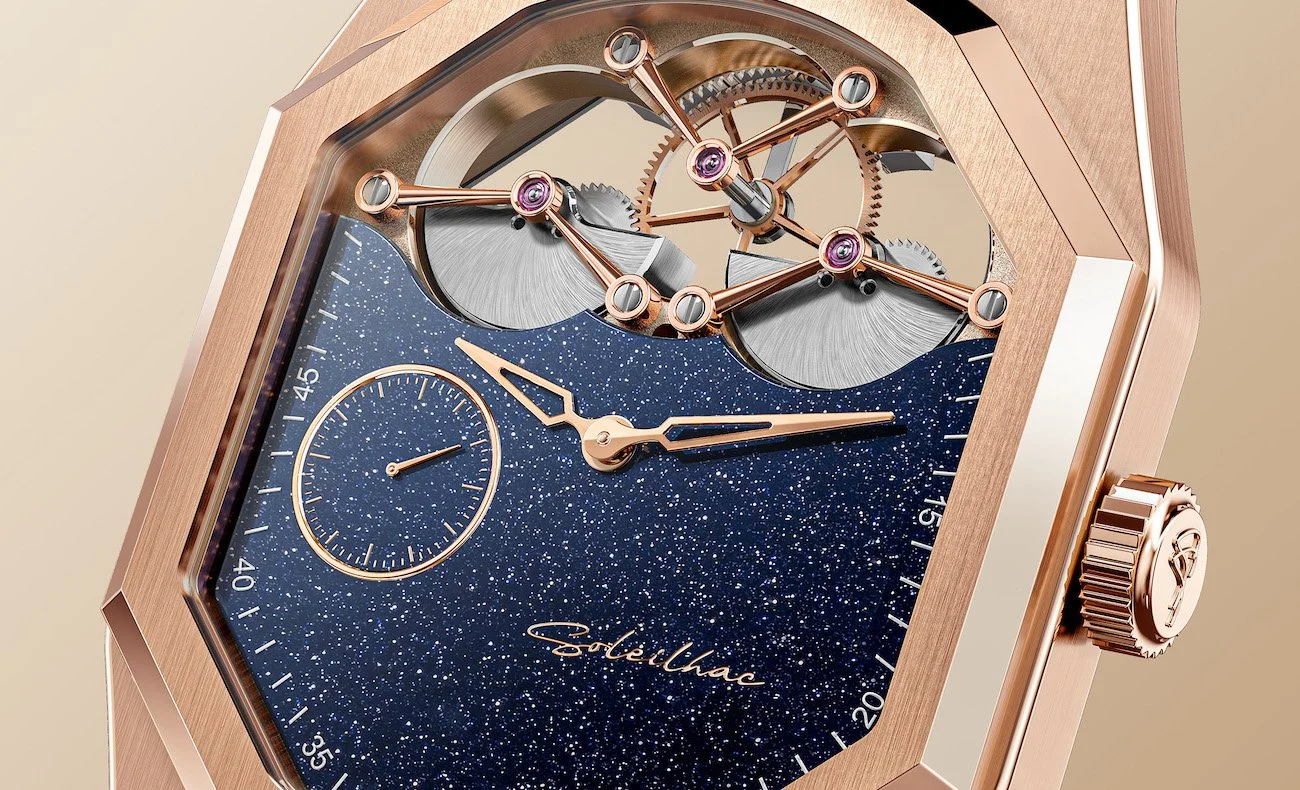
I came across Soleilhac the way I come across most of the independent brands that end up on my radar and make it to WCL—not through a press release or a fair booth, but through a conversation. Samuel Soleilhac reached out to me through Instagram a few weeks ago, and this week we finally connected. Samuel told me about his first collection, the Harmonie, which is the kind of story I find genuinely compelling in this industry.
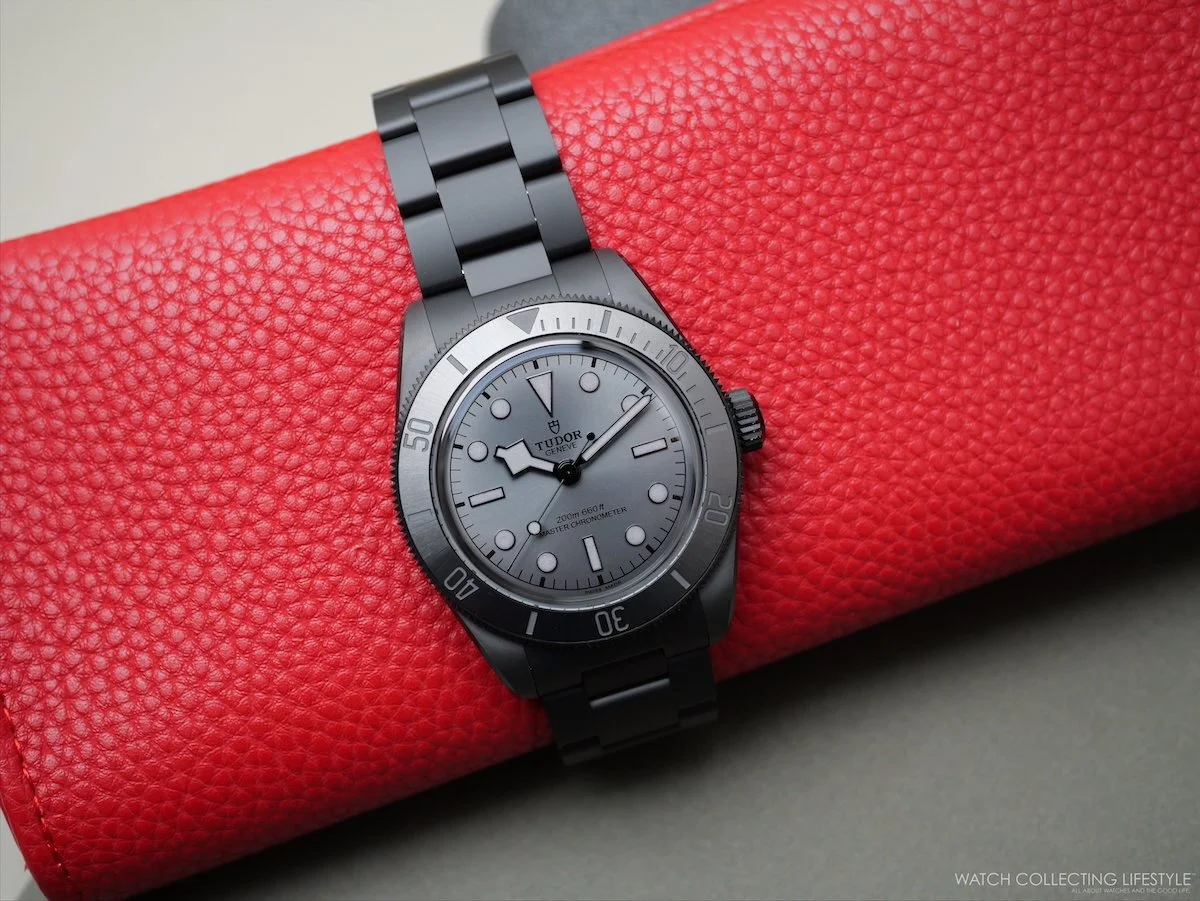
Tudor has been experimenting with monobloc ceramic cases since 2013, when the brand relaunched in the U.S. with the now-discontinued Fastrider Black Shield, which was actually a pretty cool watch. The Black Bay Ceramic on strap was originally launched in 2021. The 2026 ref. M7941A1ACNU-0001, presented at Watches and Wonders Geneva 2026, is therefore the second-generation ceramic Black Bay.
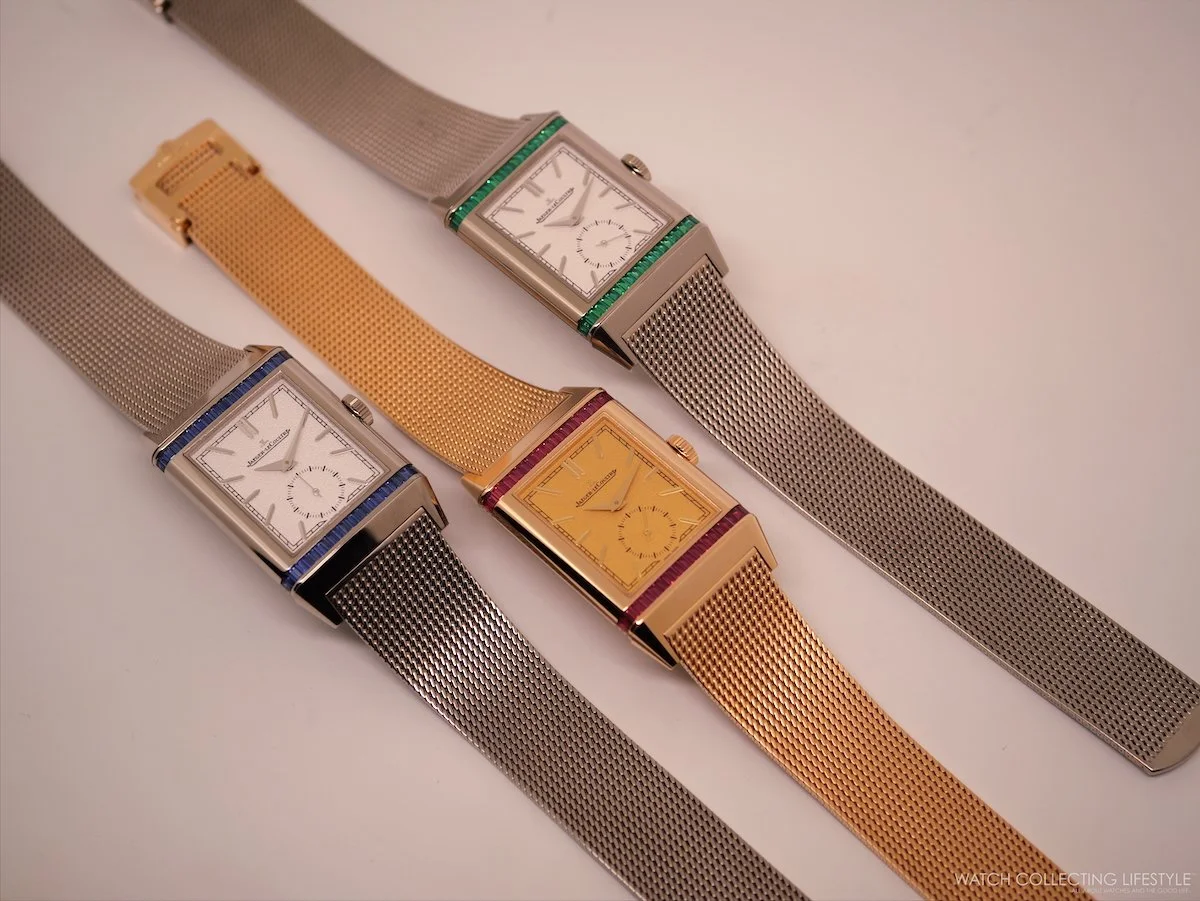
Jaeger-LeCoultre has used the Met Gala as a launch platform before, but the 2026 edition arrived with unusual precision. Three new expressions of the Reverso Tribute Monoface Small Seconds—each set with a different precious stone, each worn by a different celebrity on the red carpet—mark the debut of the 'Or Deco Cocktail' series.
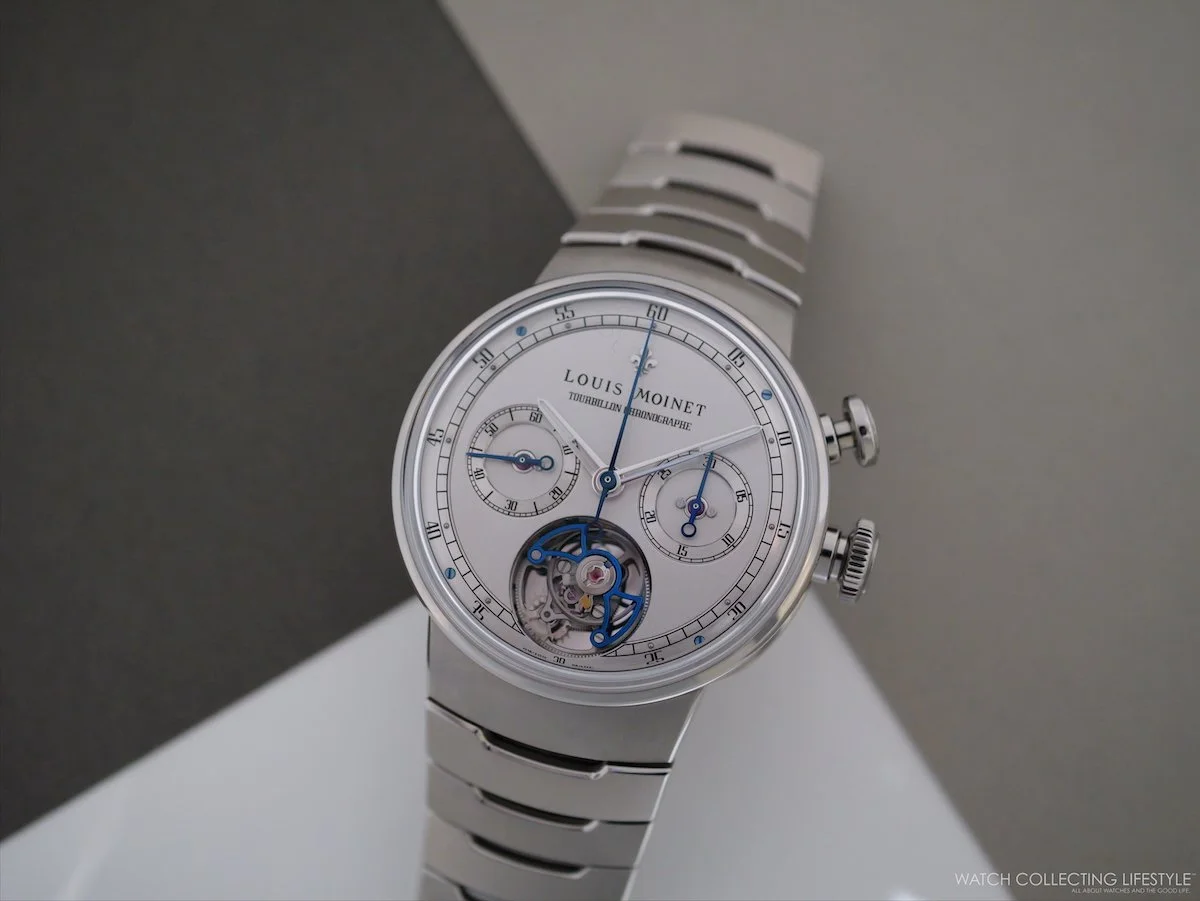
Les Ateliers Louis Moinet, the contemporary manufacture bearing his name, has spent two decades translating that founding object into haute horlogerie. The 1816 Tourbillon Chronograph is the most complete expression of that mission to date. The new Louis Moinet 1816 Tourbillon Chronograph is limited to just 12 pieces.
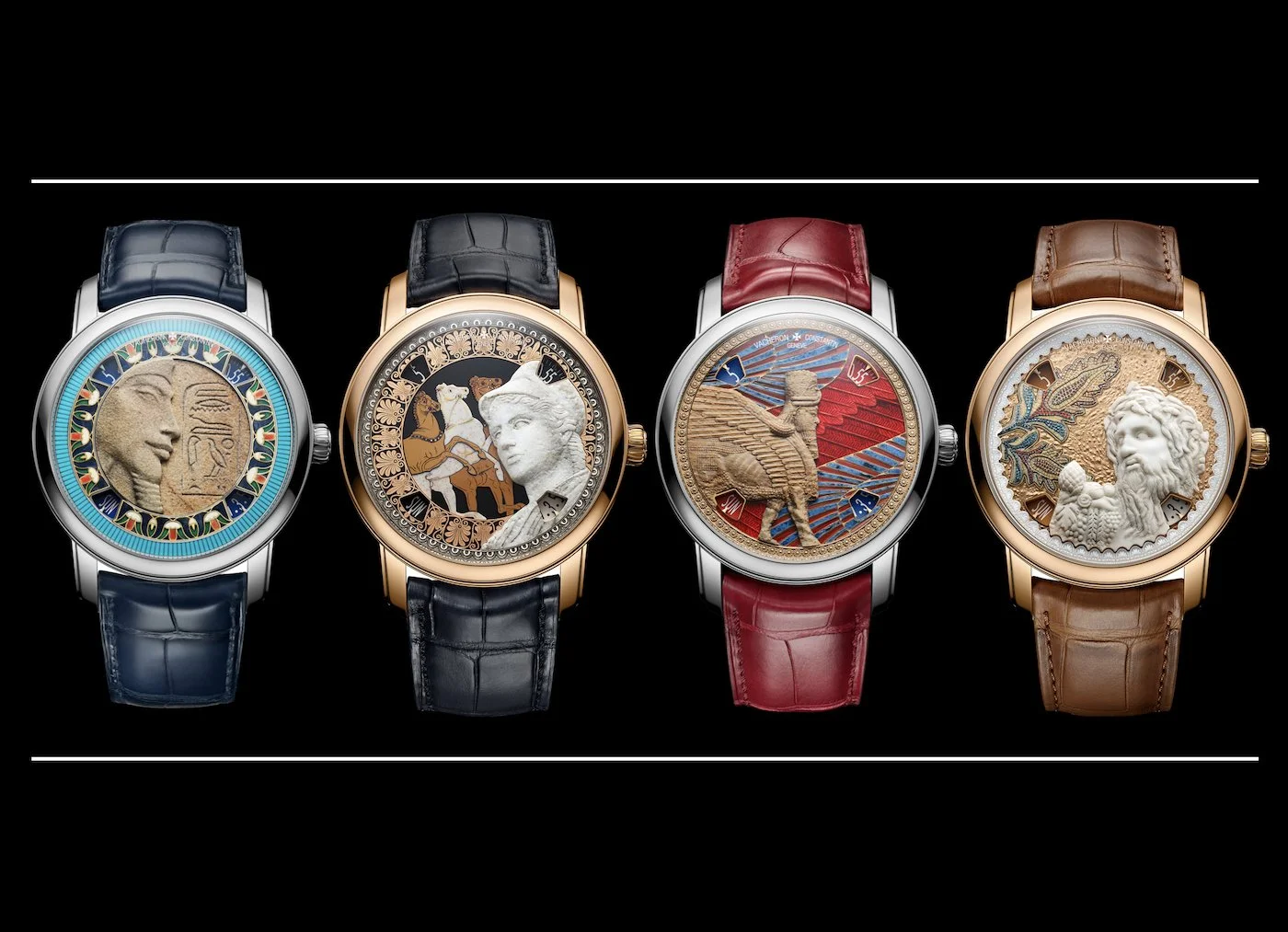
The second chapter of the Vacheron Constantin and Musée du Louvre partnership brings Ancient Egypt, Assyria, Greece, and Rome to a 42 mm dial through nine decorative crafts and stone carving on a watch face for the first time. The Vacheron Constantin and Louvre partnership, formalized in 2019, has produced some of the most ambitious dial work in contemporary haute horlogerie.
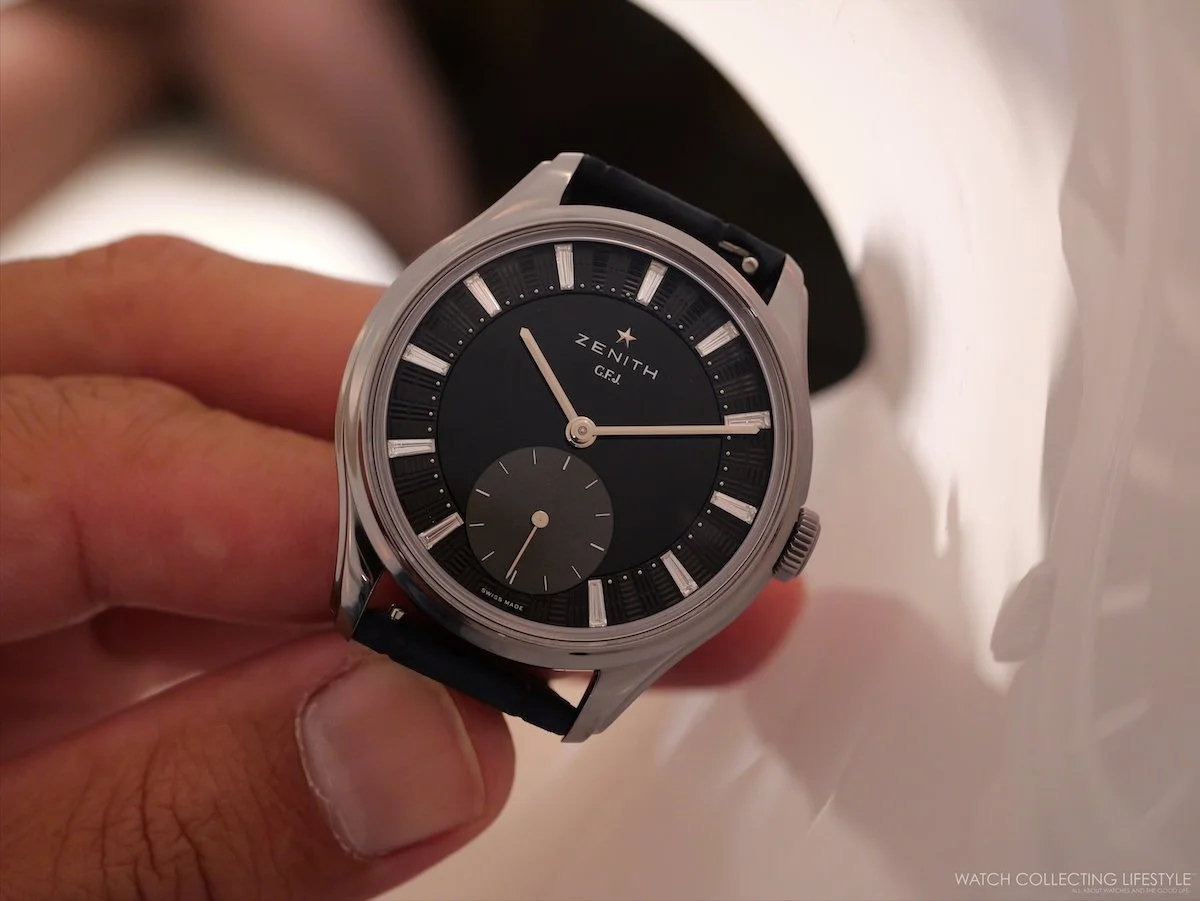
Introduced at Watches and Wonders Geneva 2025, the G.F.J. Calibre 135, that inaugural piece came in platinum with a lapis lazuli dial, now at Watches and Wonders Geneva 2026, Zenith presented the G.F.J. Calibre 135 Yellow Gold and Bloodstone Dial we brought you a couple of weeks ago, along with this Tantalum and Onyx Dial piece.
Each week at WCL delivers editorial coverage across the spectrum of serious watch collecting—from industry analysis and new release evaluation to archival perspectives and manufacture insights. Weekend Reads curates the week's most substantial pieces: the editorials that reward deeper engagement and merit your weekend reading time.
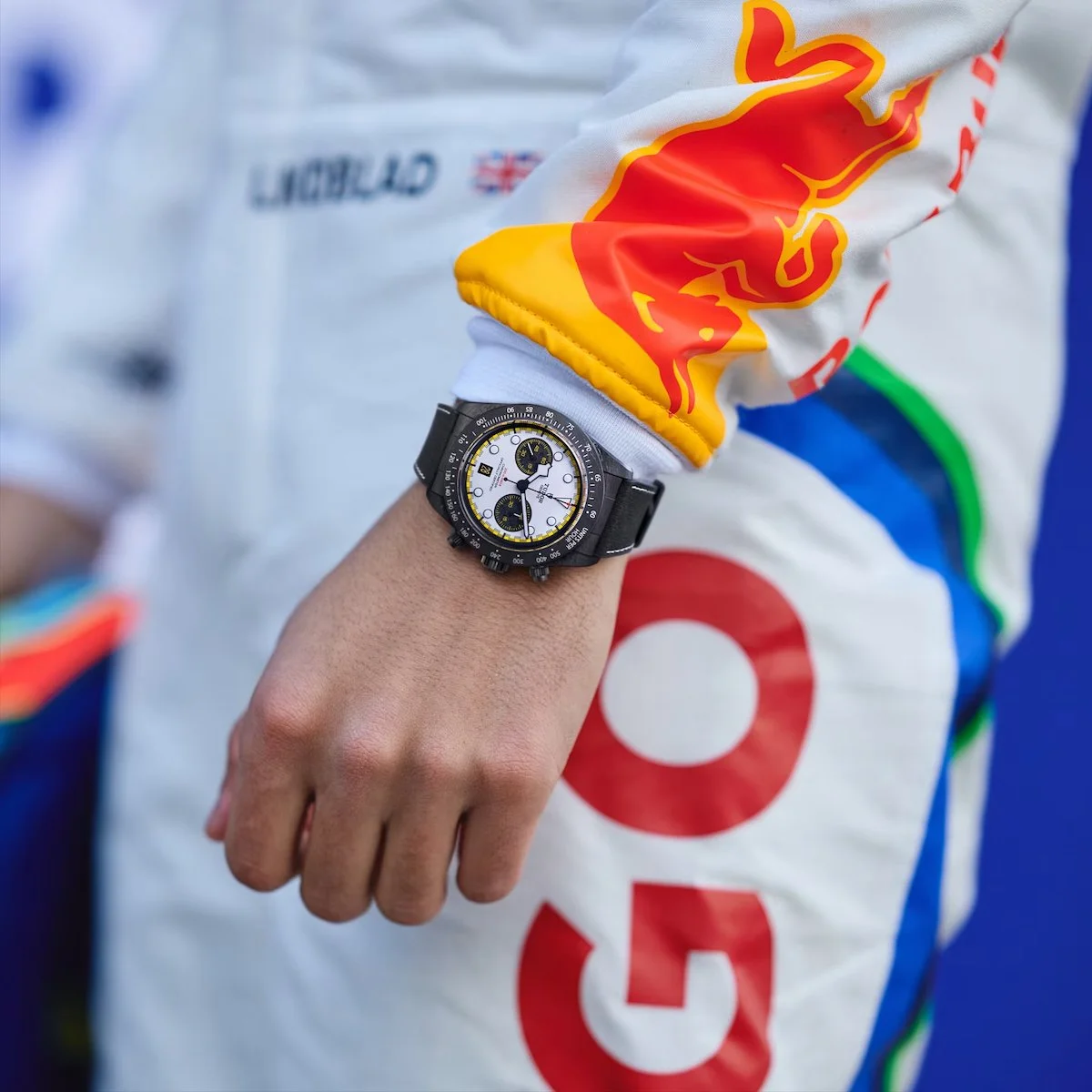
Formula 1 comes to Miami this weekend, and Tudor has timed its latest release accordingly. The new Black Bay Chrono ‘Carbon 26’ arrives as the brand's annual livery-inspired chronograph tied to the Visa Cash App Racing Bulls team—now two seasons into their partnership—and to the 2026 car, the VCARB 03. The defining update over last year's ‘Carbon 25’ is a shift from blue to yellow accents.
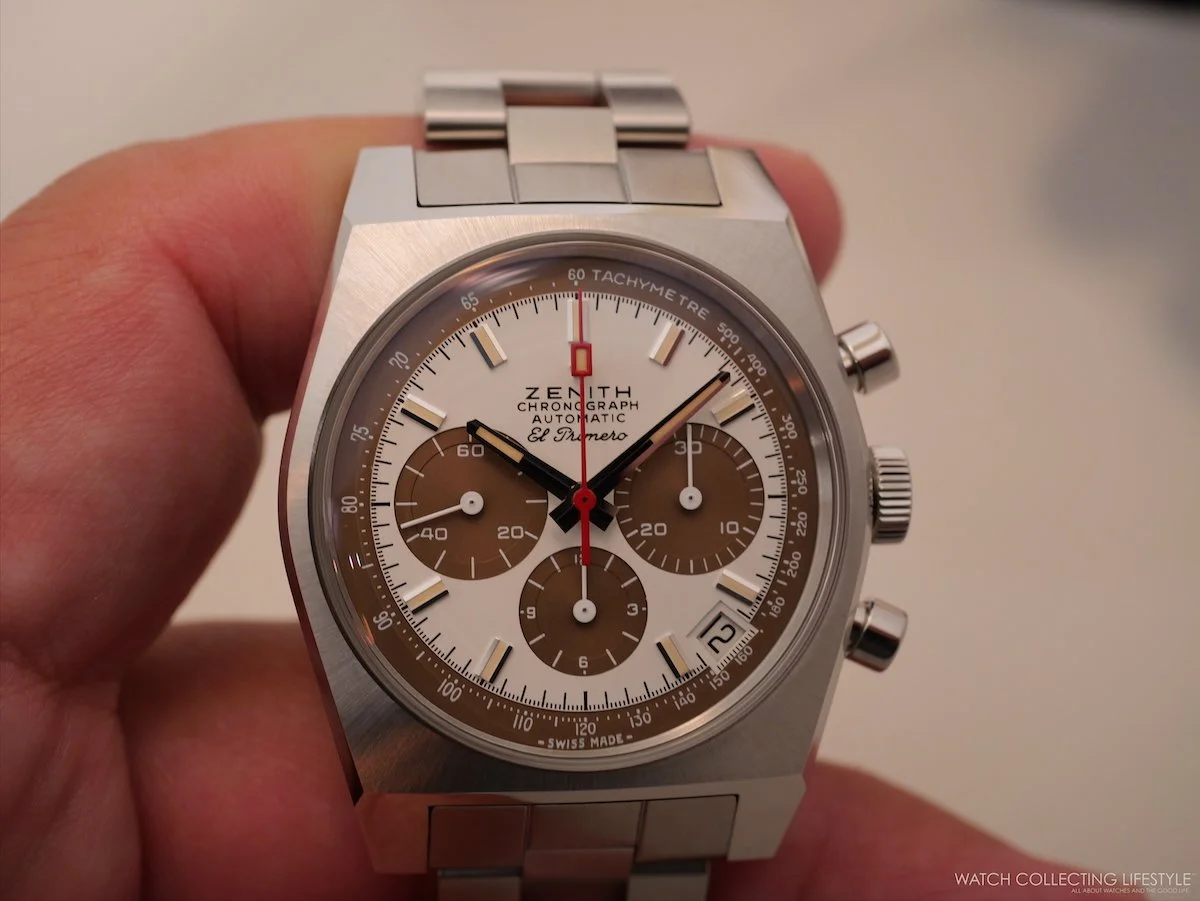
Founded in Le Locle in 1865, Zenith has built its identity around a single movement milestone: the El Primero, launched in 1969 as the world's first automatic integrated high-frequency chronograph. The A384 was among the founding references, introduced in the early 1970s, distinguished by a sharp tonneau profile, an angular case, and a visual boldness that set it apart from the round-cased chronographs of the era.
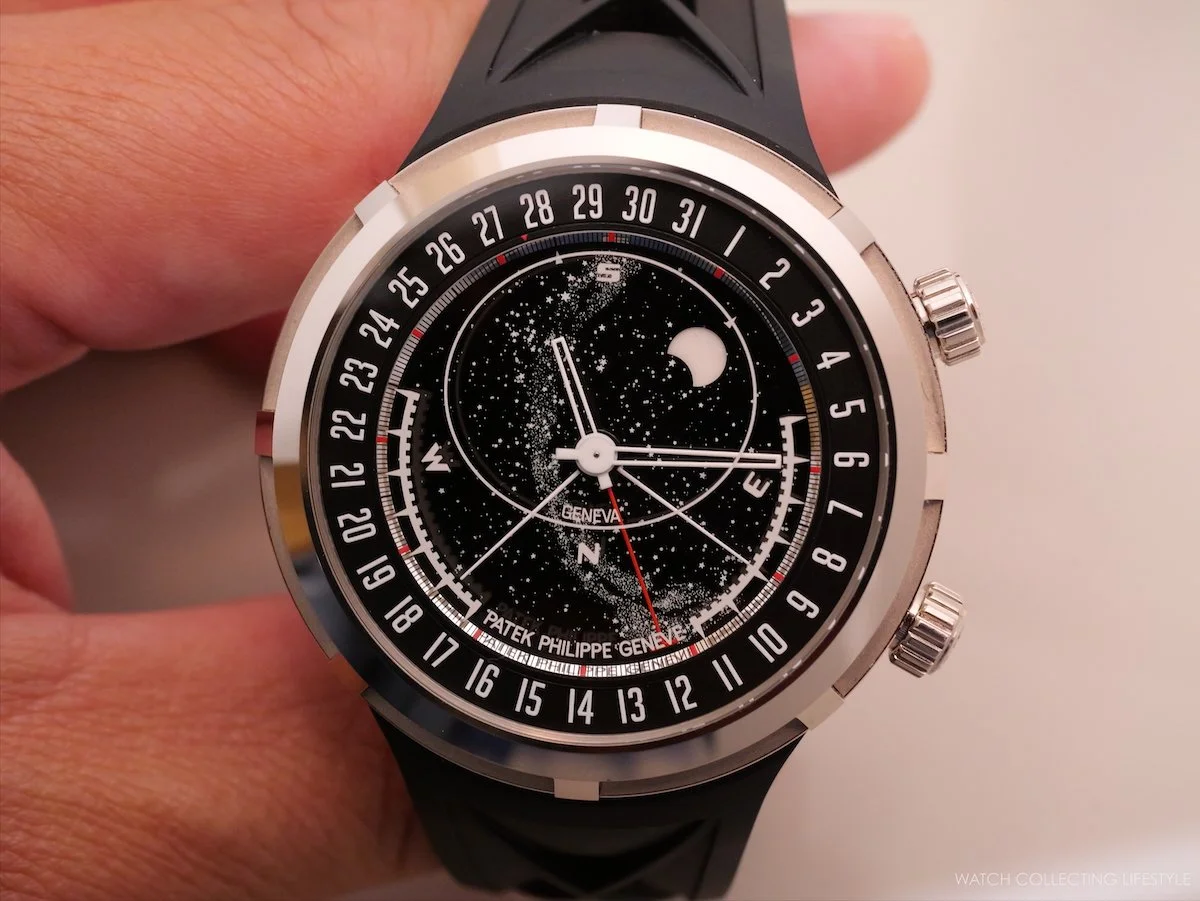
Patek Philippe's Celestial complication occupies its own category as a watch that displays not just the time but the sky itself, mapping the apparent motion of stars, the moon's orbit and phases, and the arc of the sun as seen from a specific latitude in a celestial chart. The reference 6105G-001 is the newest iteration of this idea, and it arrived at Watches and Wonders Geneva 2026 with an architecture that genuinely surprises.
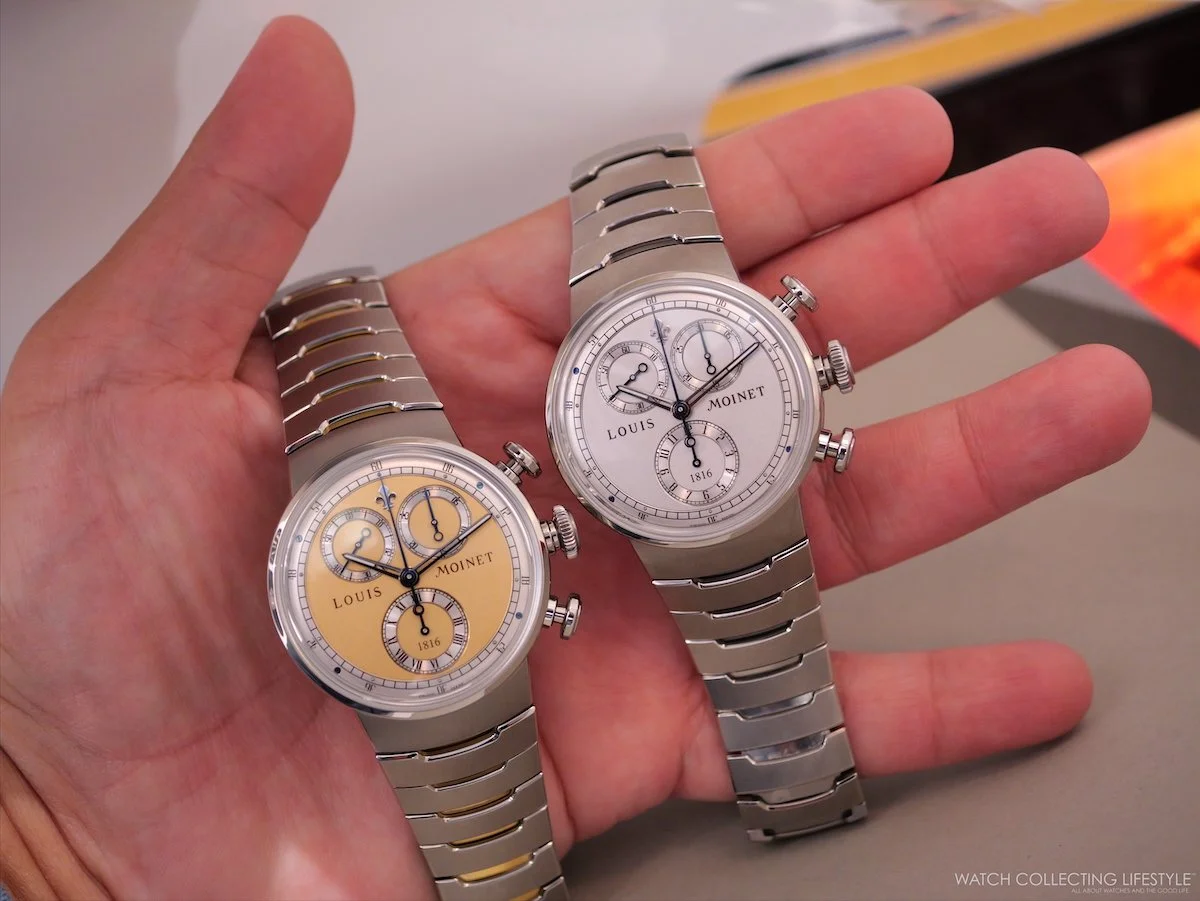
For Watches and Wonders 2026, Les Ateliers Louis Moinet returned to the 1816 Chronograph—introduced here last July—with a new edition that adds a touch of color to an already compelling timepiece. The architecture remains unchanged: named for the year its creator invented the chronograph, built around a dial layout drawn directly from the original compteur de tierces.
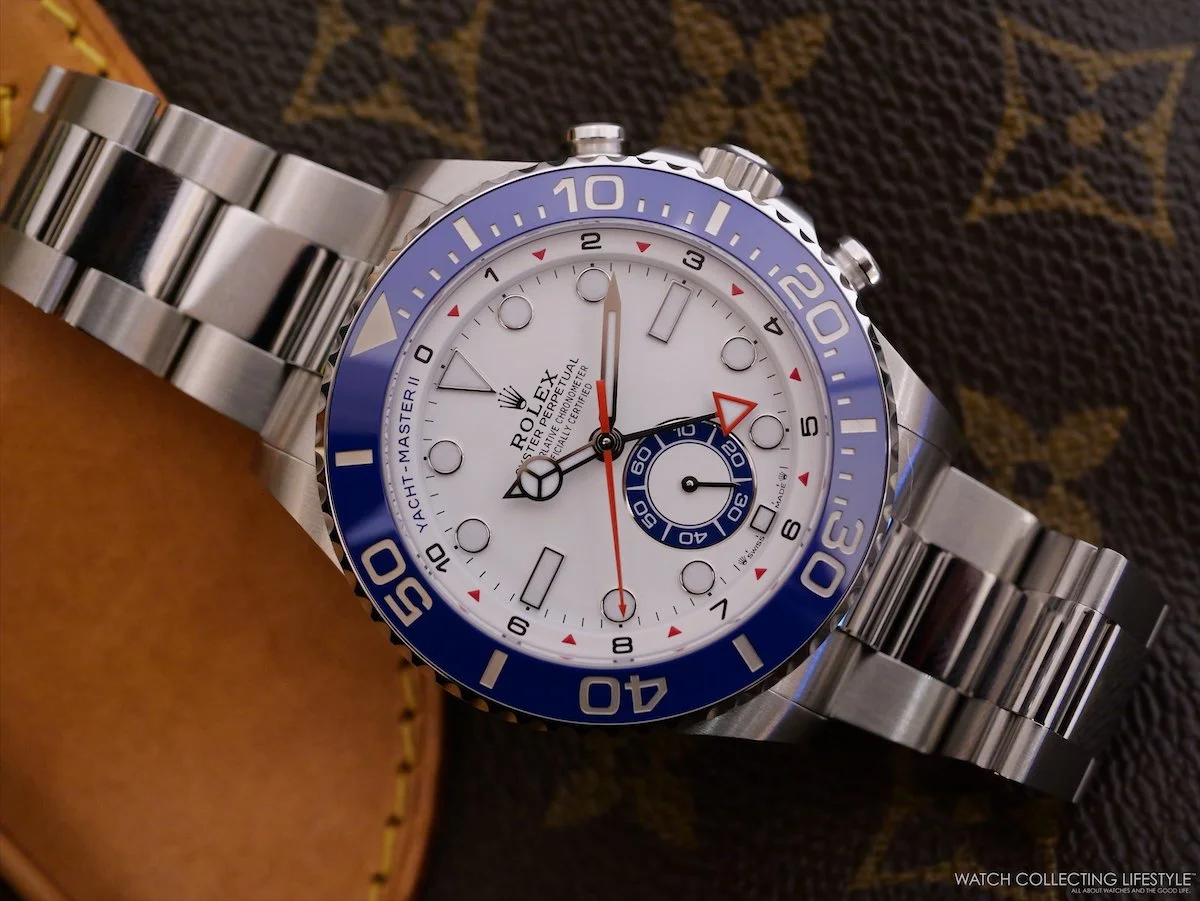
Rolex doesn't revive discontinued references unless it has something definitive to say. At Watches and Wonders Geneva 2026, the Crown said it loudly: the Oyster Perpetual Yacht-Master II is back, and it is meaningfully better, at least mechanically and horologically speaking. First launched in 2007 in yellow gold, then in steel in 2013, and pulled from the catalog in 2024, the regatta countdown chronograph watch returns.
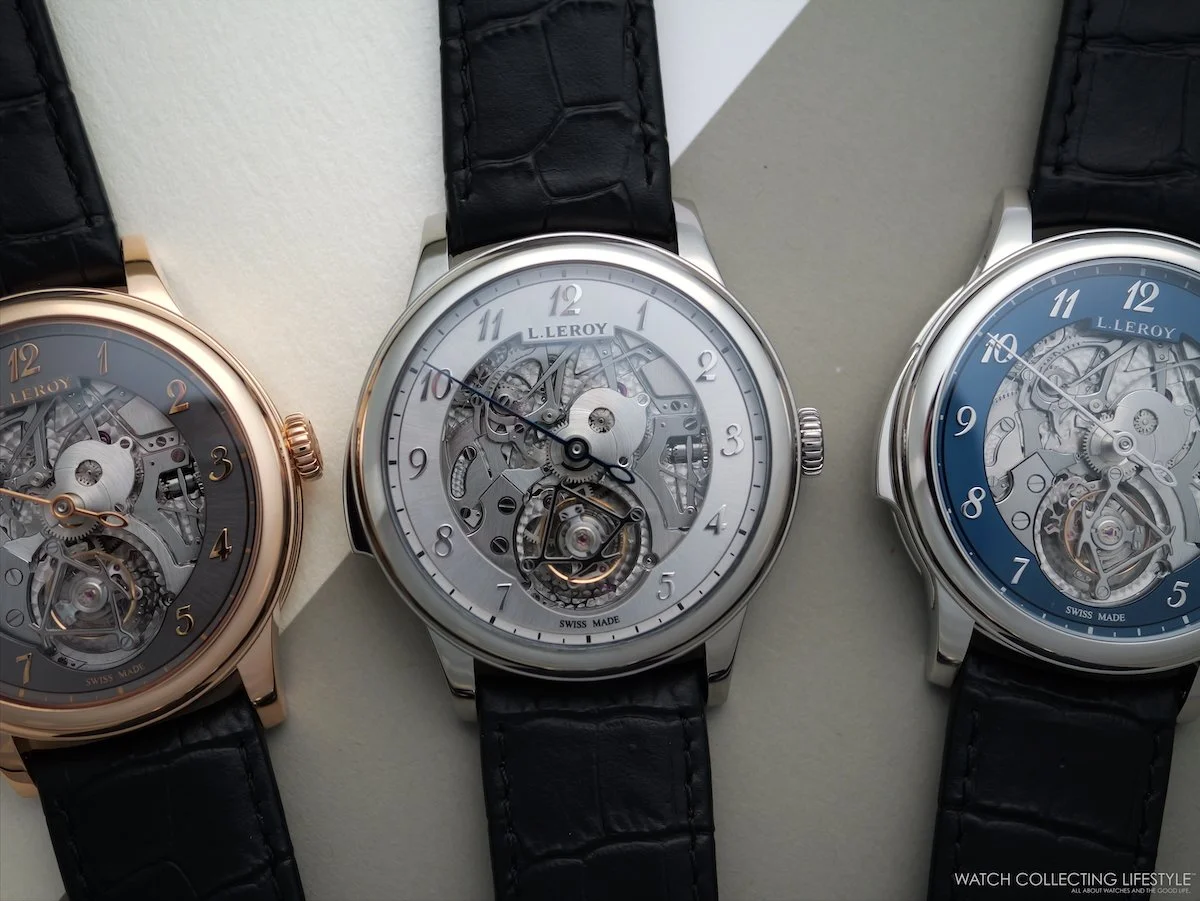
The L.Leroy 'Bal du Temps' Minute Repeater Tourbillon is available in three references, and each has a distinct chromatic identity: ALD blue for the platinum (Ref. LL306/1), anthracite with gold for the red gold (Ref. LL305/1), and rhodium silver with an ALD-blue hand for the titanium (Ref. LL307/1). Each material tier reads as a genuinely different watch rather than the same design in different metals.
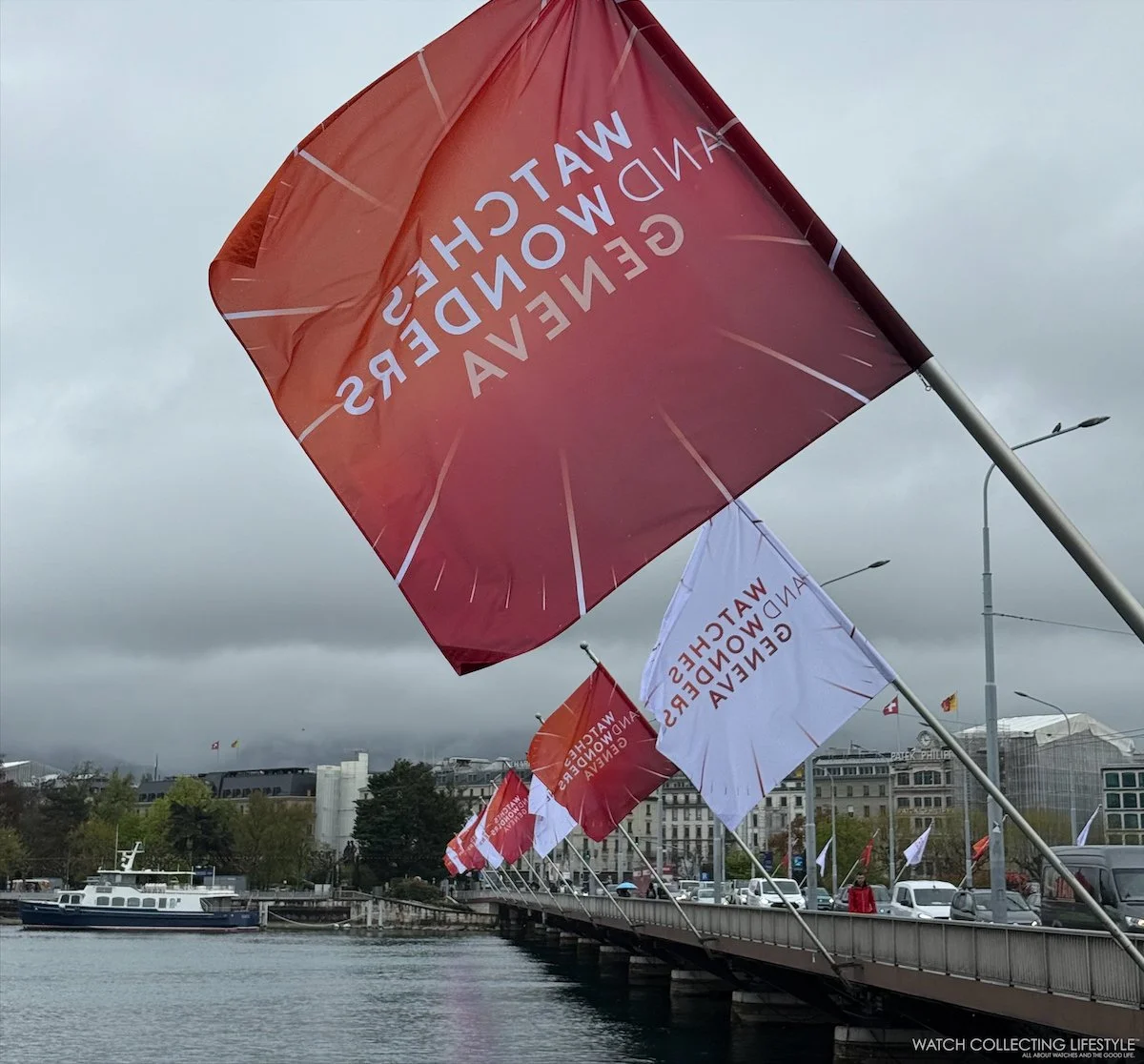
Watches and Wonders Geneva 2026 was, by any measure, one of the strongest editions in recent memory, even when I look back at the SIHH and attending the show for 13 years now. Between the Rolex centenary, the Nautilus 50th anniversary, Tudor’s 100th birthday, Parmigiani's 30th anniversary, and independent watchmakers going above and beyond, the floor delivered exactly what serious collectors come to Geneva for.
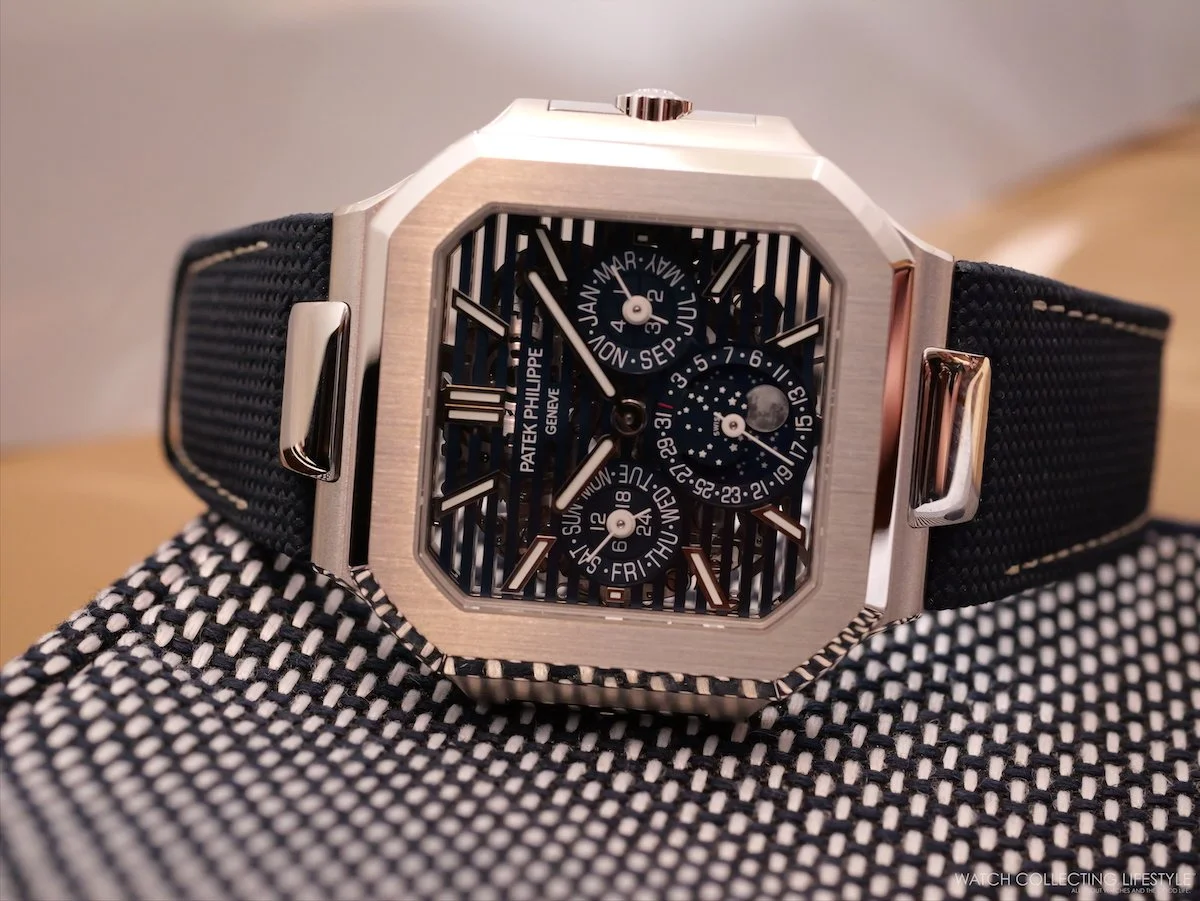
The Cubitus arrived at the end of 2024 as Patek Philippe's boldest statement in a generation, with a square case with rounded edges, a sports-watch disposition, and an unmistakably contemporary personality. Honestly, we didn’t like it back then, but the new Cubitus Perpetual Calendar Skeleton is not that bad, at least not as bad as the rest of the collection, and there are some positives to this watch
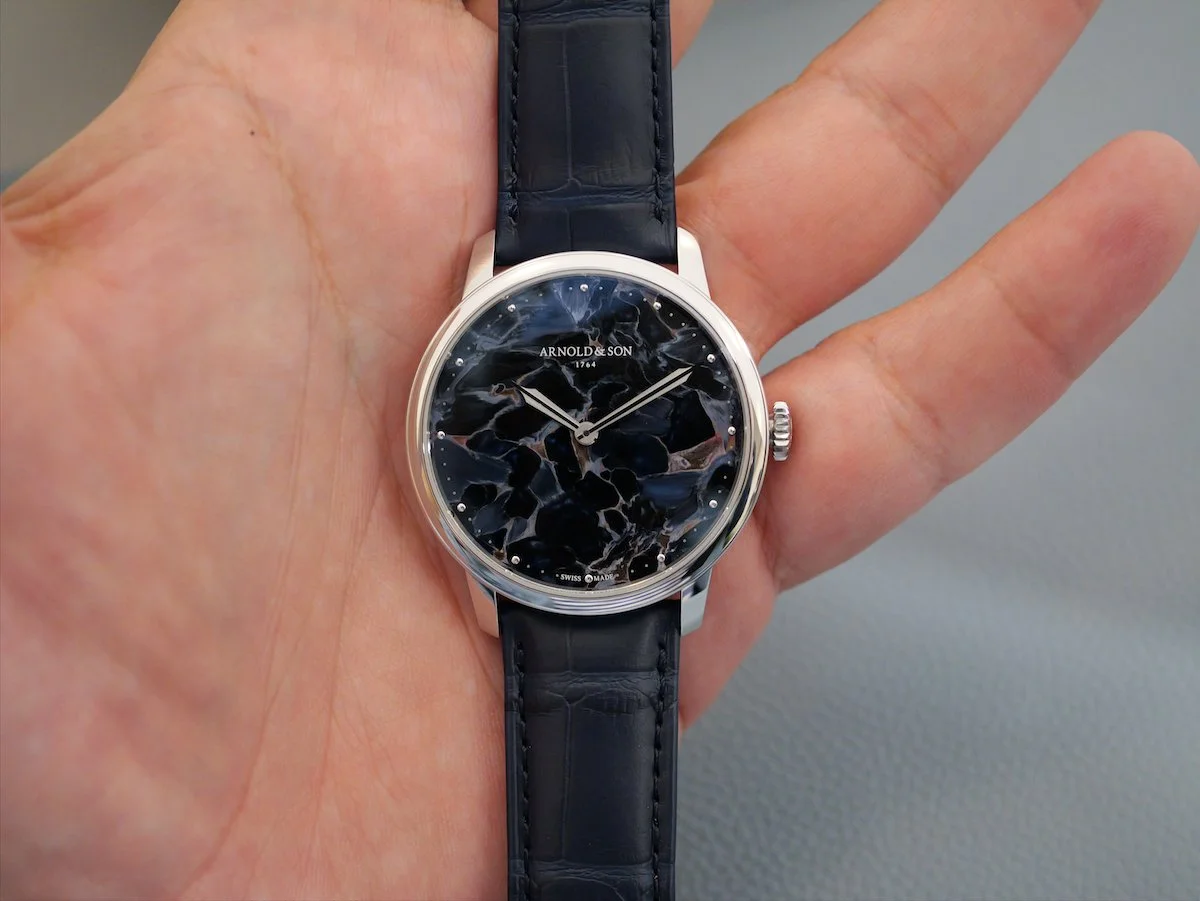
There are dials that display the time, and then there are dials that demand you stop to look. The Arnold & Son HM Pietersite, which we handled at Watches and Wonders Geneva 2026, belongs firmly to the latter category. The brand has set a slice of Namibian pietersite—the so-called "stone of storms"—into an ultra-thin dress watch that references John Arnold's Cornish heritage through its swirling, storm-sky patterns.
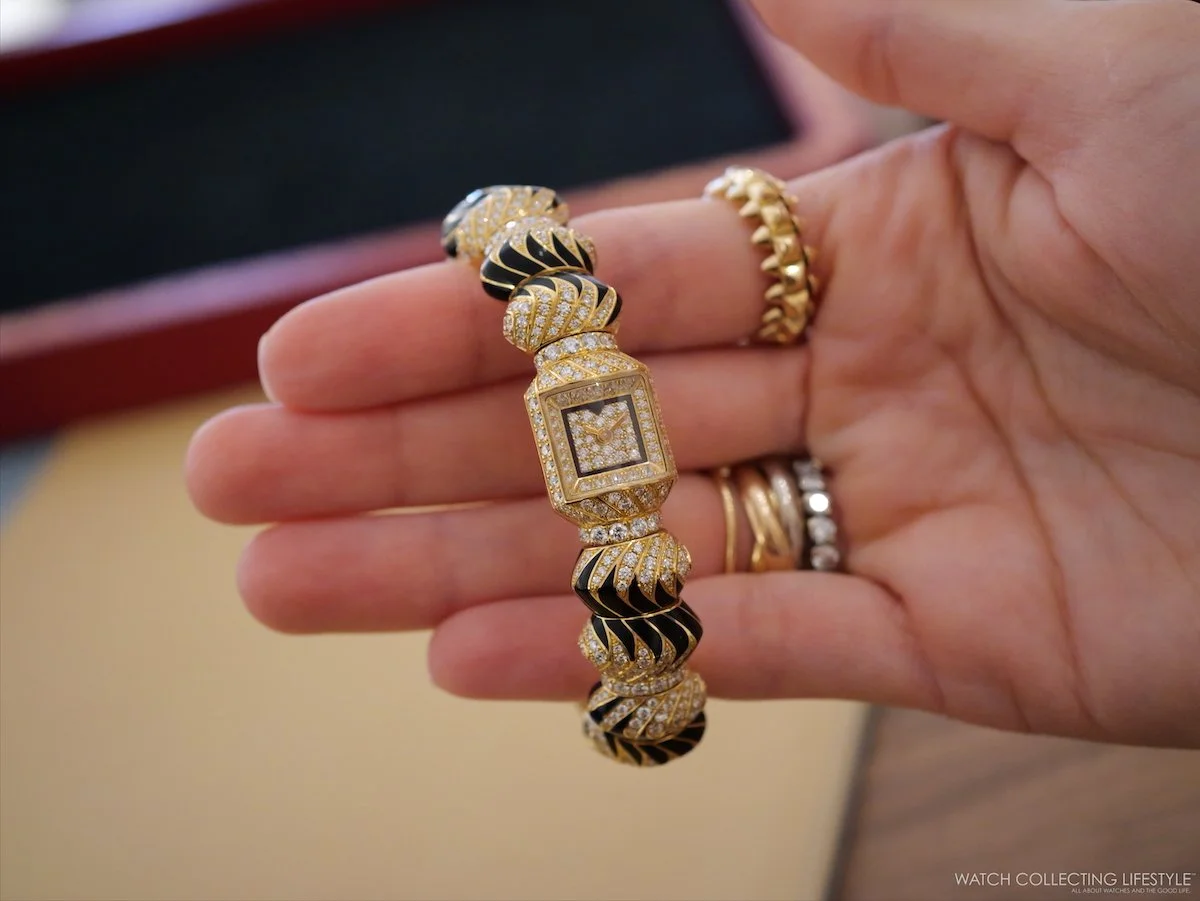
There is a meaningful distinction between a watch that incorporates jewelry and a jewelry object that tells time. The new Myst de Cartier, introduced at Watches and Wonders Geneva 2026, belongs definitively to the latter category—and makes no apology for it. It is one of the most ambitious métiers d'art objects Cartier has presented at the fair in years.
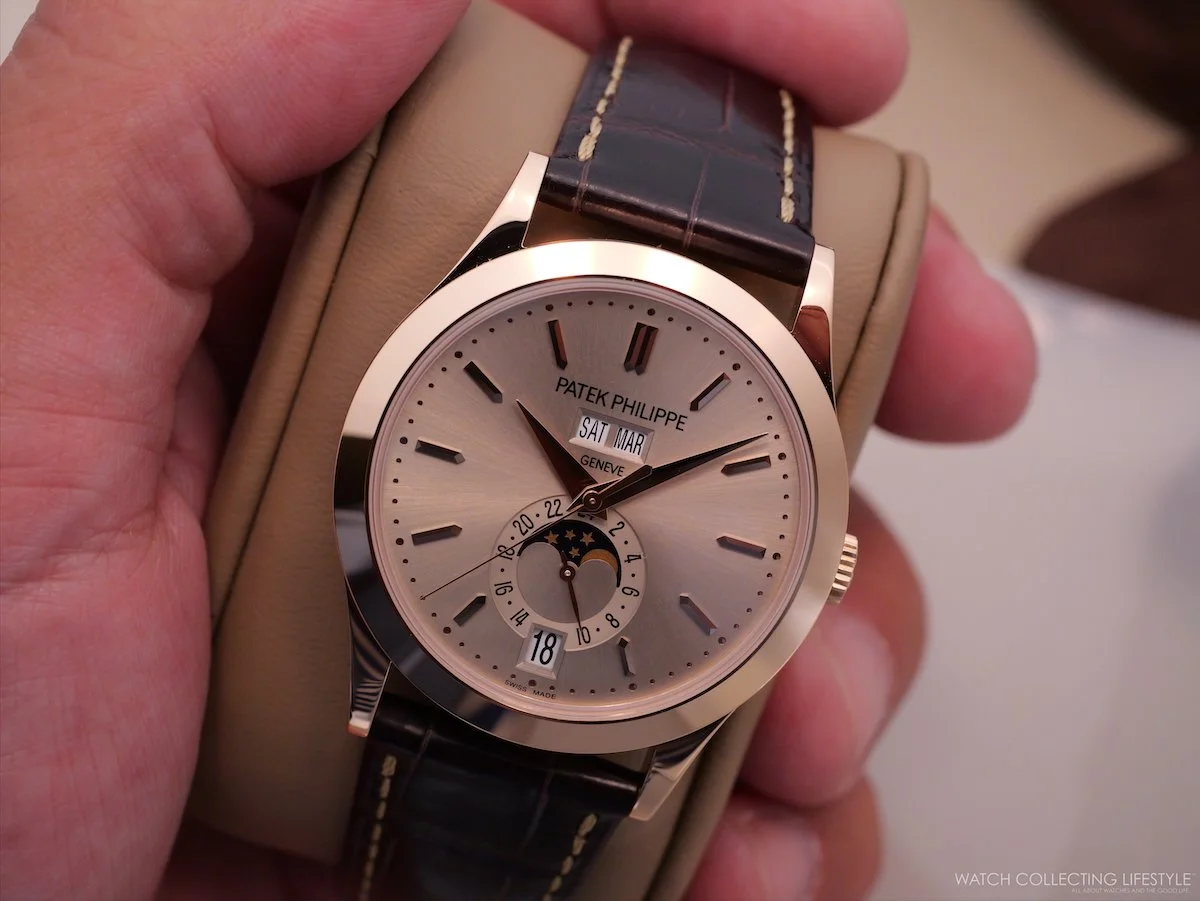
The 5396R-016 arrives for Watches and Wonders Geneva 2026 in 18K rose gold with a sunburst sand beige dial, a combination that leans warmly tonal and unambiguously traditional. For collectors who find the perpetual calendar an overcorrection for a mechanism that only requires one annual reset anyway, the 5396 remains the strongest argument for the annual calendar format.
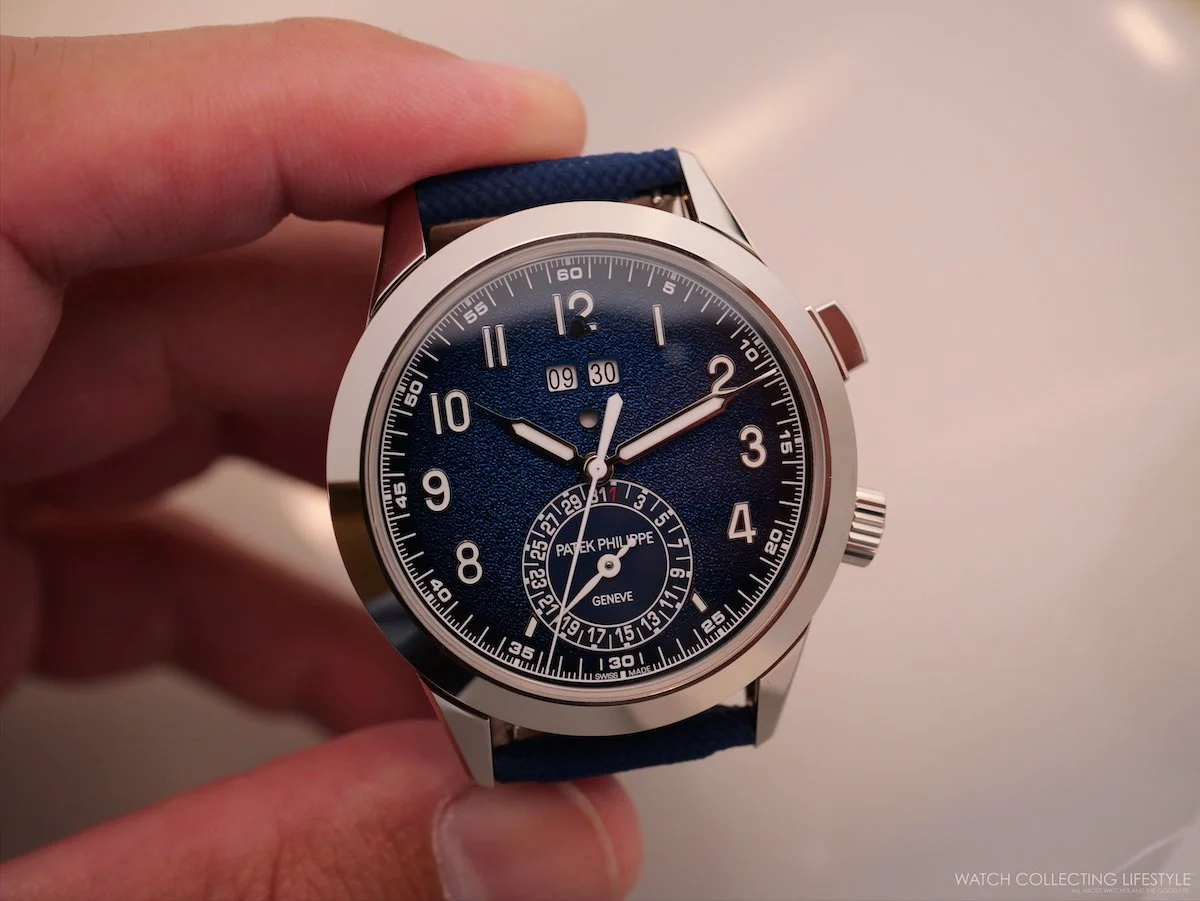
Patek Philippe has always treated the alarm complication with the same seriousness it applies to repeaters and perpetual calendars. This position is reinforced at Watches and Wonders Geneva 2026 with the introduction of the new Calatrava 24-hour Alarm ref. 5322G, a new Grand Complication built around a 24-hour alarm that chimes via a single hammer striking a classic gong.
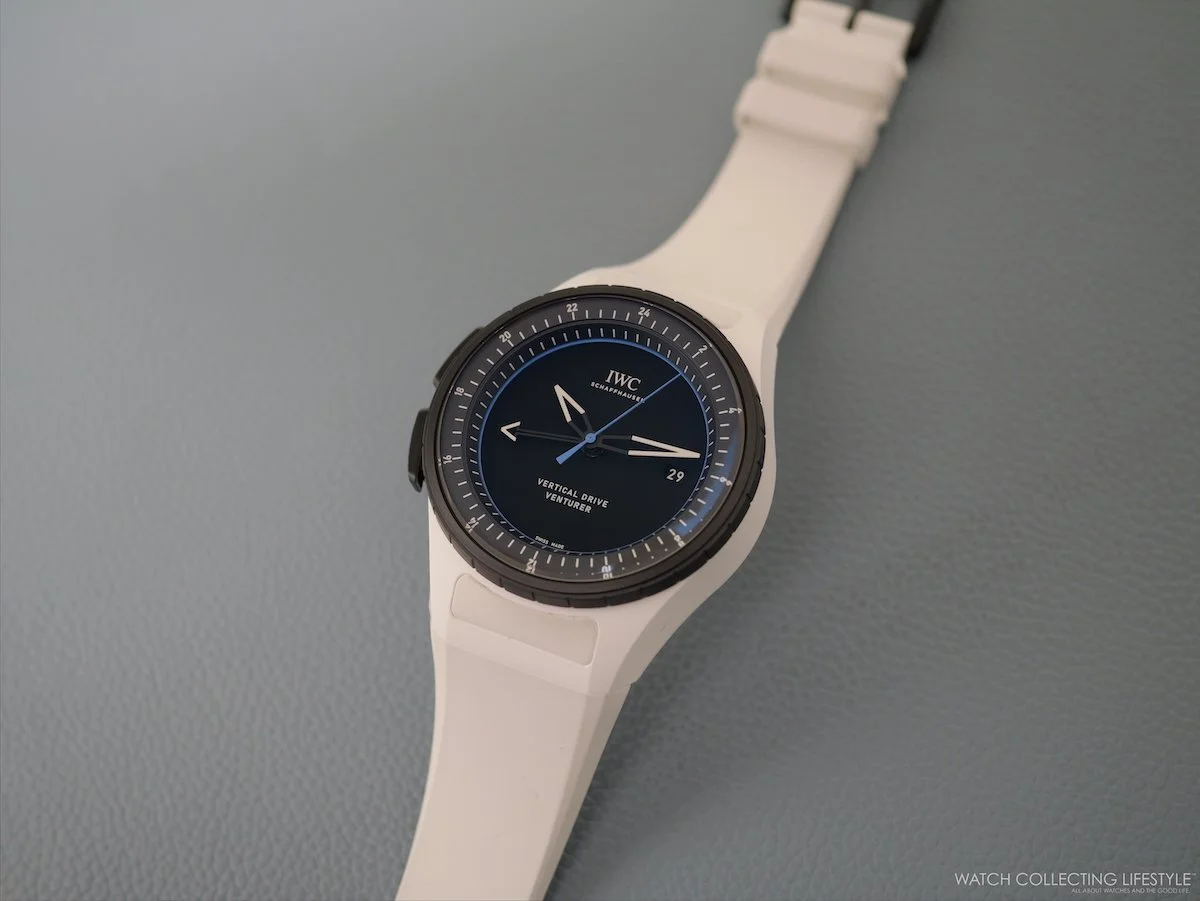
IWC has spent ninety years building watches for aviation. Pilot's watches—purpose-built, legible, robust— are among the most consistent expressions of the brand's identity. The new Pilot's Venturer Vertical Drive presented at Watches and Wonders Geneva 2026 does not extend that tradition so much as it uses it as a launch point for something categorically different.
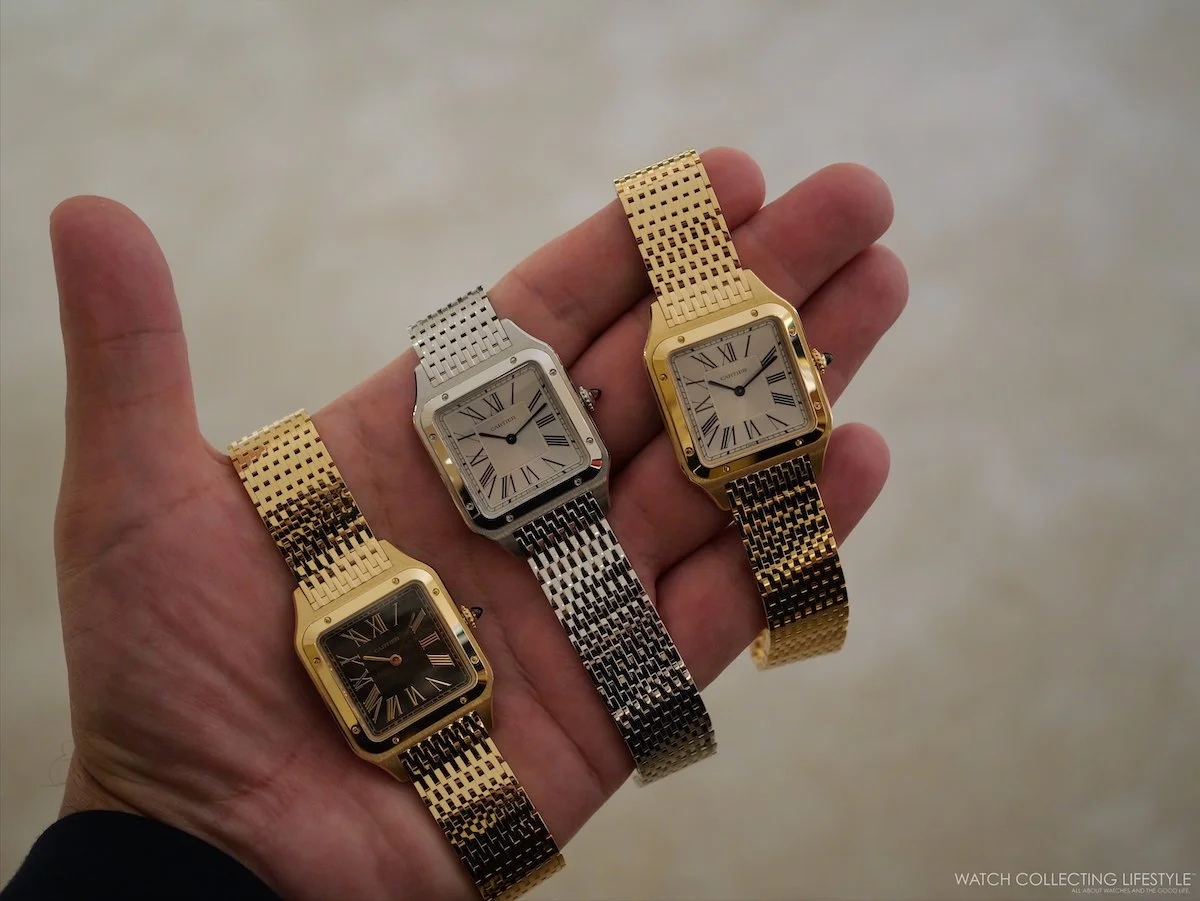
The Santos-Dumont has always lived at the elegant end of the Cartier canon, dressier than the Santos de Cartier, closer in spirit to the original 1904 commission for aviator Alberto Santos-Dumont. Until now, it has been primarily a strap watch. For Watches and Wonders 2026, Cartier introduces three Large Model Santos-Dumont references fitted with a new metal bracelet.
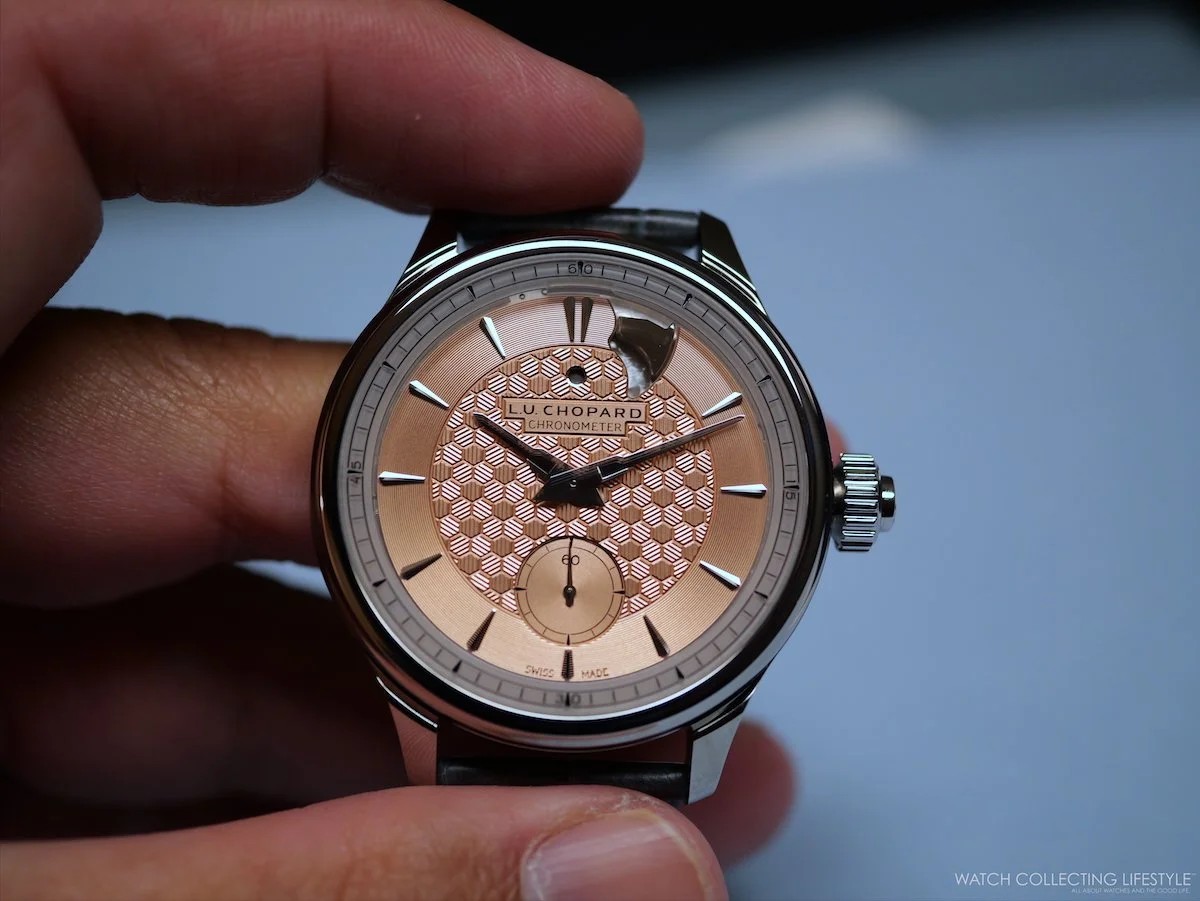
Chopard first introduced its chime-in-passing complication in previous precious-metal configurations several years ago. The L.U.C Strike One Titanium changes the conversation: the same Poinçon de Genève-certified movement, the same patented monobloc sapphire gong system, now housed in a Grade 5 titanium case that weighs almost nothing and costs considerably less.
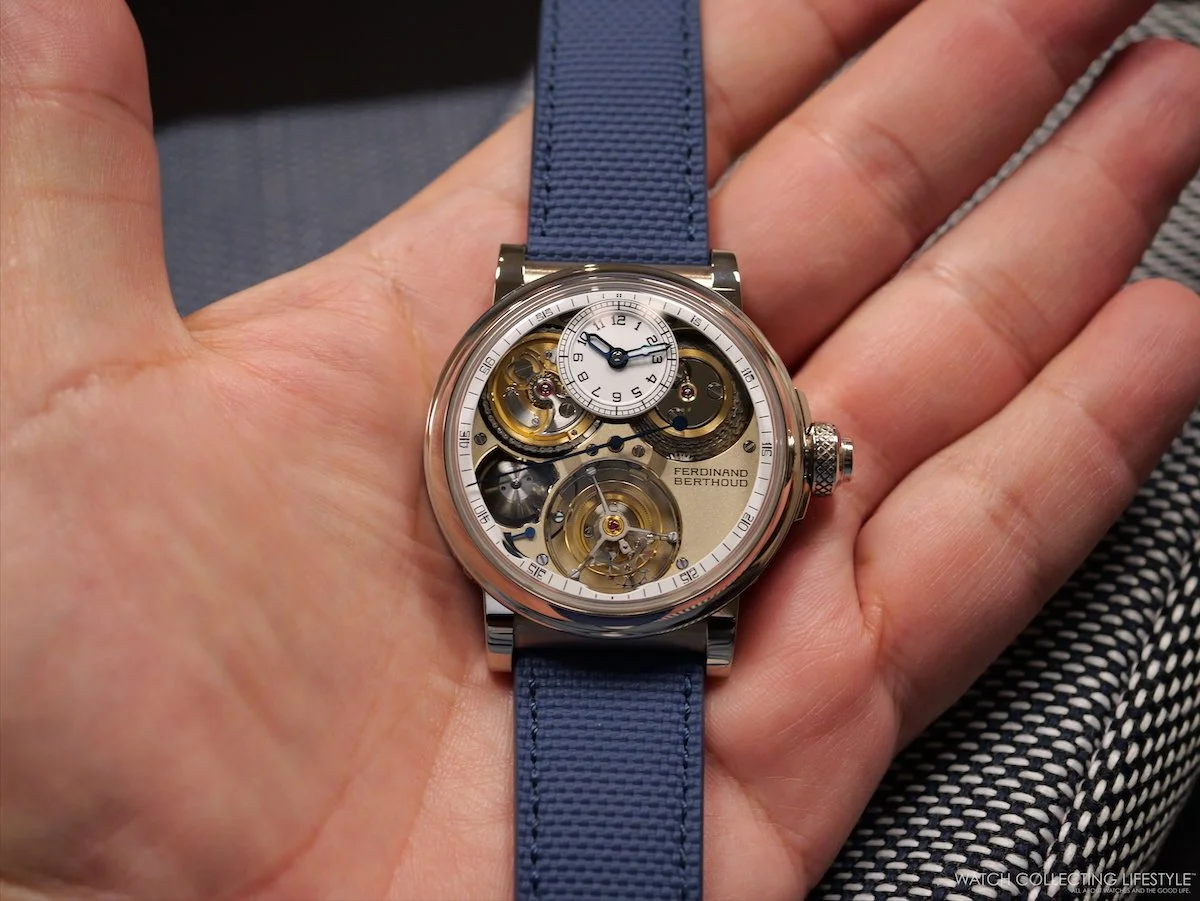
For a decade now, Chronométrie Ferdinand Berthoud has built its reputation on a deliberate paradox: movements of extraordinary complexity visible only through the case back, partially through the dial, and via portholes on the caseband. A way in which the beauty of the movement remains somewhat mysterious and reserved for the wearer.