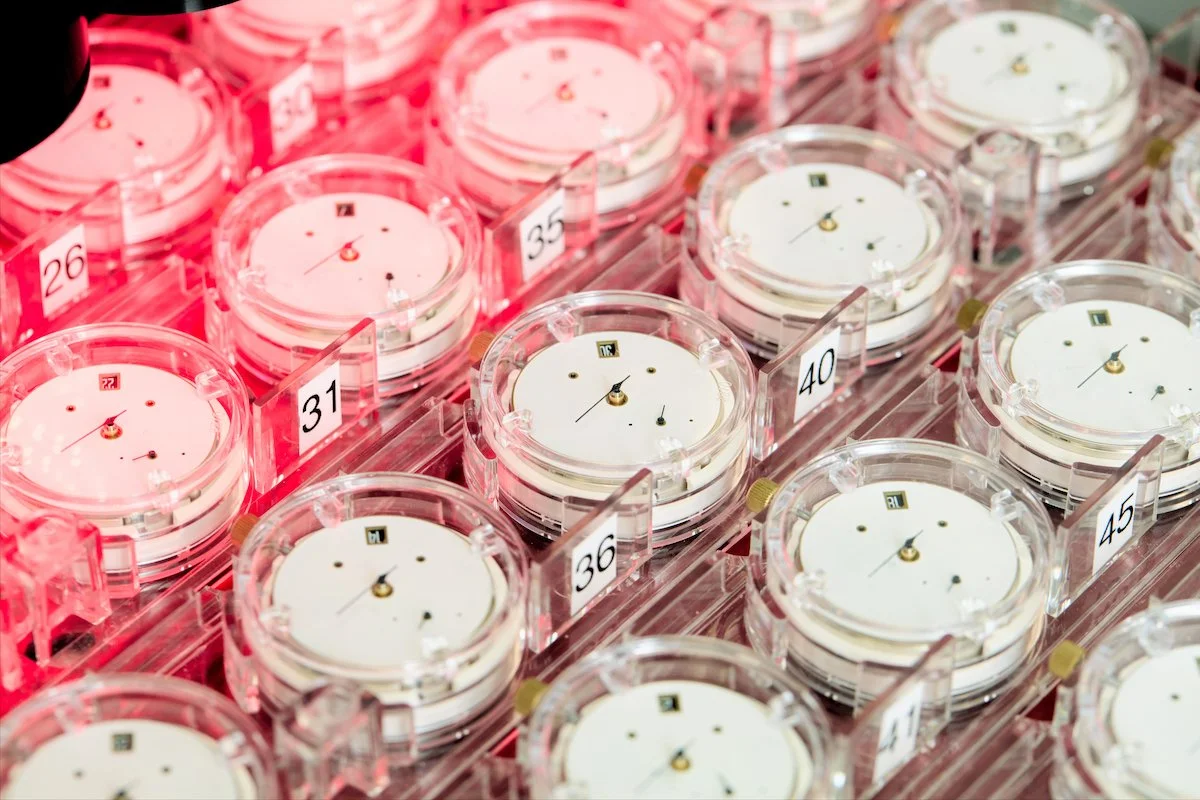
For over half a century, the COSC chronometer certification has served as Swiss watchmaking's most widely recognized quality benchmark. Millions of movements have passed through the laboratories in La Chaux-de-Fonds, Le Locle, and Bienne, emerging with a certificate that confirms one thing: this movement keeps time within the parameters defined by ISO 3159. It is a standard that has remained essentially unchanged since 1973—an eternity in an industry that otherwise never tires of invoking the word "innovation."
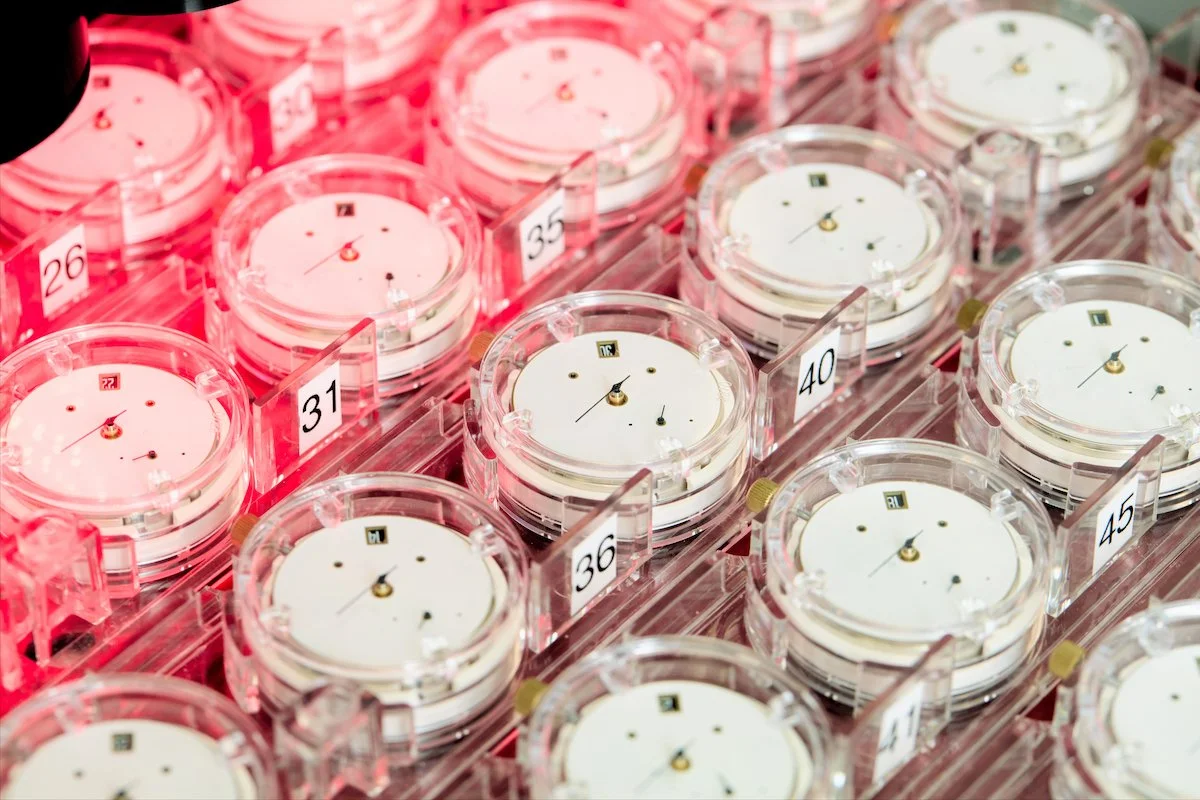
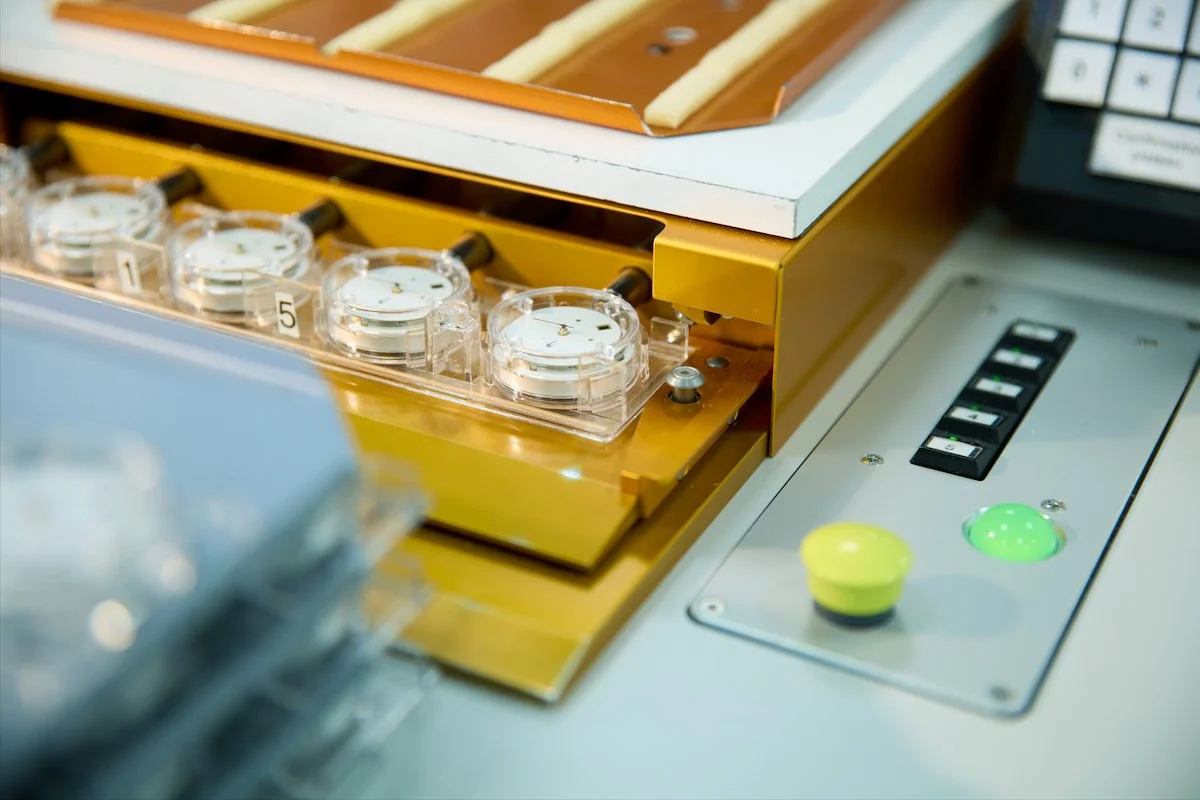
Today, on the 50th anniversary of that ISO standard, the COSC announces a second tier of certification: the Excellence Chronometer. Where the existing standard tests uncased movements over fifteen days and permits a daily rate deviation of -4/+6 seconds, the new certification adds five days of testing on the complete watch, tightens the tolerance to -2/+4 seconds per day, introduces a 200 Gauss magnetic resistance requirement, and verifies the manufacturer's stated power reserve. Testing is conducted using a robot that simulates real-world wrist wear—a semi-dynamic protocol that moves beyond static positional testing. On paper, the upgrade is welcome. In practice, the questions begin immediately.
The Magnetic Question
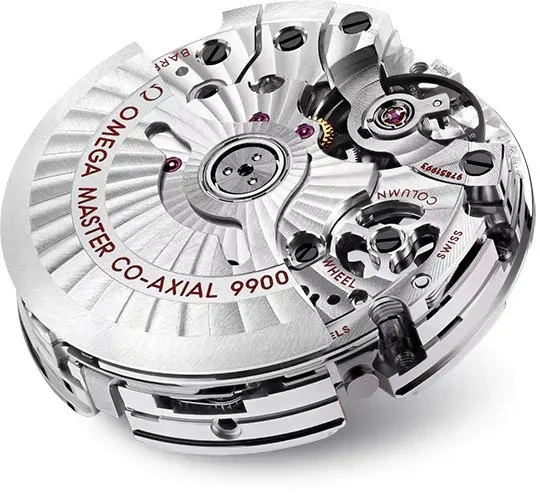
Two hundred Gauss is a meaningful step forward from a standard that previously had no magnetic resistance requirement at all. But context matters. Omega's METAS certification, introduced in 2015, already tests to 15,000 Gauss—a figure rooted in the realities of modern life, where smartphones, tablet covers, and magnetic clasps expose watches to fields that would have been exotic a generation ago. In 2026, 200 Gauss feels less like a forward-looking benchmark and more like a cautious concession—a threshold designed to be achievable by the widest possible range of manufacturers rather than one that reflects the electromagnetic landscape watches actually inhabit.
The COSC will argue, reasonably, that a universal standard must remain accessible to independents and smaller manufactures, not just vertically integrated groups with proprietary anti-magnetic materials. That argument has merit. But it also reveals the central tension: a standard calibrated for broad adoption inevitably sacrifices ambition.


The METAS Shadow
It is impossible to discuss the Excellence Chronometer without acknowledging that METAS has occupied this territory for over a decade. METAS tests finished watches, evaluates magnetic resistance at levels that dwarf the COSC's new threshold, verifies power reserve, and measures daily rate within a -0/+5 second window — all administered in partnership with the Swiss Federal Institute of Metrology.
The Excellence Chronometer arrives not as a pioneer but as an institution catching up. That is not inherently a criticism — universally available standards serve a different purpose than proprietary ones — but the COSC's press materials, rich with language about "setting the tempo" and "elevating precision," suggest an organization that wants to be seen as leading rather than following. The reality is more nuanced.

Who Climbs?
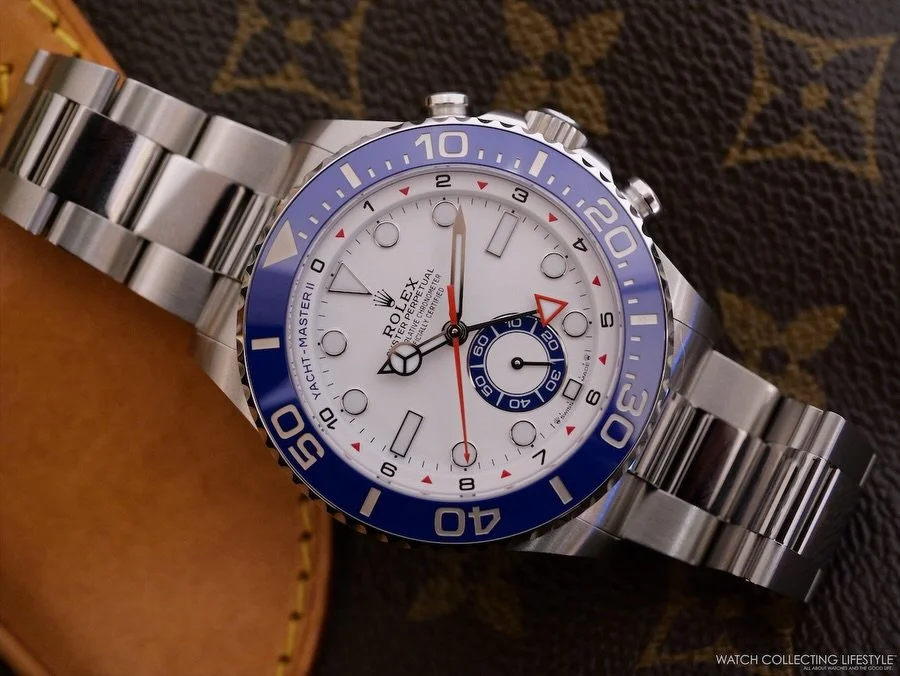
The practical question is which brands will pursue the new certification. Brands like Rolex, Omega, and Breitling—the three largest users of COSC—each have in-house testing protocols that already meet or exceed the Excellence Chronometer's parameters. For them, the additional certification may be redundant.
The real beneficiaries may be mid-range and independent brands that lack proprietary testing infrastructure. For a Longines, Tissot, or Frederique Constant, the Excellence Chronometer could provide a credible, third-party-verified quality claim that distinguishes their offerings. Whether these brands will absorb the additional cost—and whether consumers will pay for it—remains open.

The Verdict, for Now
The COSC deserves credit for doing what institutions of its stature rarely do: admitting that its existing standard, while still valid, no longer represents the ceiling of what Swiss watchmaking can deliver. The inclusion of power reserve verification and simulated wrist wear addresses real-world performance in a way the original ISO 3159 protocol never attempted. Pilot testing begins in March, a public presentation follows at Watches and Wonders in April, and deployment starts in October — a measured, deliberate rollout sensible for an institution whose credibility depends on procedural rigor.
But "better than before" is not the same as "best available." At 200 Gauss, the magnetic resistance threshold invites immediate comparison with standards operating at orders of magnitude above it. And arriving a full decade after METAS established the principle of cased-watch certification positions the COSC as a fast follower rather than the standard-setter its rhetoric suggests.
The COSC has opened a new chapter. Whether it has written a compelling one depends entirely on what follows.
More info on COSC, here.