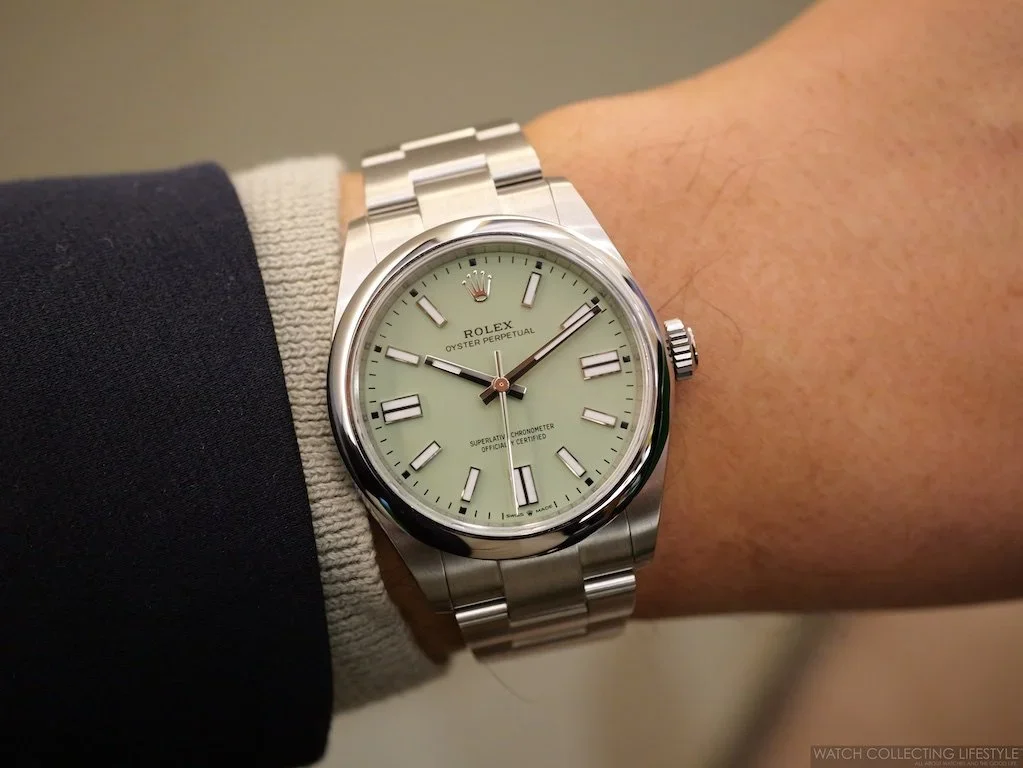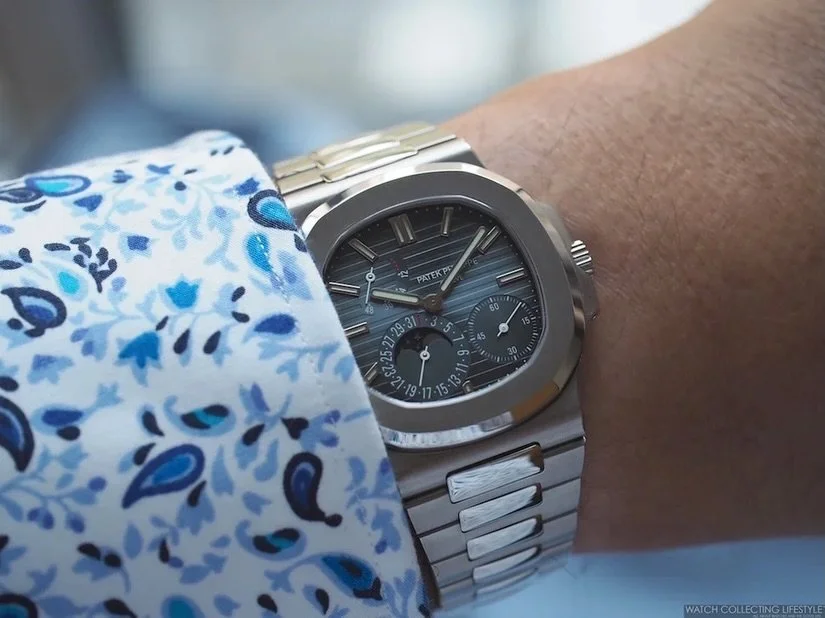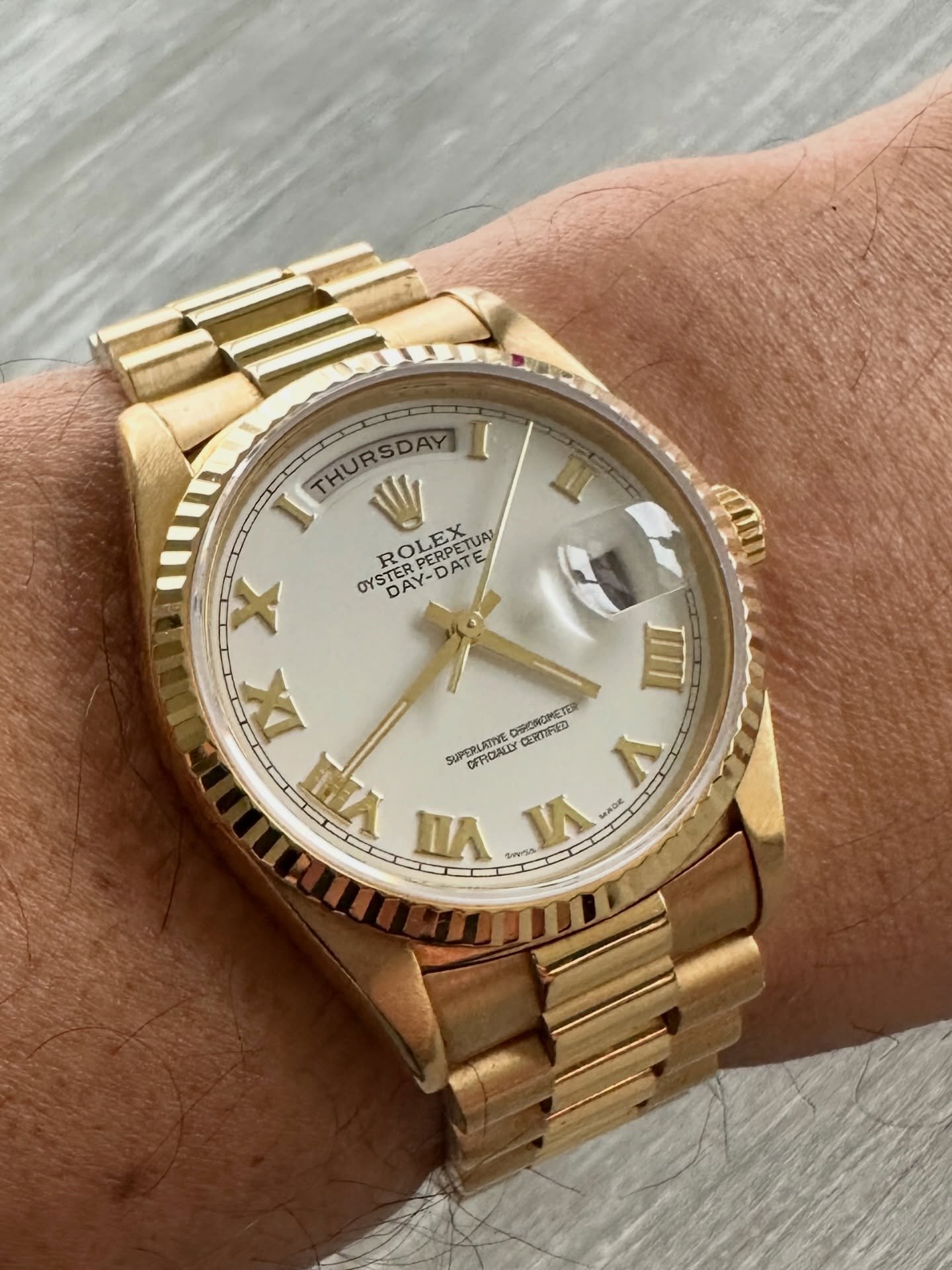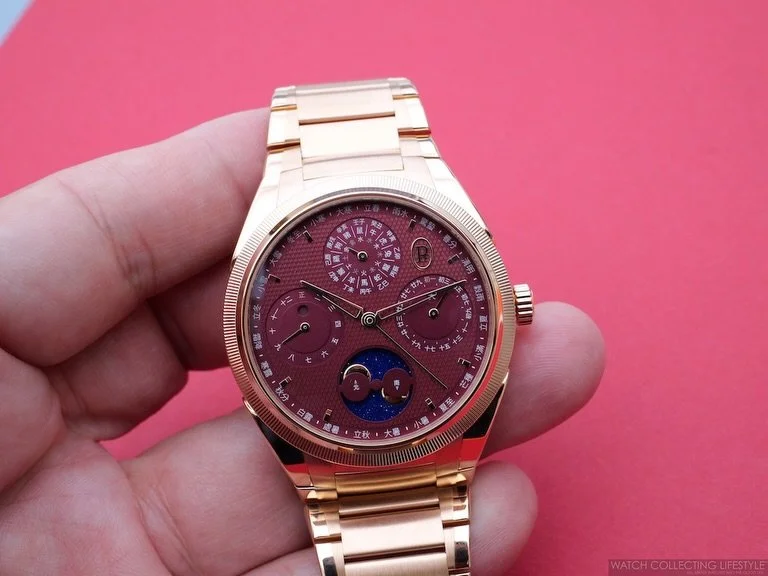
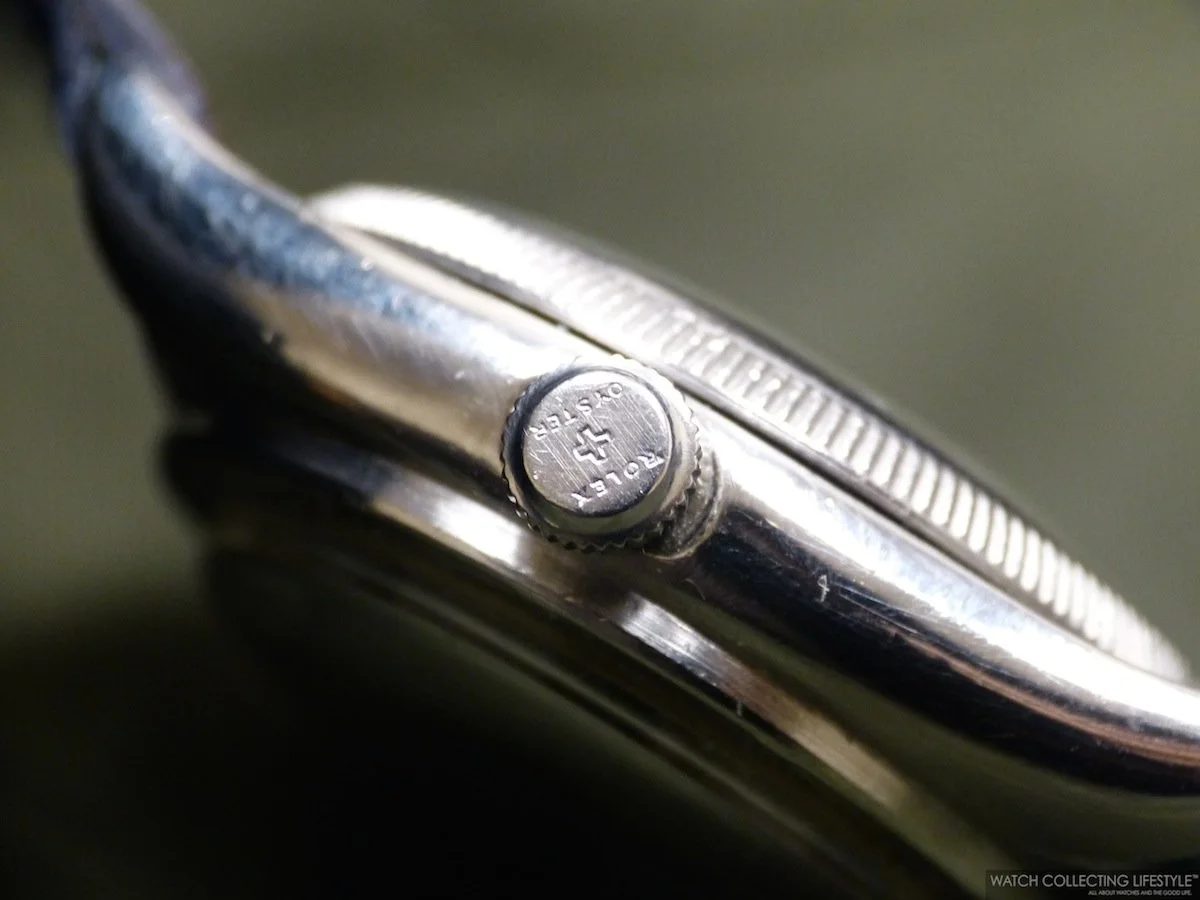
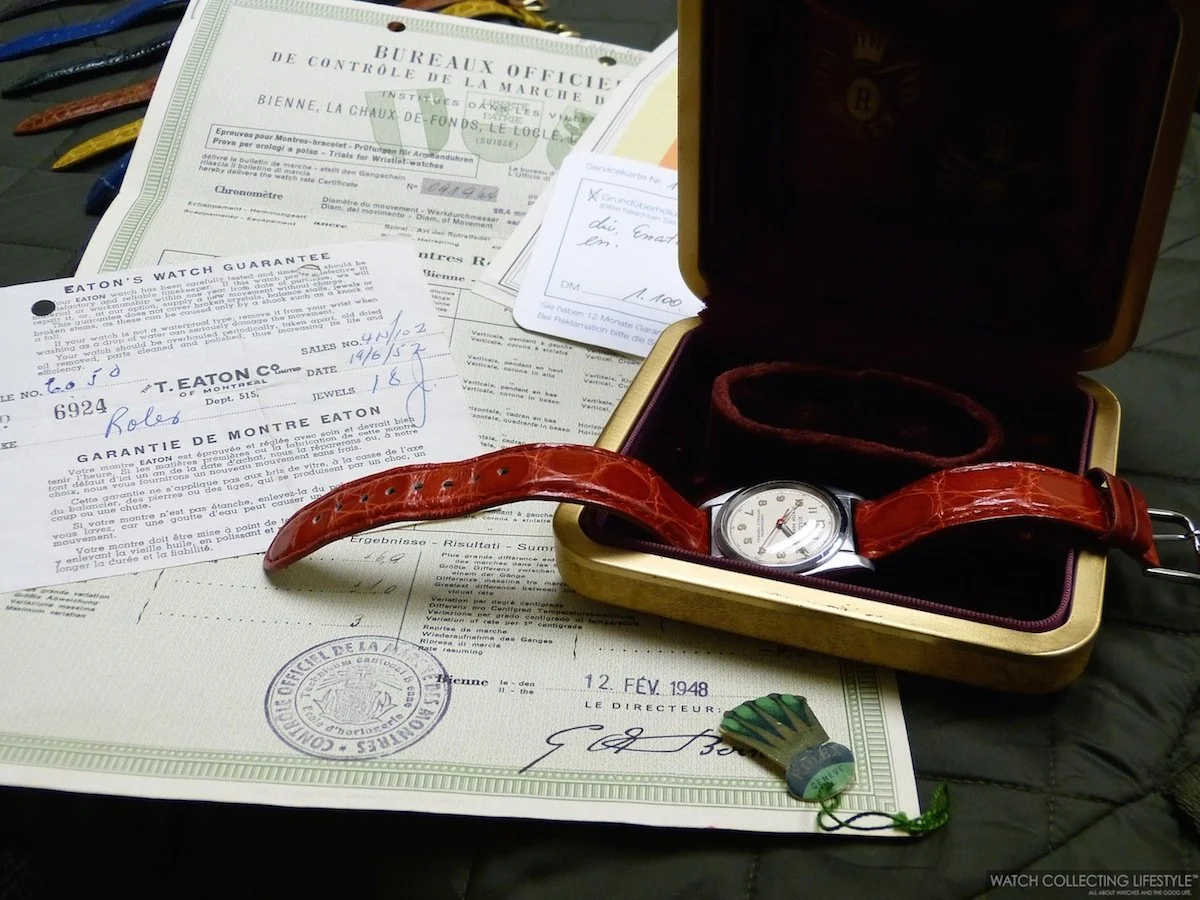
German-born Hans Wilsdorf founded Rolex in 1908. Since then, Rolex has gifted the world countless invaluable timepieces. In 1926, Rolex patented the screw-down crown, launching the Oyster model as the first waterproof watch.
The Rolex Oyster turns 100 in 2026—a milestone that would, at most brands, trigger commemorative editions, special casebacks, and marketing fanfare. For Rolex, January 1st brought something different: a 7% average price increase across its lineup, the third such adjustment in 12 months. If you're searching for signals about what Rolex will deliver this year, the pricing tells you more than any anniversary press release ever could.
Signal One: Rolex Doesn't Do Its Own Anniversaries
Industry observers noting the Oyster centenary should remember what Rolex ignored in recent years. The GMT-Master's 70th anniversary in 2024 went unnoticed. The Datejust's 80th in 2025 earned no special edition—unless we consider the Land-Dweller release as such. When the Submariner turned 70 in 2023, Rolex made a minor bezel hue adjustment without even issuing a press release.
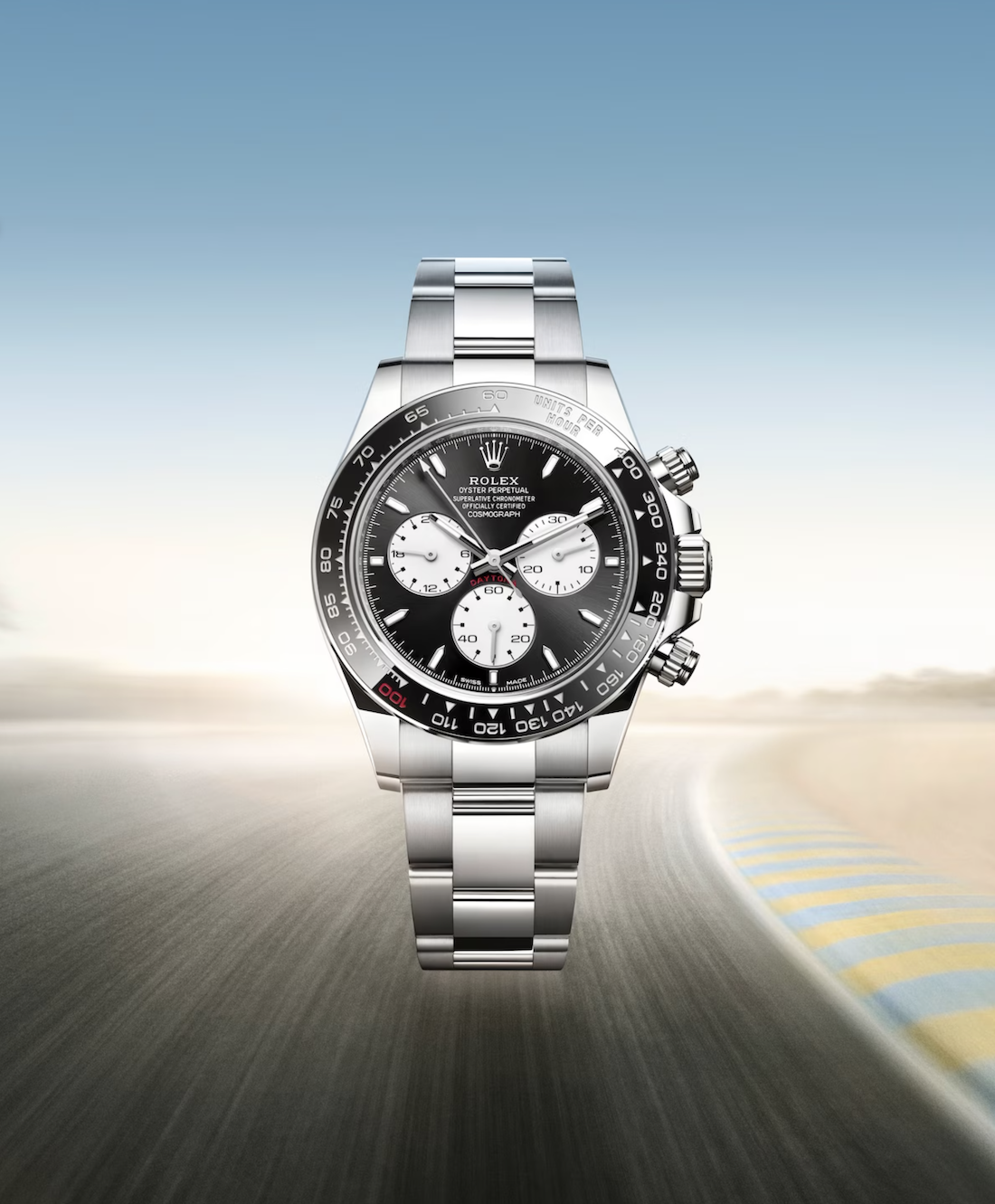
The most recent anniversary Rolex actually celebrated wasn't its own; it was the 100th running of the 24 Hours of Le Mans in 2023, which produced the white gold Cosmograph Daytona 100th Anniversary 24 Hours of Le Mans ref. 126529LN with its 24-hour chronograph register and the ‘100’ marker on the bezel in red.
Rolex has repeatedly stated, through industry sources, that it "resists using anniversaries as justification for new watches." The brand's website doesn't even mention that the green-bezel Submariner began as an anniversary model. This pattern is deliberate doctrine, not oversight.
Signal Two: Pricing Is the Strategy
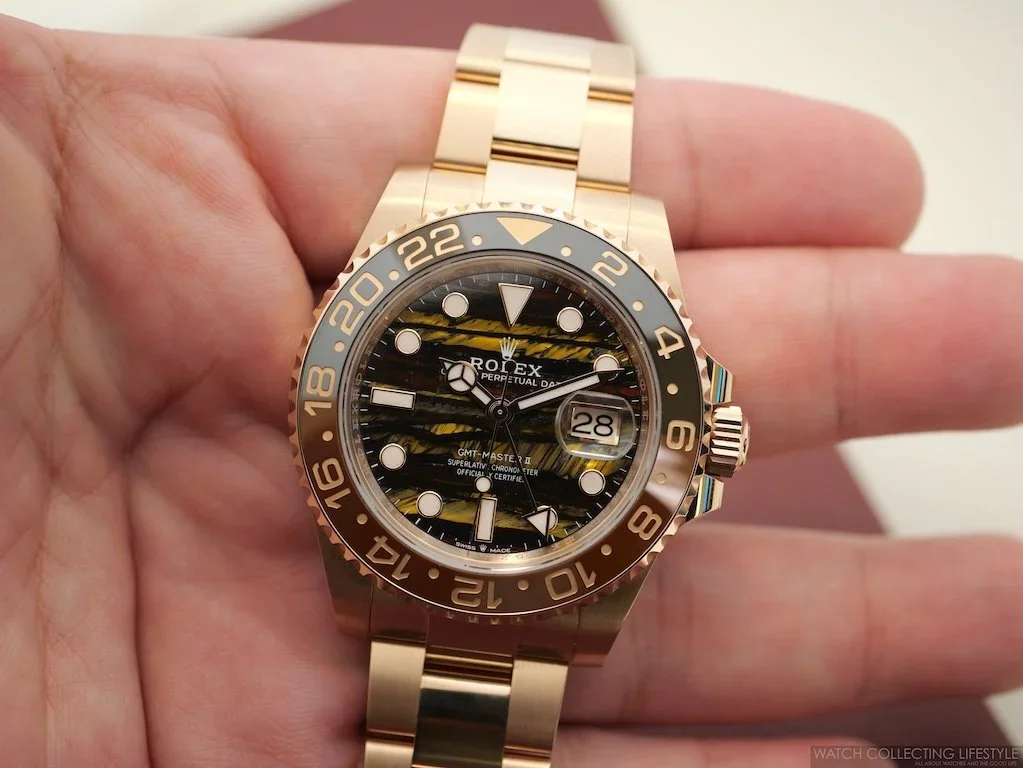
January 2026's price adjustments reveal Rolex's actual positioning strategy. Steel models climbed 5-6%, with the Submariner (No Date) moving from USD 9,500 to USD 10,050 and the GMT-Master II jumping from USD 11,300 to USD 12,000. Gold references absorbed 8-9% increases, driven mostly by record all-time high gold prices—today at USD 5,130 per ounce—and strategic brand elevation.
The white gold Daytona rose from USD 51,800 to USD 56,400—a USD 4,600 jump that reflects confidence in sustained demand, regardless of accessibility. These aren't reactive adjustments to material costs. Steel prices haven't surged. Manufacturing hasn't changed materially. This is calculated scarcity management through pricing rather than product proliferation. Still, scarcity is managed at the boutique and authorized-dealer levels.
Signal Three: The Explorer II Anomaly—and Its Own Anniversary
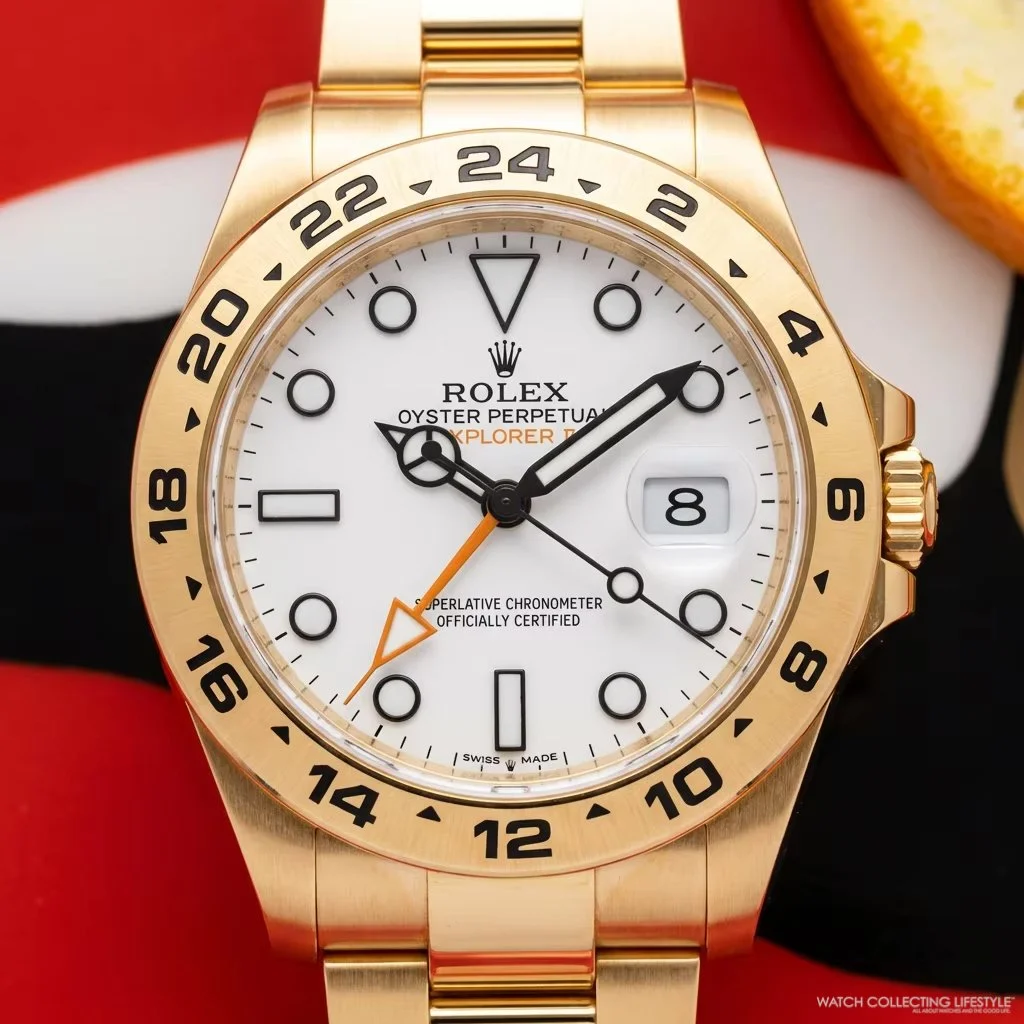
Among Rolex's professional collection, one glaring gap persists: the Explorer II remains the only tool watch unavailable in Rolesor (two-tone) or precious metals. Only the Explorer 36 ref. 124273, released in 2021, is available in a Rolesor combination of oystersteel and 18K yellow gold.
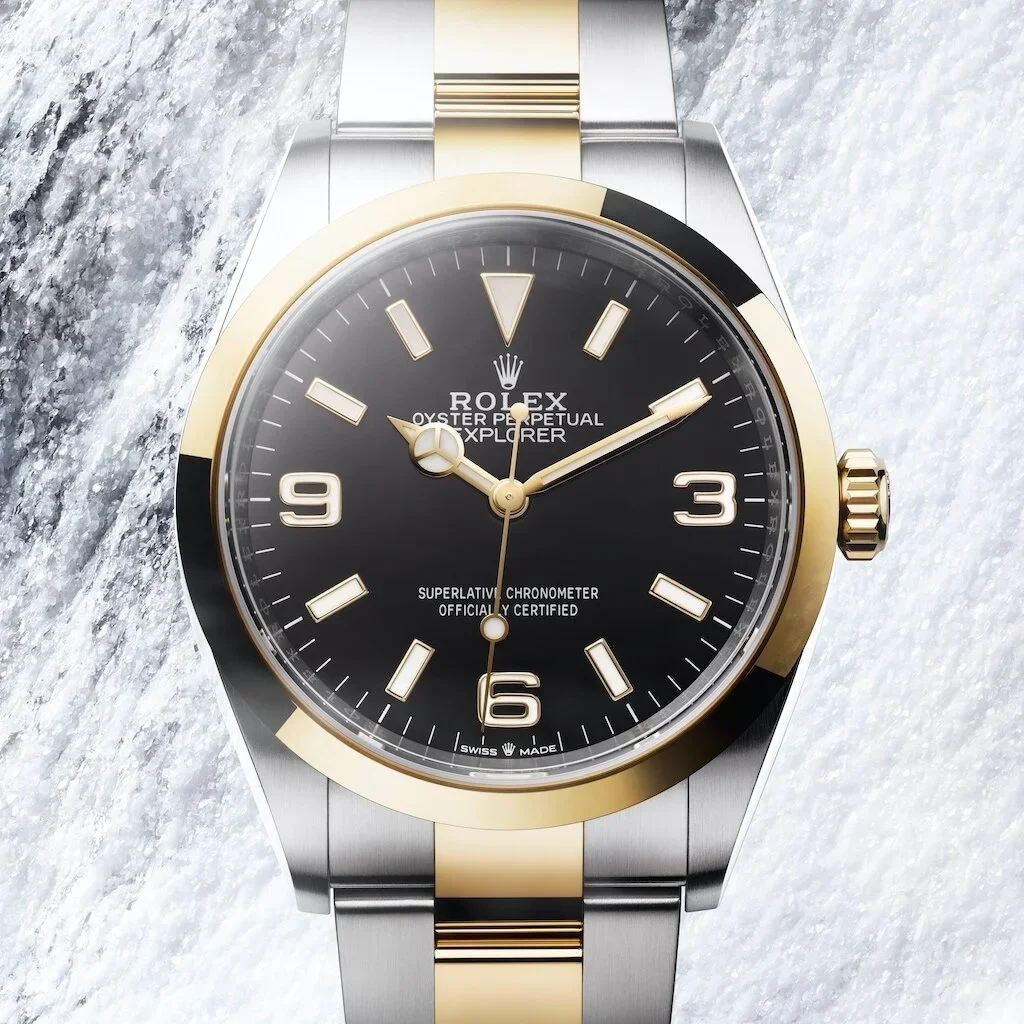
The Submariner offers stainless steel, Rolesor, and full gold combinations. The GMT-Master II is available in steel, Rolesor, and various gold variations, including Everose, white gold, and yellow gold. The Daytona exists in all metals—except titanium—, including platinum. The Yacht-Master is available across all metals, including titanium. Even the Sea-Dweller now offers two-tone variants, and the Deepsea is available even in full yellow gold. Yet the Explorer II—launched in 1971 and now marking its own 55th anniversary in 2026—remains exclusively in stainless steel. Just imagine what that would look like in a Rolesor or full gold variant, extremely good looking in our opinion.
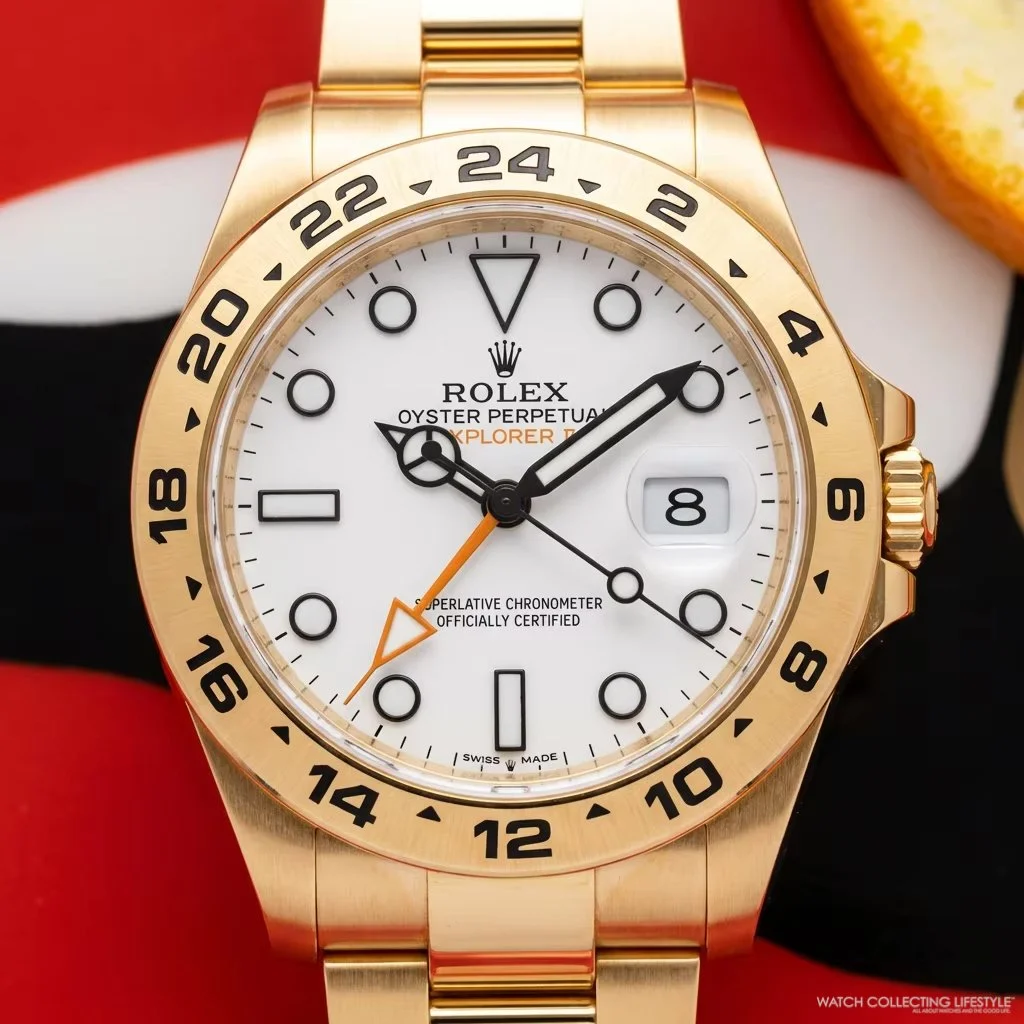
Below is WCL’s visualization of what the Explorer II in 18K Yellow Gold or in Rolesor would look like, to complete the professional collection's material matrix.
Disclaimer: We are in no way affiliated with Rolex SA, nor authorized by them to intervene in their products for any reason whatsoever, and these images are for entertainment purposes only. Rolex SA is the owner of all trademarks, patents, and original designs.
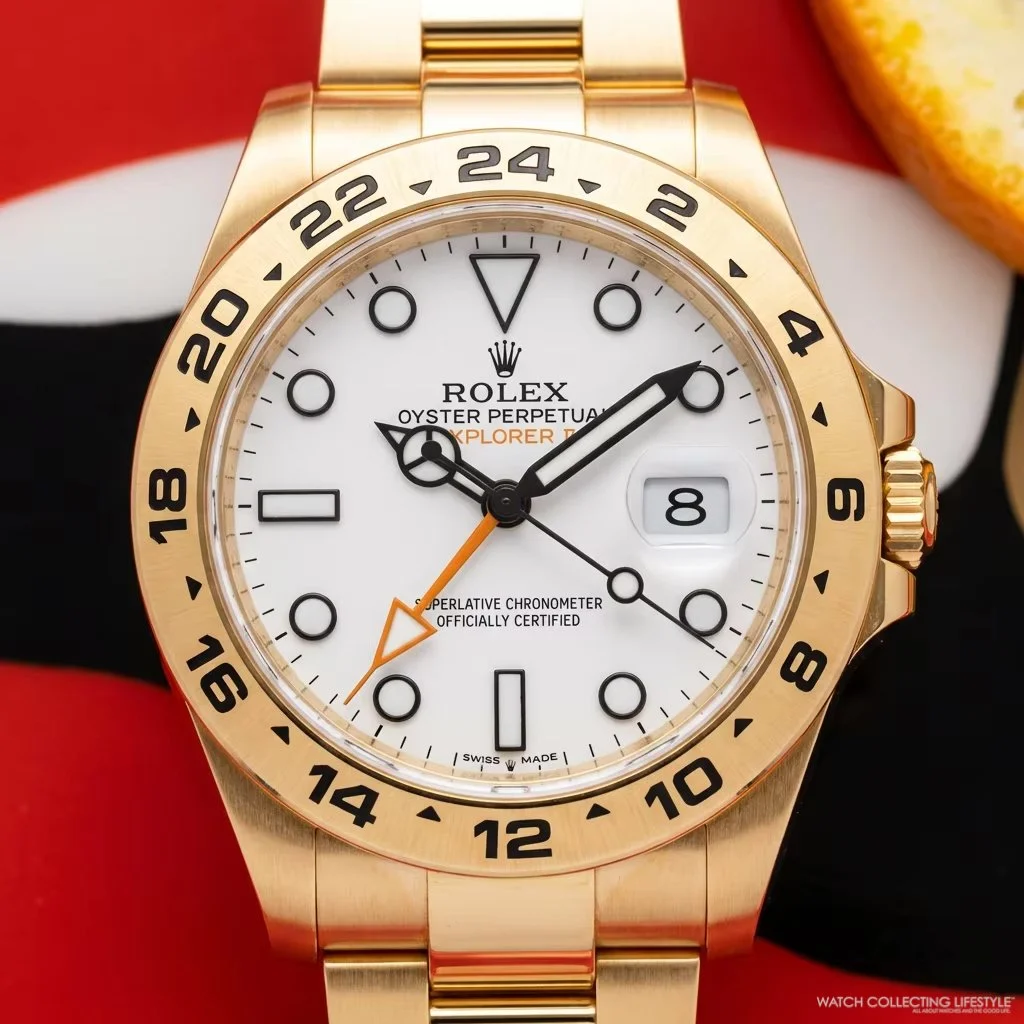
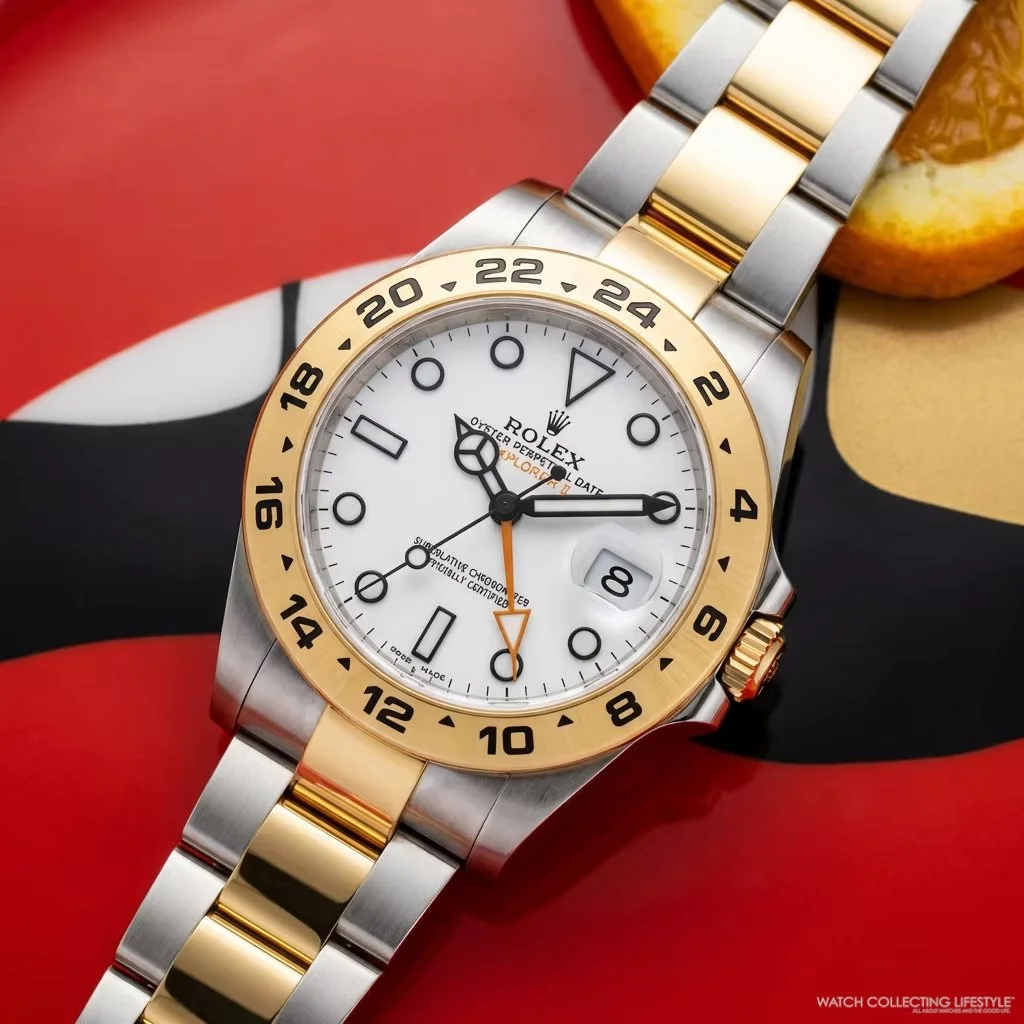
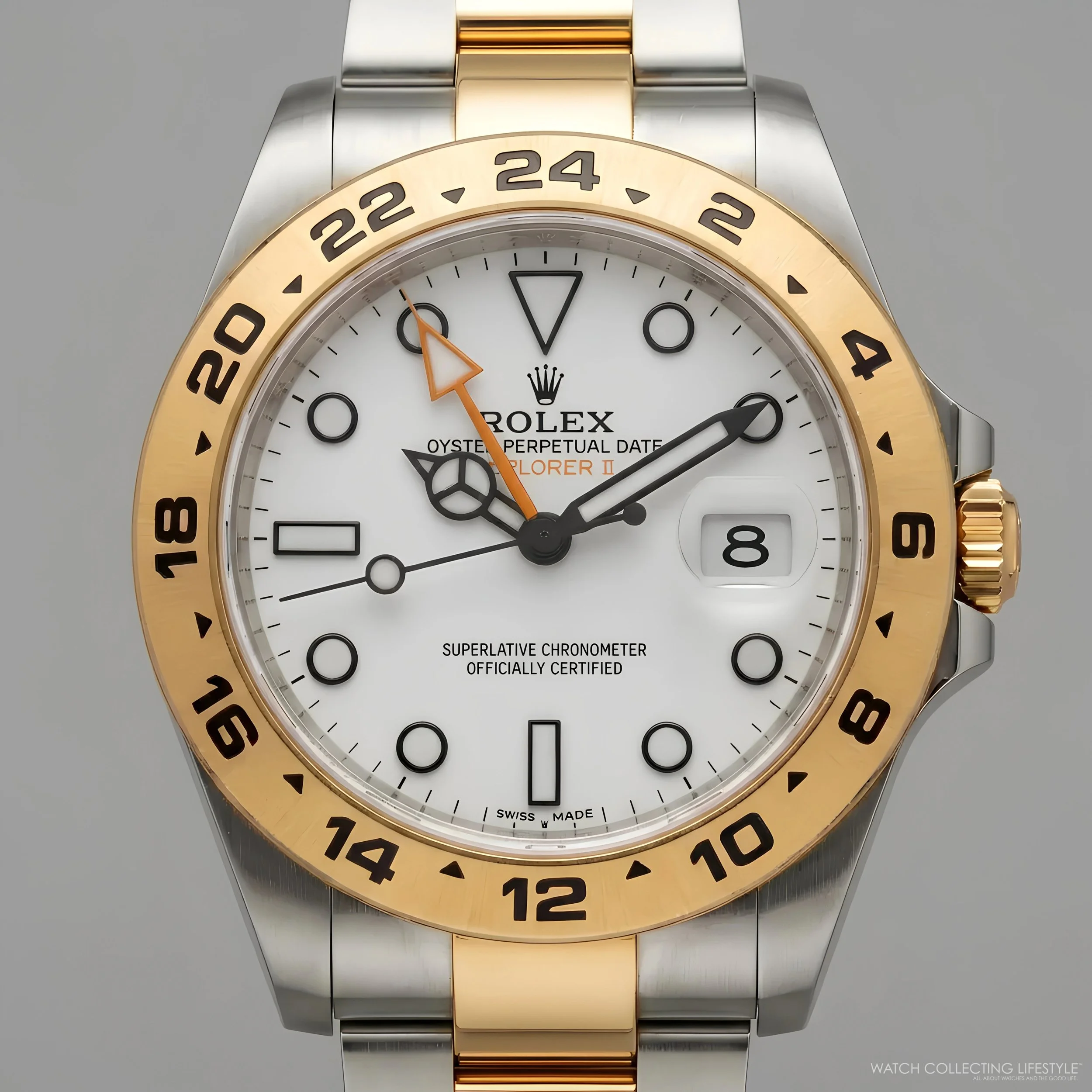
This dual milestone creates the perfect justification for material expansion. While Rolex resists celebrating its own brand anniversaries, individual collection milestones occasionally warrant acknowledgment when aligned with commercial strategy. The Explorer II's 42 mm case, fixed bezel, and cave-explorer heritage make it Rolex's most utilitarian professional watch, but utility hasn't stopped the brand from offering gold Submariners or gem-set Daytonas.
For a brand aggressively pushing precious metal pricing across its sports lineup while simultaneously navigating two significant 2026 anniversaries—the Oyster case centenary and Explorer II's 55th—addressing this product gap with an 18K yellow gold Explorer II accomplishes multiple objectives: honors both milestones, creates margin-rich inventory without disrupting steel allocation, and completes the professional collection's material matrix. The timing has never been more strategic.
What Watches and Wonders 2026 Will Likely Bring
Evolutionary refinements rather than commemorative spectacle. An 18K yellow gold and a Rolesor Explorer II would address the professional collection's only material gap. Continued Land-Dweller expansion following the very successful 2025 launch. New dial colorways across core sports models. Subtle Oyster centenary acknowledgment through brand storytelling at Watches and Wonders, possibly commemorative casebacks on select references. And perhaps even more improvements to the already-perfect Twinlock and Triplock screw-down crowns to continue maximizing waterproofing.
What Won't Appear
Accessible anniversary editions in steel. Special commemorative bezels or dials celebrating 100 years. Limited production runs that compromise brand discipline. Nostalgia-driven reissues. The centenary won't justify product strategy changes—Rolex's January pricing already delivered its anniversary statement.