In 35 years of watch collecting, I've watched haute horlogerie's relationship with materials evolve from conservative use of gold and stainless steel to adventurous explorations of tantalum, silver, platinum, ceramics, and proprietary metal alloys. Yet titanium remains systematically undervalued despite offering compelling advantages for complicated watchmaking. The prejudice stems from outdated assumptions: collectors reflexively associate precious metals with precious complications, treating gold and platinum as essential markers of legitimacy. This creates market inefficiency where technically superior titanium executions exist but remain underappreciated because collectors believe haute horlogerie "should" be heavy.
The irony is profound. We celebrate watchmaking's technical progress in every dimension except the one impacting daily wearability. Titanium Grade 5 offers a strength-to-weight ratio nearly twice that of stainless steel while weighing 43% less. For high-complication watches where the movement's mass adds substantial weight, this translates to hours of additional comfort. These aren't marginal benefits—they transform complicated watches from occasional showpieces into genuinely wearable timepieces.
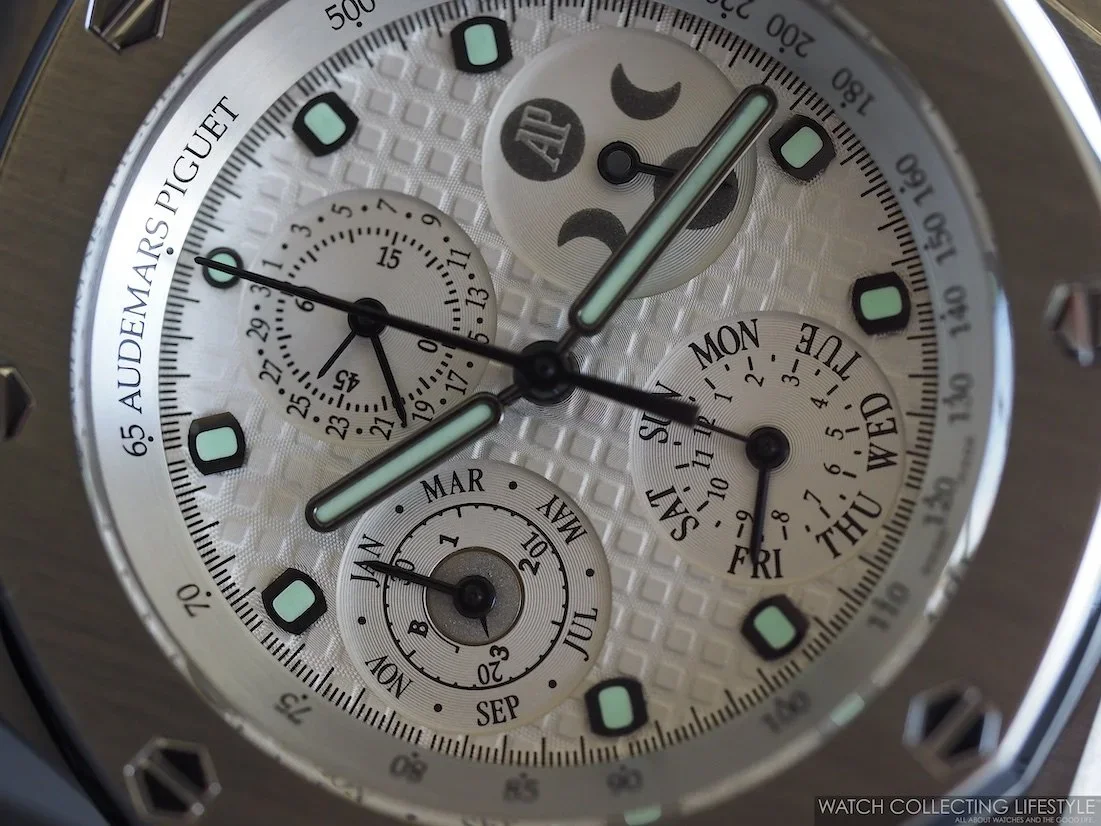
Let’s start with one of my all-time favorite watches: the Audemars Piguet Royal Oak Offshore Perpetual Calendar Chronograph reference 25854TI, which demonstrates titanium's potential in genuinely complex watchmaking. This discontinued reference is a Grand Complication that combines a perpetual calendar and a chronograph—two significant complications—in a 42 mm titanium case, which would be punishingly heavy in precious metal due to its diameter and 15.1 mm thickness.
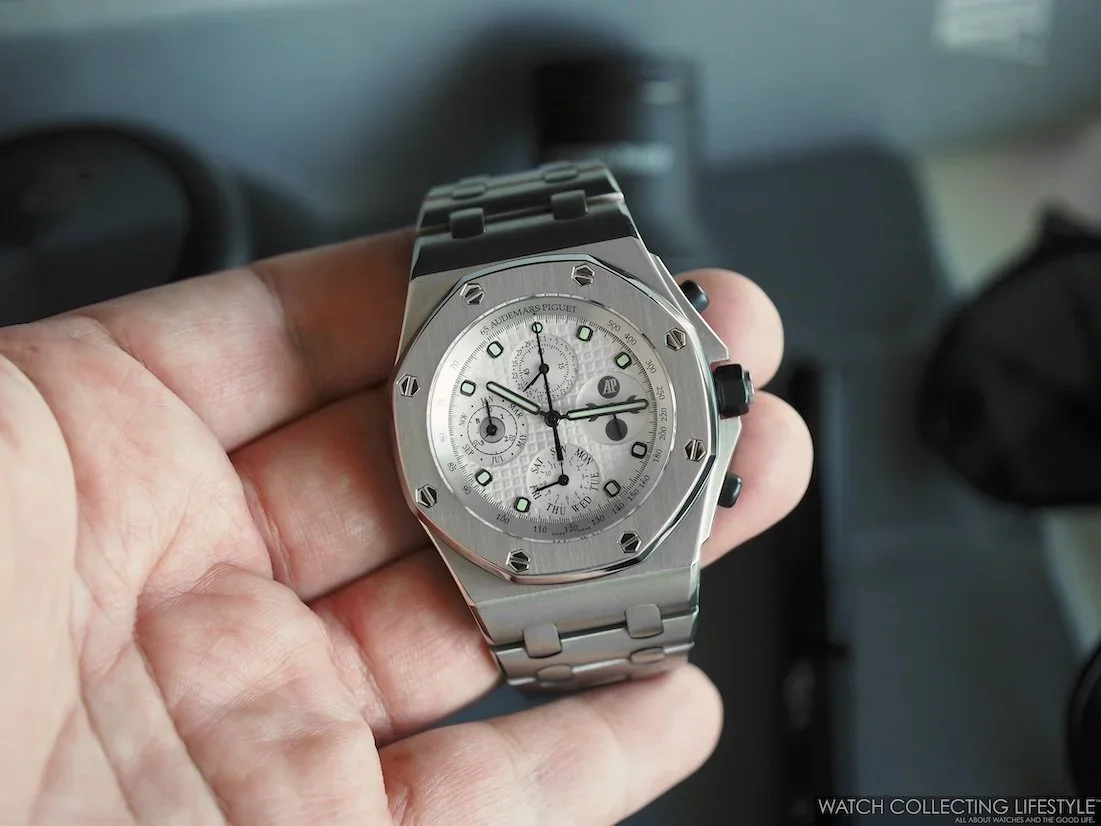
The watch is powered by a modular automatic movement with two Dubois Dépraz modules—one for the chronograph and one for the perpetual calendar—that sit on top of the Jaeger-LeCoultre base calibre 889, adding substantial weight through its cam system, levers, and jump mechanisms. The chronograph also introduces additional mass. Housing these complications in titanium rather than stainless steel or any precious metal transforms what could have been a showcase piece worn twice yearly into something I wore daily, 24/7, for six months straight. At a total weight of 171 grams, this reflects Audemars Piguet's early recognition that the most complex movements benefit most from weight reduction at a case level.
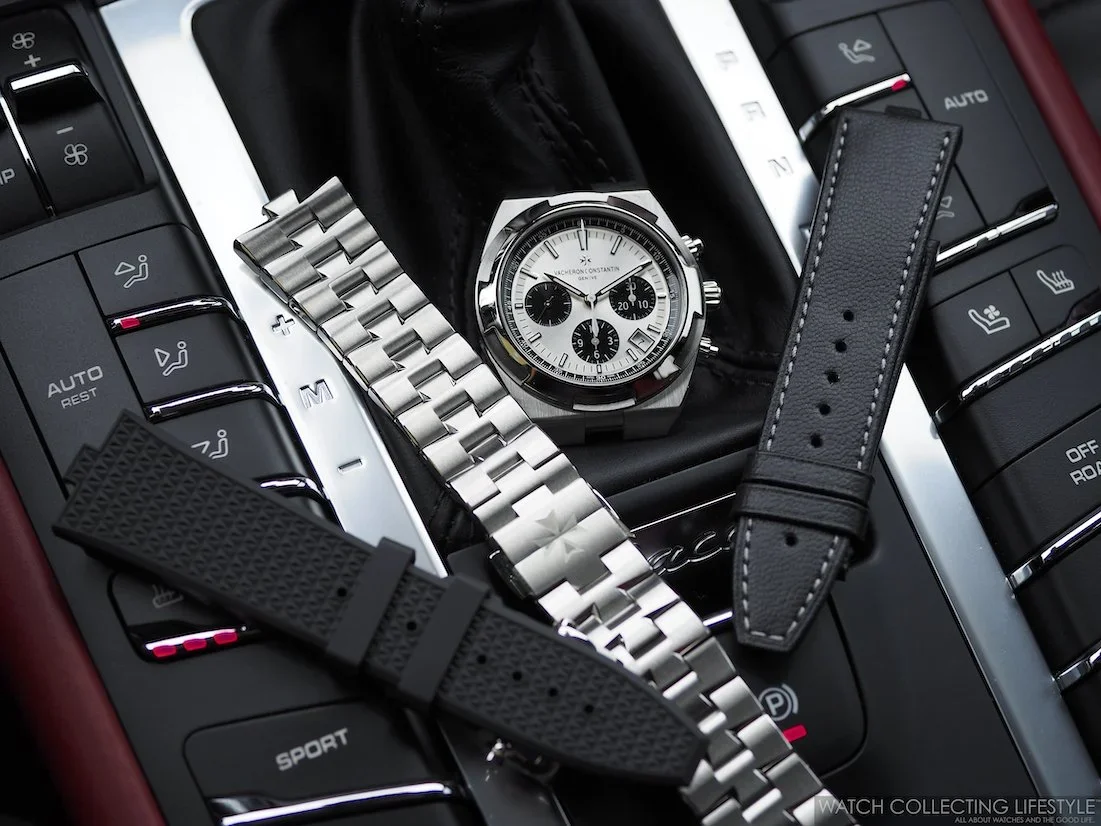
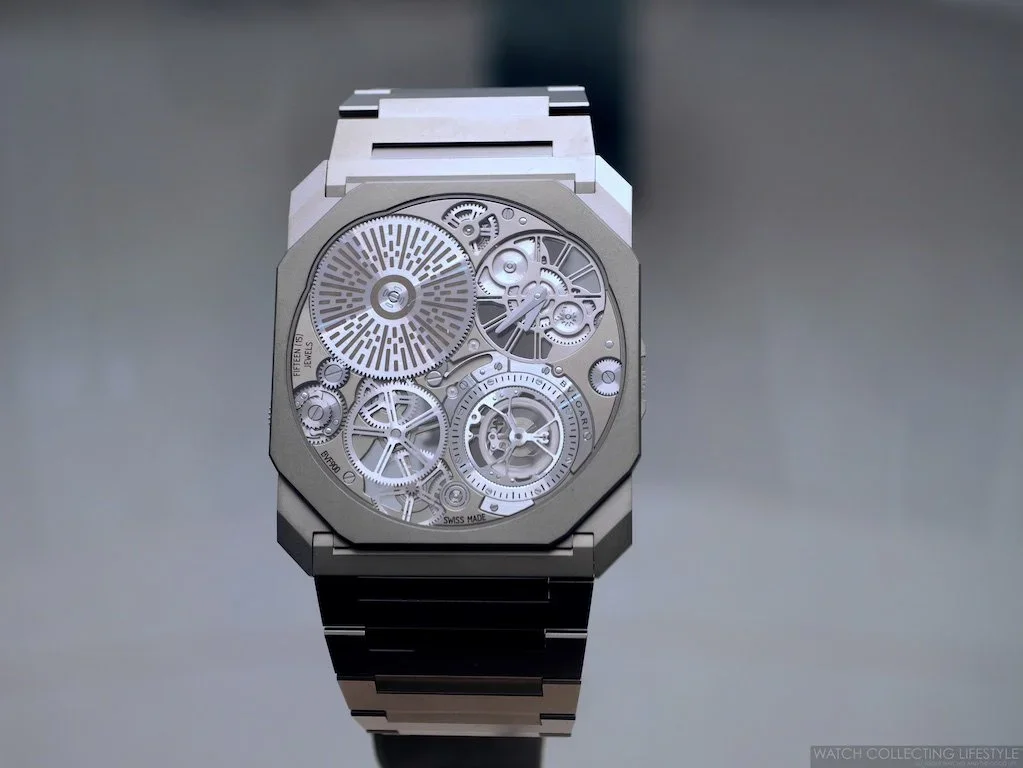
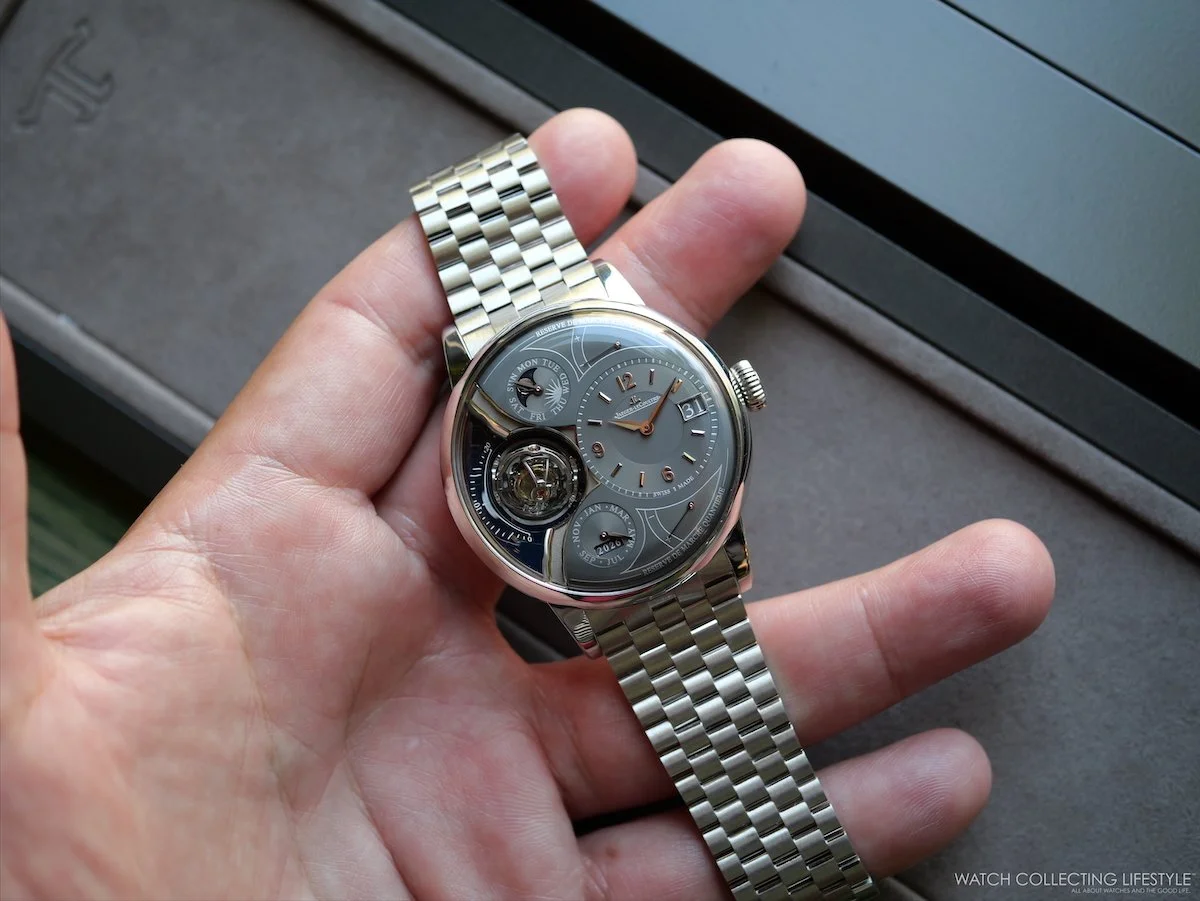
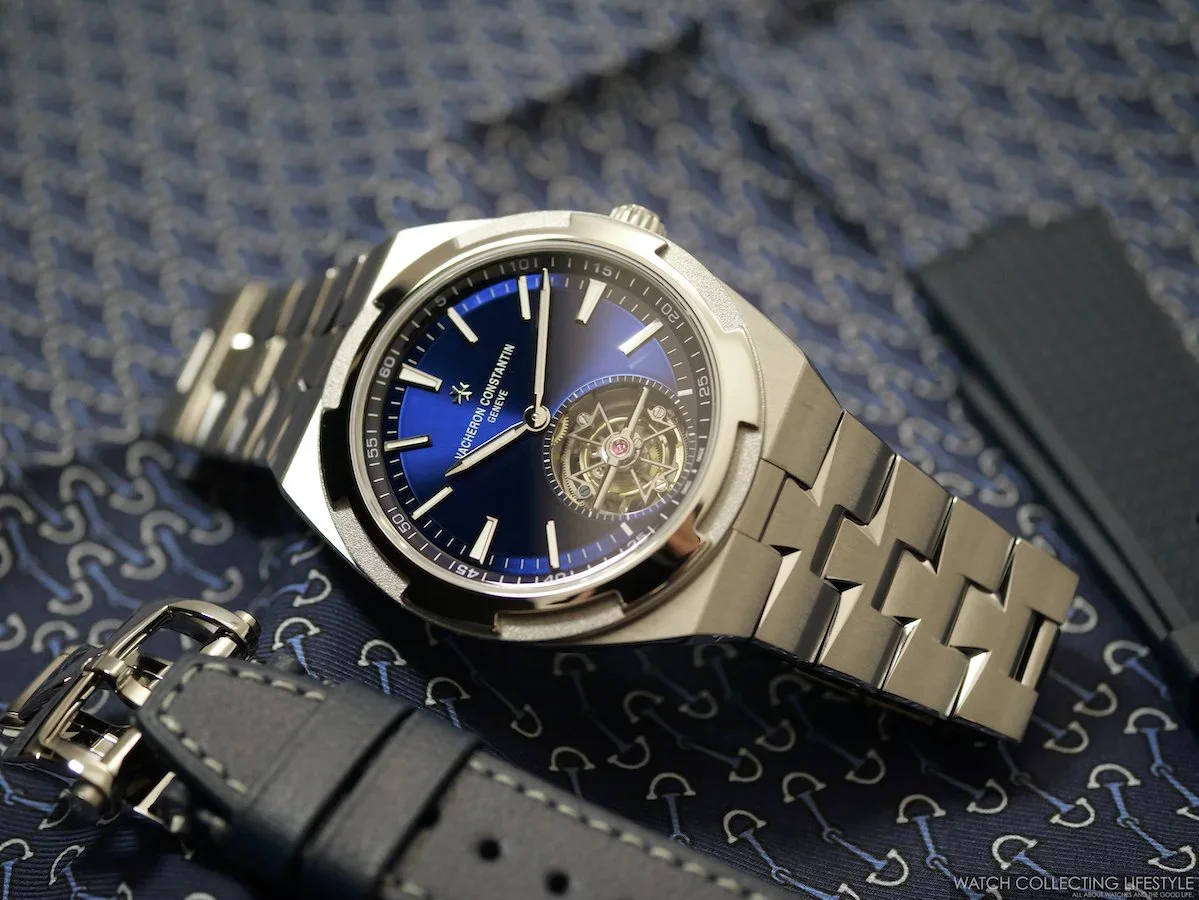
Now, let me bring the Vacheron Constantin's Overseas Tourbillon in titanium into the pictures. This watch represents perhaps the most compelling argument for titanium in haute horlogerie. The reference 6000V/210T-H032 launched at Watches & Wonders 2024 houses the ultra-thin Calibre 2160—a tourbillon movement measuring just 5.65mm thick—within a 42.5 mm titanium case.
The complete watch on its integrated titanium bracelet weighs merely 110 grams, making it lighter than many stainless steel three-hand watches despite containing one of watchmaking's most prestigious complications. Where traditional precious metal tourbillons become dress watches by necessity—too heavy for casual wear—the titanium Overseas Tourbillon transforms the complication into something genuinely wearable for travel and everyday life. When one of the Holy Trinity chooses titanium for a tourbillon, it signals the material's arrival as legitimate haute horlogerie rather than merely technical alternative.
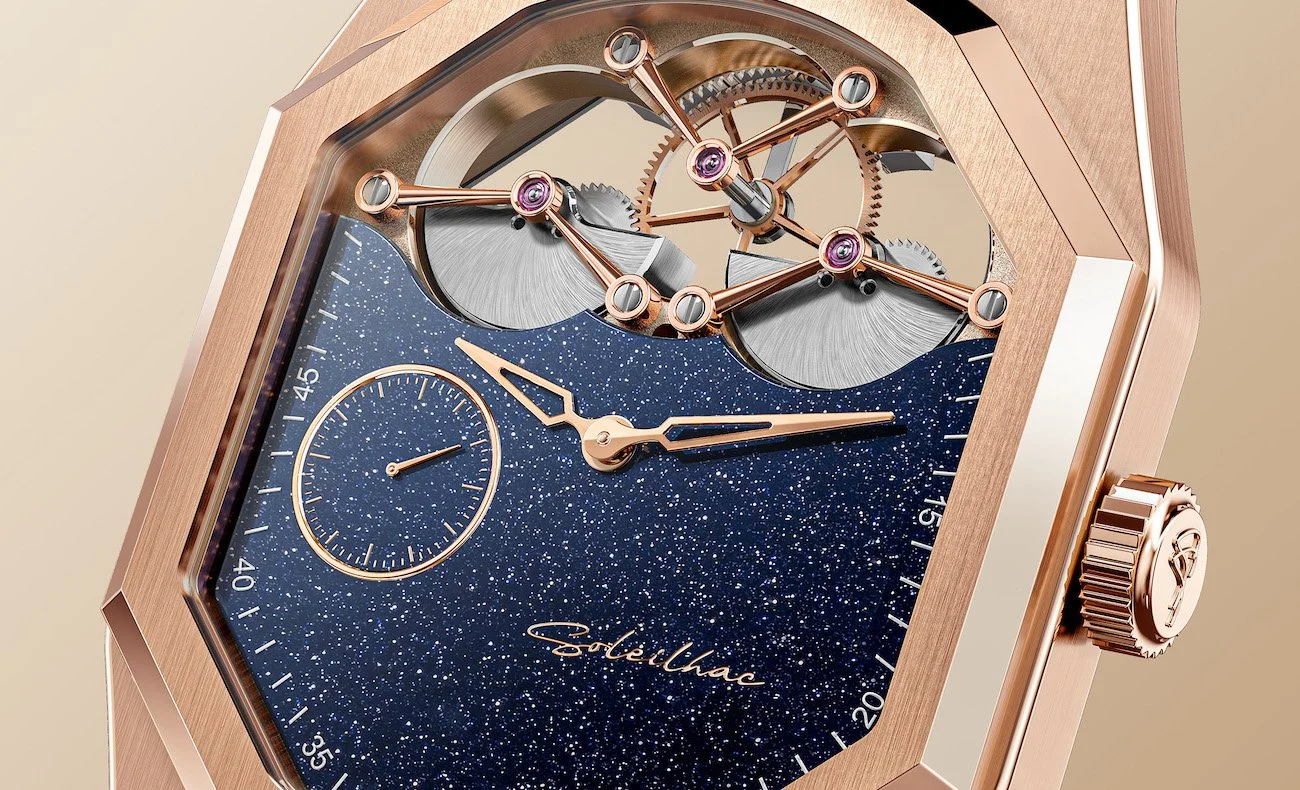
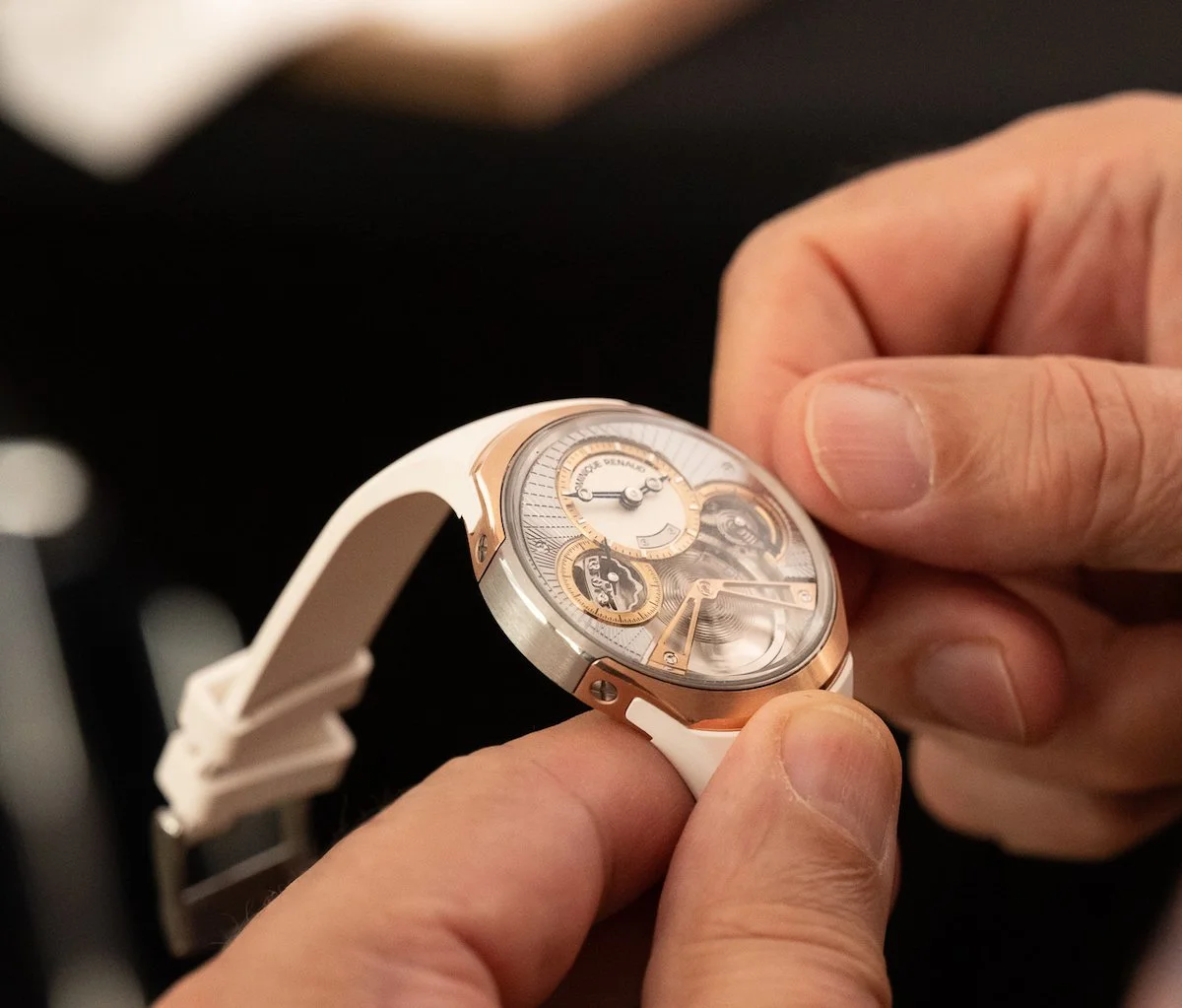
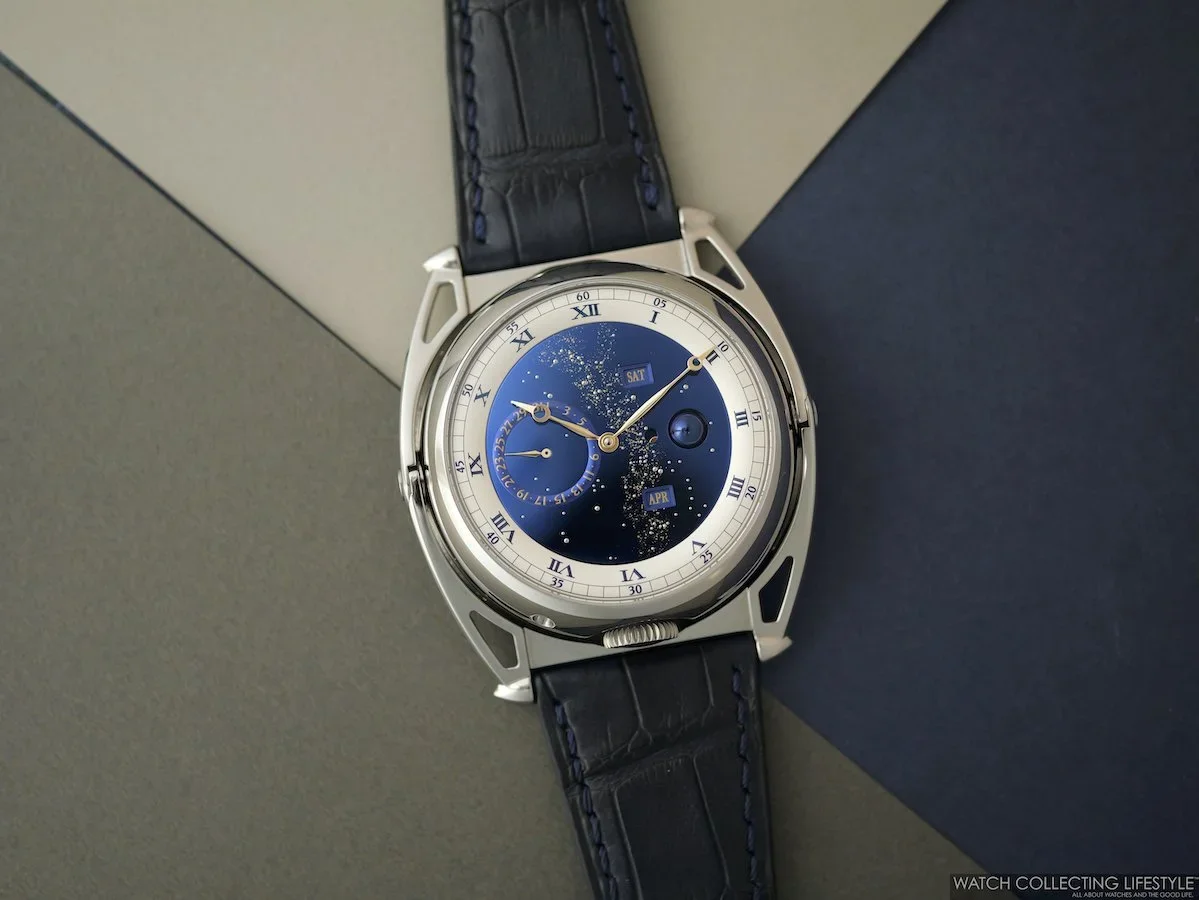
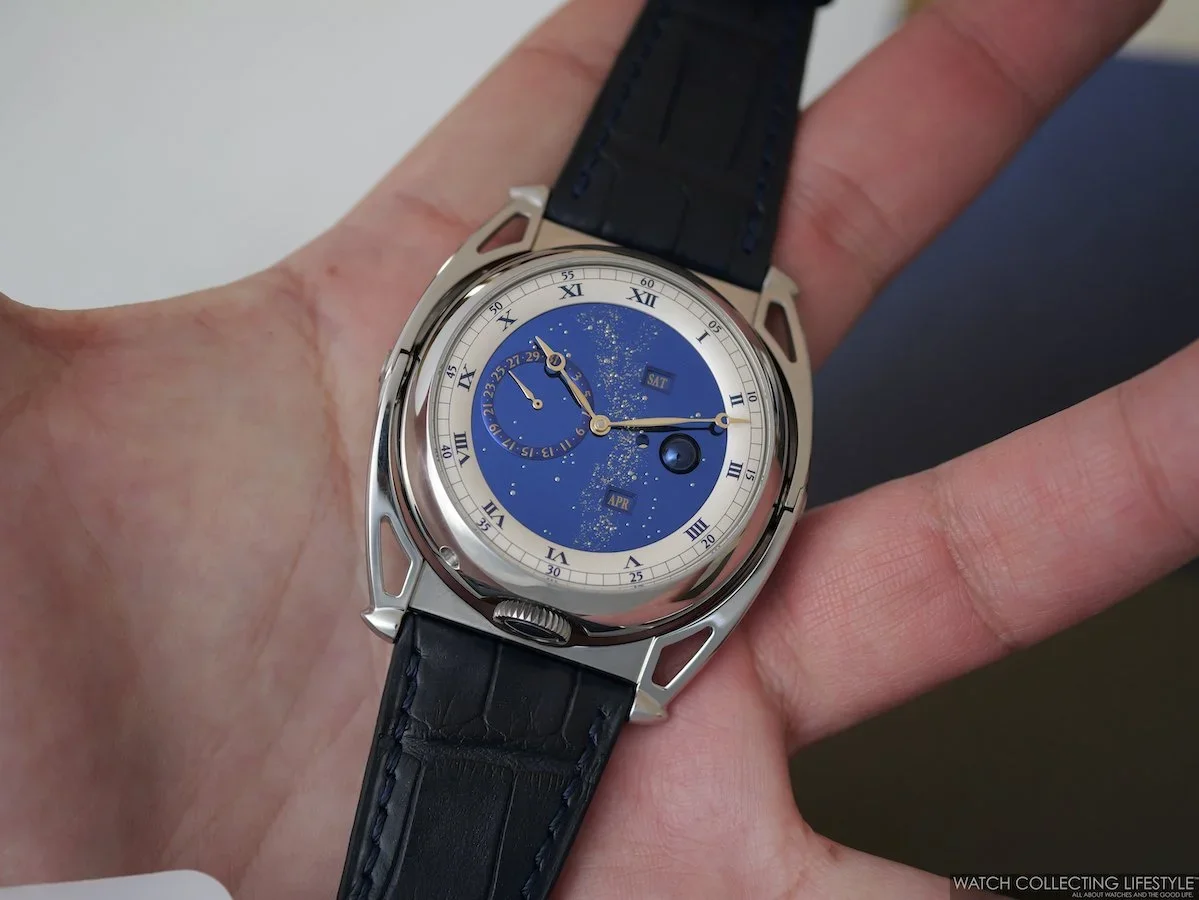
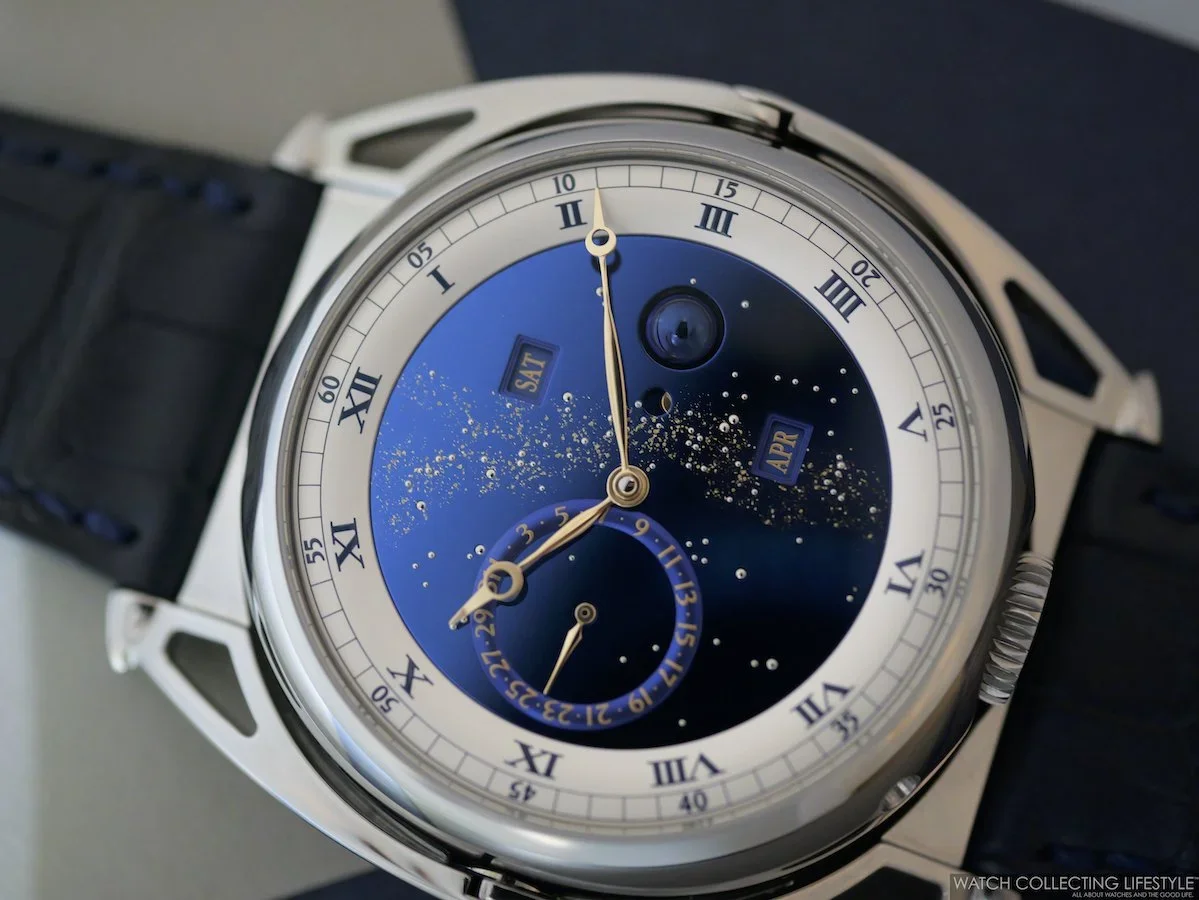
Lastly, and perhaps the best example of the effective use of titanium, regardless of the complications housed in it or its pricing, is De Bethune's DB Kind of Grande Complication, which pushes titanium's application to its logical extreme. This fully reversible timepiece houses eight complications within a Grade 5 titanium case measuring 43.3 mm by 13.85 mm: perpetual calendar, ultra-light tourbillon (weighing just 0.18 grams), spherical moon phase, retrograde moon age indicator, power reserve, jumping seconds, and dual time displays. The 751-component movement features De Bethune's signature starry sky dial, executed in mirror-polished blued titanium, demonstrating that titanium can be finished to the highest aesthetic standards while maintaining functional advantages. At nearly half a million dollars, this is one of the most technically ambitious watches in production, and its titanium construction enables wearability that would be impossible with precious metals, given the mechanical complexity.
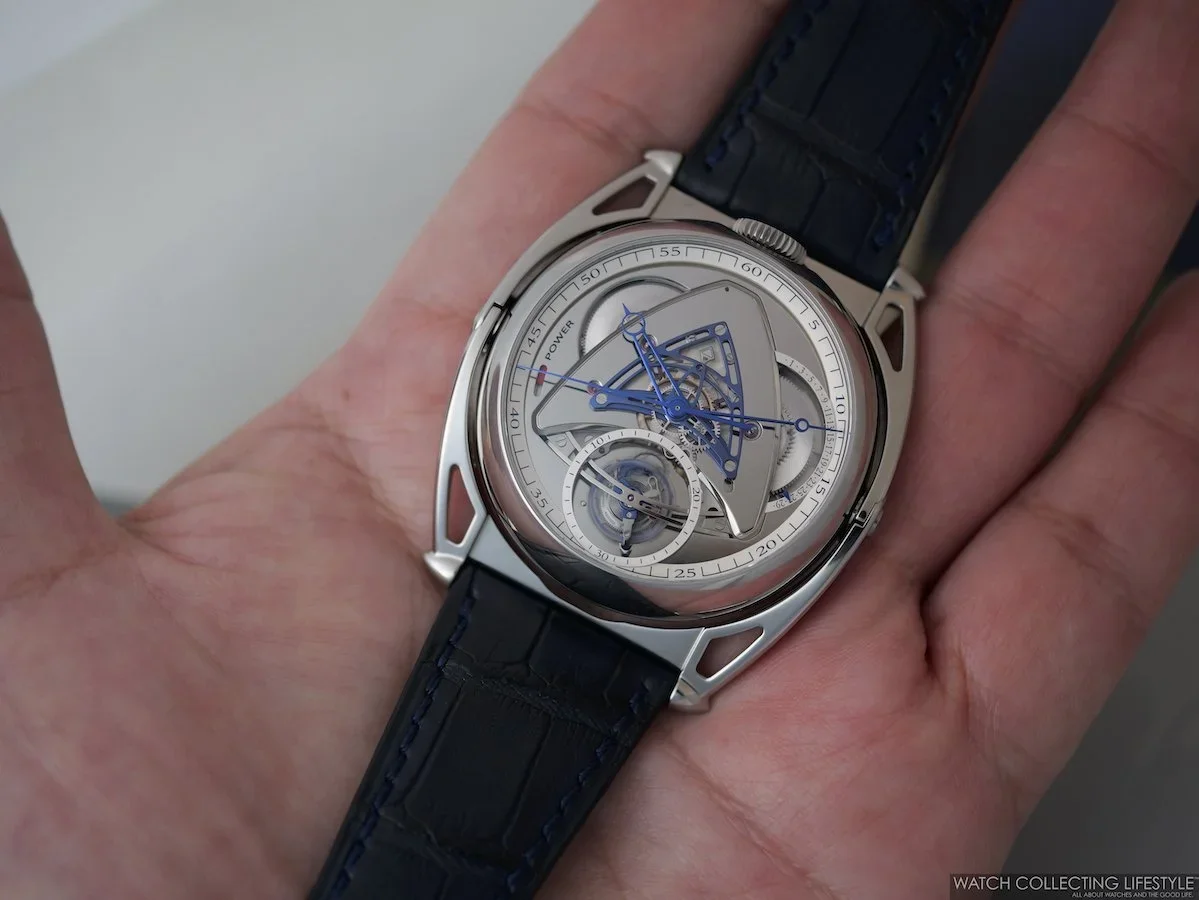
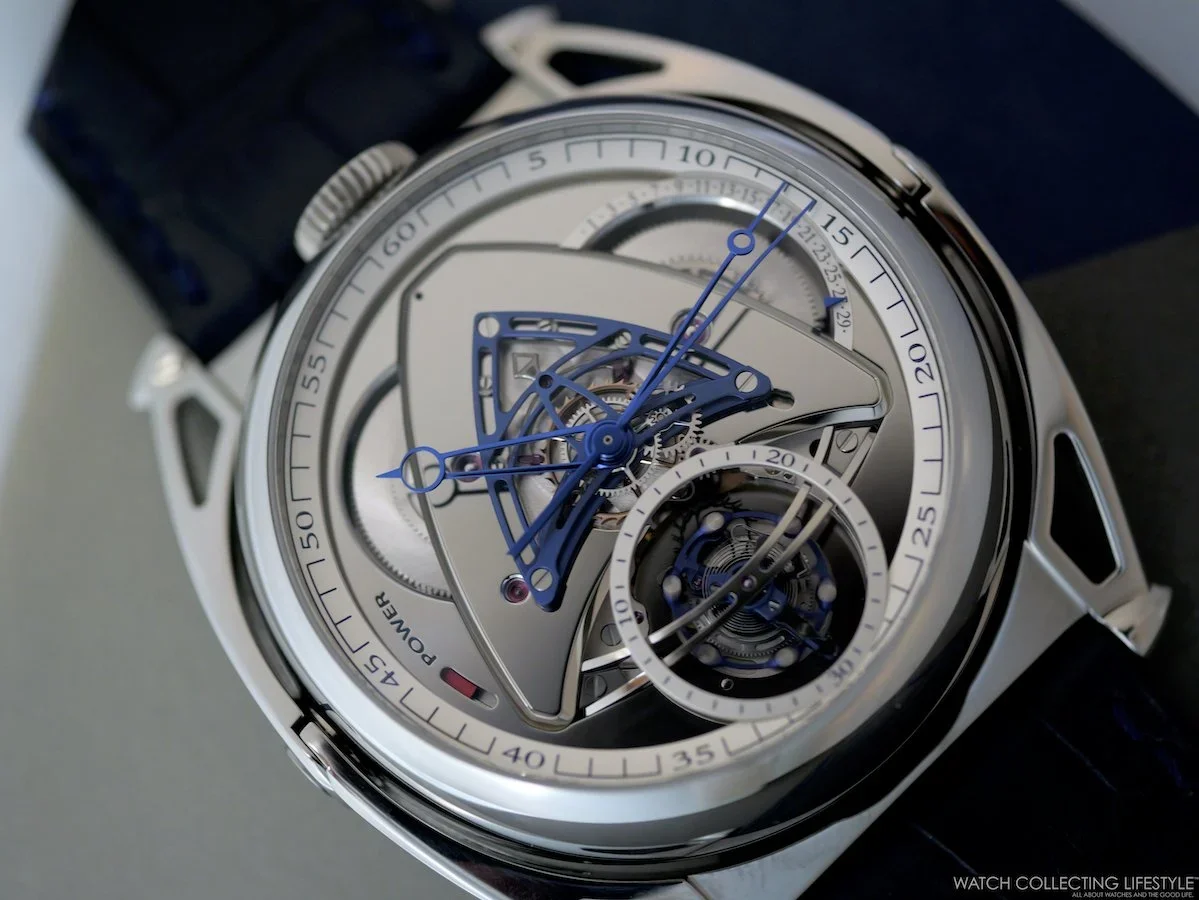
These four examples, spanning a discontinued-manufacture piece, Holy Trinity executions, and independent innovation, demonstrate that titanium isn't merely acceptable for grand complications but may be optimal. As the complication count increases, titanium's advantages become more pronounced. A sporty, thick, precious-metal perpetual calendar can become tiring with prolonged wear. The titanium equivalent delivers identical mechanical performance in a comfortable, wear-friendly package. This matters for collectors who acquire complications to experience them.
From a watch collecting strategy perspective, titanium executions of high-complication watches represent compelling value. You're accessing identical movements and complications in more wearable packages, often at discounts to precious metal equivalents—not that you can get a De Bethune or a Vacheron Constantin at a discount, but in other brands you can. I find Grade 5 titanium fascinating for its wearability, lightness, and scratch resistance, and for its distinctive graphite grey luster—when satin-brushed—that makes it unique in appearance; see the Zenith Defy El Primero 21 Titanium below.
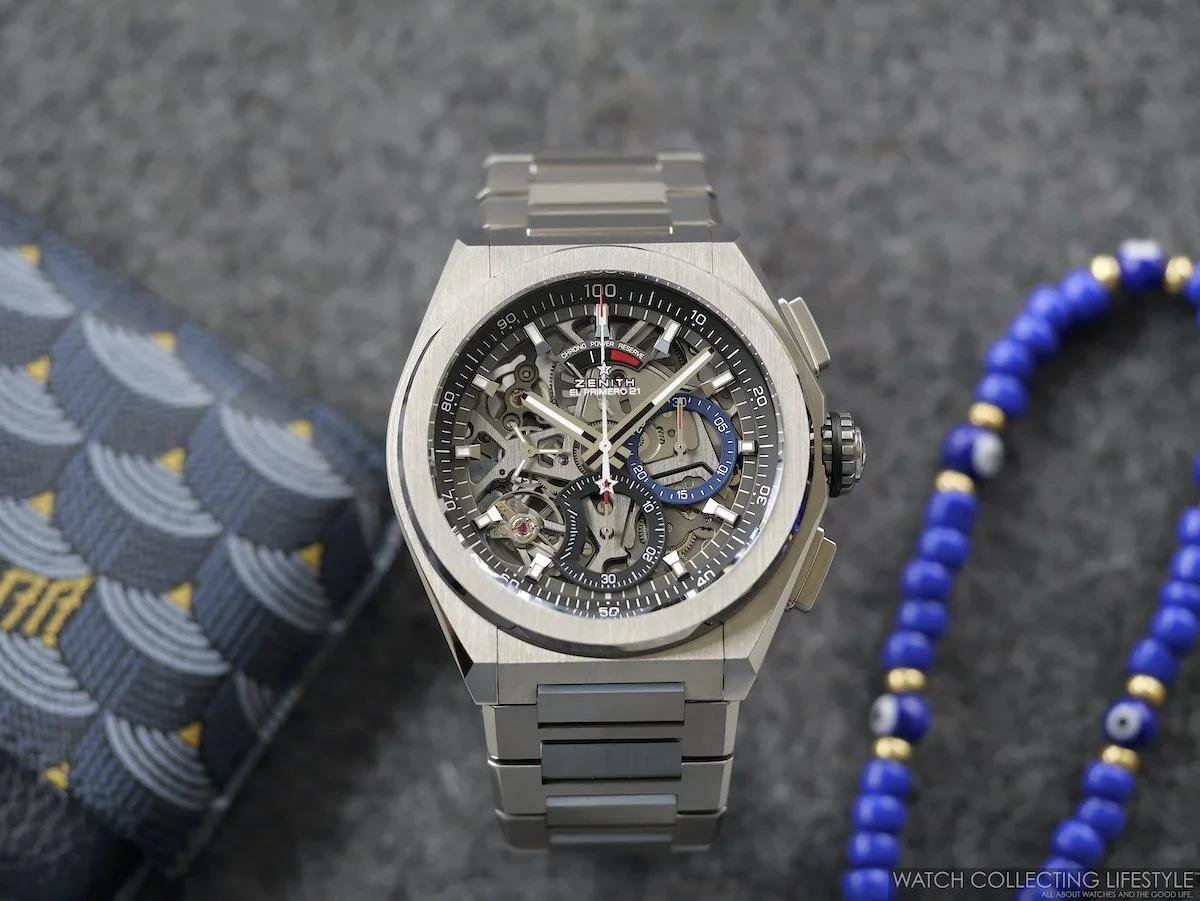
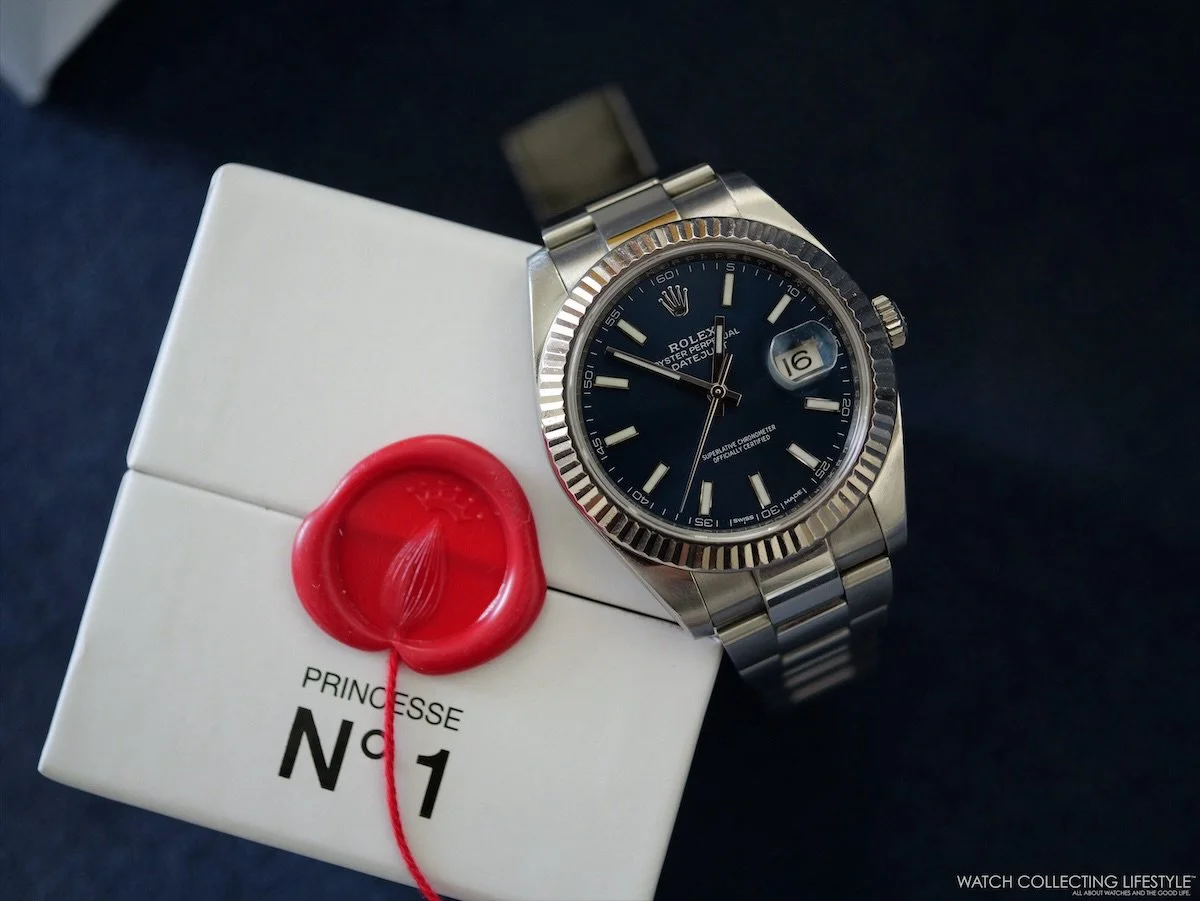
For collectors who prioritize wearing their watches, this creates genuine opportunities to acquire serious watchmaking without the precious metal premiums that provide no functional benefit. The trajectory is clear. As demographics shift toward collectors who prioritize wearability over traditional status signals, titanium's advantages will become increasingly valued. Exactly why in 2023, Rolex jumped on the titanium bandwagon and released the Yacht-Master 42 in titanium reference 226627—the first titanium Rolex watch ever.
Materials science is settled: titanium is objectively superior where weight and durability matter. What remains is for collector psychology to evolve beyond reflexive associations with precious metals. Those who recognize this shift early will build more wearable collections, while others continue to pay premiums for density that serves no purpose beyond tradition, status, or flex.
Grand complications deserve cases enabling them to be experienced, not merely admired.