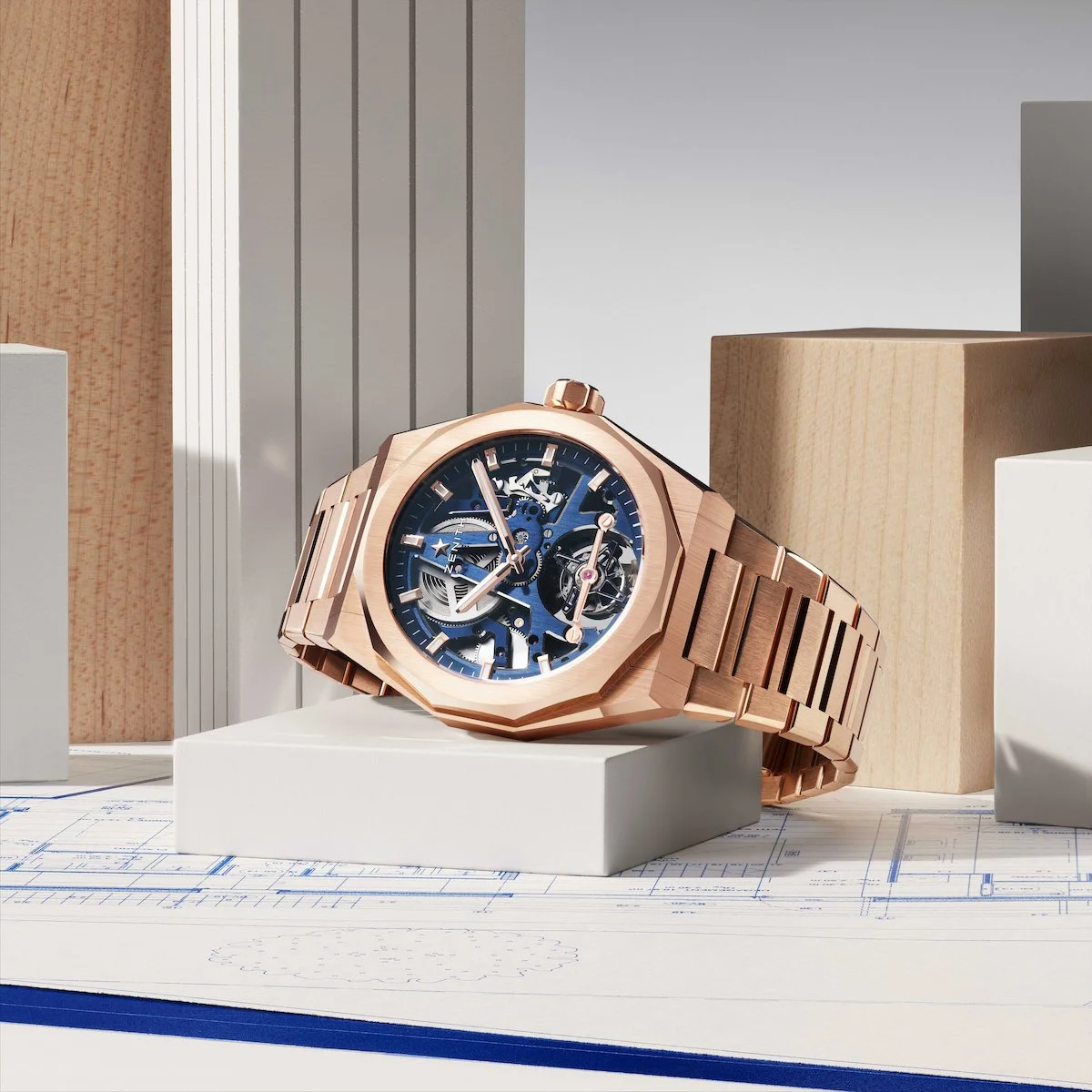
Zenith is, without a doubt, one of my favorite brands and one of the most revered brands in terms of horological accolades. Surprisingly, many sources, primarily in Switzerland (Blick) and across Europe, suggest that LVMH has been preparing to sell Zenith, the storied manufacture whose El Primero chronograph has been beating at 36,000 vph since 1969. The rationale cited was stark: annual losses of 20-30 million Swiss Francs, plummeting sales since 2023, and what sources described as strategic missteps under recent management.
LVMH swiftly denied the rumors. "No plan for the sale," a spokesperson stated. Yet the denial, notably, didn't address whether preliminary discussions had occurred or whether the brand's future within the group remains under evaluation.
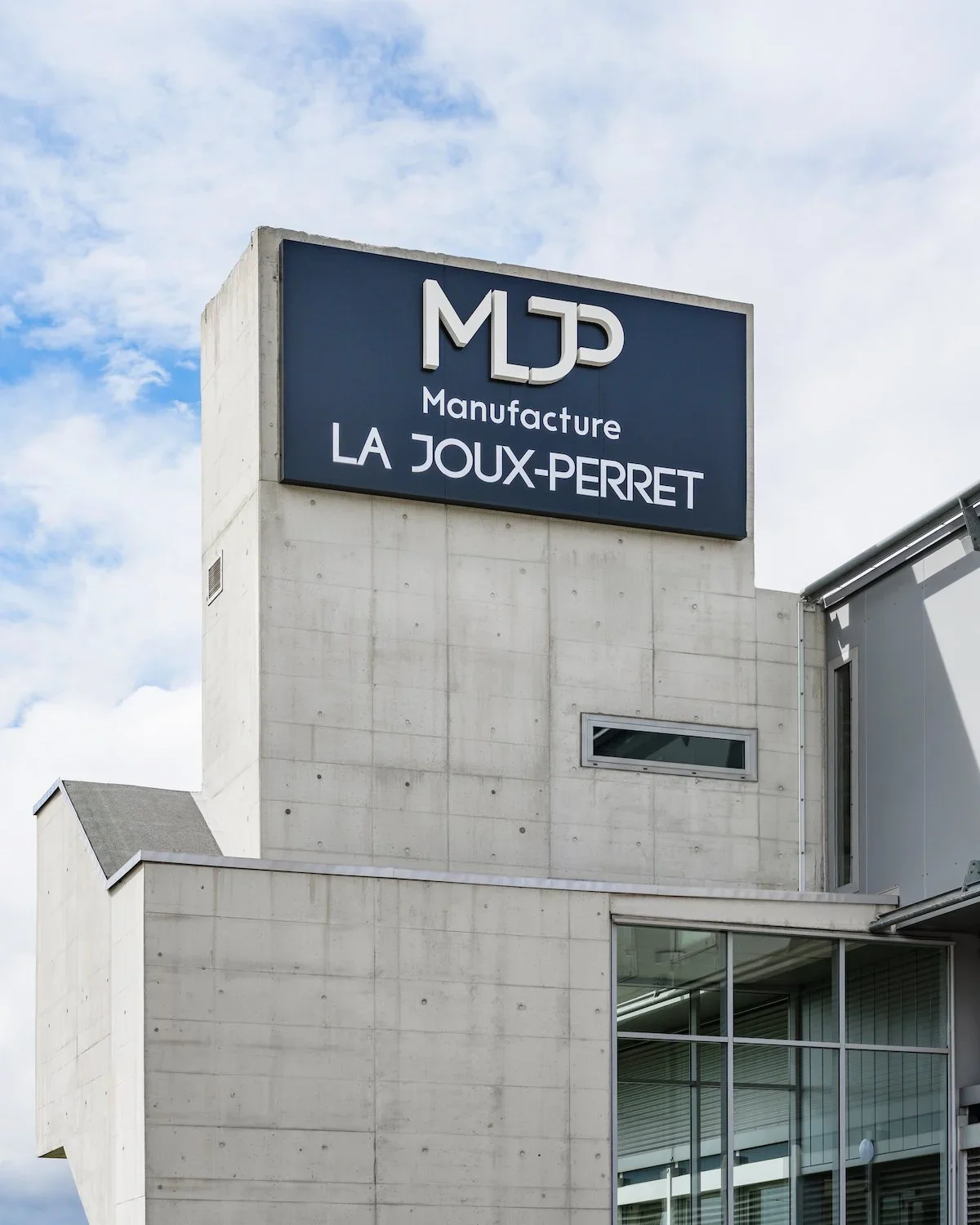
What makes this particularly revealing isn't the rumor itself—consolidation speculation is endemic to the watch industry—but the timing and context. Just weeks earlier, Frédéric Arnault announced that LVMH had acquired a minority stake in Swiss movement manufacturer La Joux-Perret in La Chaux-de-Fonds. Then, it was also rumored that there were plans to expand Zenith's role as a movement manufacturer for LVMH's watch division, positioning the manufacture as a strategic industrial asset rather than merely a standalone brand.
This apparent contradiction demands examination. Either LVMH's strategic messaging is inconsistent, or something more fundamental is occurring within the group's watch division.
Consider the broader picture: TAG Heuer reportedly faces similar losses—40 to 50 million Swiss Francs annually—while the group's venture into connected watches has allegedly cost between 200 and 250 million Swiss Francs without achieving profitability. Both brands have experienced frequent leadership changes, suggesting deeper organizational challenges beyond typical market headwinds.
The diagnosis from industry analysts is sobering. Jean-Philippe Bertschy of Vontobel, a Swiss International Investment Firm, notes that pure watchmaking brands like Zenith and TAG Heuer face existential questions in an evolving market increasingly drawn to hybrid luxury-jewelry offerings. LVMH's jewelry brands—Bulgari, Tiffany, Chaumet—appear insulated from these pressures, their watches existing within broader lifestyle propositions rather than competing directly in the traditional haute horlogerie arena. Could LVMH be considering discarding brands such as Hublot, Zenith, and TAG Heuer to remain focused on jewelry brands? Rumors that LVMH would acquire Cartier also surfaced in 2025. Is that the path they are considering?
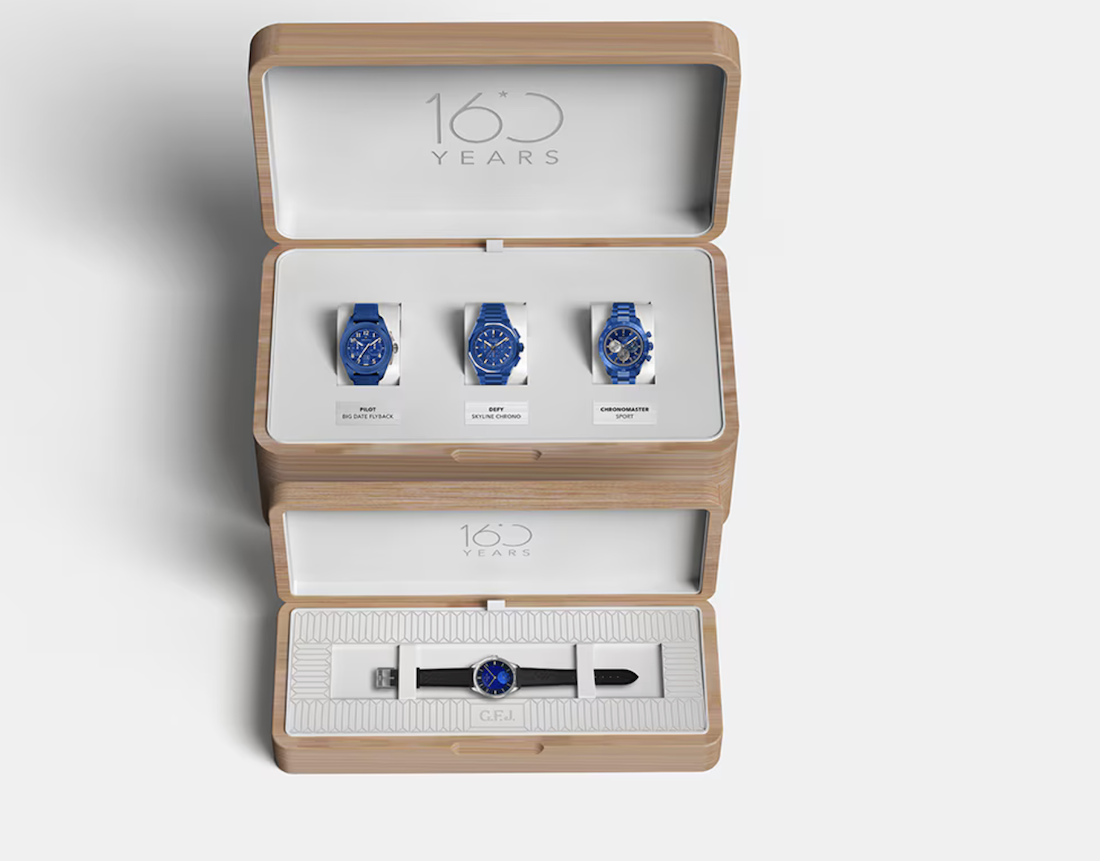
This also raises uncomfortable questions about the sustainability of watchmaking within luxury conglomerates. When Zenith was acquired in 1999 for $48.4 million, it represented LVMH's commitment to genuine manufactures with movement-making capabilities. Today, despite producing movements for Hublot and historically for brands including Rolex, Zenith appears caught between industrial utility and brand viability. Even as the brand has tried to modernize and reinvent itself, there are valid concerns that it is becoming another Hublot, with the Zenith Manufacture’s recent 160th-anniversary celebrations and product launches suggesting business as usual. Yet the persistent rumors, combined with confirmed financial struggles, indicate genuine tension between heritage prestige and contemporary profitability metrics that increasingly govern conglomerate decision-making.
For collectors, the implications warrant consideration. Zenith's historical importance is indisputable—the El Primero's survival through the quartz crisis, facilitated by watchmaker Charles Vermot's secret preservation of tooling and movement parts, represents one of horology's great rescue stories. The brand commands respect among serious enthusiasts, particularly for complications and chronometry achievements, which have earned 2,333 prizes.
Whether LVMH ultimately retains Zenith or not, these developments illuminate a fundamental challenge: can authentic manufactures with significant heritage maintain independence and identity within groups driven by broader luxury market dynamics? The answer increasingly appears to depend on whether these brands can evolve beyond pure watchmaking into lifestyle propositions that justify conglomerate investment for a group like LVMH.
One suspects the next year will prove definitive. If market conditions don't improve and operational losses persist, even the firmest denials may prove temporary. For now, collectors and industry observers would be wise to pay attention not to speculation, but to the structural realities these rumors expose about watchmaking's place within modern luxury conglomerates.
More info on Zenith, here.