As I reflect on the watches that graced my hands and lenses throughout 2025, what strikes me most profoundly is not merely the technical achievements—though they were considerable—but rather the willingness of watch manufactures to pursue genuine innovation while honoring their heritage. This was a year when the industry's most storied names took meaningful risks, and some of them paid tenfold.
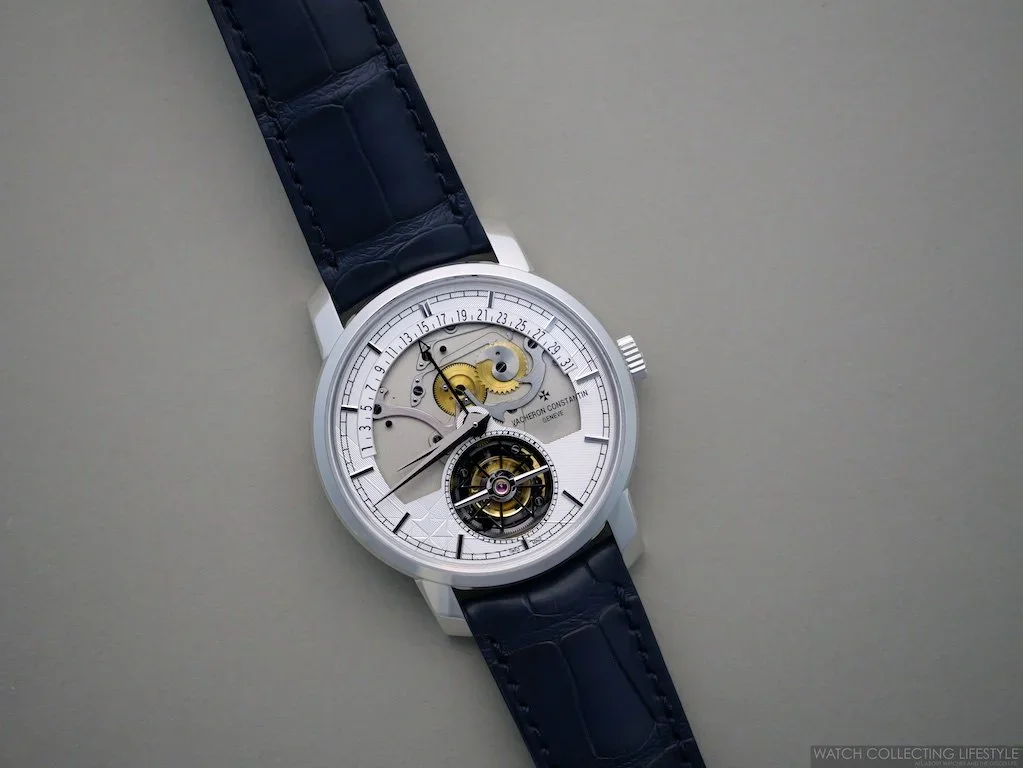
Vacheron Constantin's 270th anniversary celebrations yielded perhaps the most complete vision of haute horlogerie I've witnessed since I started this publication. The Traditionnelle Tourbillon Retrograde Date Openface 270th Anniversary, finished with a level of attention that bordered on obsessive, demonstrated why this manufacture has endured through nearly three centuries.
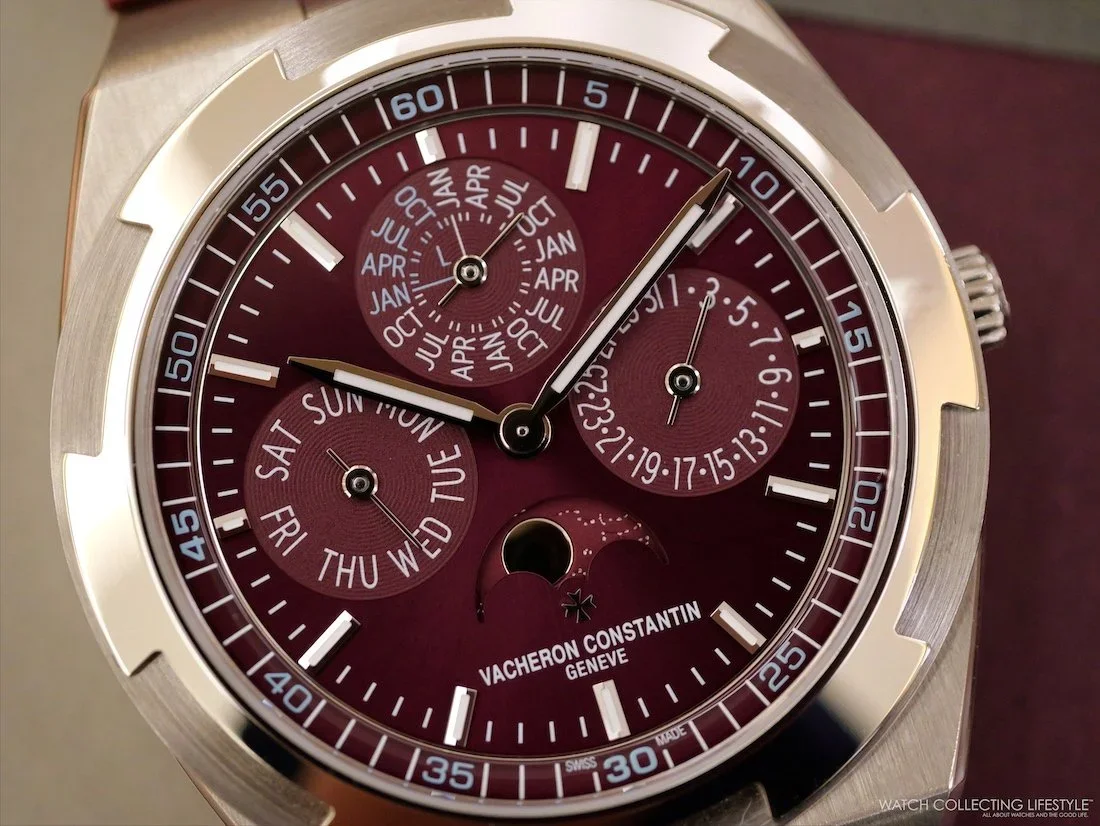
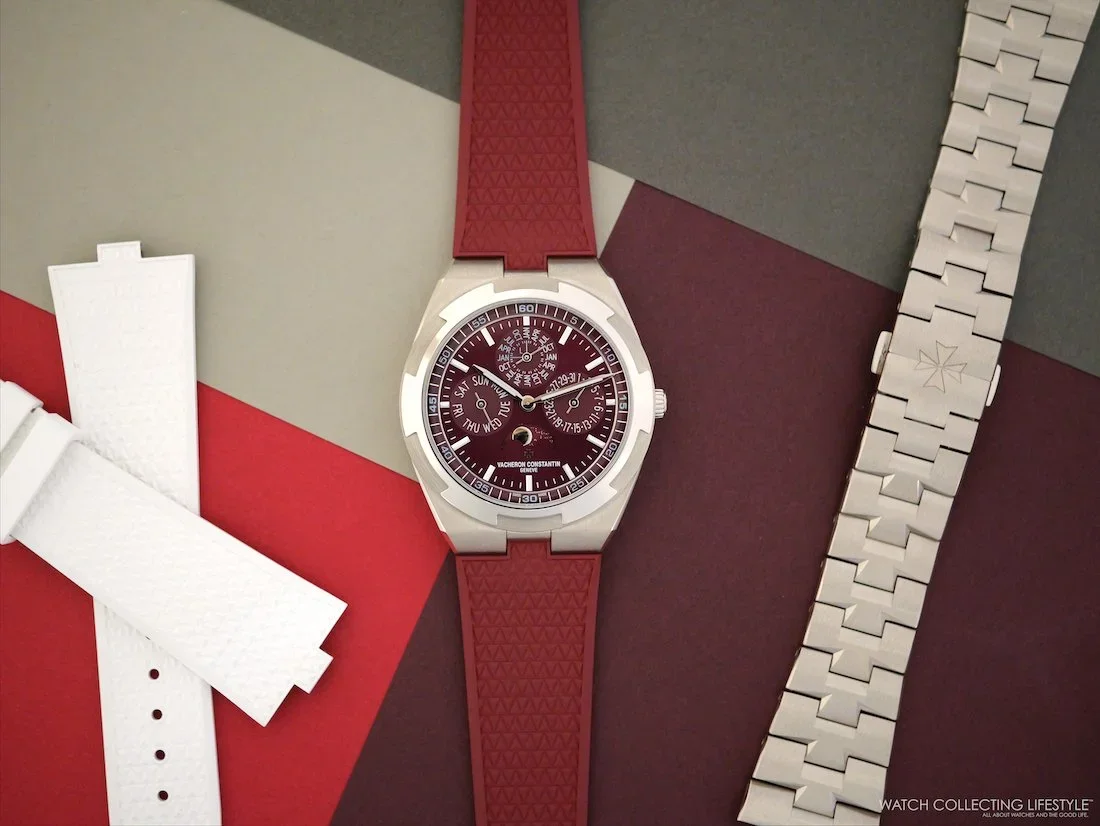
Yet it was the Overseas Perpetual Calendar Ultra-Thin in burgundy lacquer—presented to us for hands-on review in September at the Vacheron Constantin New York City Boutique—that proved most captivating. At 8.1 mm thick, this perpetual calendar redefines what sporty elegance can accomplish. The burgundy dial, a chameleon that shifts from wine-dark to luminous depending on the light, became one of the year's most favorite watches to photograph.
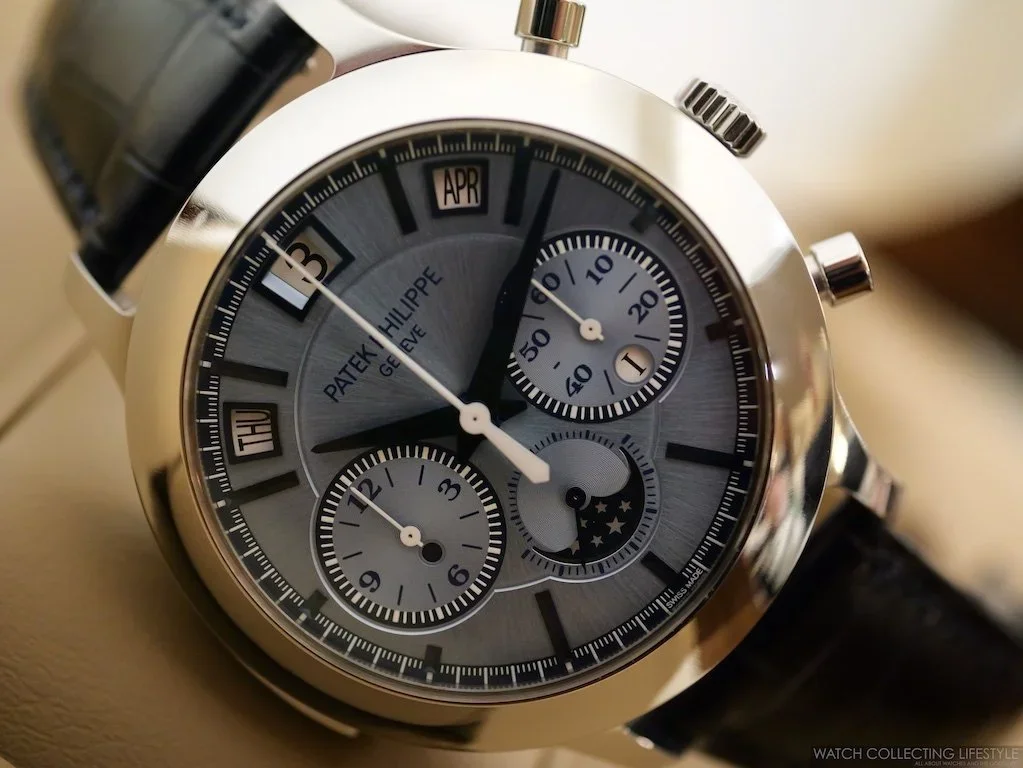
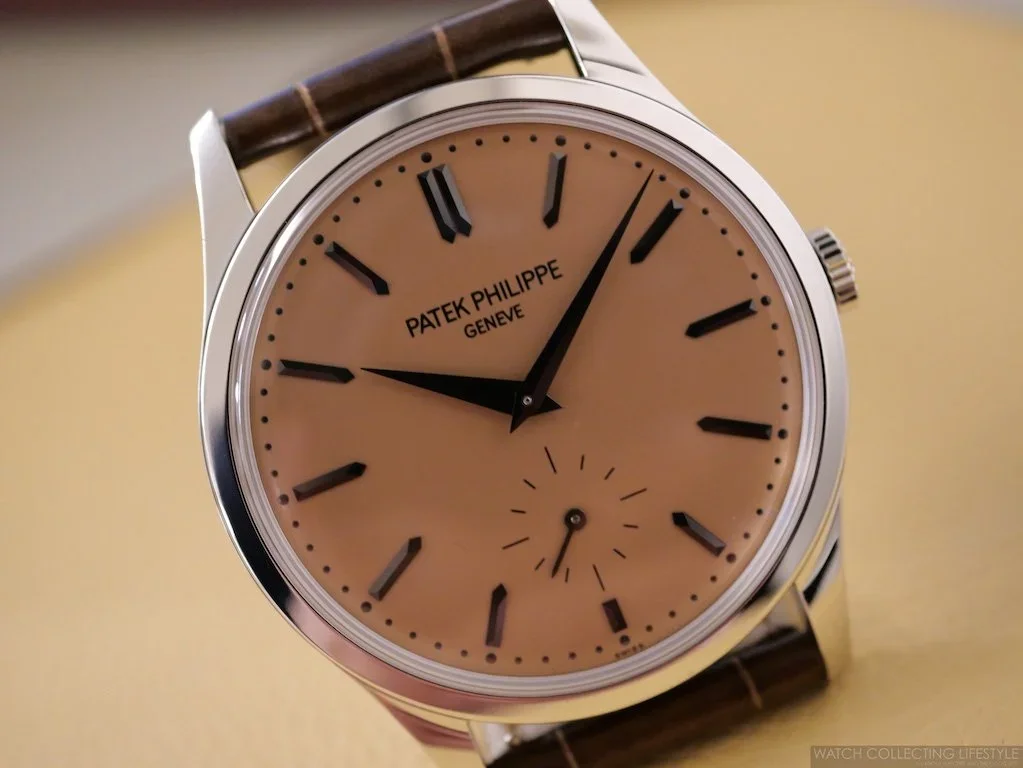
Patek Philippe's Quadruple Complication ref. 5308G-001 arrived at Watches & Wonders as the successor to Thierry Stern's beloved 5208P, adding a split-seconds mechanism to an already formidable minute repeater perpetual calendar chronograph. The technical challenges of powering such energy-intensive complications simultaneously have been masterfully resolved, though I'd argue the salmon-dialed Calatrava ref. 6196P in platinum—with its vintage 'obus' markers—may prove the more enduring design. Sometimes, restraint speaks louder than complexity.
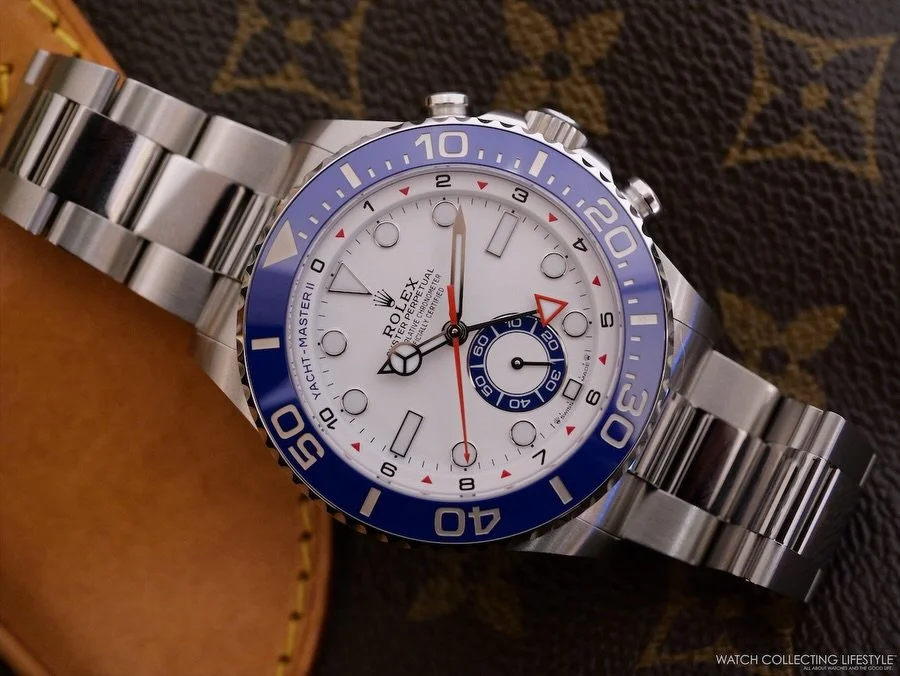
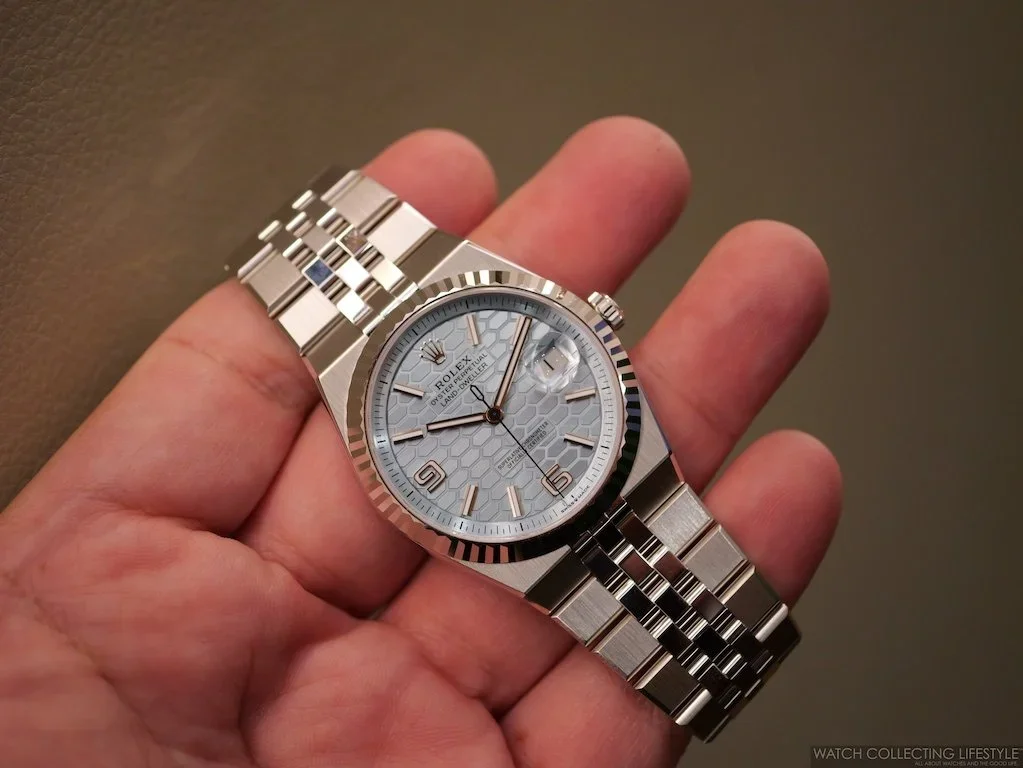
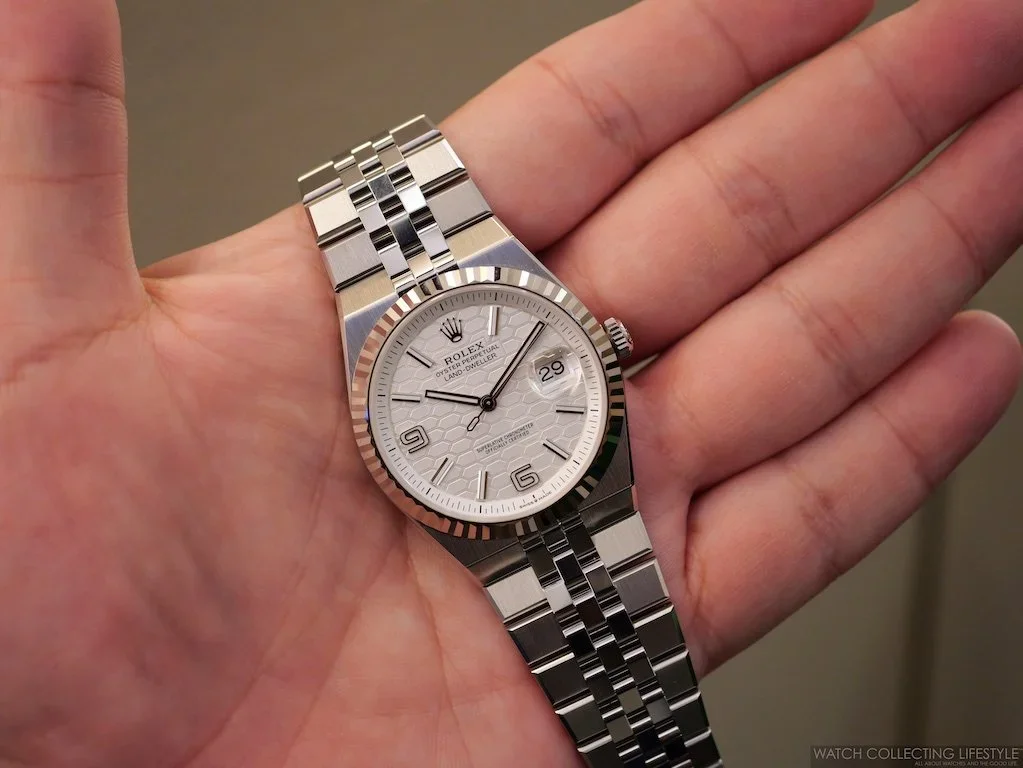
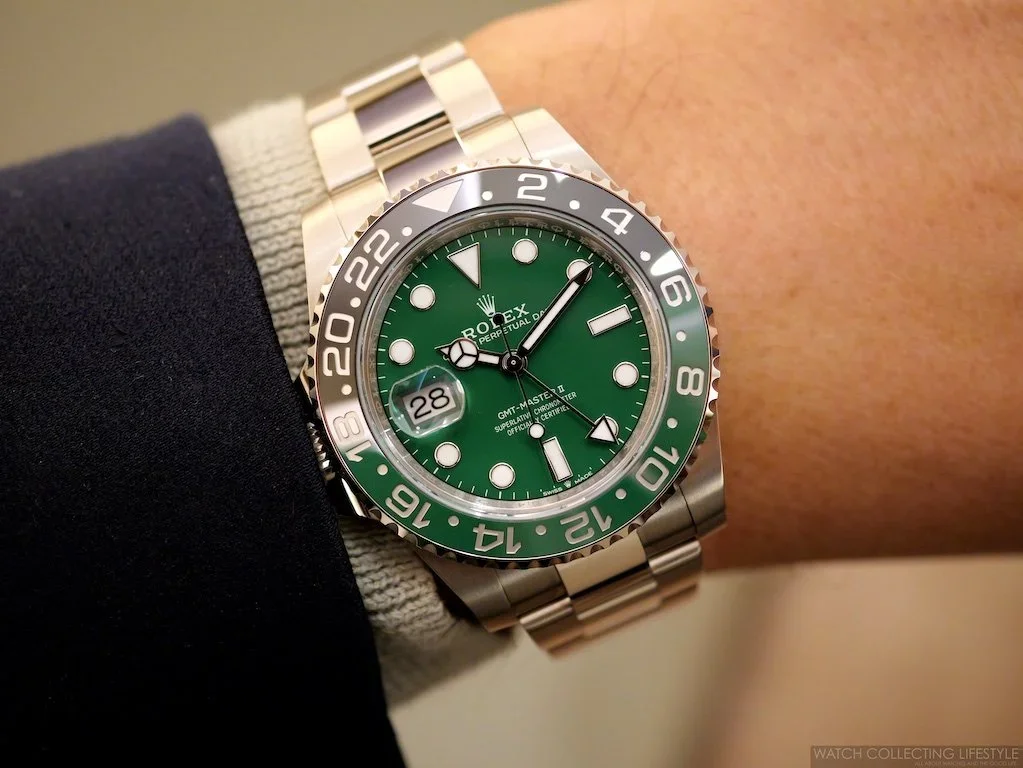
Rolex surprised us with the entirely new Land-Dweller line, effectively filling the void between the Datejust and the Professional models with impeccable logic. The platinum ice-blue ref. 127336 captivated in person, though the stainless steel ref. 127334 struck me as the more pure expression of the concept. Meanwhile, the left-handed GMT-Master II in white gold with a matching green ceramic dial and bezel—Rolex's first ceramic dial—represented genuine material innovation, not merely aesthetic variation.
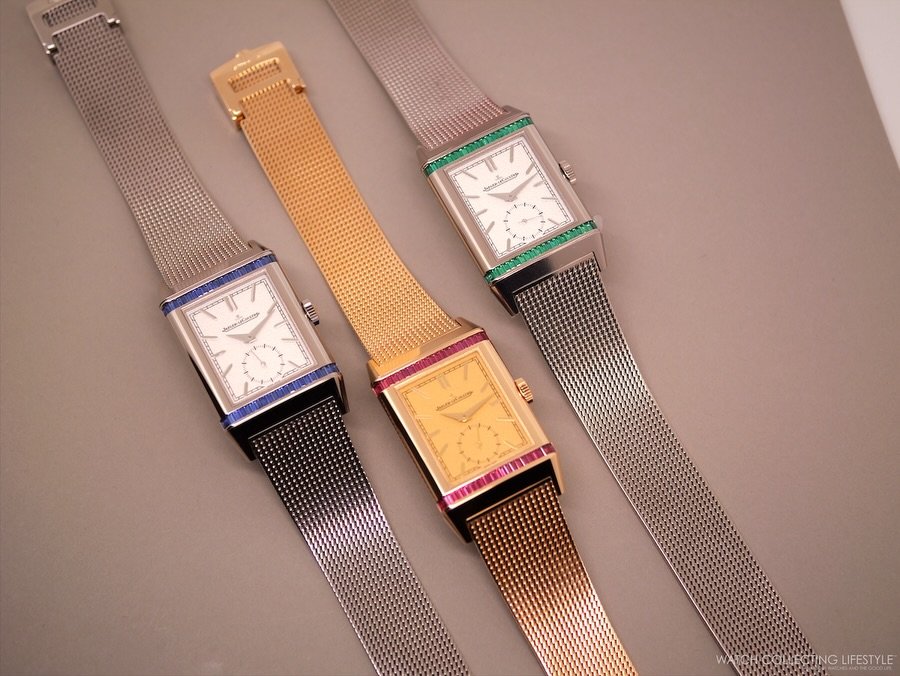
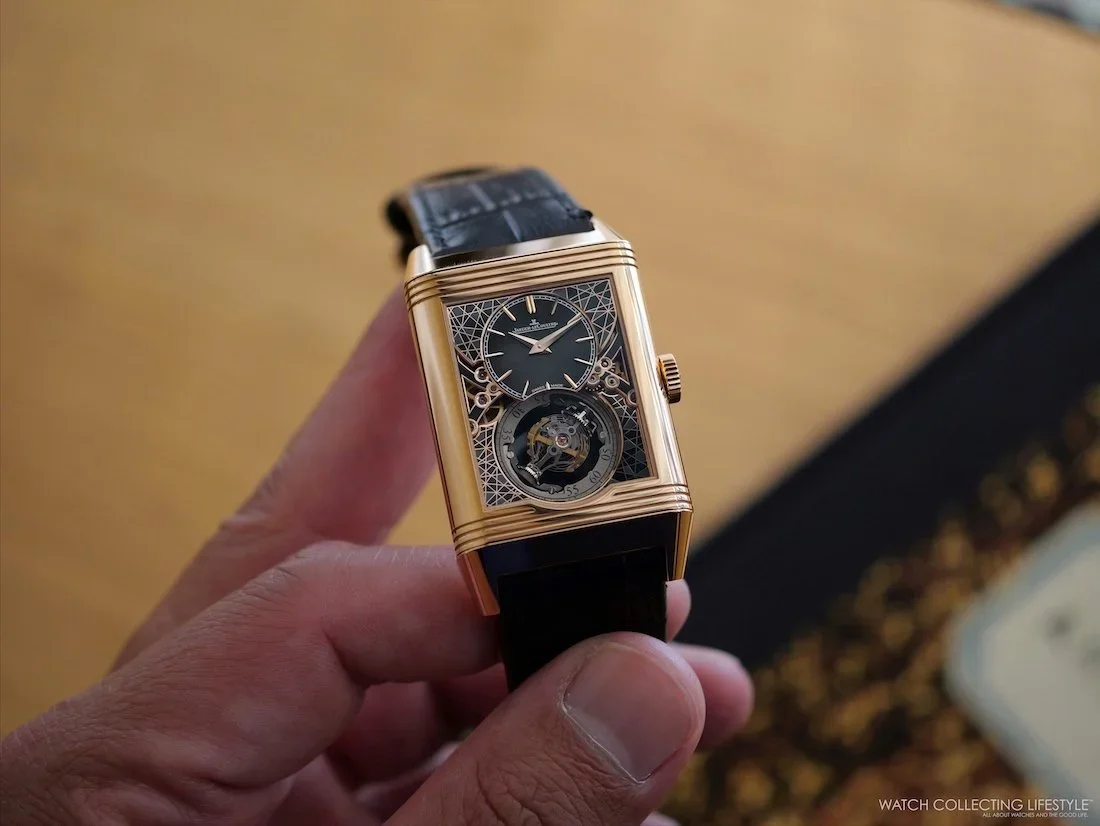
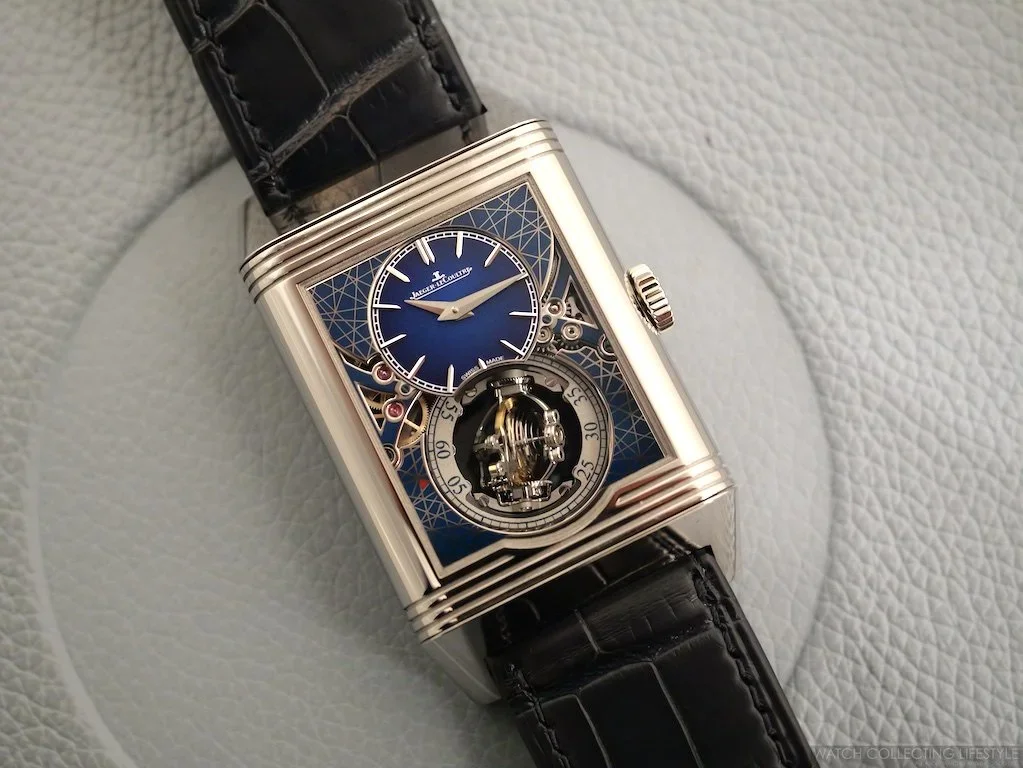
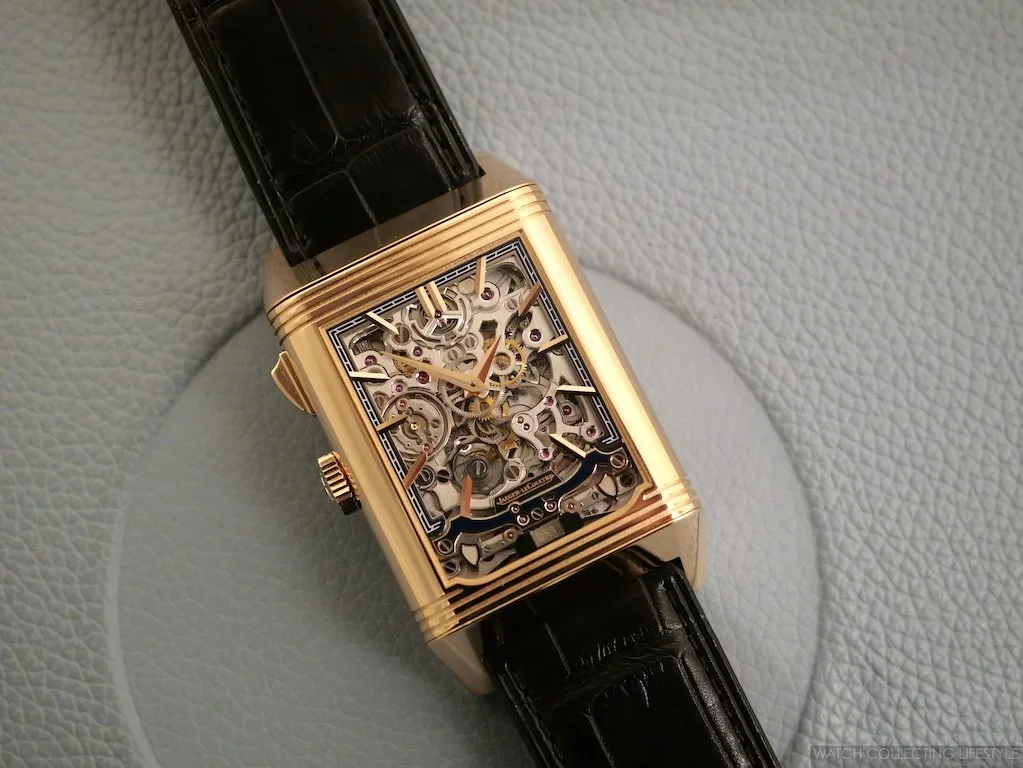
Jaeger-LeCoultre's Hybris Artistica Calibre 179, in both dial and metal variations, emerged as one of the year's unequivocal masterpieces, combining technical prowess with artistic vision in ways that justified my assessment of "one of the top five watches this year." The Reverso Tribute Minute Repeater, meanwhile, reminded us why this complication housed in a reversible case remains one of watchmaking's most elegant solutions to acoustic challenges.
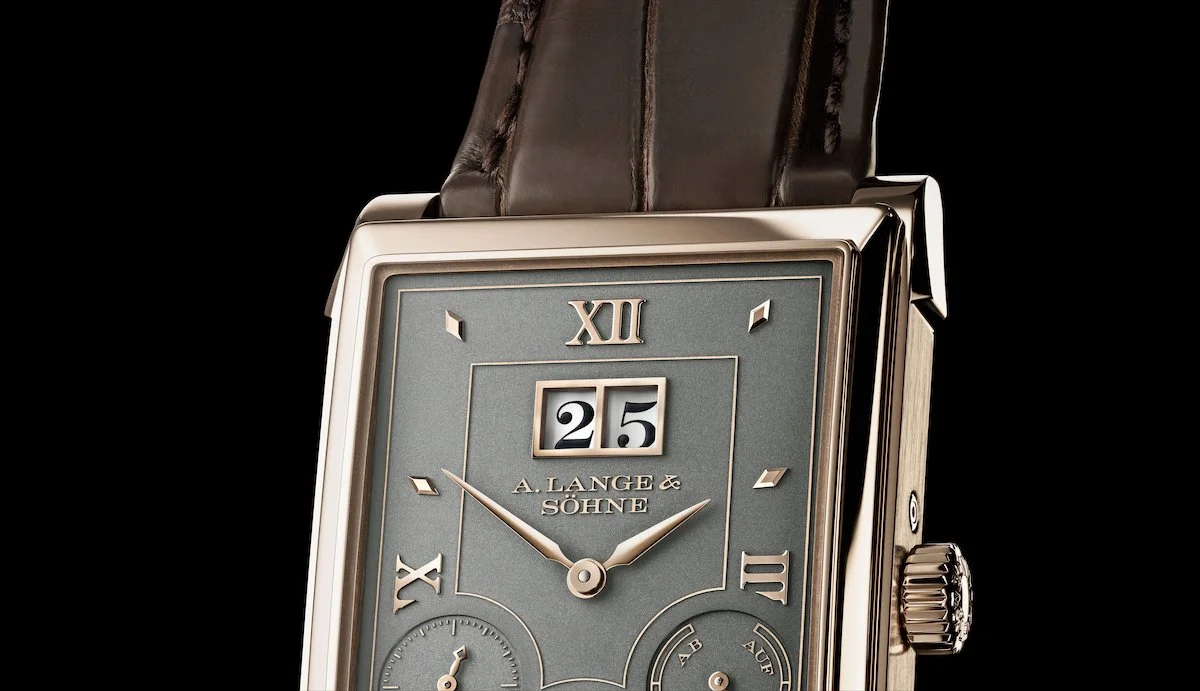
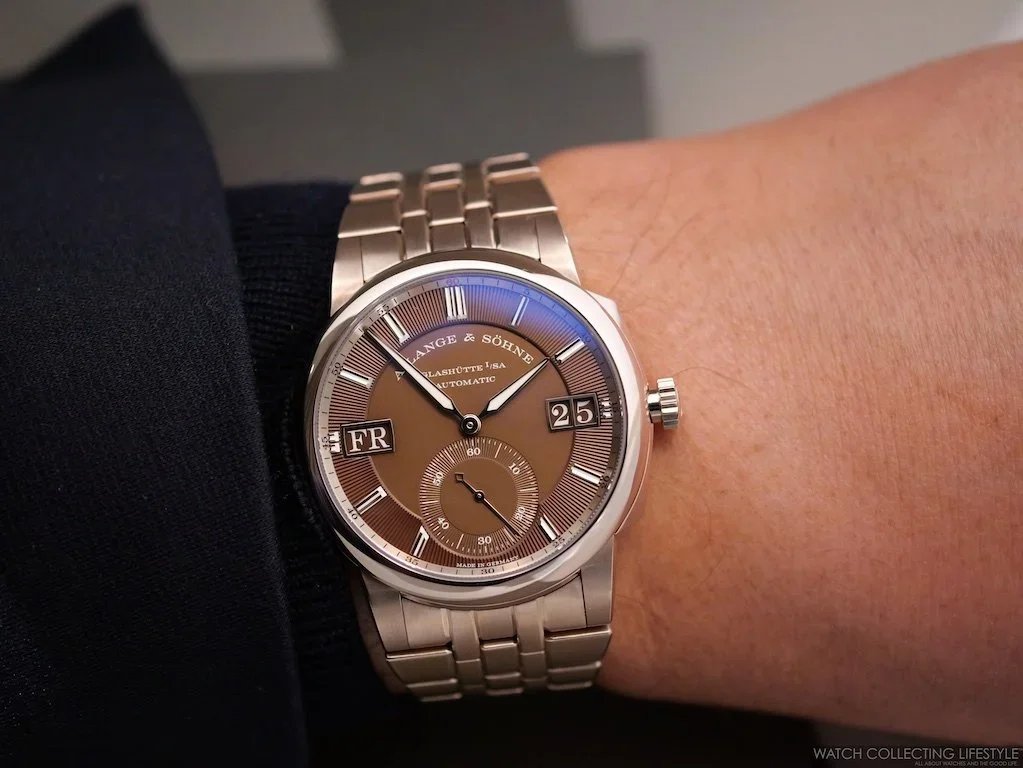
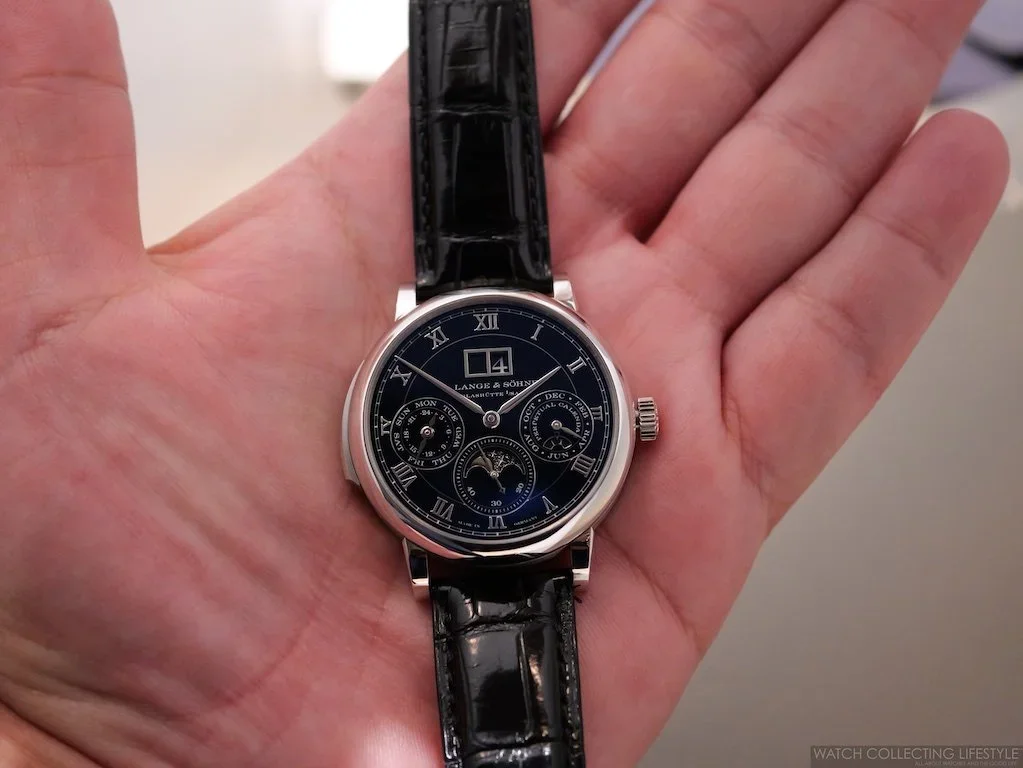
From the non-Swiss watch sphere, A. Lange & Söhne delivered the Odysseus in Honey Gold—that proprietary alloy possessing a warmth no standard rose gold can match—while their Minute Repeater Perpetual represented Germanic haute horlogerie at its most uncompromising.
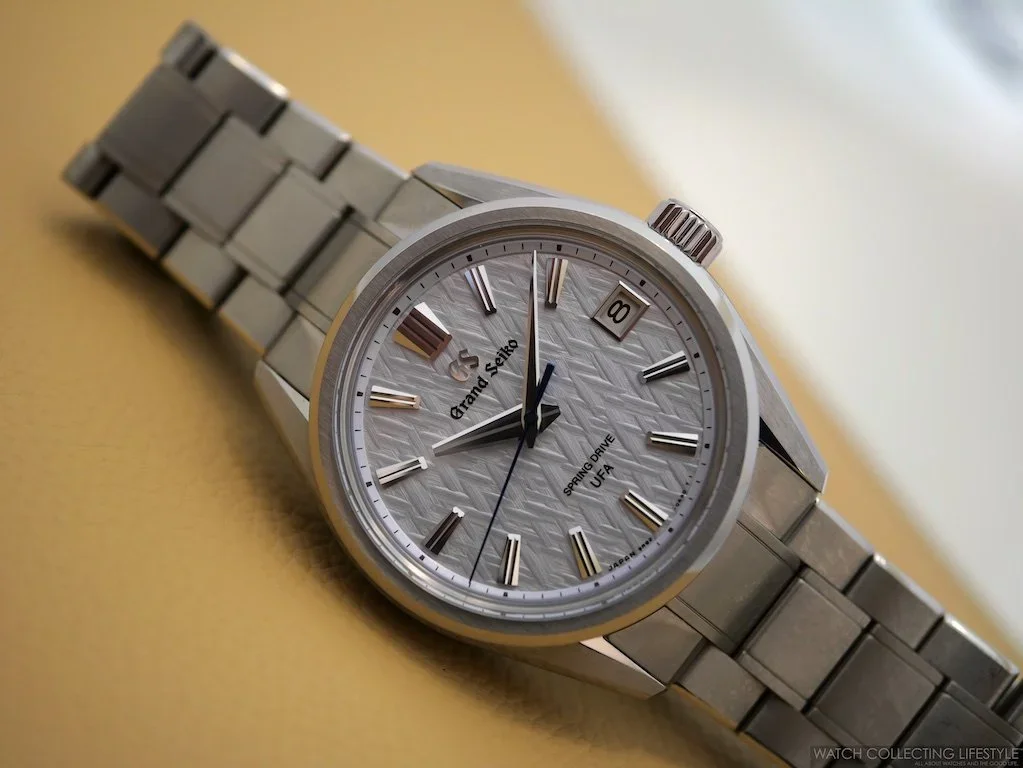
The Grand Seiko E9 Spring Drive U.F.A. SLGB003, achieving ±20 seconds per year, established new precision benchmarks for mainspring-powered movements, underscoring Japanese watchmaking's relentless pursuit of technical perfection and remarkable dial finishing.
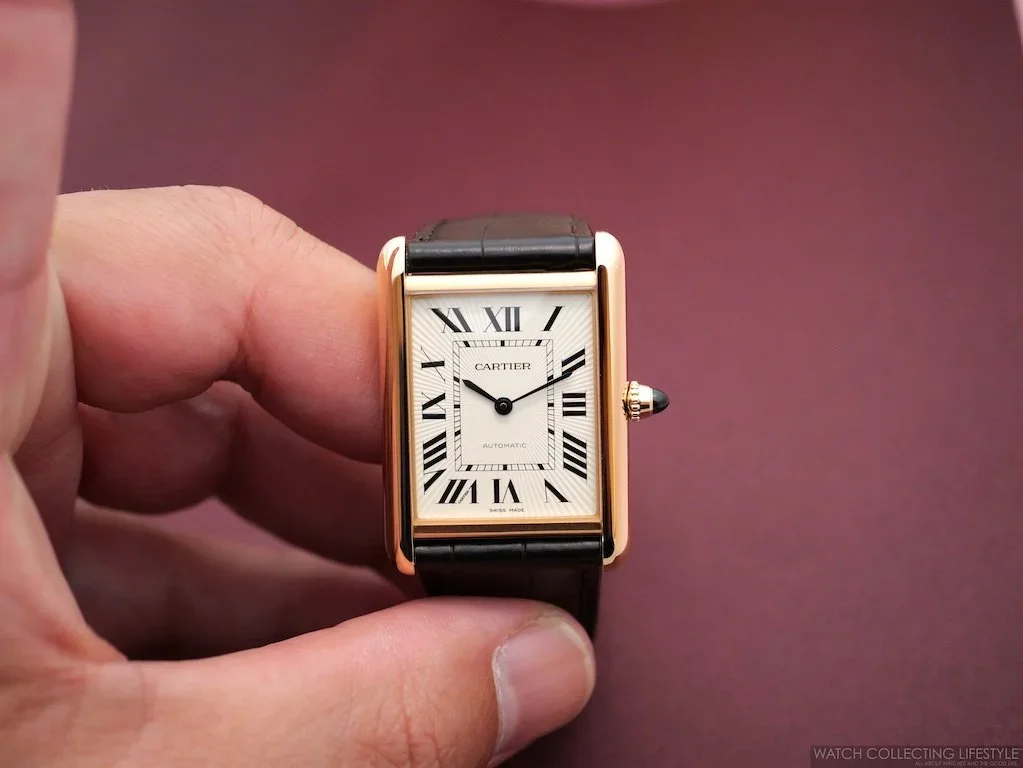
Cartier proved particularly adept at honoring its archives this year. The Tank Louis Cartier Automatic—the first automatic movement in this case, since the 1974 'Jumbo'—modernized an icon at 8.18 mm thick without compromising its essence.
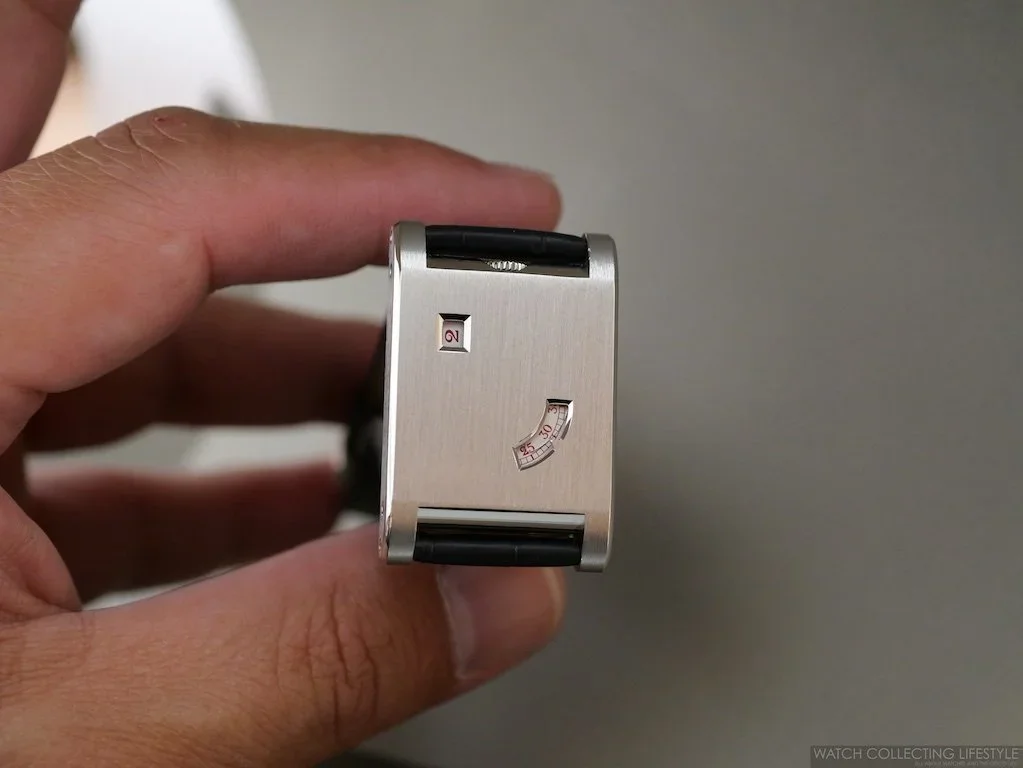
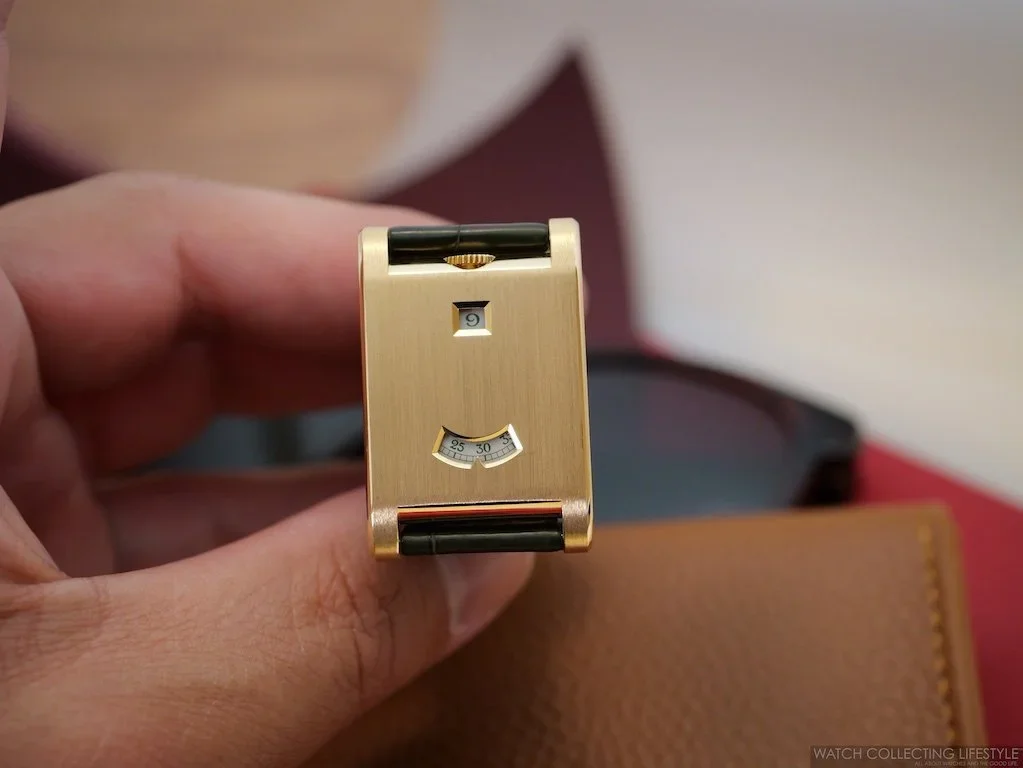
Yet it was the Cartier Privé Tank à Guichets that truly stirred collectors everywhere. This revival of one of Cartier's rarest watches, featuring aperture-style date displays, arrived in yellow gold and a platinum limited edition with oblique apertures. The latter's architectural approach to displaying the date through angled windows represented Cartier's Art Deco heritage at its most assured, proving that some complications are better expressed through geometric elegance than mechanical complexity.
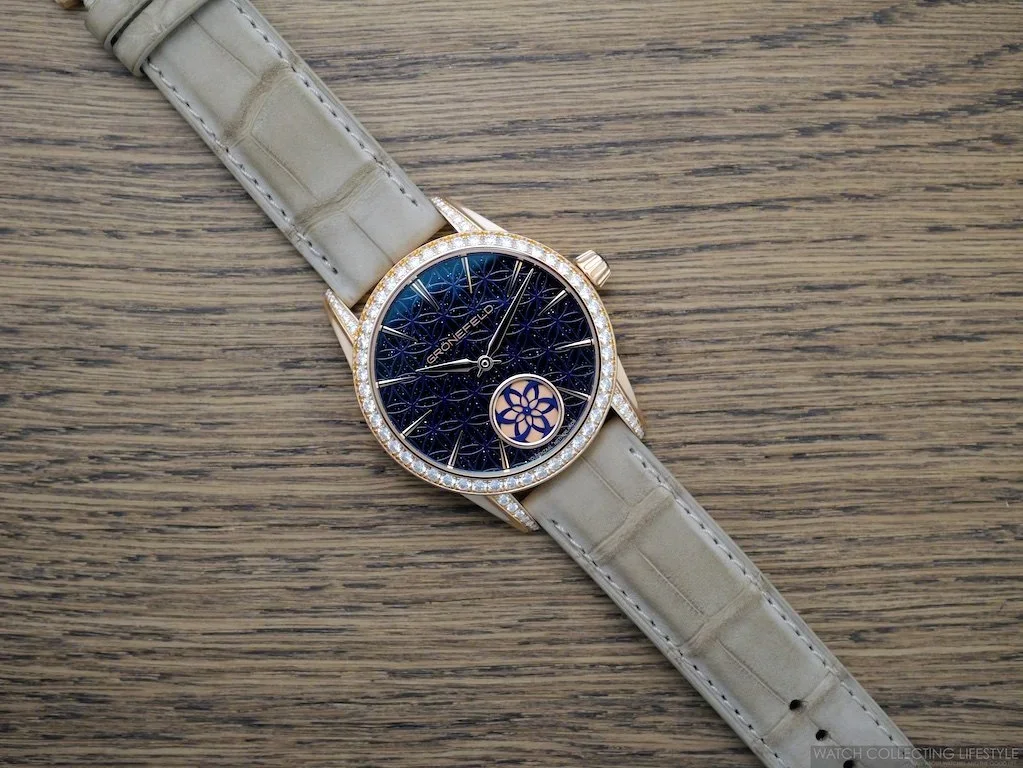
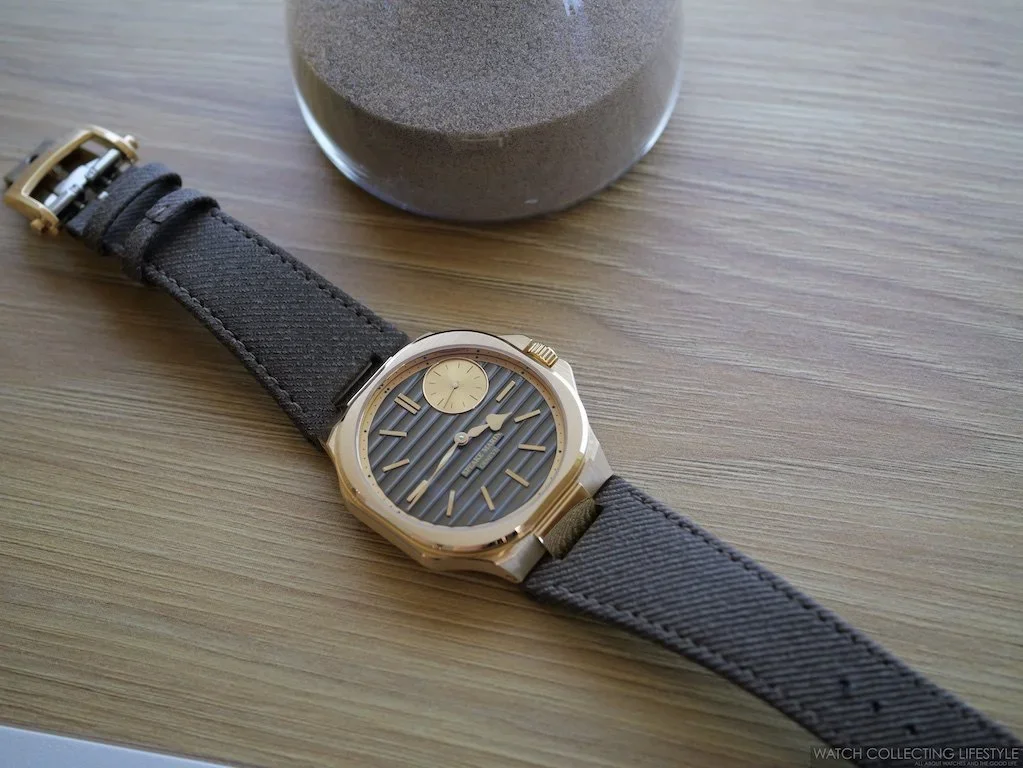
The independent watchmakers delivered equally compelling work throughout 2025. Grönefeld's 1944 Tanfana marked the brand's first ladies' watch, bringing its characteristic finishing and technical rigor to a smaller case without diluting its vision. Speake-Marin's Ripples Gold demonstrated Peter Speake-Marin's continued influence on the design language of independent watchmaking.
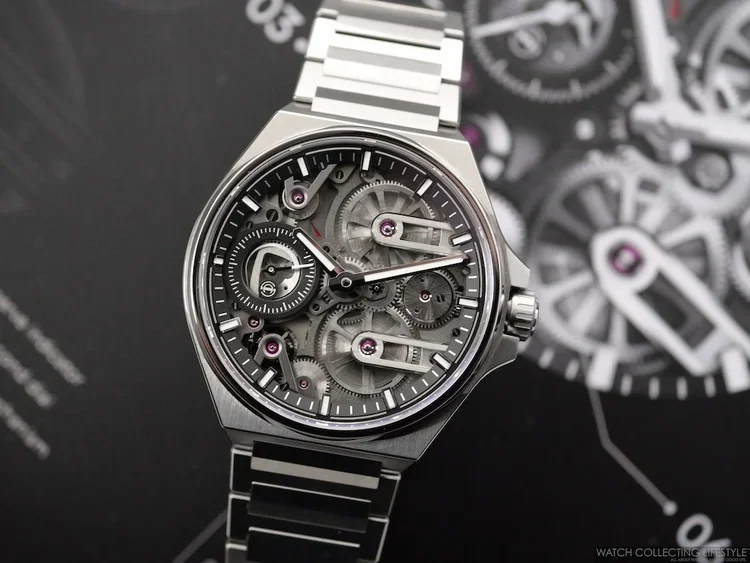
At the same time, Armin Strom's One Week Skeleton Titanium stands as a breathtaking testament to horological transparency—an open-worked masterpiece meticulously skeletonized to reveal the mesmerizing architecture of its mechanical heart. This new watch embodies the essence of skeletonization—a technique deeply embedded in Mr. Armin Strom's watchmaking philosophy and heritage.
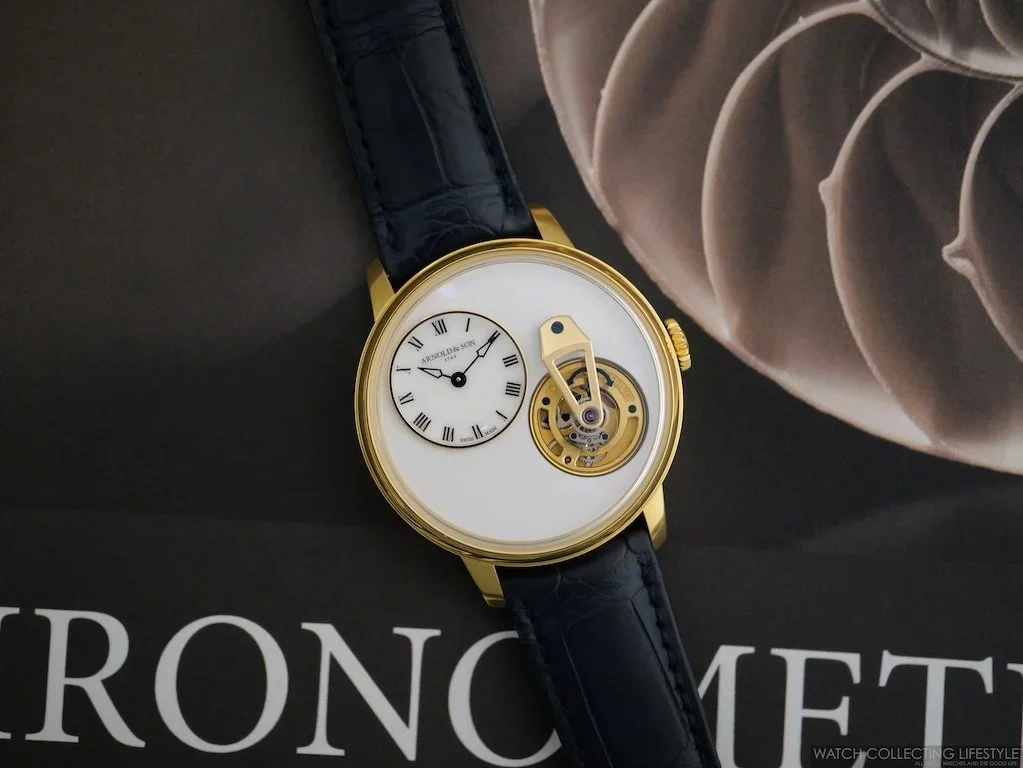
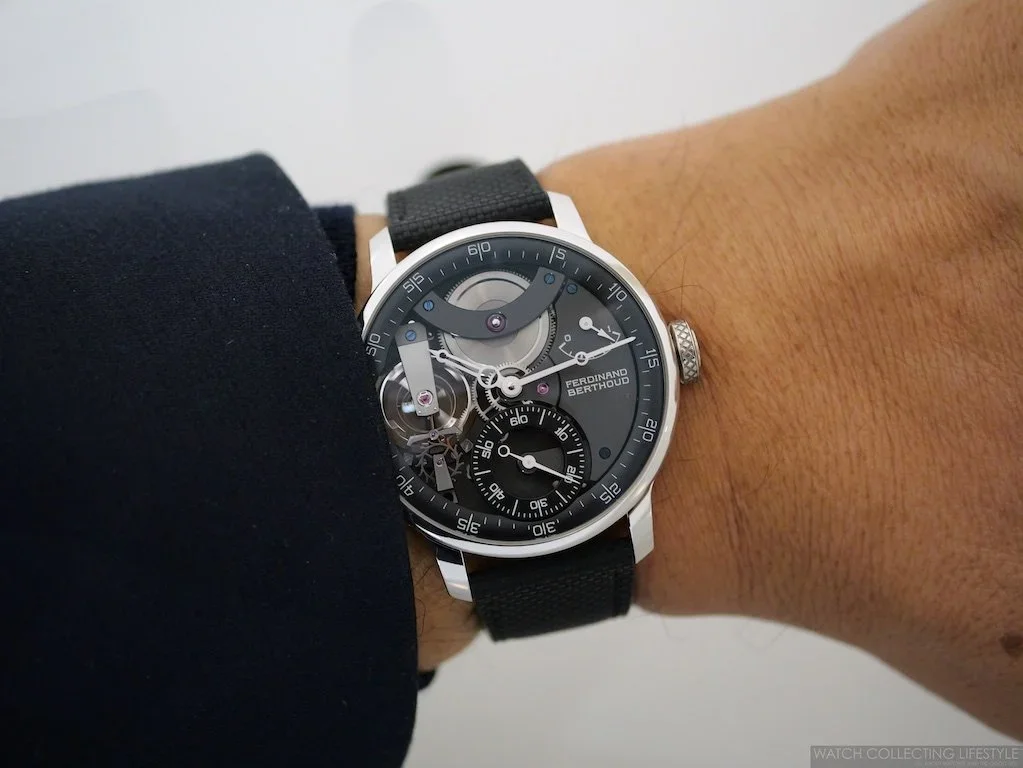
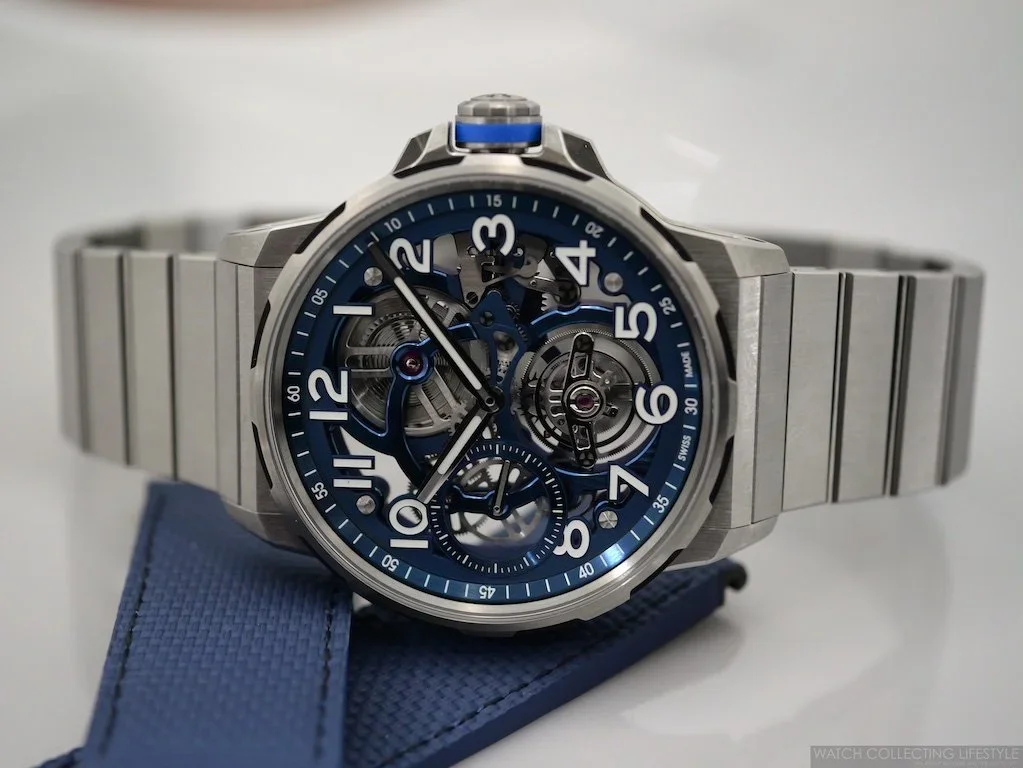
Arnold & Son's Constant Force Tourbillon 11 in yellow gold combines a constant-force mechanism with tourbillon regulation, reflecting independent watchmaking's willingness to layer complexity upon complexity in pursuit of chronometric excellence. Even established independents like Ferdinand Berthoud pushed boundaries with the FB 3SPC.3 in both pink and black variants. At the same time, Angelus's Flying Tourbillon in titanium blue reminded us why this resurrected marque deserves attention.
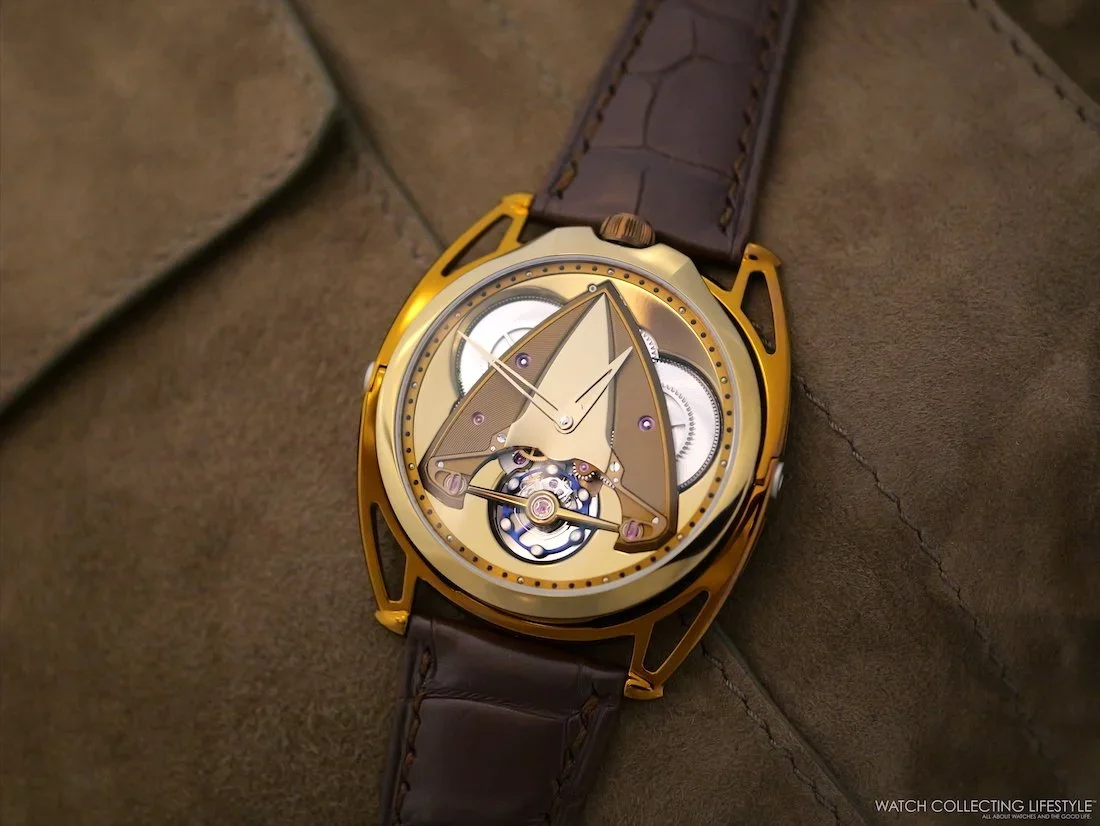
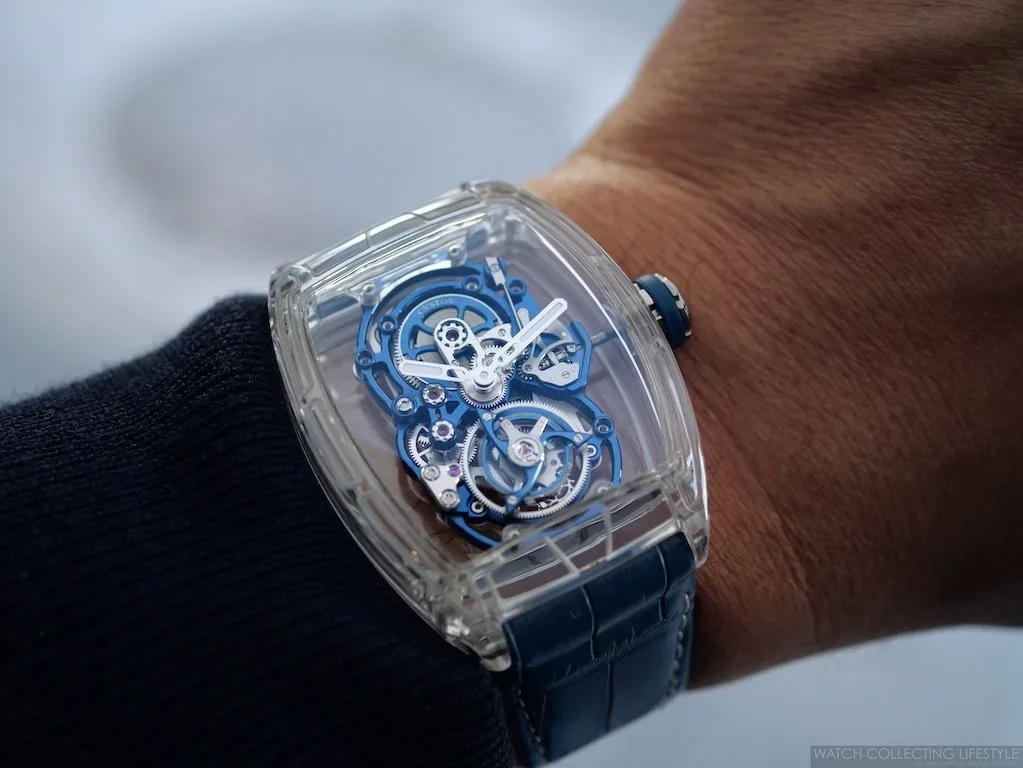
De Bethune reimagined its iconic DB28 in radiant yellow titanium, creating a masterpiece that burns bright with horological innovation, with a vision to transform titanium into something resembling captured sunlight. Finally, CVSTOS presented the Tourbillon 8—in a limited edition of 20 pieces—to celebrate 20 years of innovation and an avant-garde approach since its launch in 2005.
As we close this chapter and welcome 2026, 2025 stands as a year when watchmaking's vanguard demonstrated that innovation and tradition need not be in opposition. They can, when handled with sufficient skill and conviction, amplify one another.