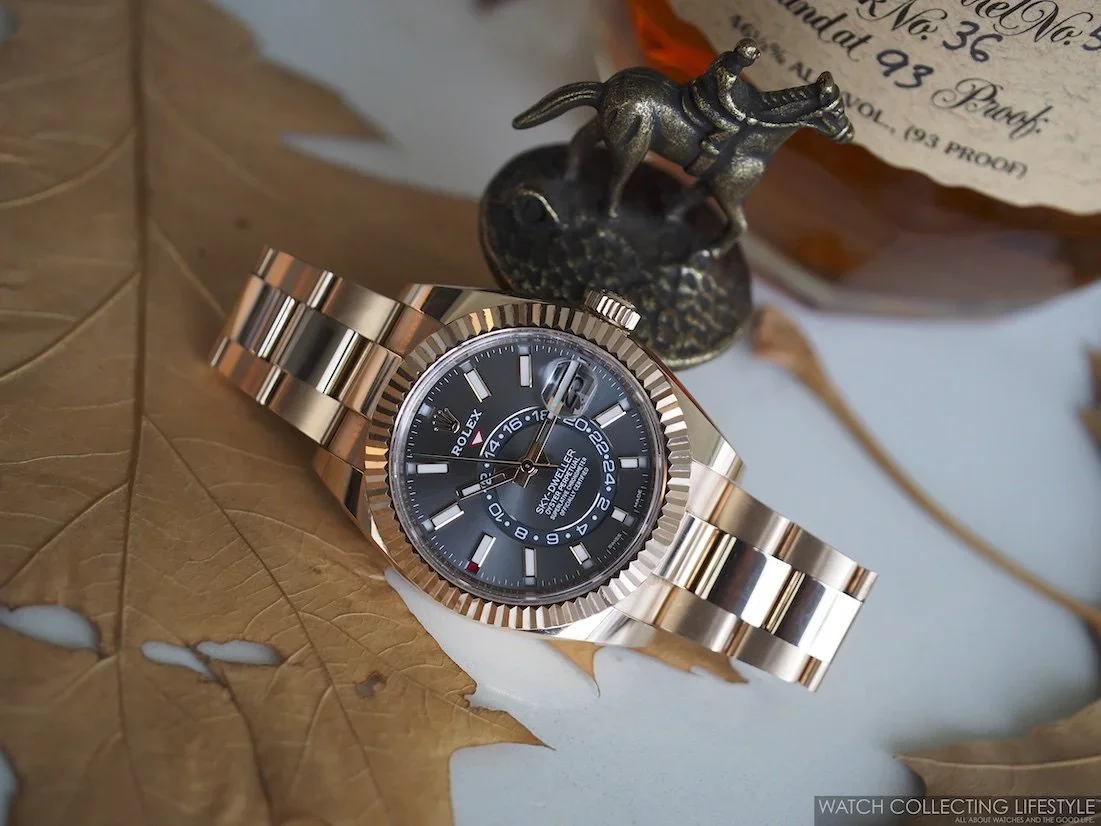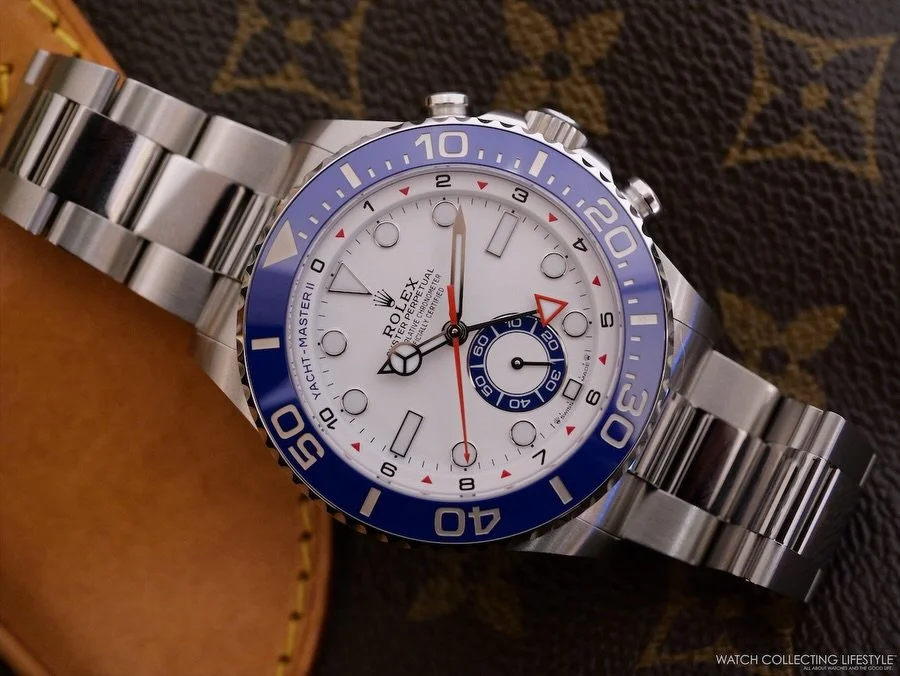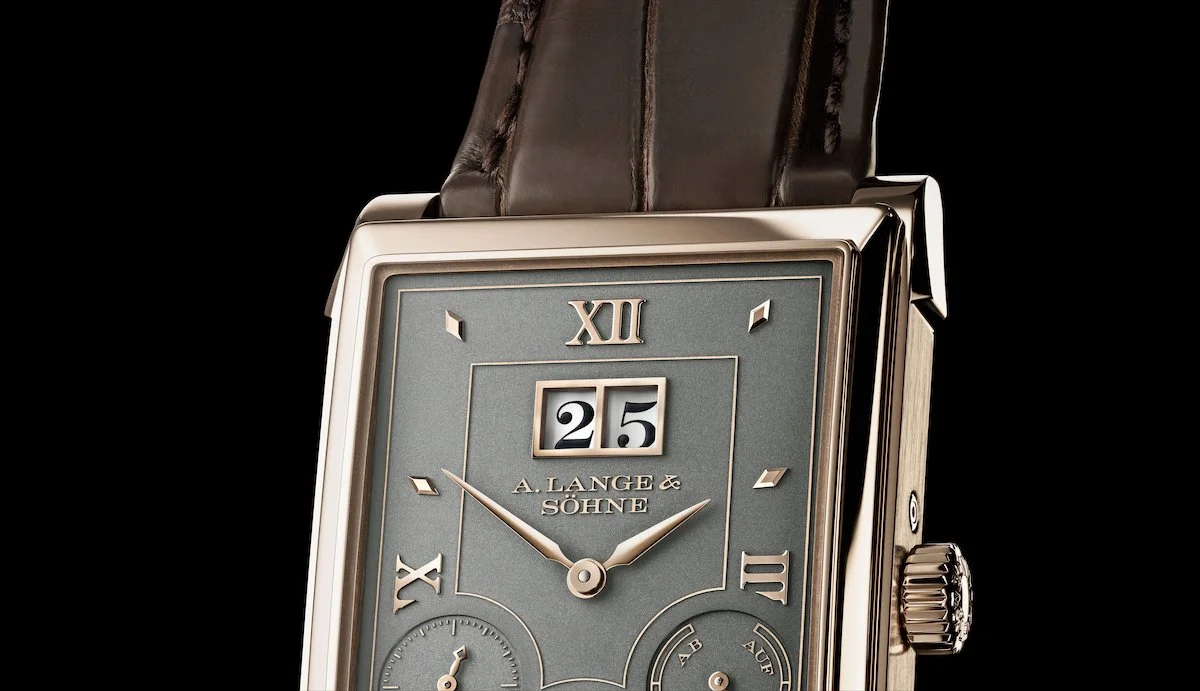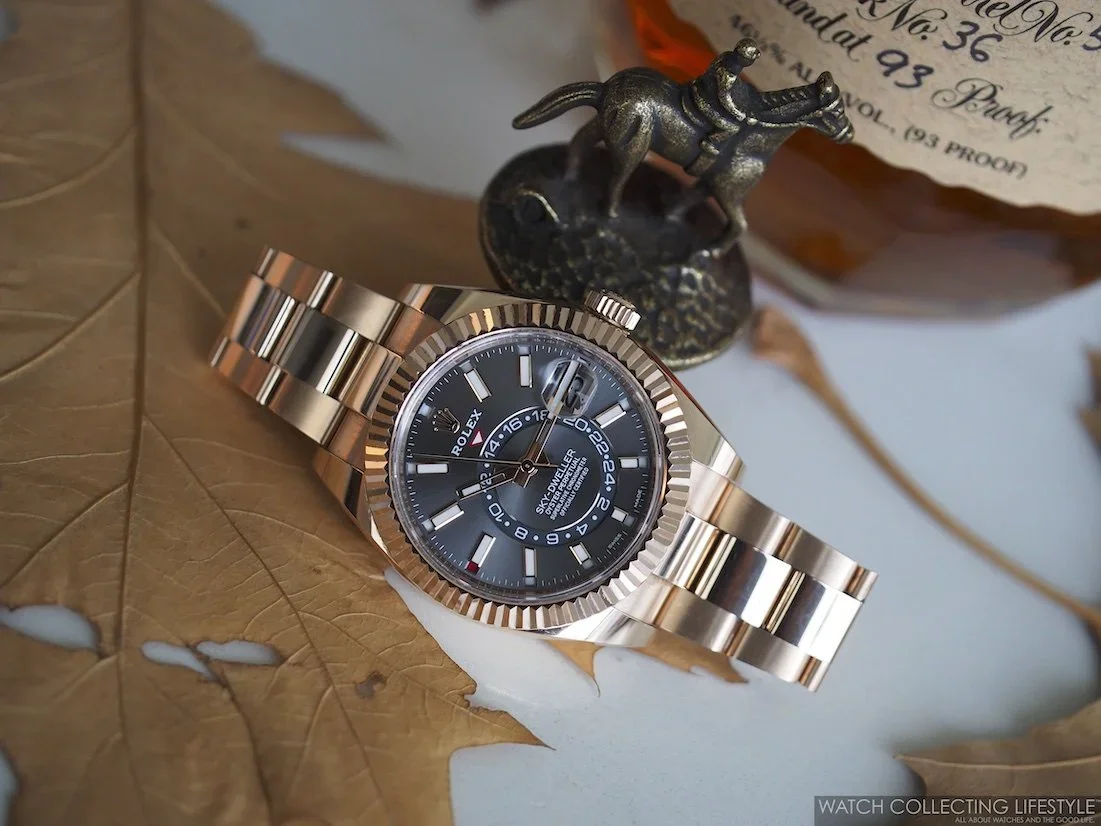
The latest watch industry figures paint a picture more of confirmation than revelation. Rolex continues to lead the watch industry, exceeding CHF 10 billion in estimated sales. Its revenues match the combined totals of the next five largest brands, including Cartier, Audemars Piguet, Patek Philippe, and Omega—ranked in order of importance. The top ten account for nearly 70% of premium export volumes and more than 80% above CHF 3,000. None of this surprises anyone who has been paying attention. What should concern collectors—and the industry at large—is what these rankings reveal about the transformation now accelerating beneath the surface.
The Dominance of the Few
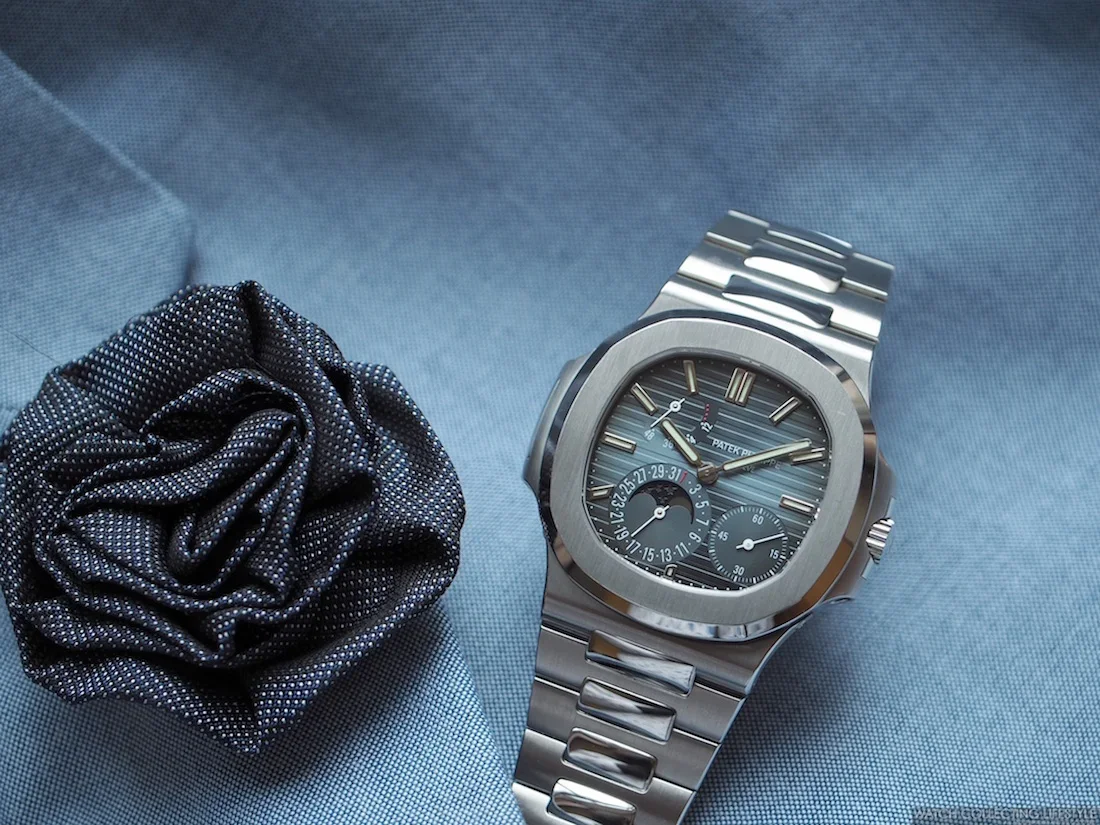
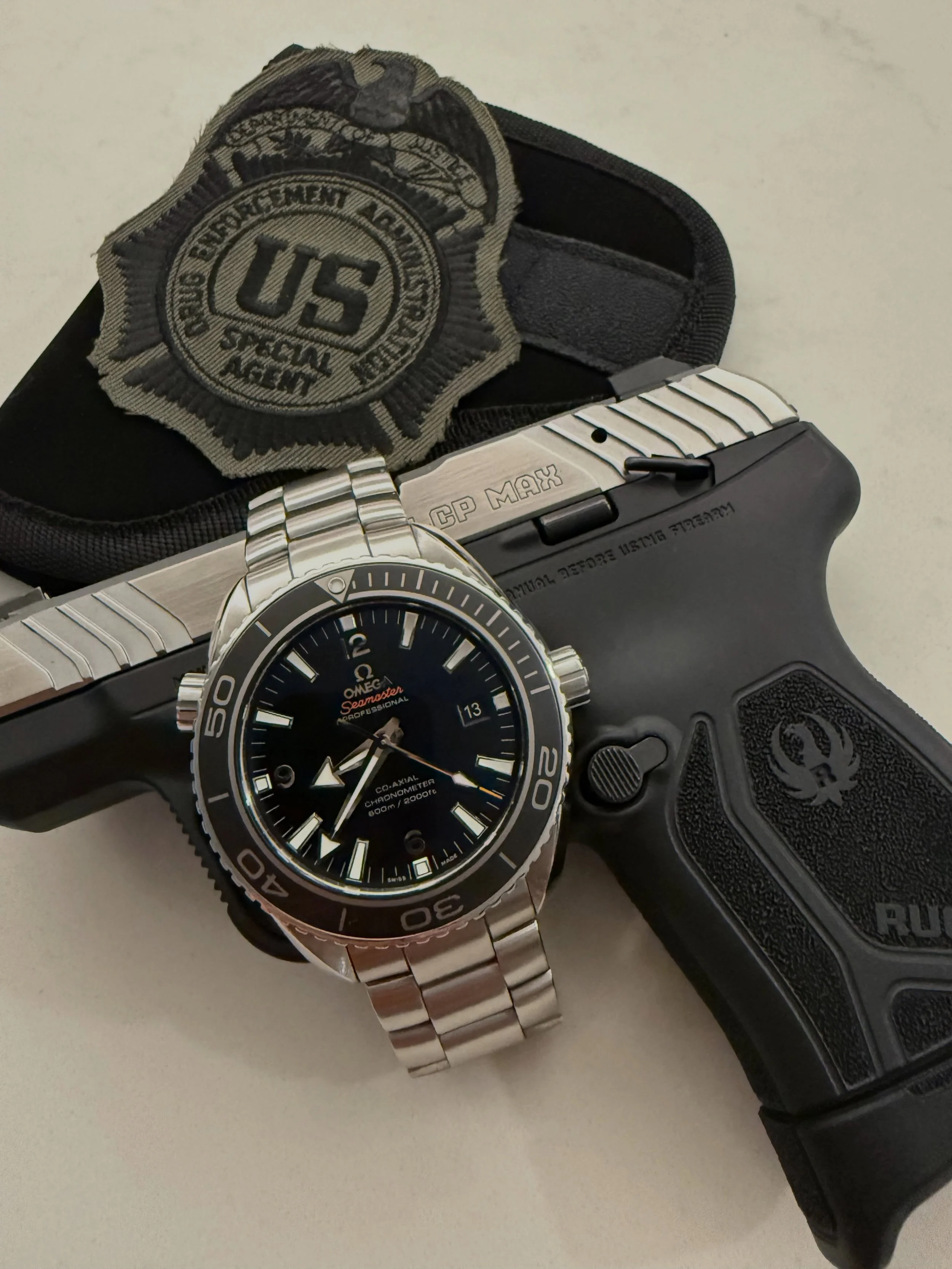
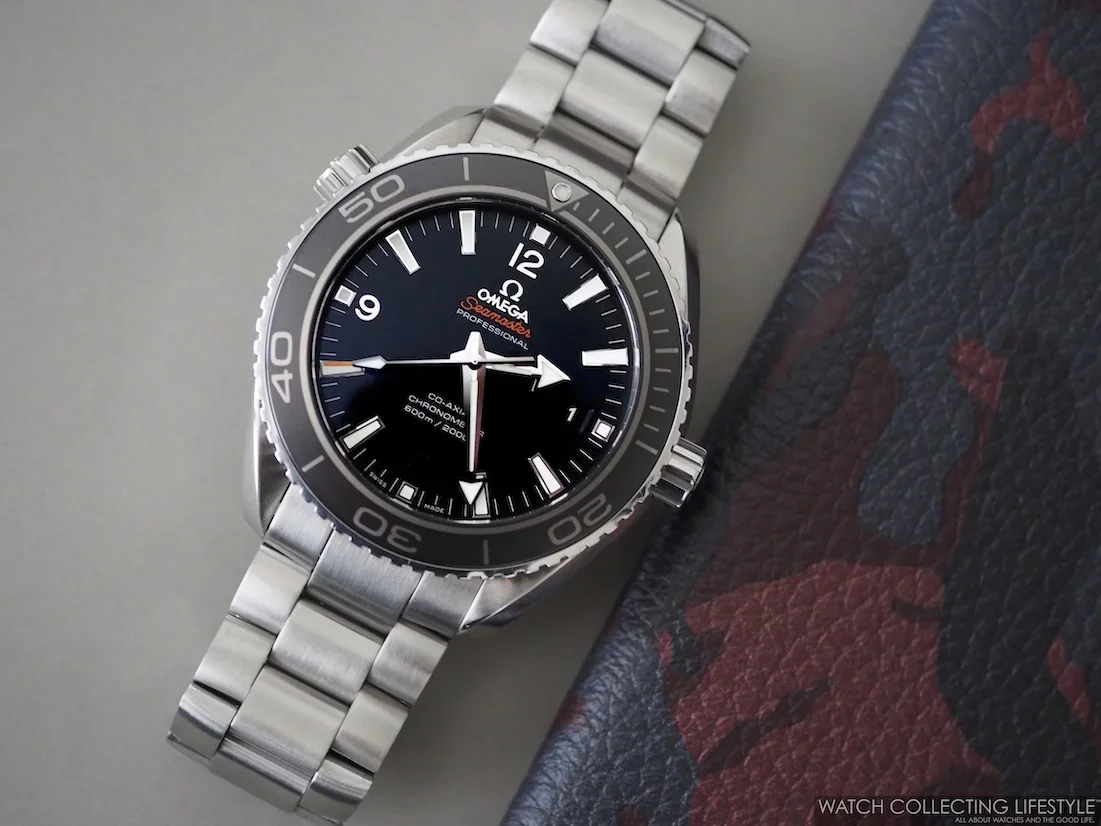
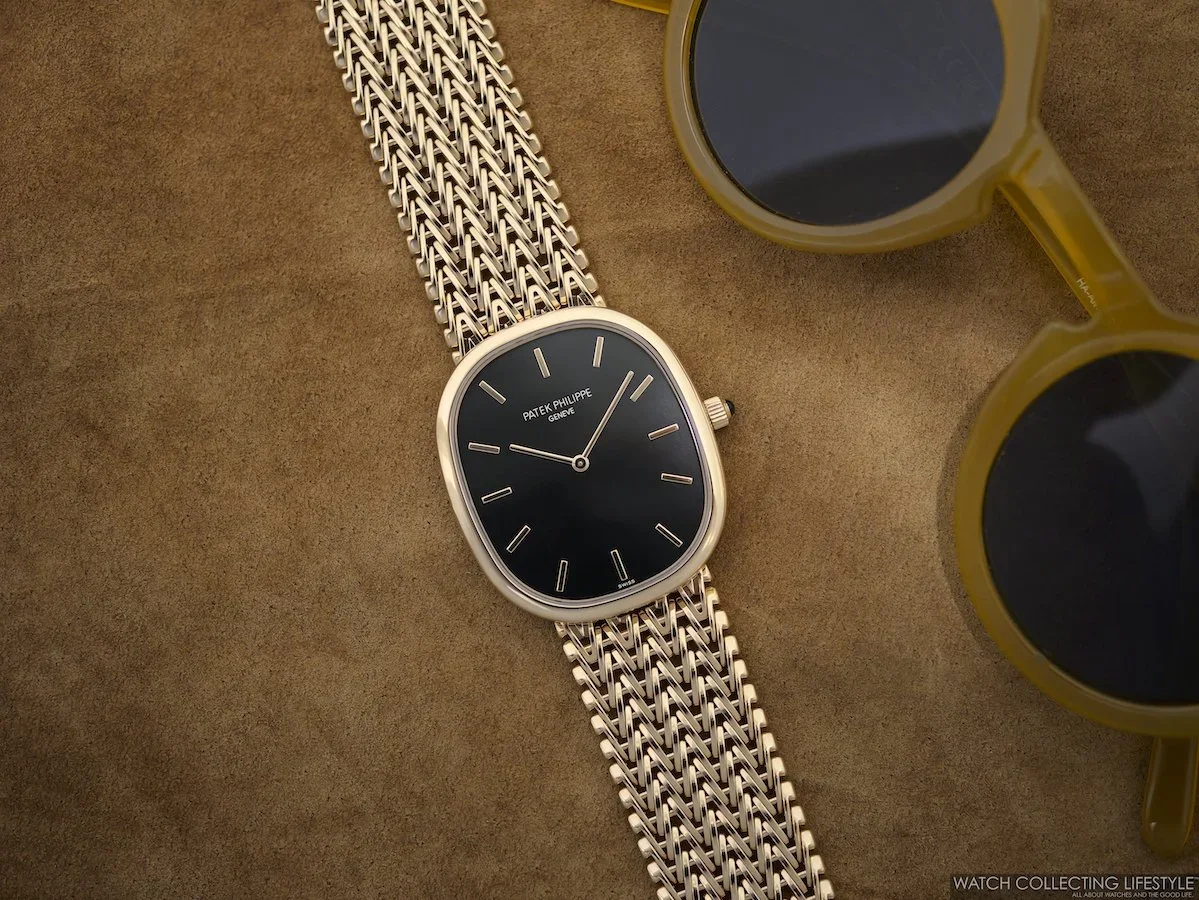
The Morgan Stanley and Vontobel report for 2025 placed Rolex at approximately CHF 10.5 billion with a 32% retail market share. Cartier followed at roughly CHF 3.3 billion, Audemars Piguet at CHF 2.4 billion, Patek Philippe at CHF 2.3 billion, and Omega at CHF 1.6 billion.
Together, Rolex, Patek Philippe, Audemars Piguet, and Richard Mille—due to their high average pricing per watch—held a combined 47% of the market in 2024, up from approximately 37% in pre-pandemic 2019. The latest estimates from Swiss bank Vontobel confirm the trend has only intensified through 2025.
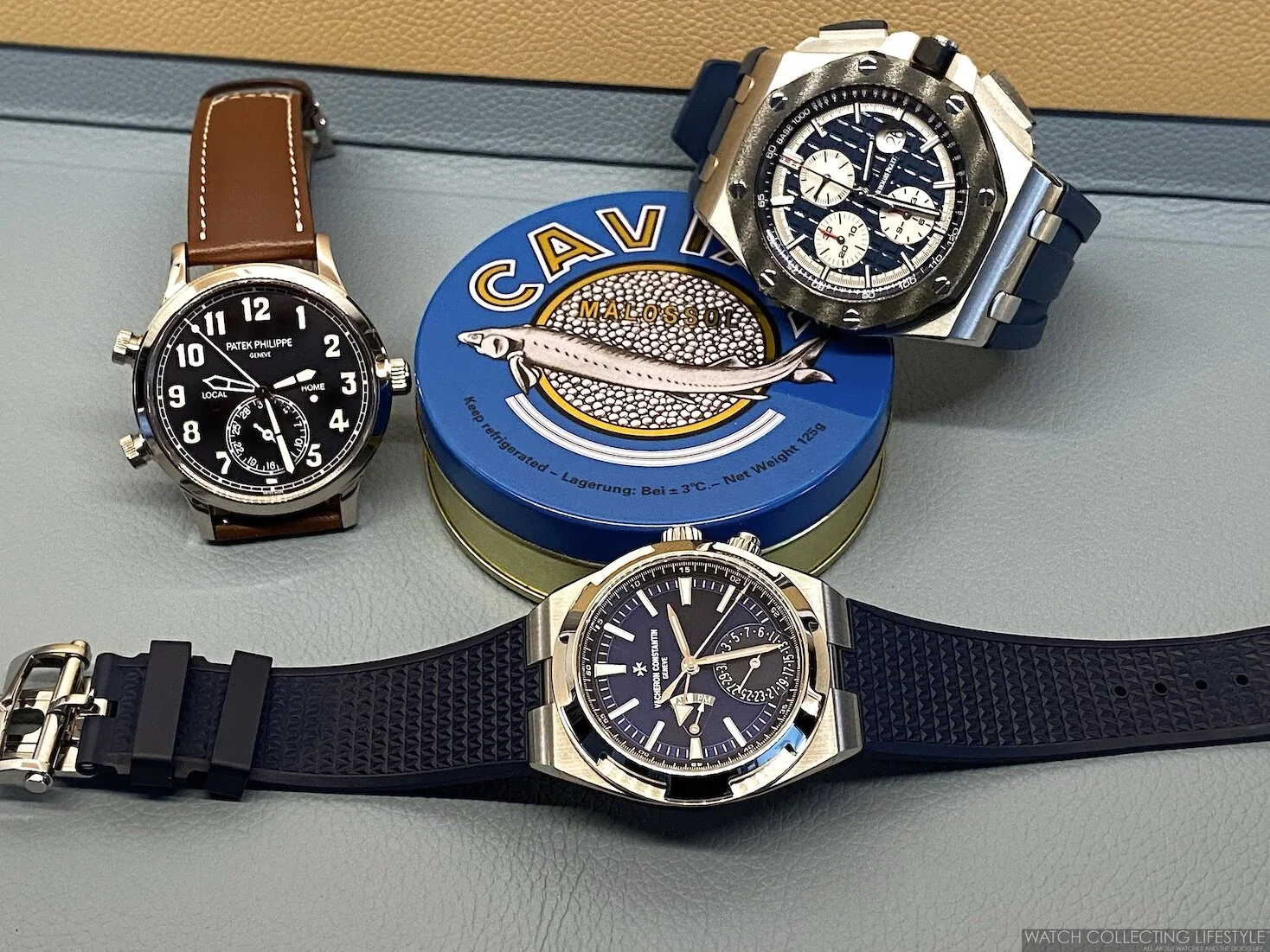
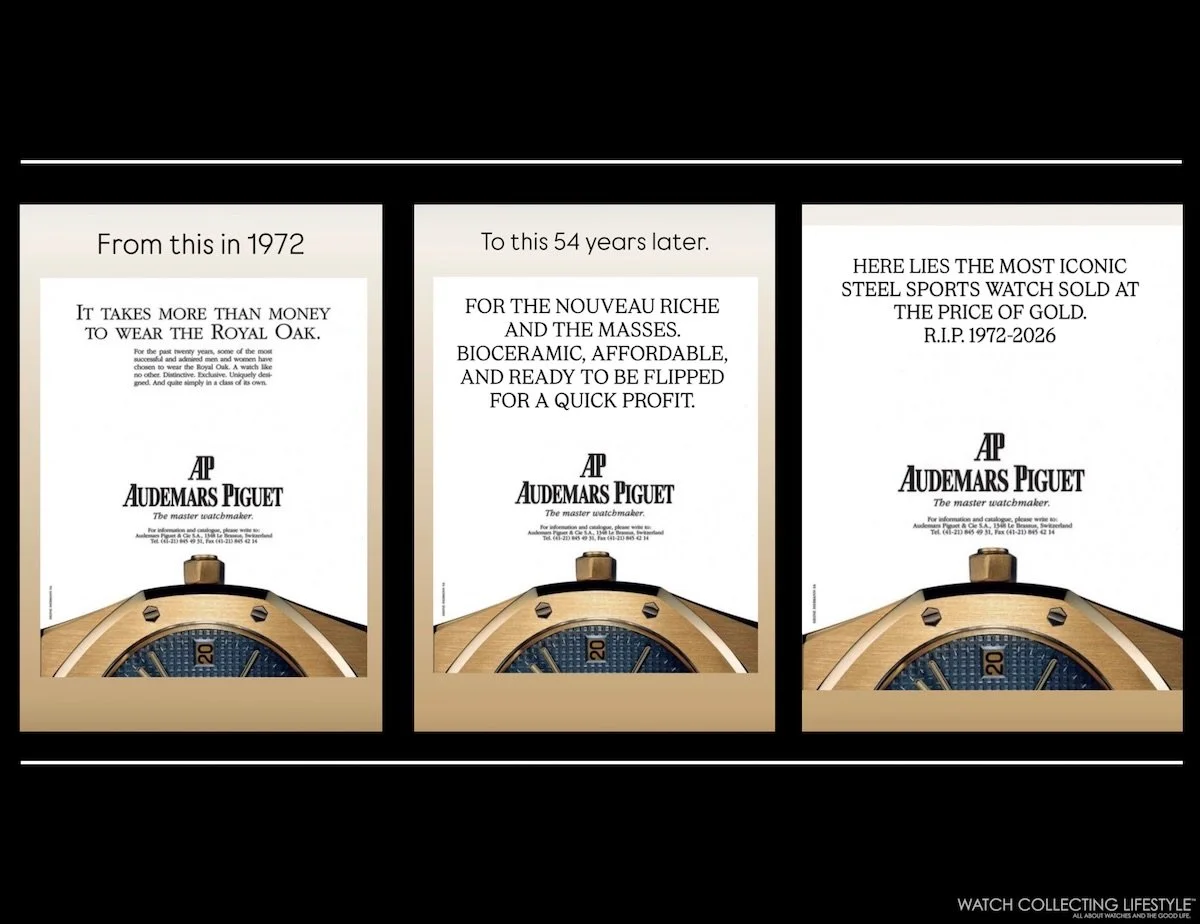
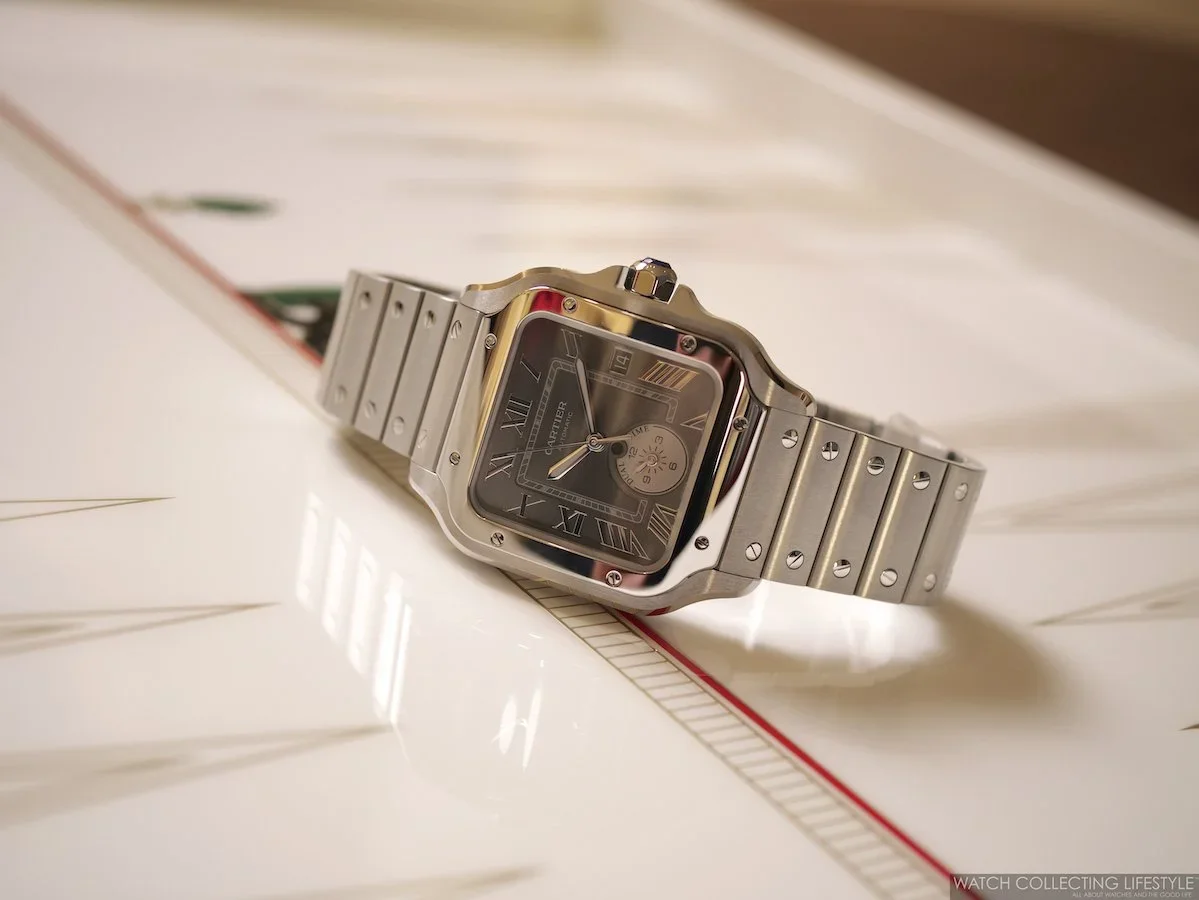
Cartier's momentum under Richemont has been exceptional, benefiting from a brand identity that transcends pure watchmaking and is positioned as the second-largest brand in the ranking. Audemars Piguet and Patek Philippe, producing roughly 51,000 and 72,000 watches, respectively, generate revenues that dwarf those of brands producing five or ten times as many pieces. Richard Mille, with even smaller volumes, commands average transaction prices that place it in a category of its own.
Rolex: Fewer Watches, Greater Control
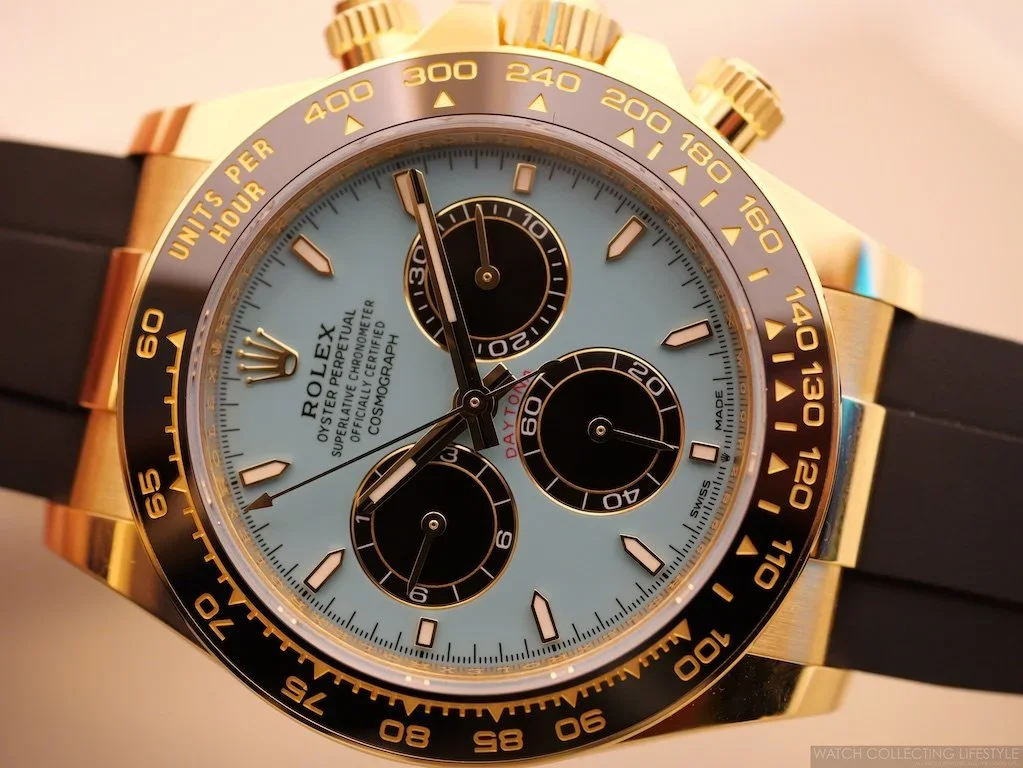
Perhaps the most consequential data point is that Rolex has trimmed production for the second consecutive year—deliberately—prioritizing scarcity and pricing power over incremental unit growth. The brand now accounts for roughly 61% of sales by value of Swiss watches priced above CHF 3,000, up from 57% in 2023. Rolex is producing slightly fewer pieces yet capturing a larger share of the high-end market than at any point in its history. It is not going to solve scarcity by making more watches. It will manage it as a permanent feature of its business model.
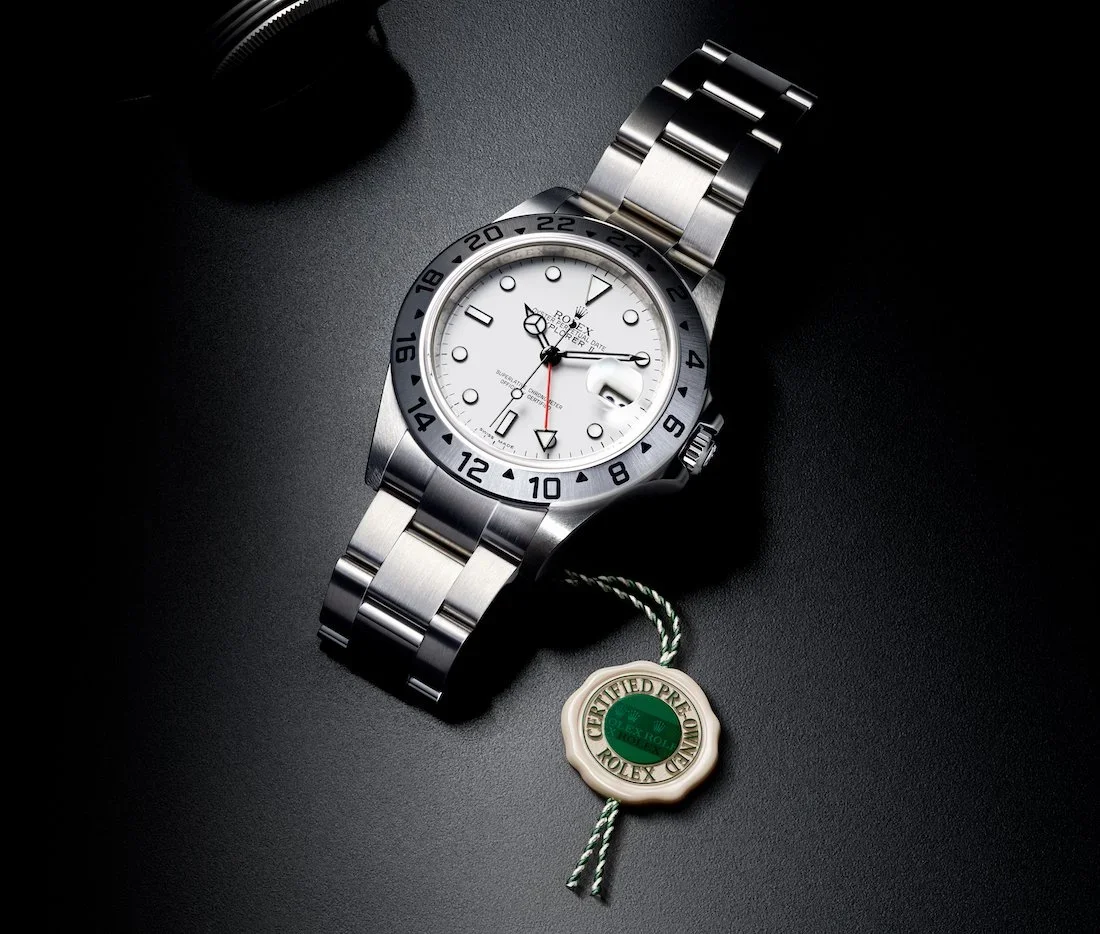
Simultaneously, Rolex's Certified Pre-Owned program has emerged as a quietly transformative revenue engine. Estimated at approximately CHF 500 million in 2025 sales—across 144 authorized retailers in 21 countries—CPO generates hundreds of millions without manufacturing a single additional watch. The program is less than four years old and already commands an estimated 10% of total pre-owned Rolex sales by value.
For context in a parallel industry, roughly 67% of Mercedes-Benz automobile transactions by value flow through their authorized channels for CPO and new vehicles.
Rolex is building a closed ecosystem that controls not only the primary market but increasingly, the secondary one as well since the launch of its Rolex CPO programme.
The Middle Ground Erodes
While the top brands consolidate, the broader high-end segment is contracting. Over the past two years, watches priced above CHF 3,000 have exported roughly 220,000 fewer units—a decline of just over 10%. Yet watches priced above CHF 20,000 increased by nearly 50,000 additional pieces. The core segment between CHF 3,000 and CHF 20,000 has shrunk far more sharply than headline figures suggest. Ultra-luxury is absorbing an outsized share of the industry's value.
The conglomerates are feeling this acutely. Swatch Group—the largest watch company by sales as recently as 2019—reported 2025 net sales of CHF 6.28 billion, down 5.9%, with operating profit falling to CHF 135 million from CHF 304 million.
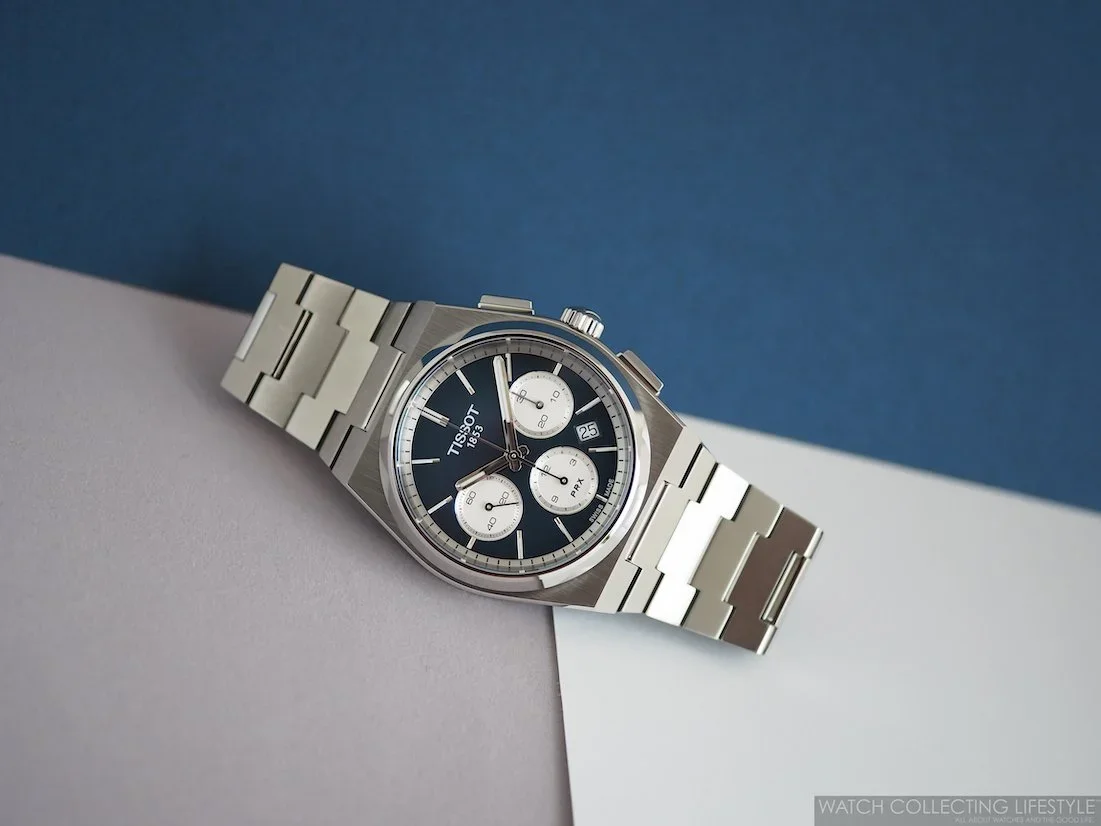
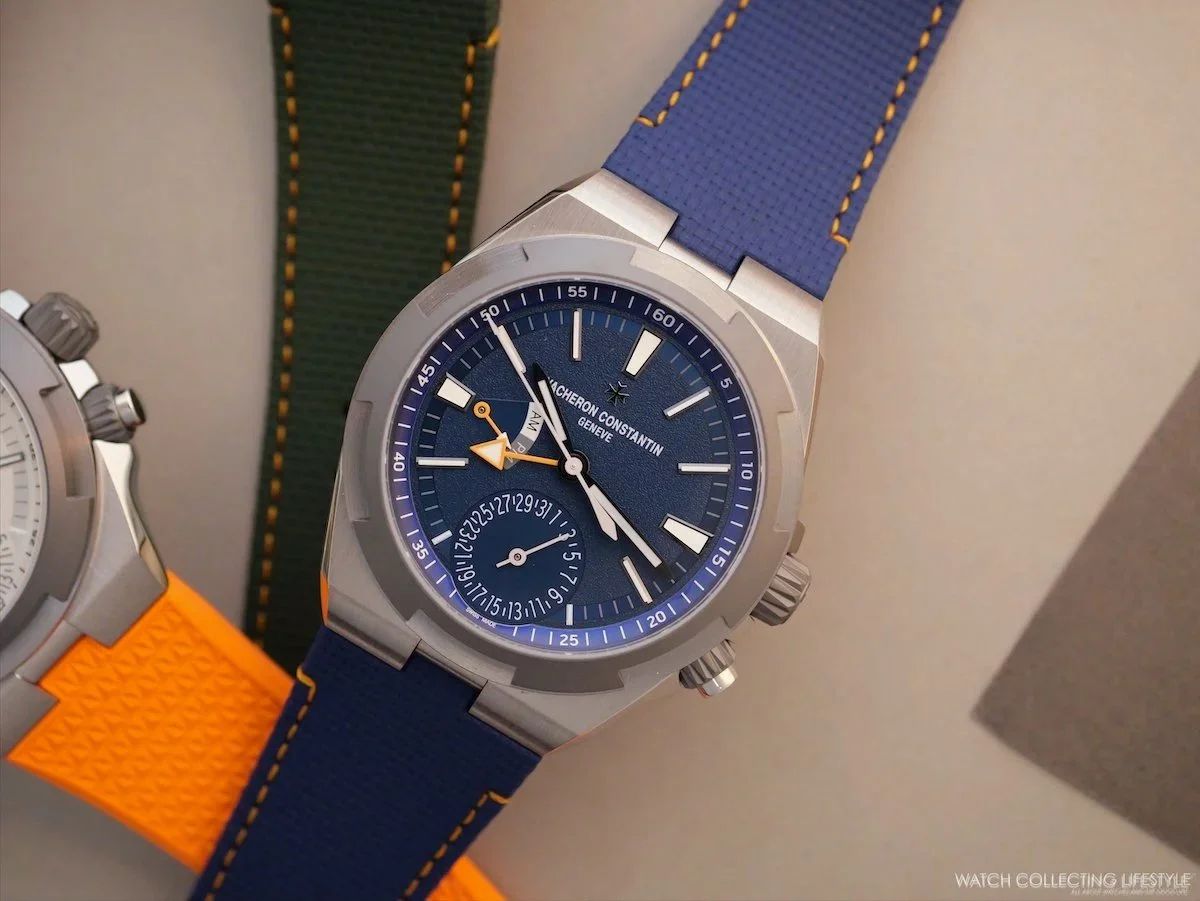
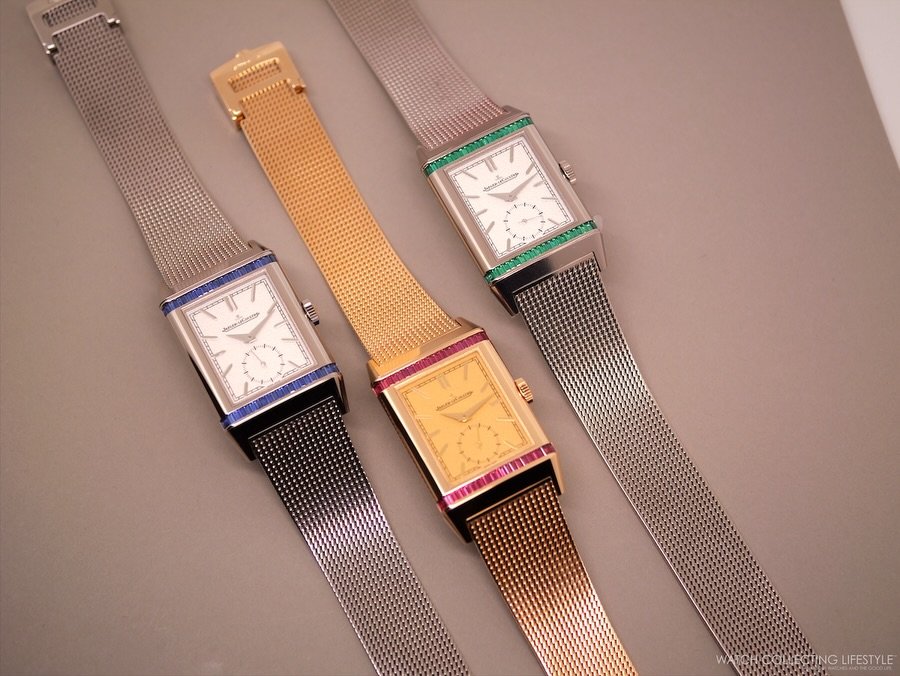
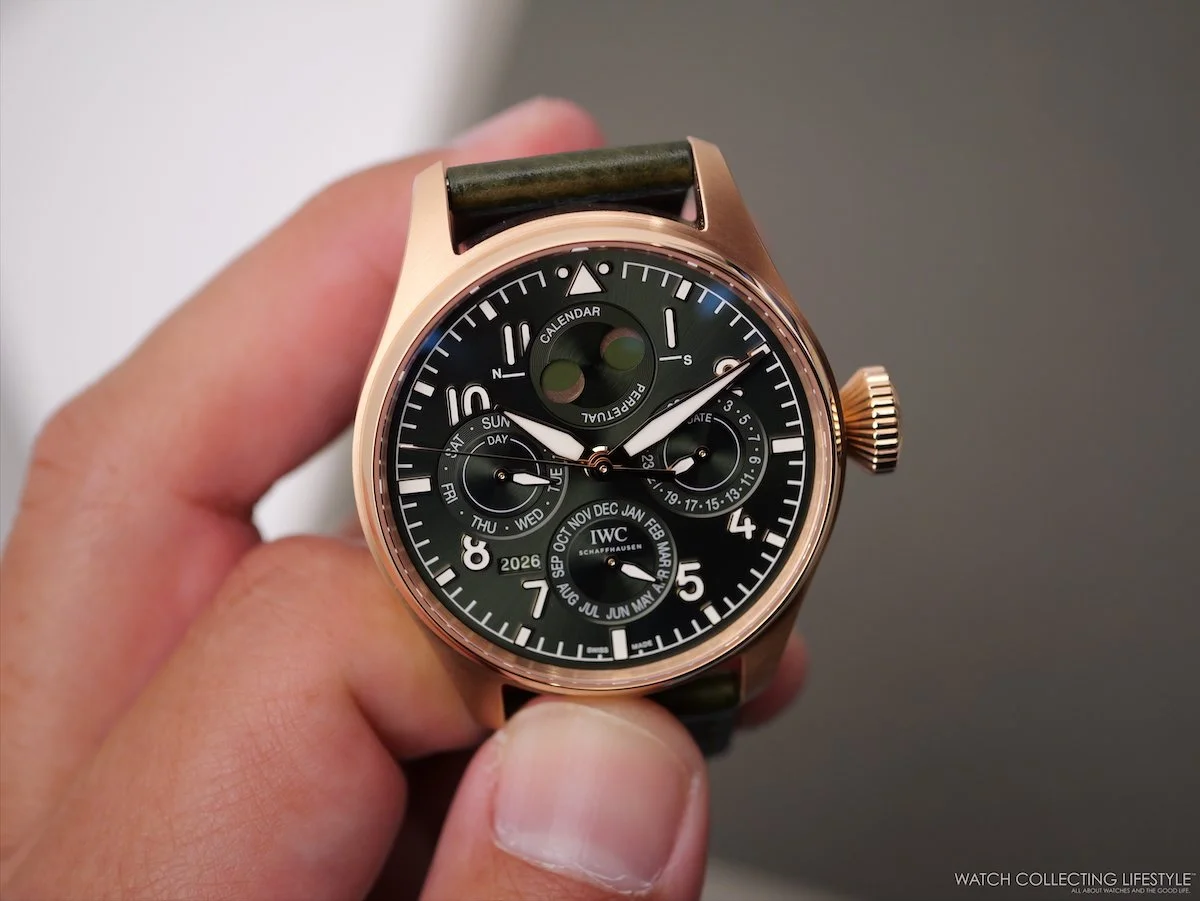
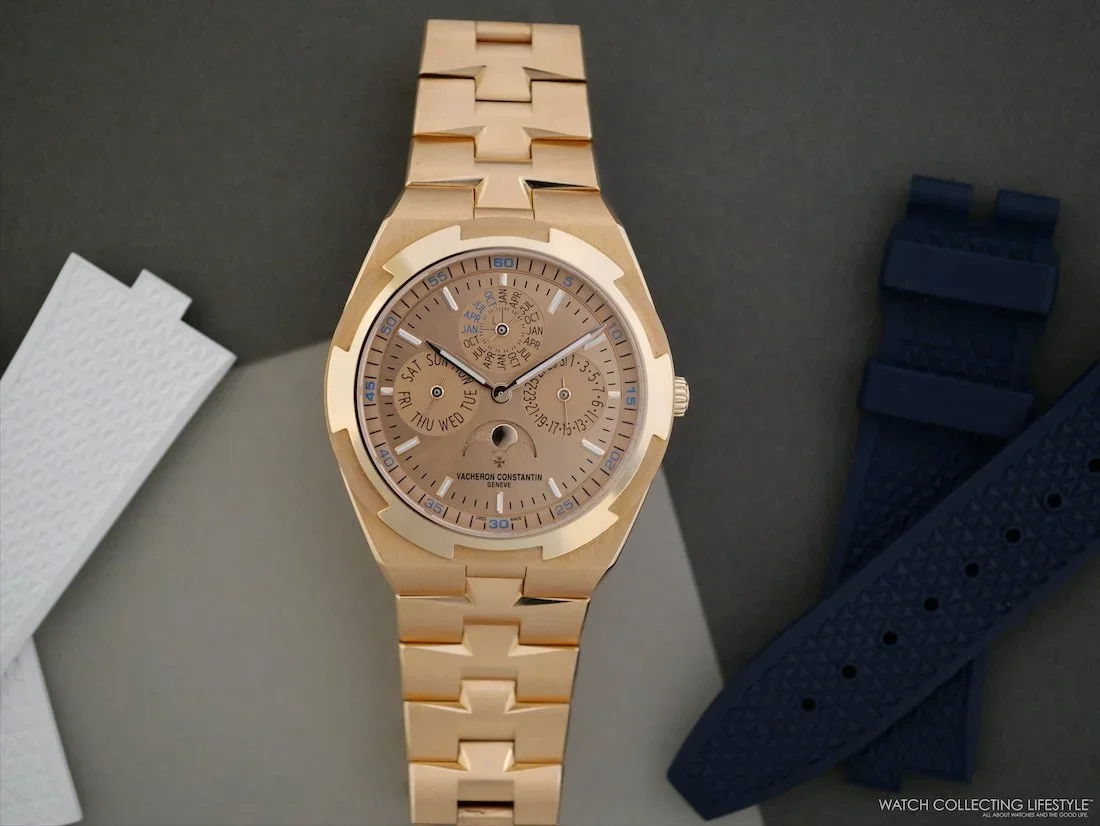
Even Omega, Longines, and Tissot, which showed strength in the Americas, could not fully offset the damage from China's continued contraction, where wholesale declined by more than 30% in the first half. Some of Richemont's specialist watchmakers—Panerai, IWC, Jaeger-LeCoultre—saw sales fall 7%, while its jewelry maisons rose 11% and Vacheron Constantin climbed to almost one billion mark in sales. The pattern is unmistakable: within the conglomerates, only brands with the desirability and pricing power of independent houses are thriving. Vacheron Constantin is now ranked 8th among the most important watch brands, up from 15th in 2019.
LVMH's entire watch division holds less than 6%. Meanwhile, Patek Philippe alone—with estimated revenues of CHF 2.3 billion—surpassed the combined output of every LVMH watch brand. Tissot and Longines hold their positions in the top ten, but they are fighting a different battle entirely—defending the entry-level and mid-range segments against smartwatch competition and micro-brands, a war of volume where margins are thinner, and brand loyalty is harder to sustain.
What This Means for Collectors
Read alongside the FH's 2025 export figures—CHF 25.5 billion, down 1.7% with volumes declining 4.8% to 14.6 million units—these rankings paint a picture of an industry smaller in volume but more concentrated in value than at any point in modern history.
The brands at the top are not merely succeeding; they are systematically absorbing market share from everyone else. Their watches will continue to hold and build value because these houses control production, distribution, and increasingly the secondary market itself. The gap is structural, not cyclical.
The hollowing out of the CHF 3,000 to CHF 20,000 segment—historically the gateway to serious collecting—signals a long-term reorientation toward a bifurcated structure: accessible watches and ultra-luxury, with an increasingly thin middle ground. The era where a rising tide lifted all boats is over. What we are witnessing is a market that rewards conviction—in design, in positioning, in distribution discipline—and punishes ambiguity. The rankings make it unmistakably clear that the industry has decided who its winners are.
Today, watch collecting has evolved into a mindset in which watches are the new currency, and collectors are no longer in it for the mere pleasure of collecting what they admire from a horological standpoint, but for the gains that their watch collector’s portfolio represents.