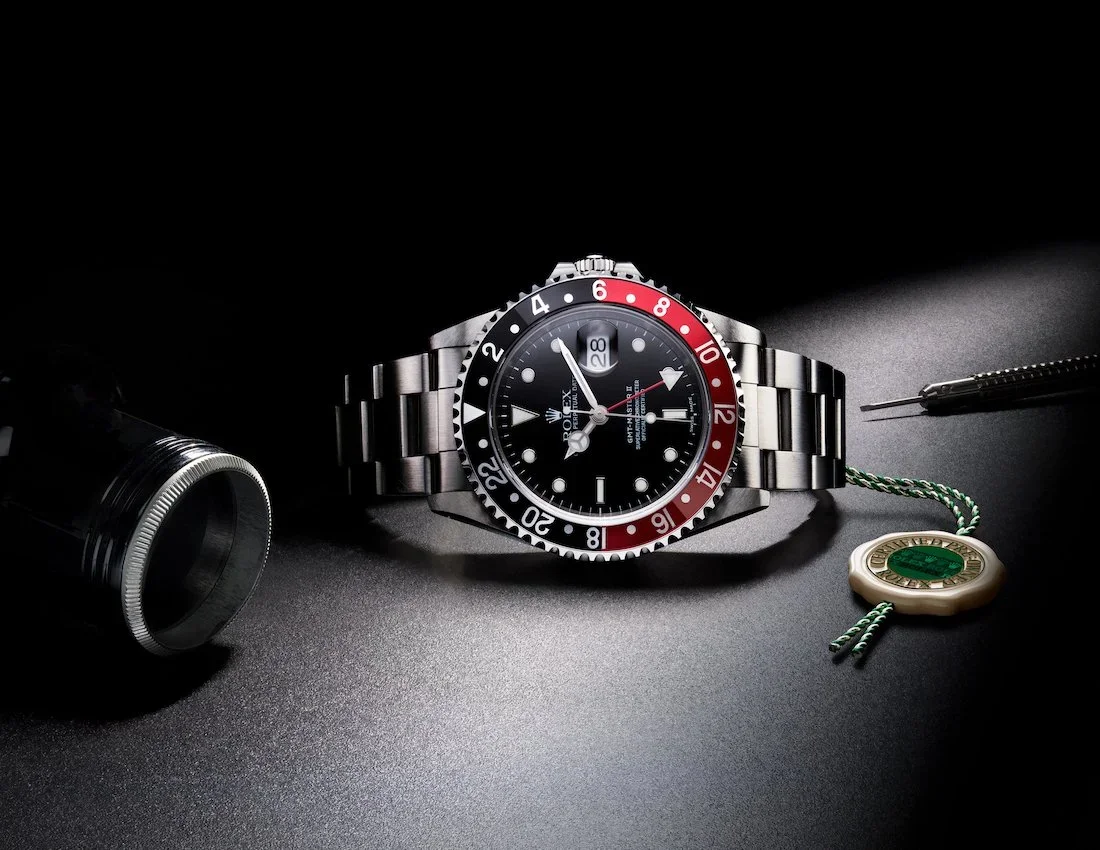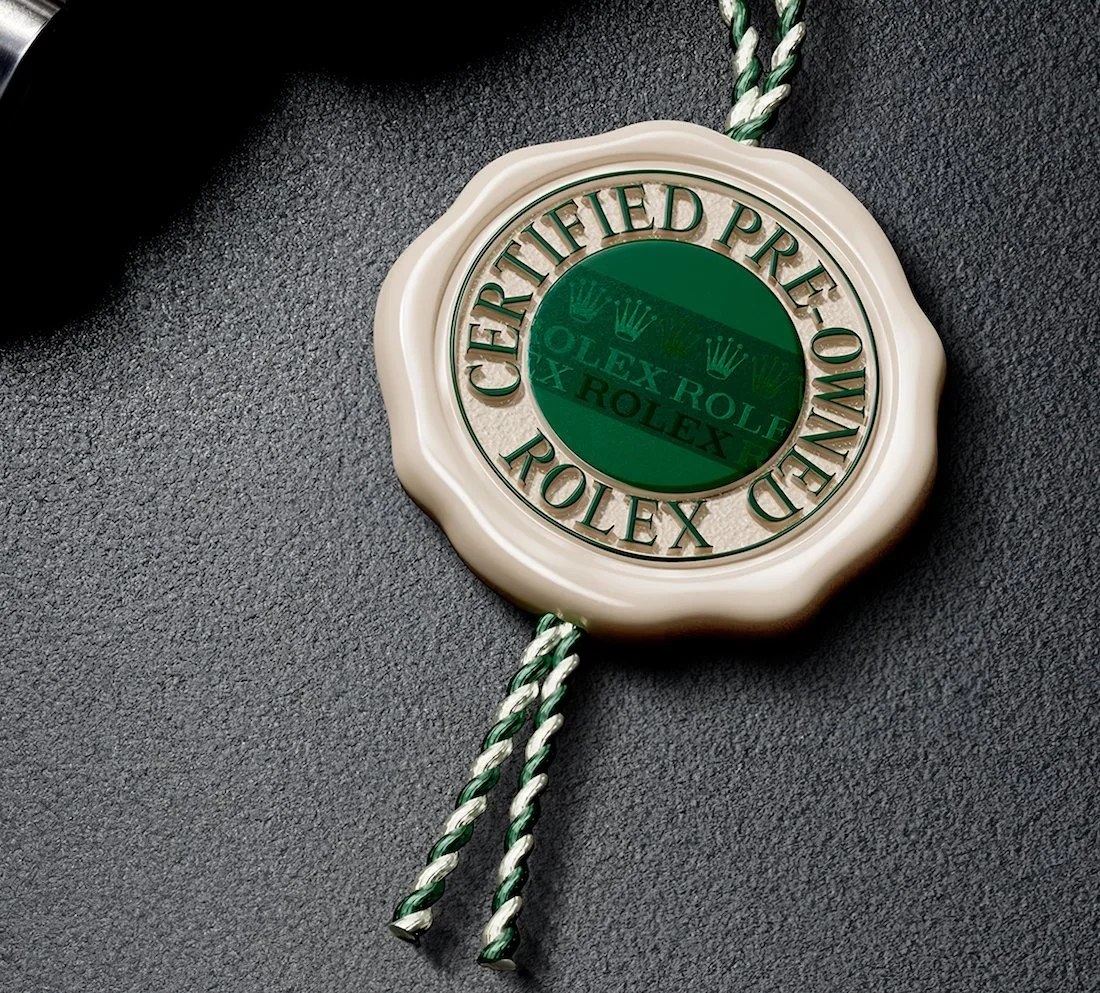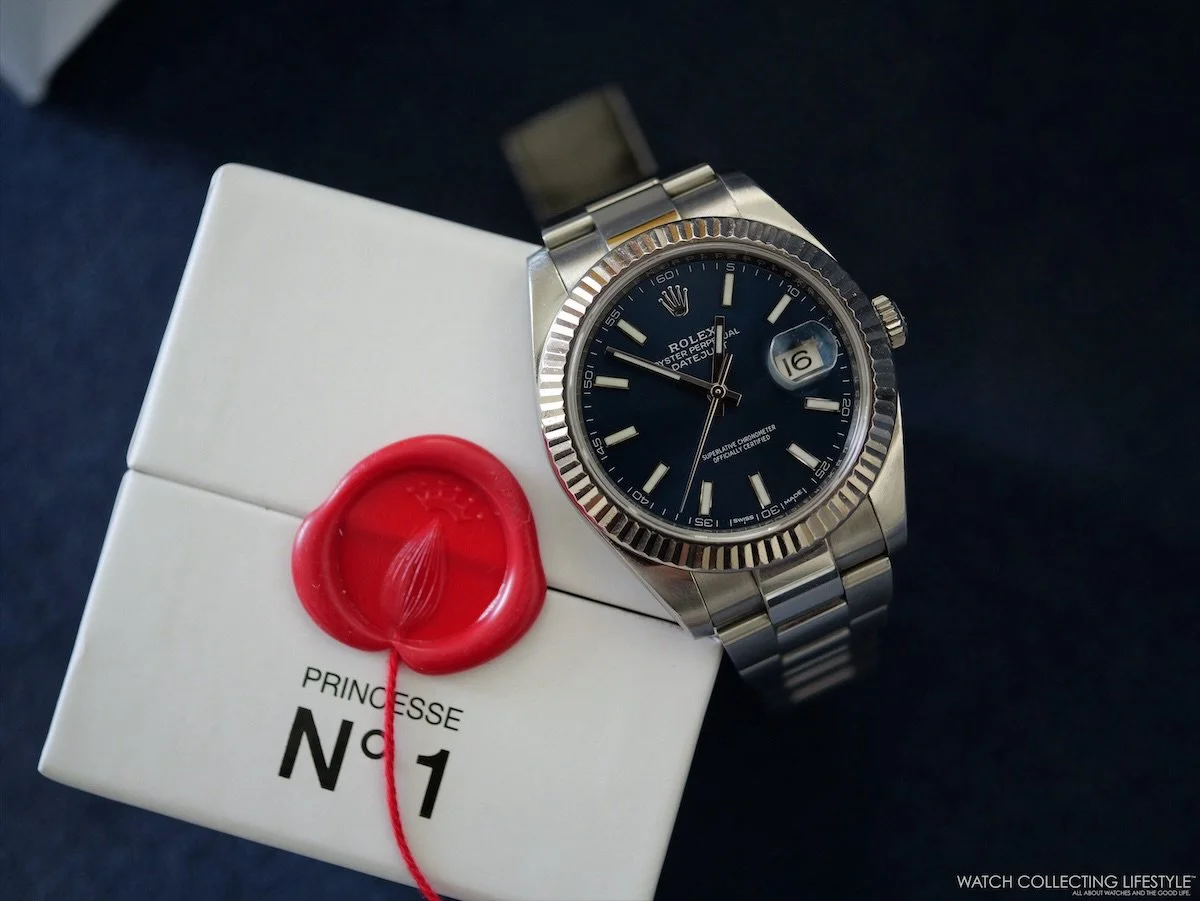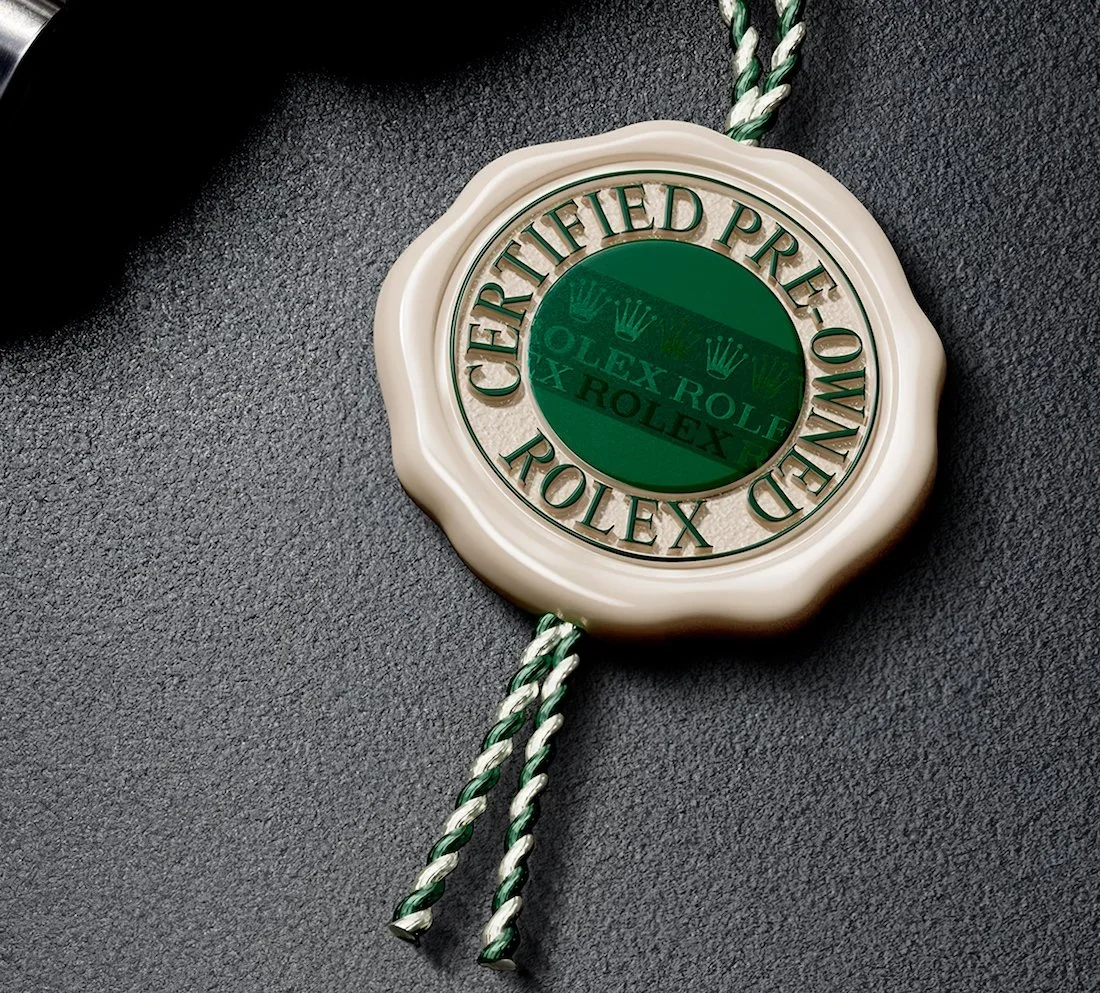
In December 2022, when Rolex announced its Certified Pre-Owned programme through Bucherer, I wrote: “The impact will be minimal on the grey market.” I also predicted that "the ones that might hurt some, are the pre-owned dealers with a brick and mortar storefront that try to buy inventory almost as low as ADs. These are the guys that better be prepared to start buying pre-owned Rolexes at a higher number and sacrifice profit in lieu of volume." Three years and roughly USD 590 million in annual Rolex CPO sales later, it's worth revisiting those predictions against the data.
What I Got Right
The grey market hasn't collapsed. Independent dealers, online platforms, and private transactions still account for approximately 89% of all pre-owned Rolex sales by value. Knowledgeable buyers who do their own due diligence continue to find better pricing outside the authorized ecosystem.
More specifically, my prediction about which dealers would suffer has proven accurate. The mid-tier grey dealers—those with physical storefronts who purchased inventory at prices close to what ADs would pay— are precisely the segment being squeezed. They lack the scale to compete on price with the new CPO mega-operators and the authentication credentials to compete on trust with Rolex's own seal. Narrowing the middle ground, compressed from both sides, exactly as I anticipated.
What I Underestimated
I expected the Rolex CPO Programme to remain a prestige exercise operating at the margins of the secondary market. The data says otherwise.
Some estimates suggest that Rolex CPO generated approximately USD 590 million in 2025, representing roughly 11% of all pre-owned Rolex transactions by value. The programme now operates across 227 points of sale with approximately 8,500 watches available at any given time. In May 2025, Rolex reduced eligibility from 3 years to 2. Dedicated CPO lounges have opened in Geneva and Zurich, with more planned. Permanent infrastructure, not a tentative experiment.
What I failed to anticipate was Rolex's willingness to reshape its tail infrastructure. The formation of The 1916 Company in late 2023 was the clearest signal—WatchBox merging with Govberg, Radcliffe, and Hyde Park Jewelers to create a hybrid entity uniting primary and secondary retail, explicitly designed as a leading CPO partner. A pre-owned specialist with existing infrastructure and volume can make Rolex CPO economics work at margins the traditional jeweller cannot. I didn't see that coming.
The Broader Picture
The global secondary market is approximately valued at around USD 17 billion and is driven by volume and velocity rather than price appreciation. Rolex watches account for over a third of that figure—roughly USD 5.6 billion—, with Patek Philippe at USD 2.24 billion and Audemars Piguet at USD 1.56 billion. Together, those three represent more than half of all secondary market value—mirroring the primary market oligopoly we examined in our recent Perspective on the top ten watch brands.
For context, approximately 67% of used Mercedes-Benz car transactions by value flow through authorized dealerships. Rolex CPO currently captures 11%. The runway between those figures represents billions in potential reallocation into the authorized ecosystem.
What Comes Next
Rolex CPO watches command a 16–42% premium depending on the retailer, but they come with a two-year warranty, factory servicing, and authentication from Rolex, which eliminates the anxiety of franken-watches. For vintage pieces, gem-set configurations, and discontinued models, that premium buys genuine peace of mind. In modern professional references with standard configurations, the unregulated market still rewards expertise with better pricing.
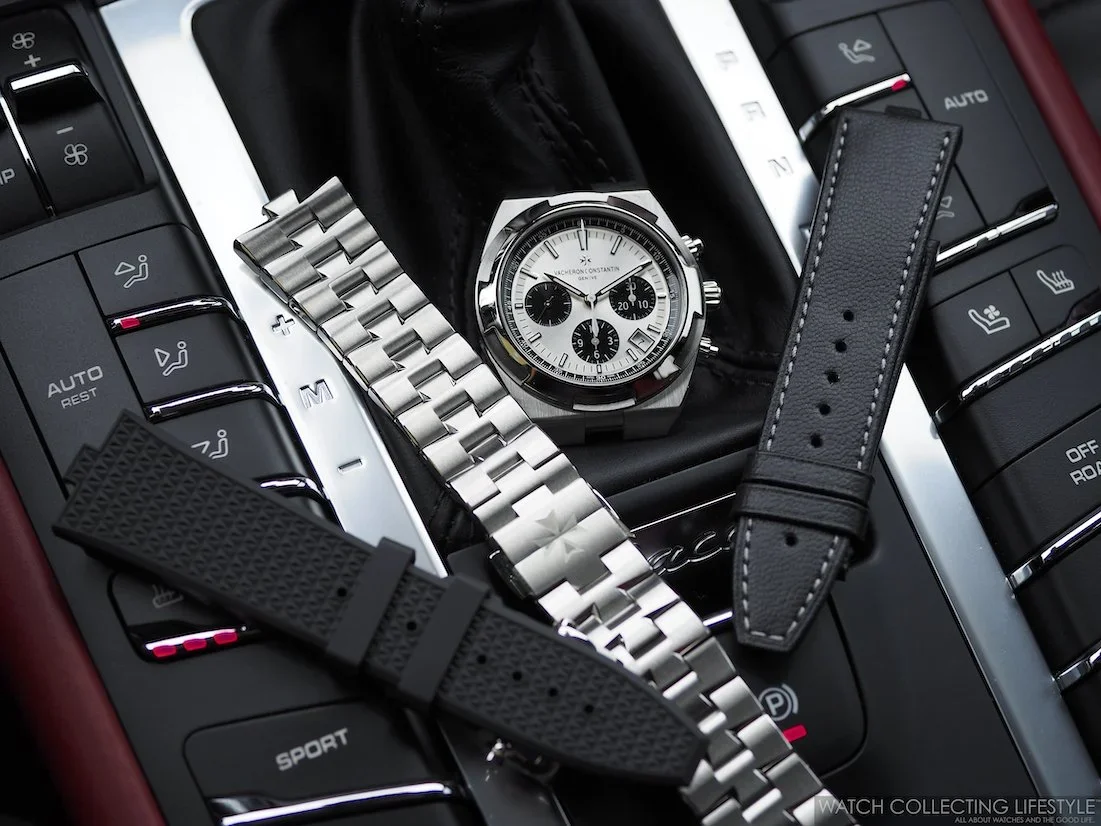
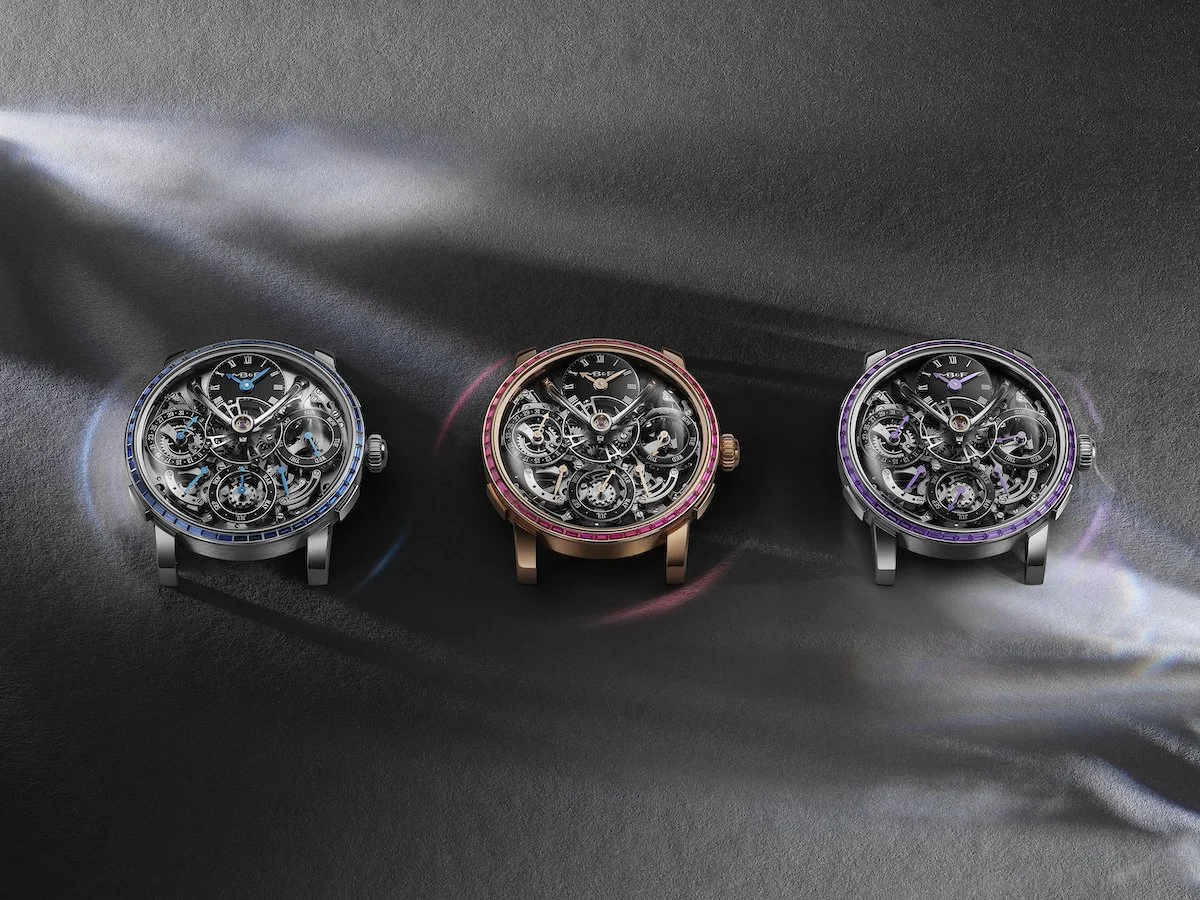
The larger question is whether other brands will follow. In 2024,Vacheron Constantin presented their CPO programme, De Bethune did so in 2020, and MB&F launched its programme in 2018 as one of the pioneers, along with Urwerk. When brands like Patek Philippe, IWC, Panerai, or Omega launch comparable programmes, the grey market won't disappear; it will be demoted from the main stage to a supporting role. It survived Rolex CPO because of the importance of Rolex in the secondary market; however dominant, is still one brand. It may not survive an industry-wide shift toward manufacturer-controlled resale.
My 2022 instincts about the market's mechanics were sound. My sense of Rolex's ambition was not.