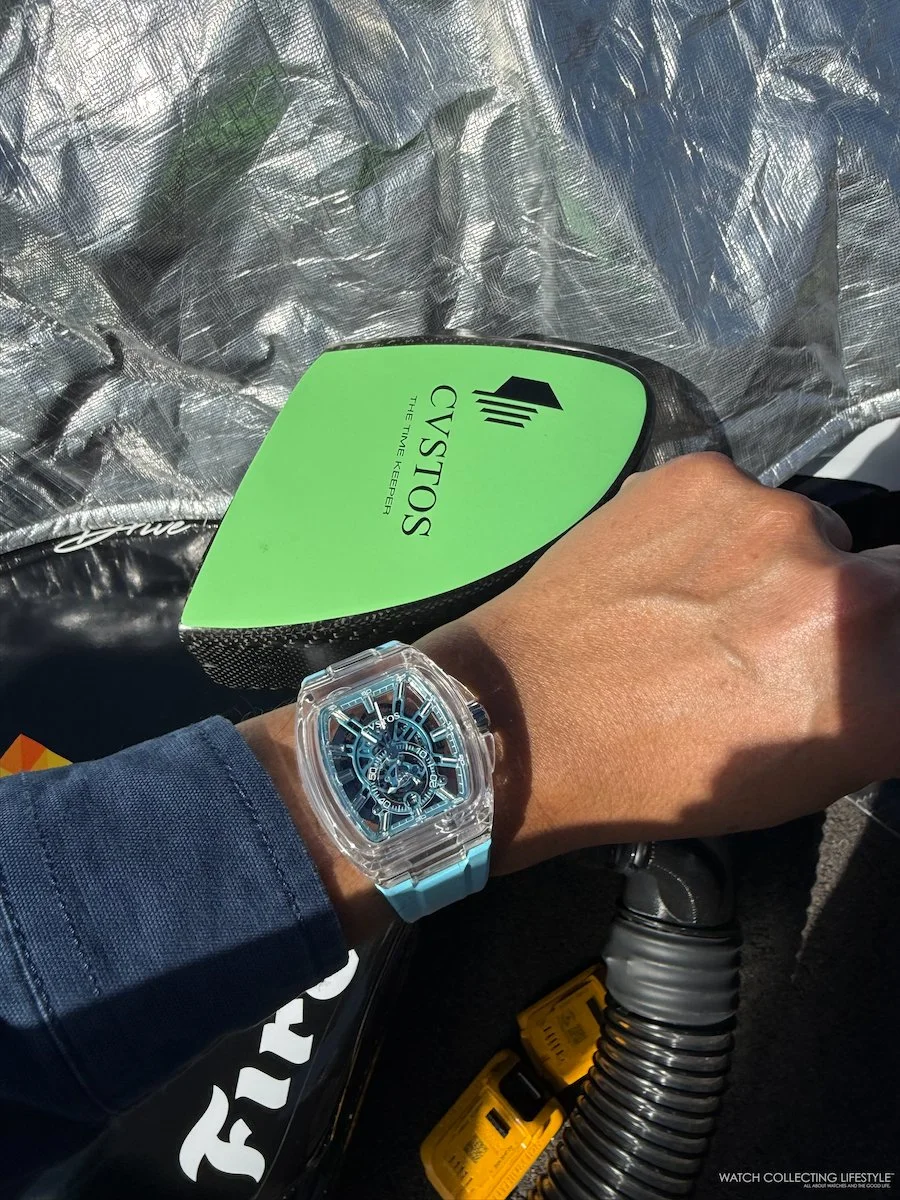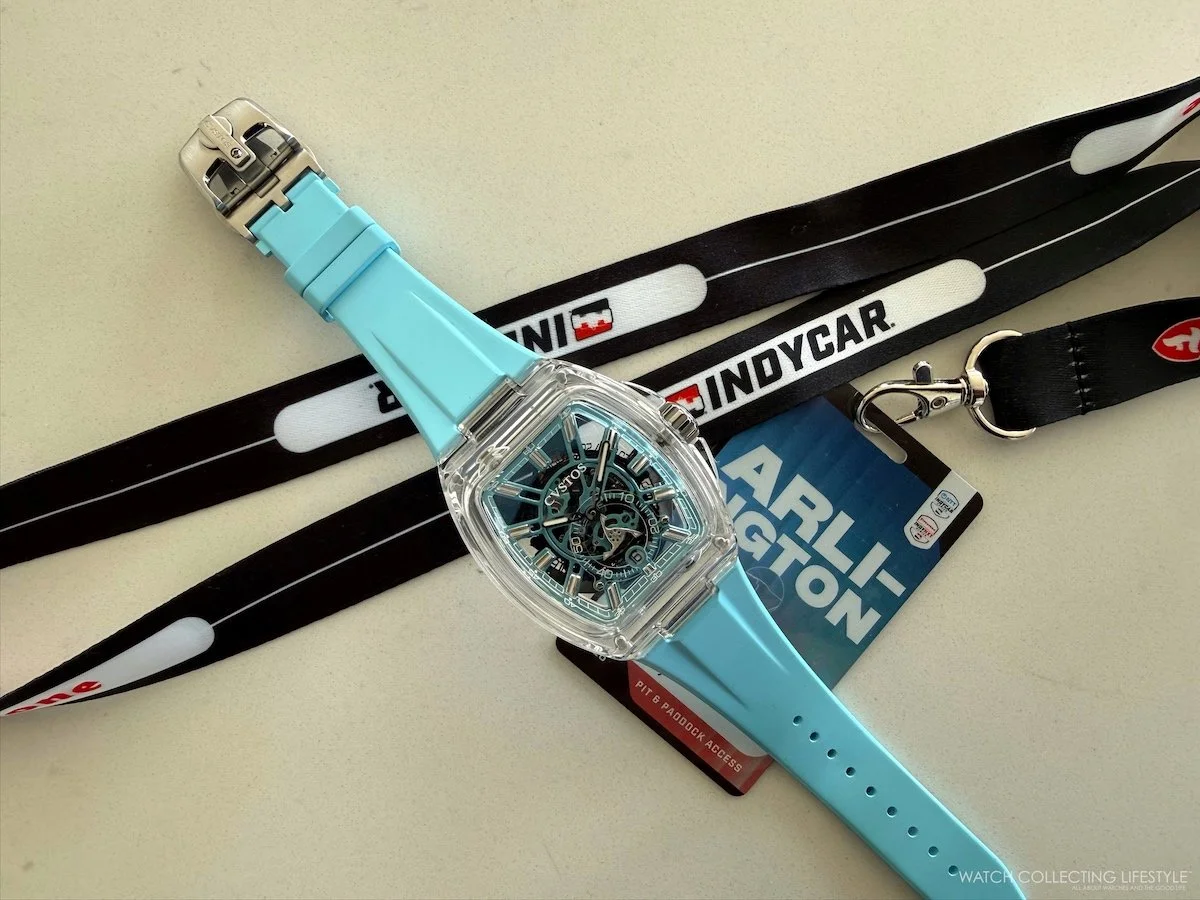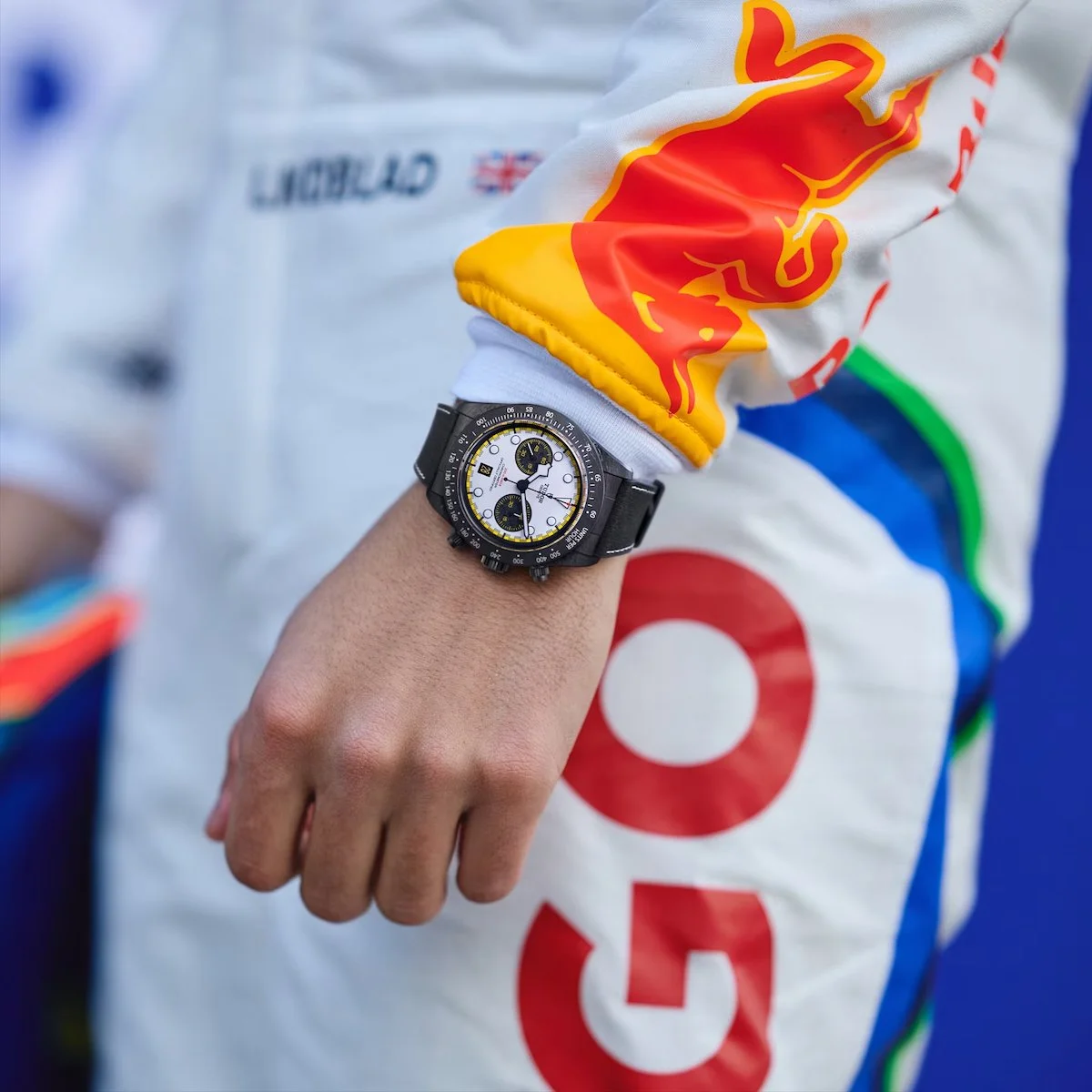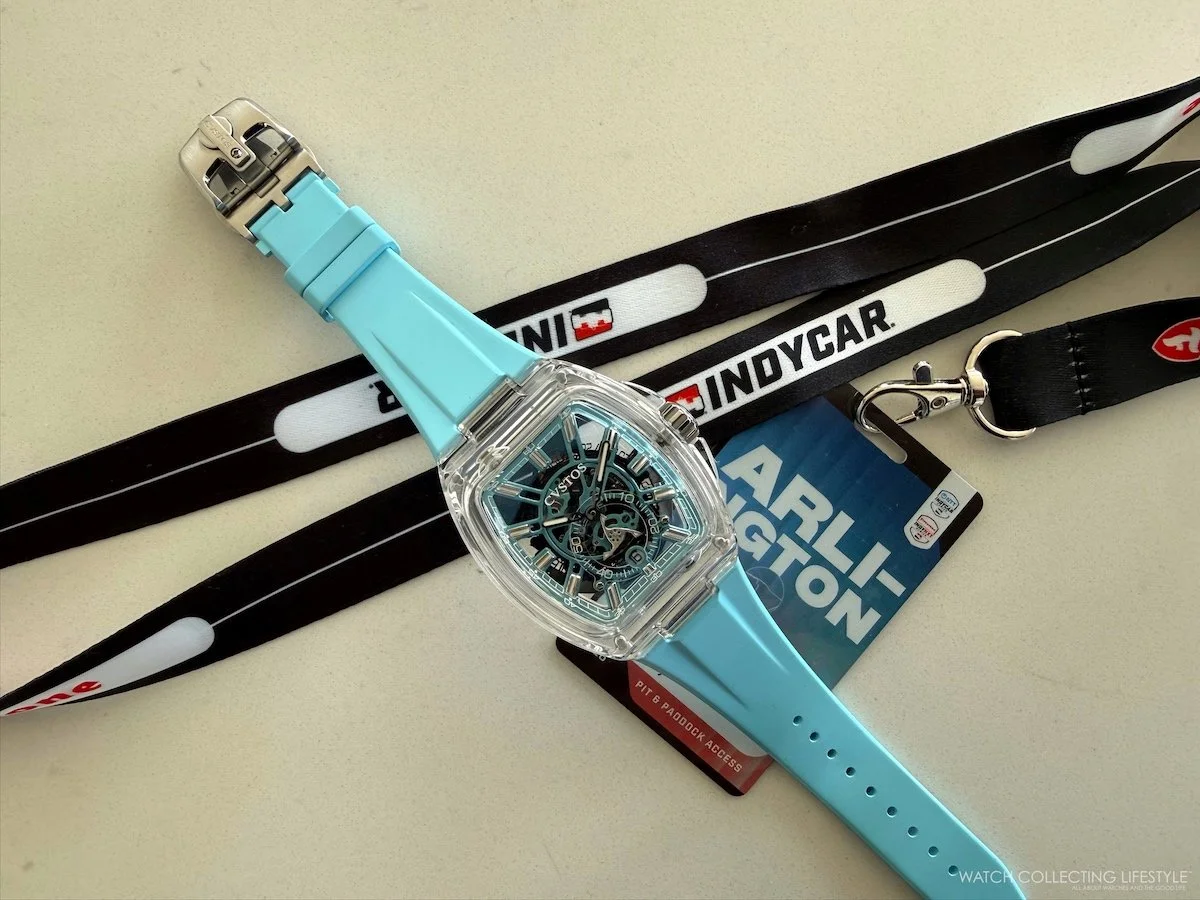
This past weekend, we were in Arlington, Texas, as guests of CVSTOS—the independent Swiss luxury watchmaker known for its bold engineering and avant-garde design—for the inaugural Java House Grand Prix of Arlington, the newest addition to the 2026 NTT INDYCAR SERIES calendar. CVSTOS serves as the Official Timekeeper of Juncos Hollinger Racing for the 2026 season, and this weekend gave us the opportunity to experience open-wheel racing the way it was meant to be experienced, not from the grandstands, but from the inside.
The Street Circuit
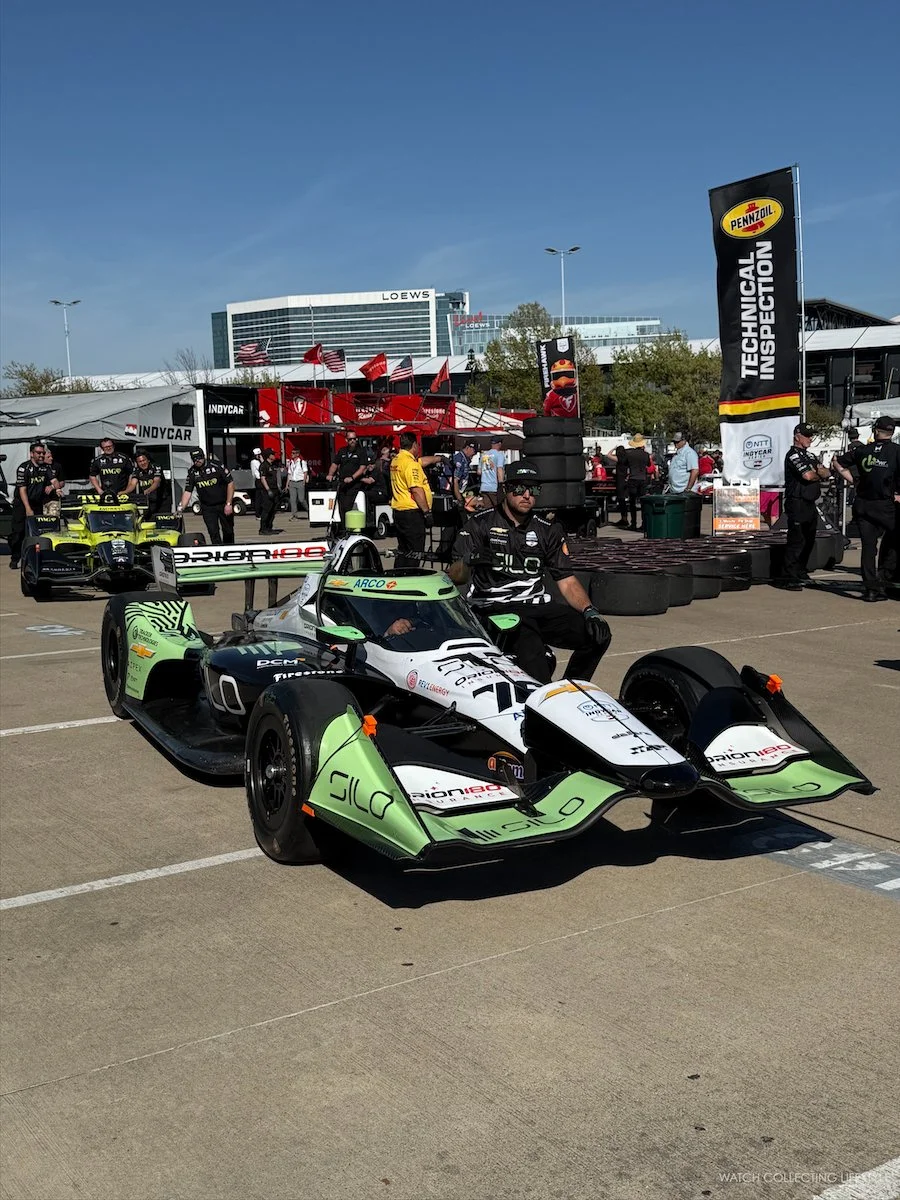
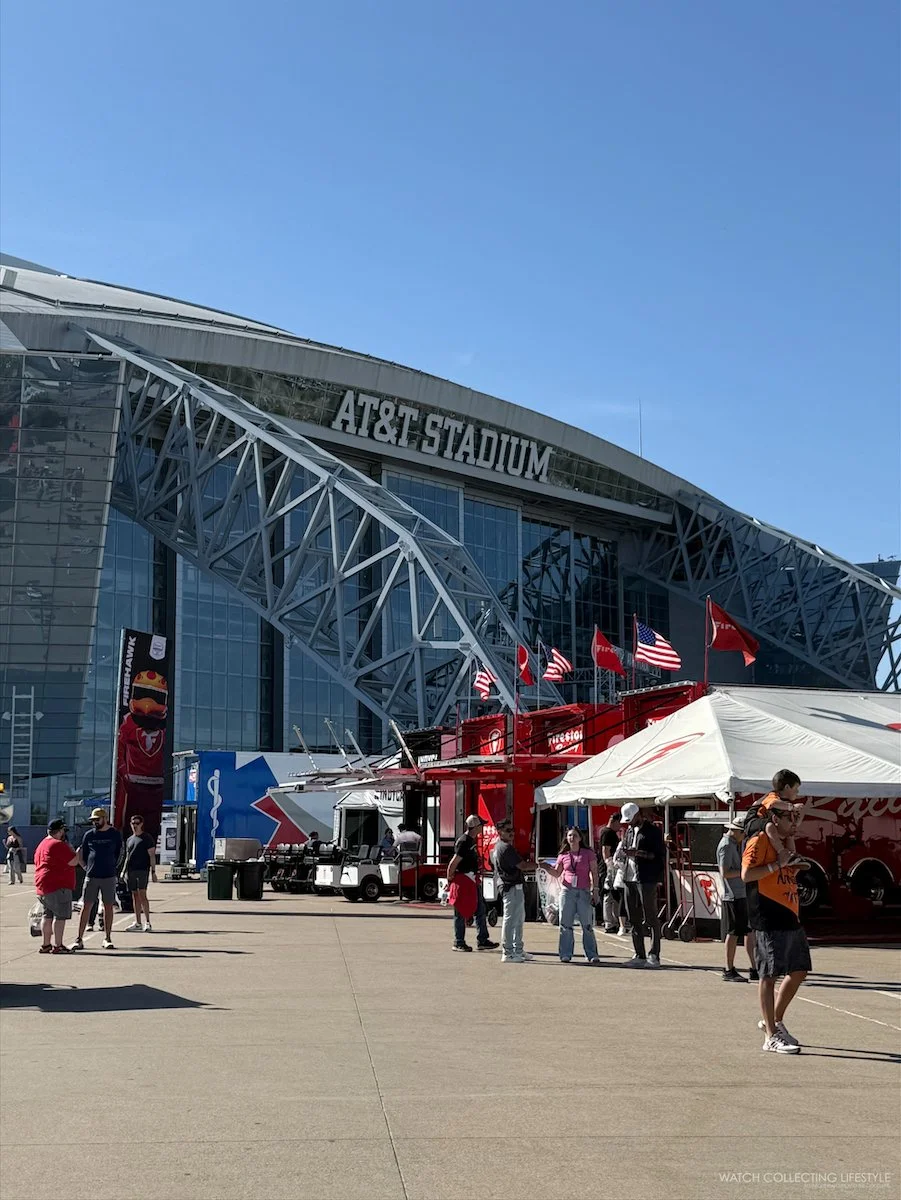
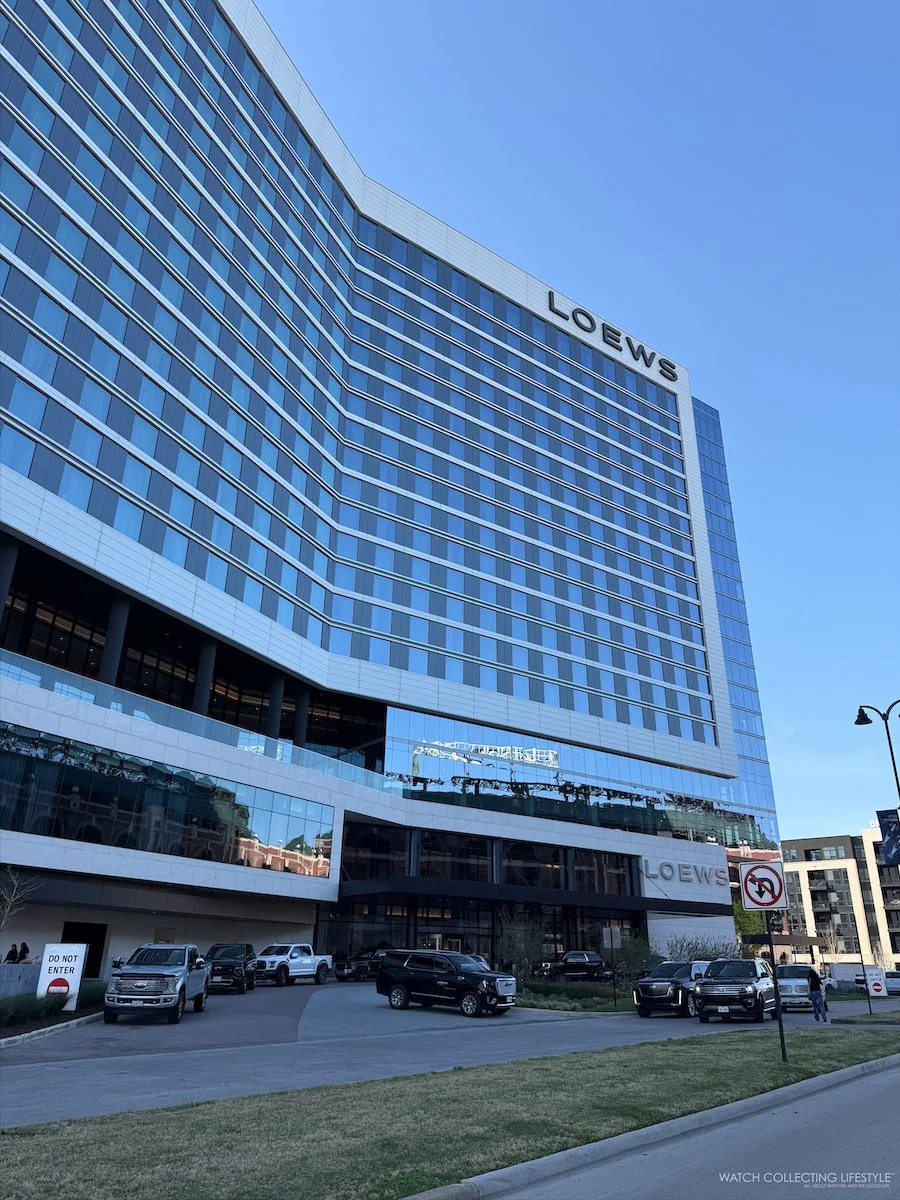
The setting alone was extraordinary. The 2.73-mile, 14-turn street circuit winds through Arlington's entertainment district, threading between AT&T Stadium—home of the Dallas Cowboys—and Globe Life Field, the home of the Texas Rangers. It is now the longest street course on the INDYCAR calendar, and from the moment we arrived and saw the concrete barriers lining the streets with the silhouette of AT&T Stadium towering above and the majestic Loews Hotel, we knew this was going to be a very special weekend.
Inside the Garage and the Pits
As we made our way through the paddock on race morning, the energy was palpable. Crews were wheeling cars between garages and pit lane, engineers huddled over telemetry screens, and the unmistakable sound of Chevrolet and Honda powerplants firing up echoed off the stadium walls.
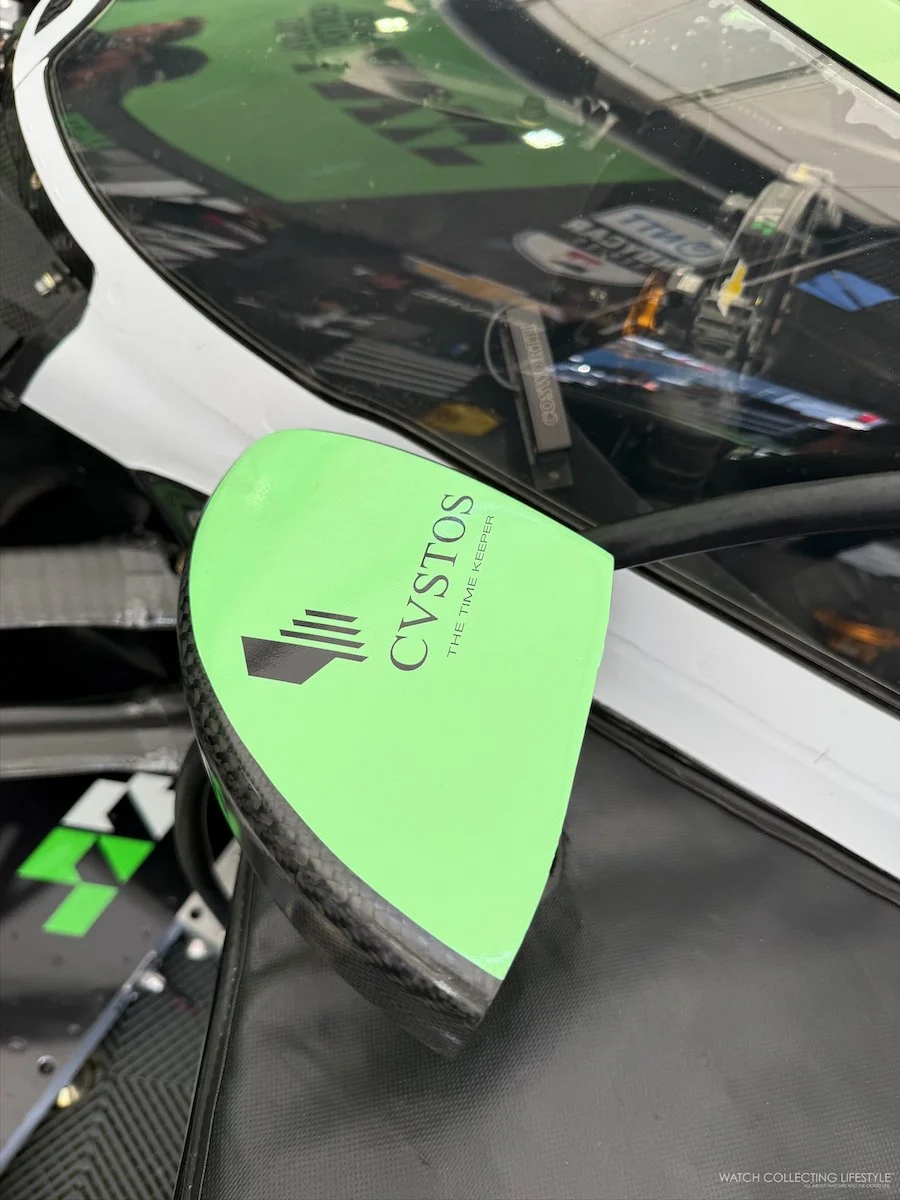
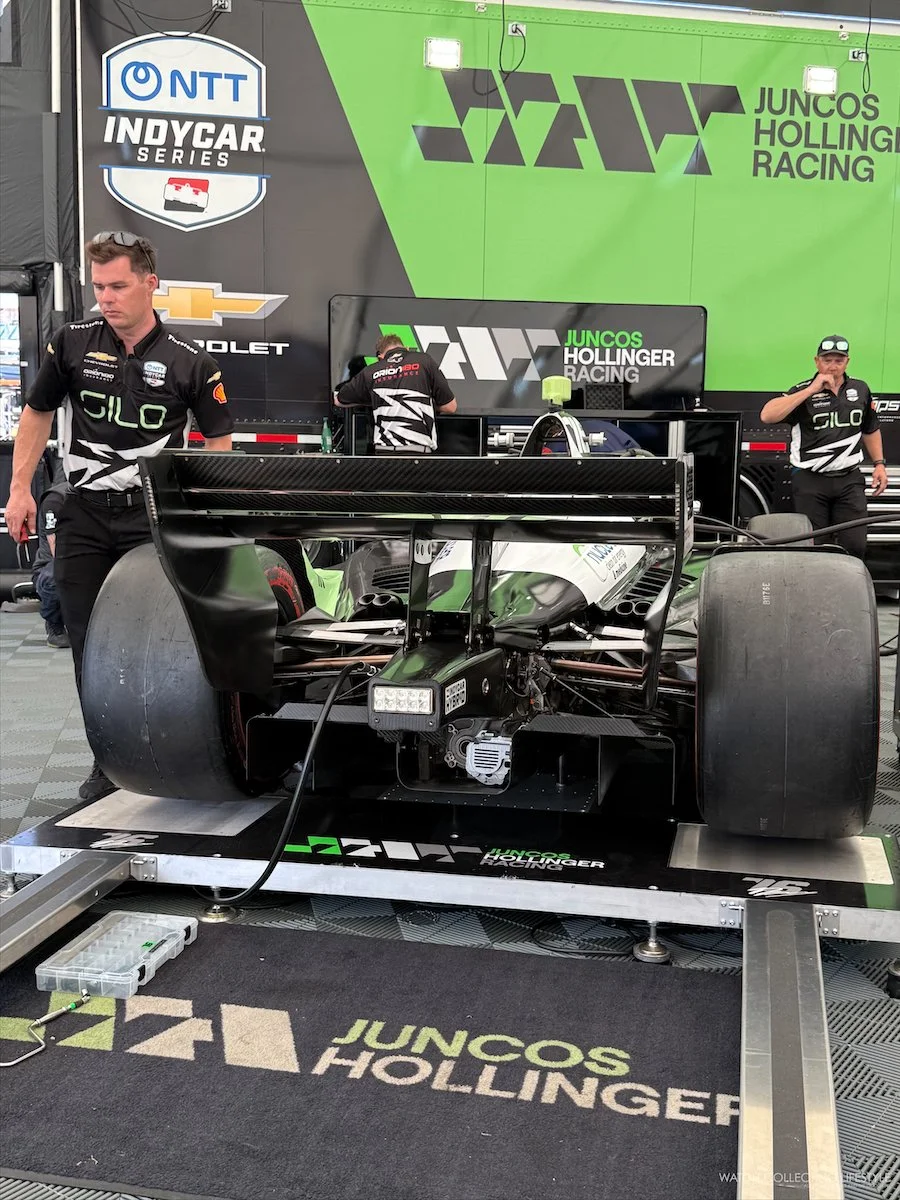
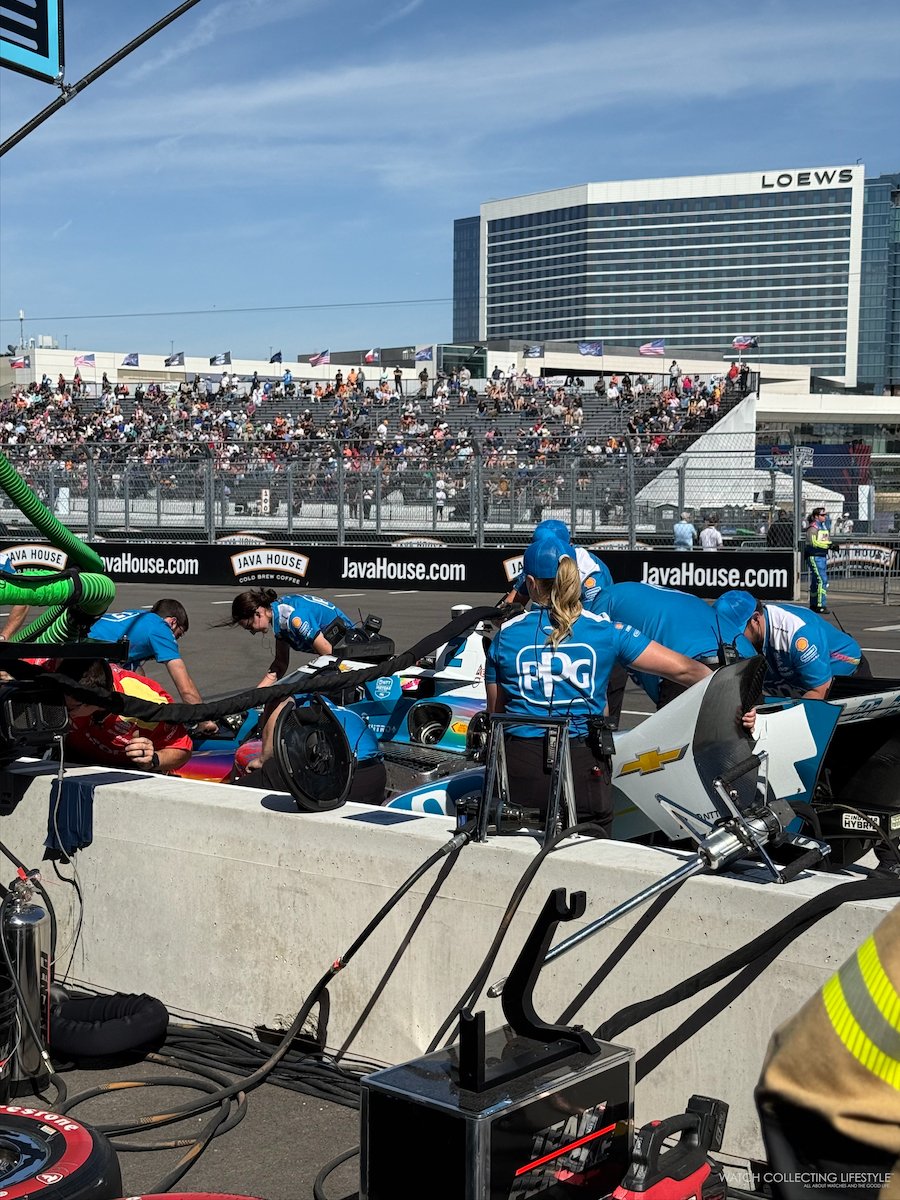
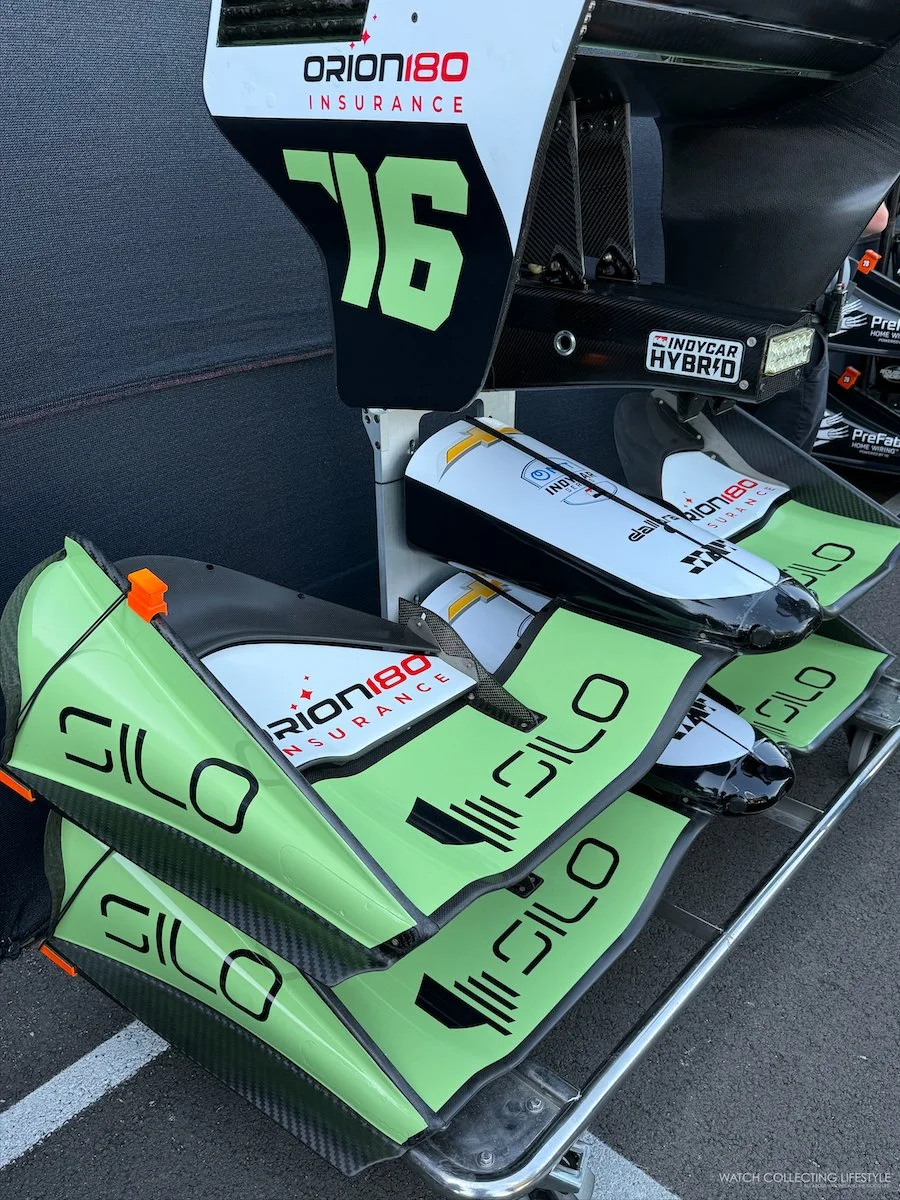
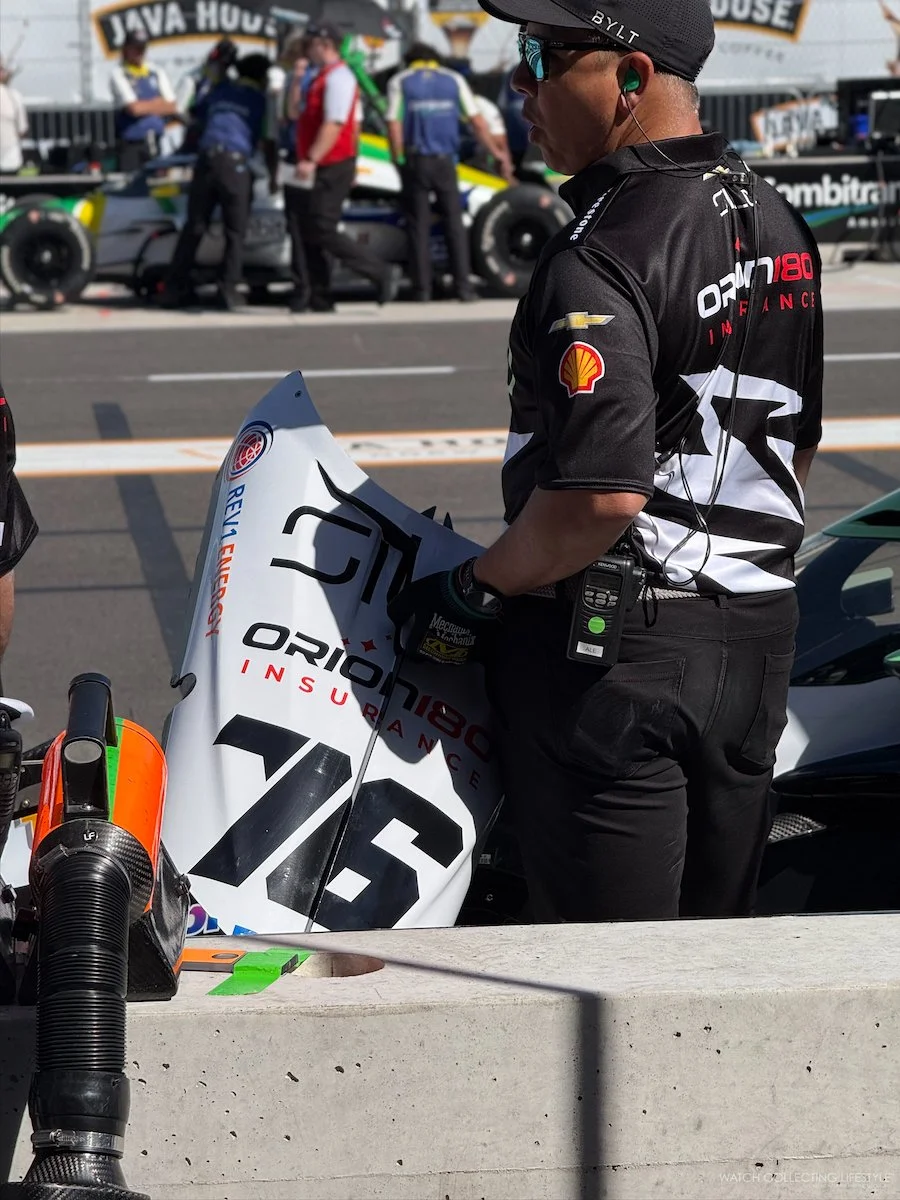
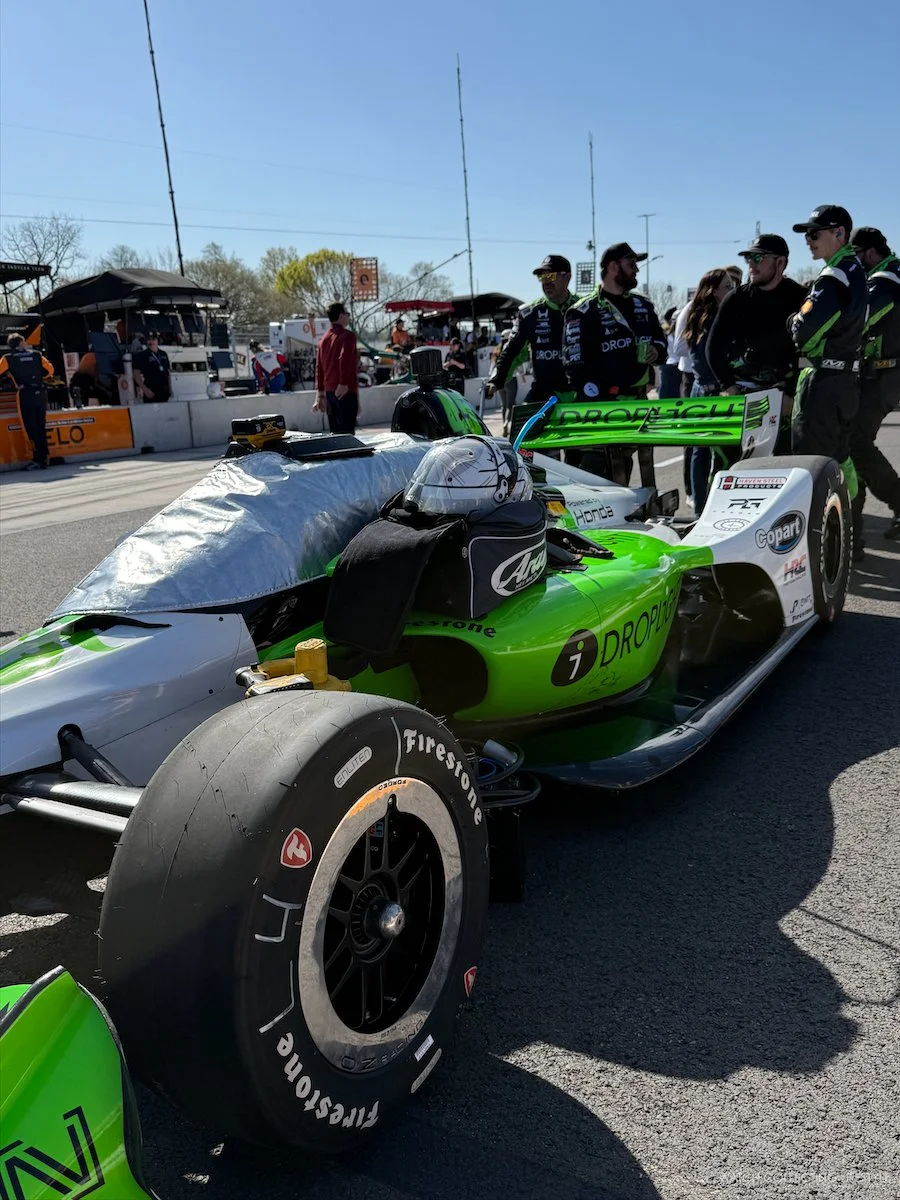
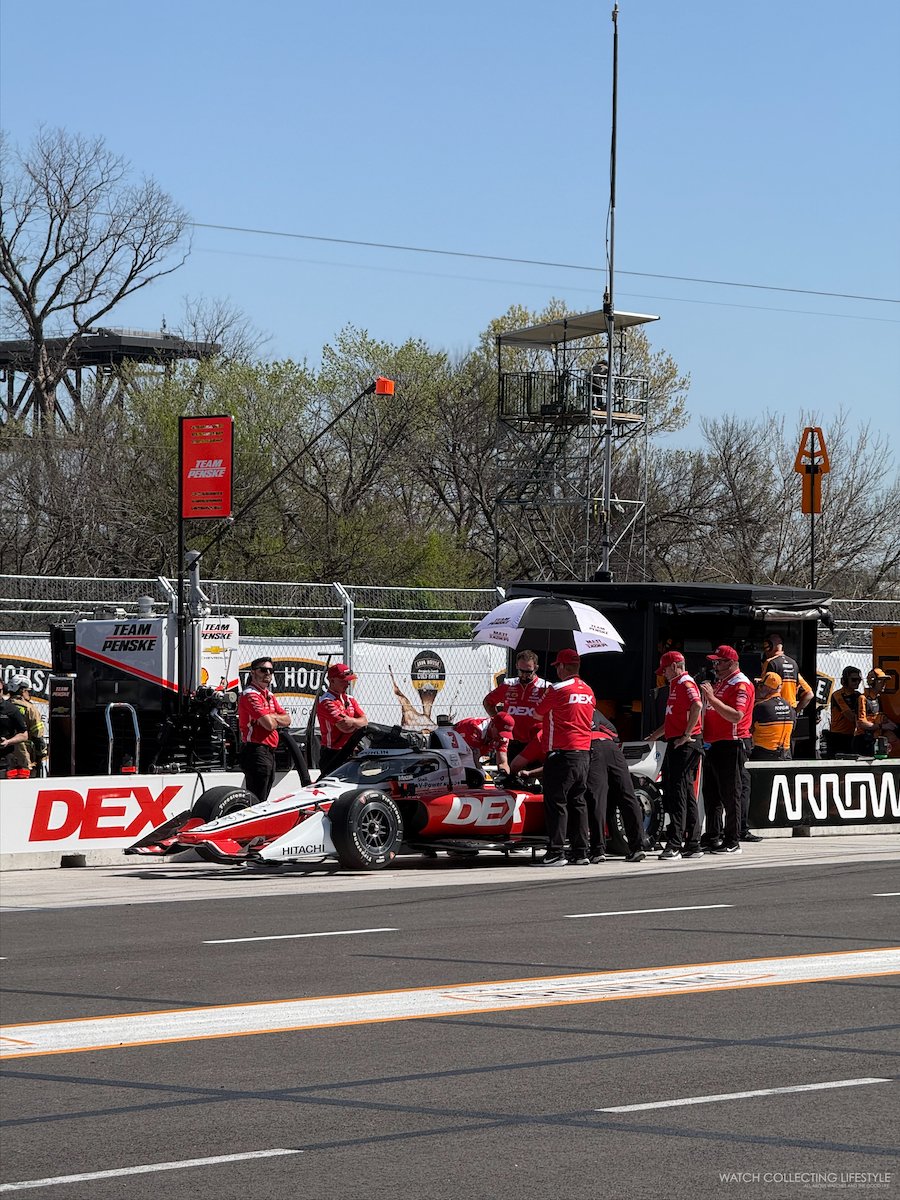
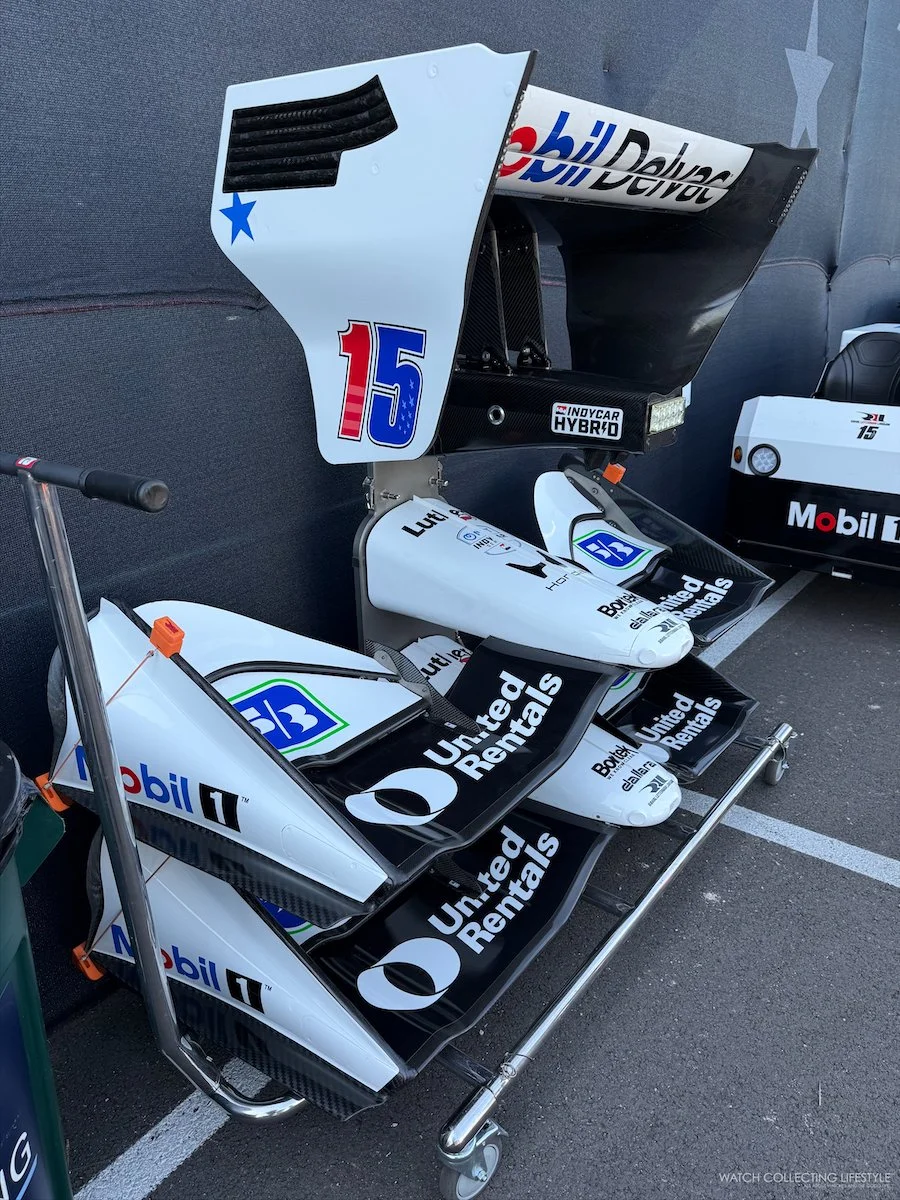
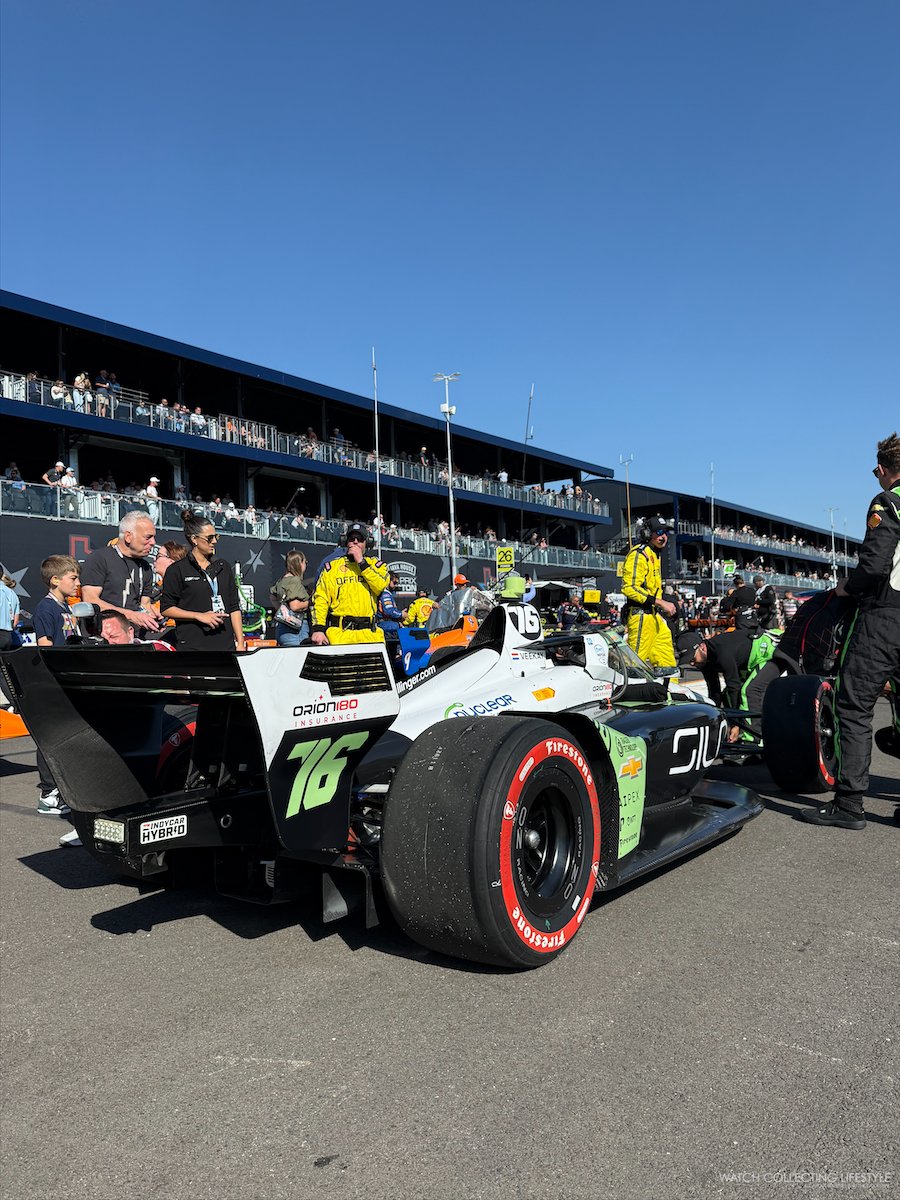
Walking into the Juncos Hollinger Racing garage and around the pit area, seeing the No. 76 and No. 77 Chevrolets being prepared for the race—mechanics making final adjustments, CVSTOS prominently displayed on each car—was the kind of behind-the-scenes access that reminds you why motorsport remains one of our favorite experiences in the world. Standing just feet away from these machines as they come to life is something television simply cannot replicate.
Meeting a Formula One Legend
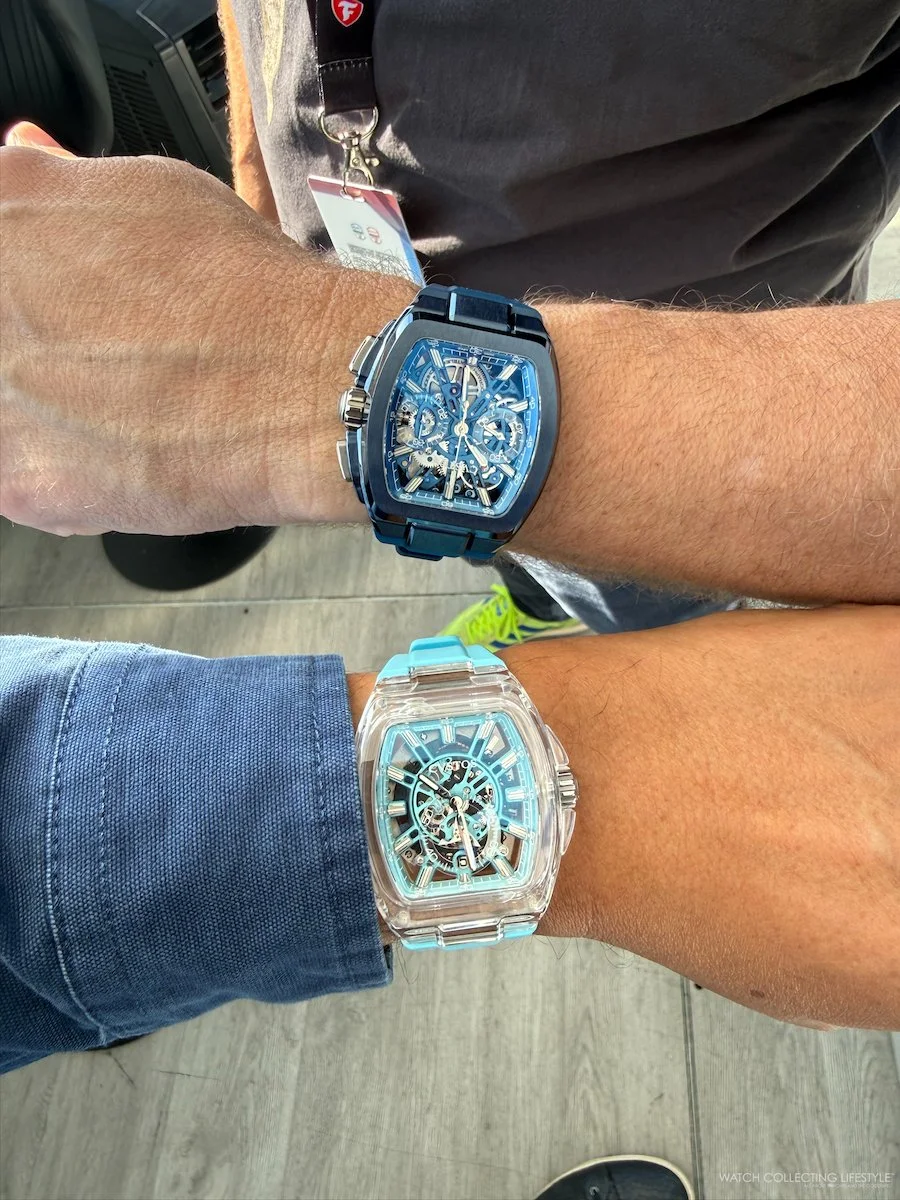
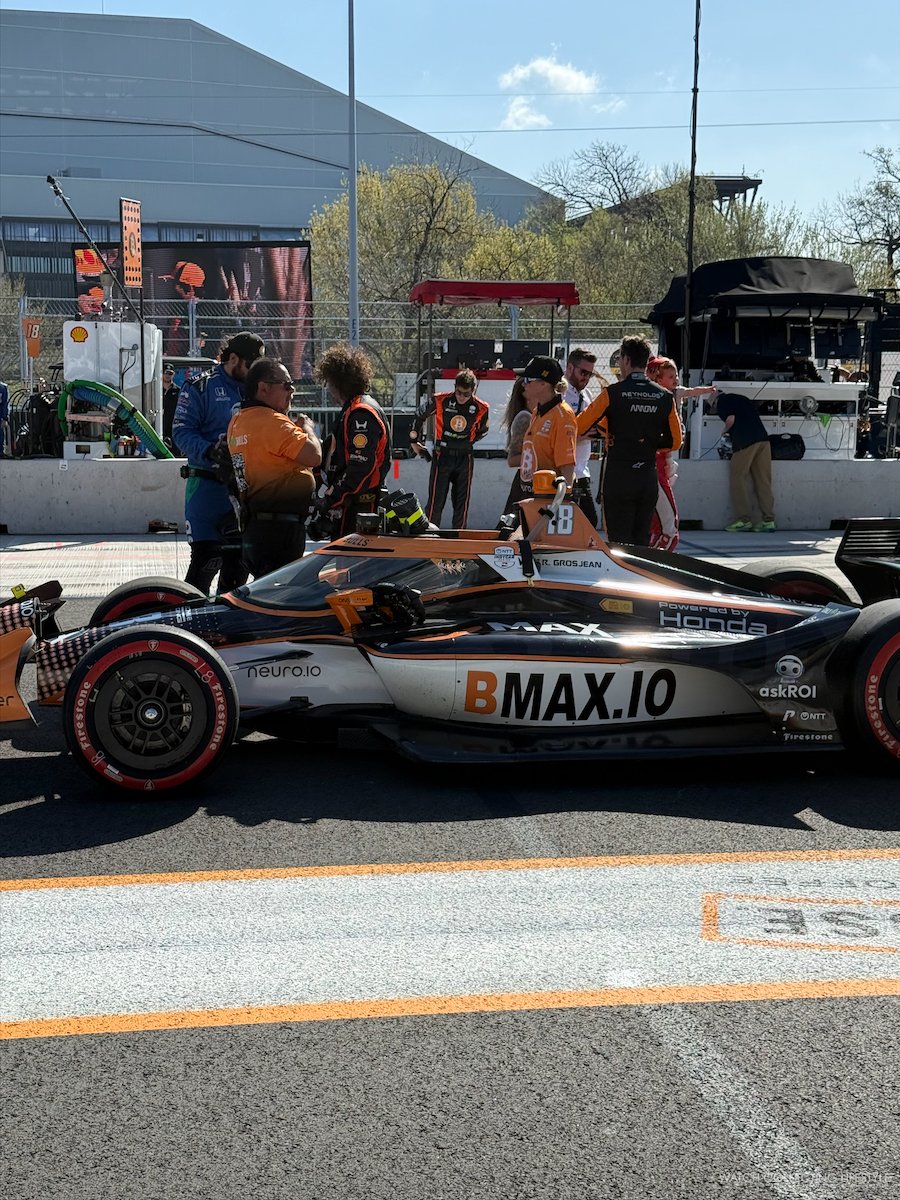
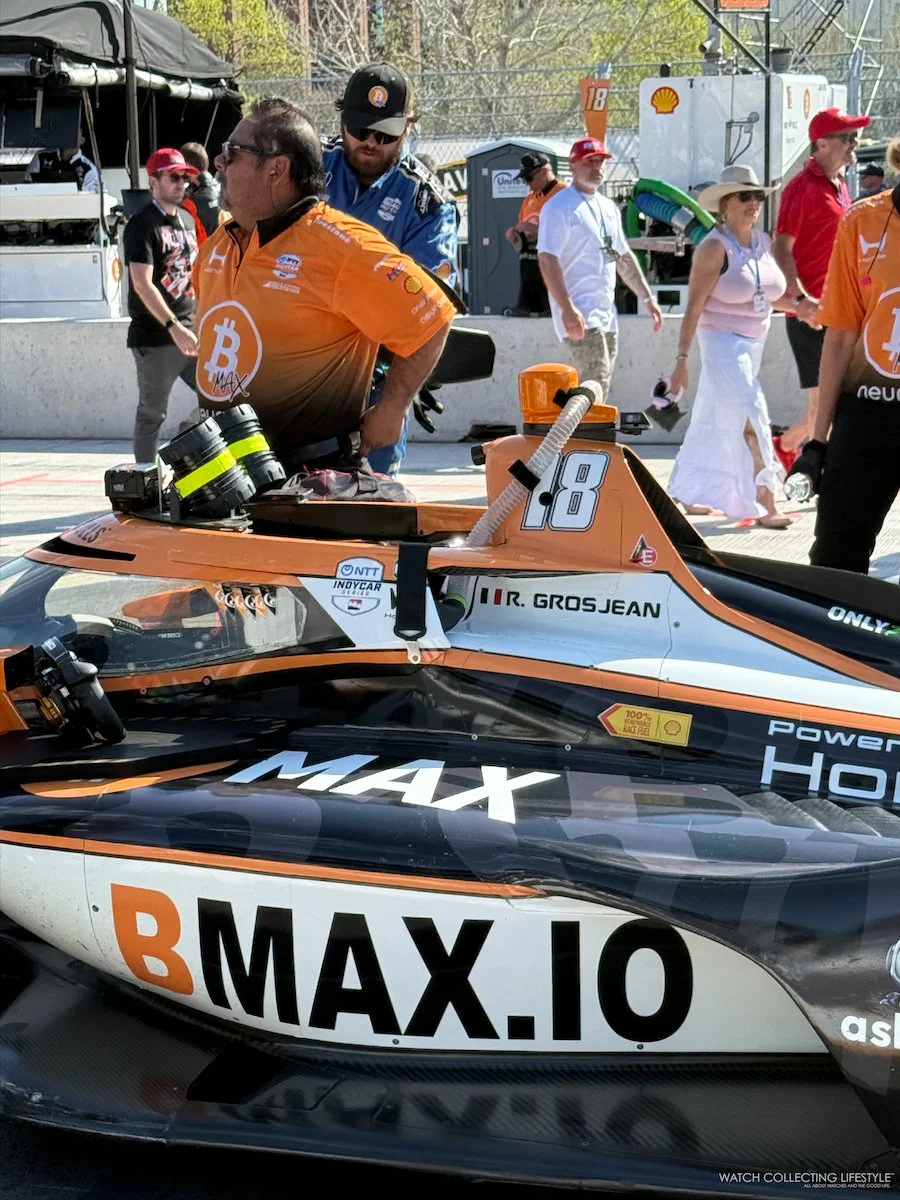
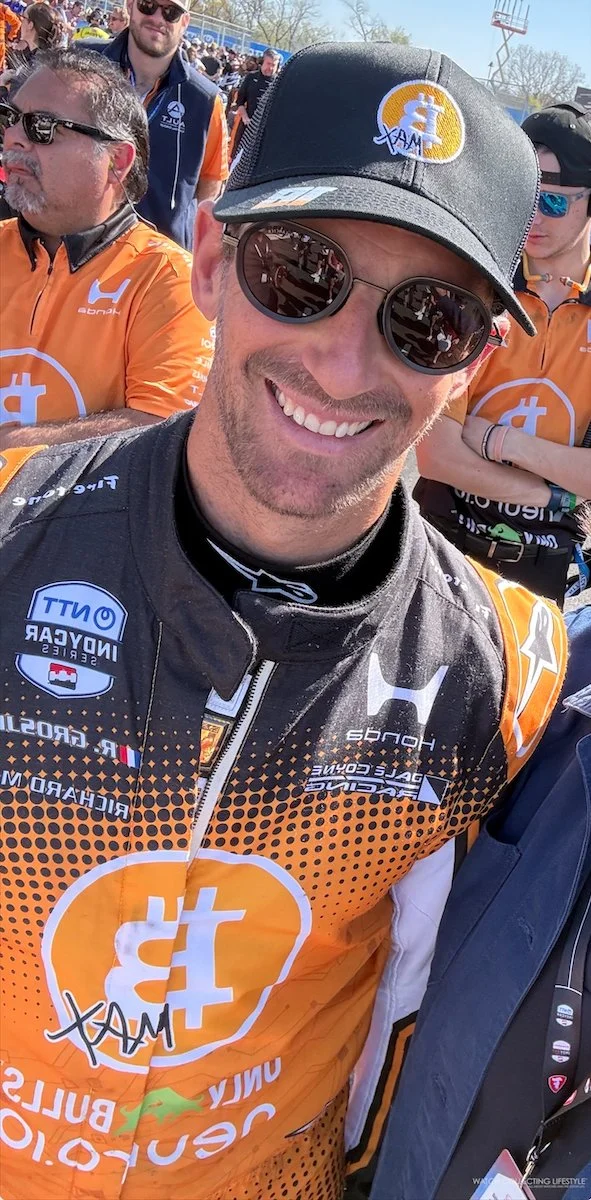
While walking through the paddock area, we had the pleasure of meeting Formula One veteran Romain Grosjean, who was competing in the No. 18 BMax Dale Coyne Racing Honda. Grosjean was gracious with his time, and as watch enthusiasts do, the conversation quickly turned to what was on each other's wrists.
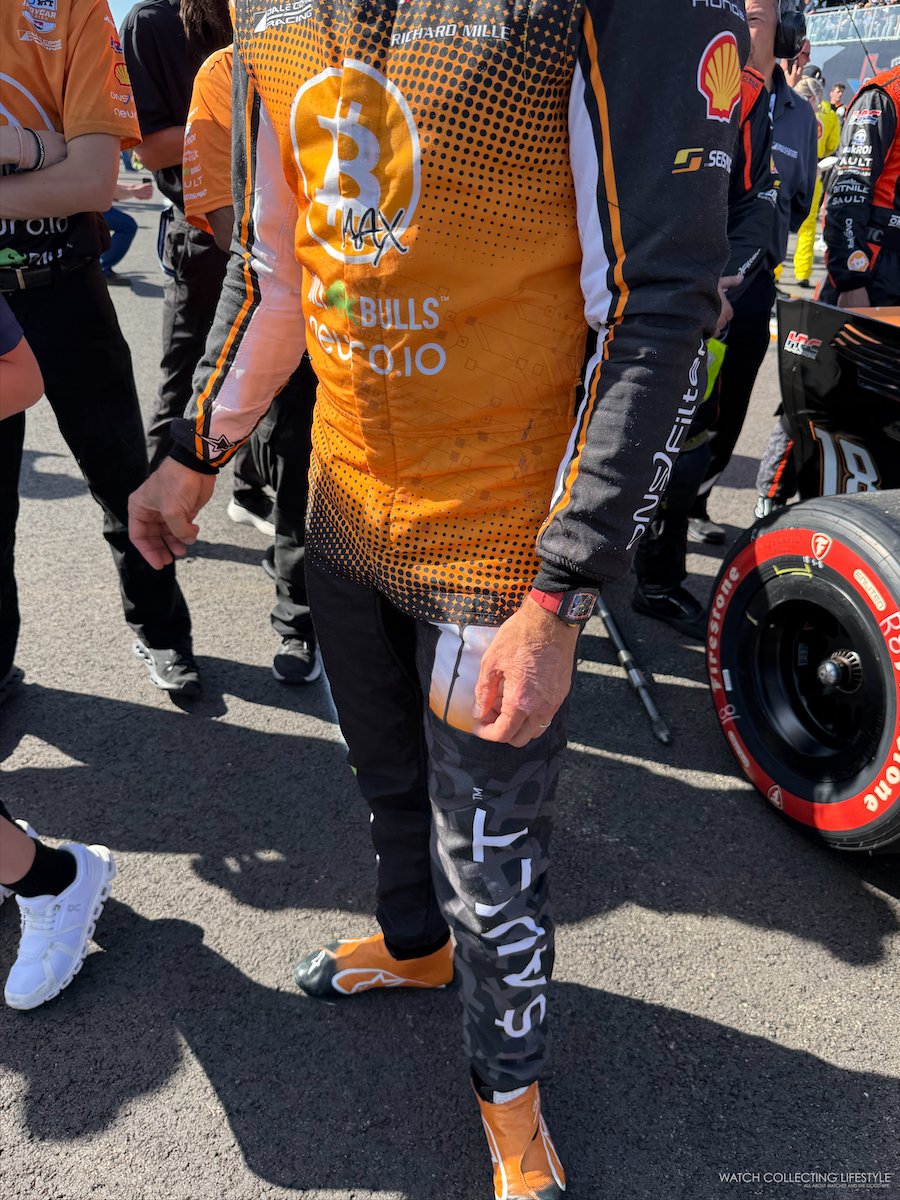
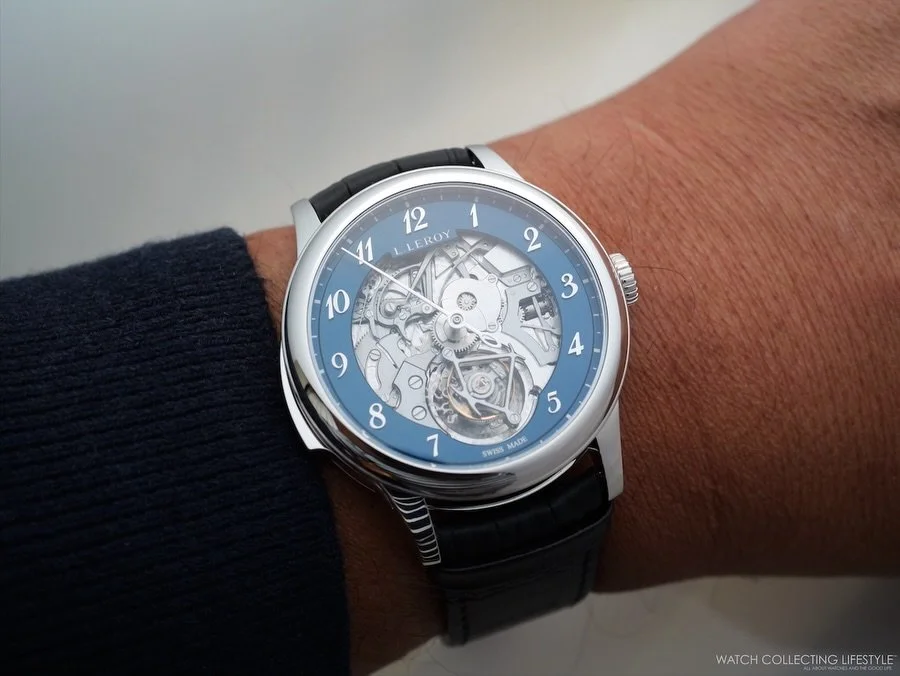
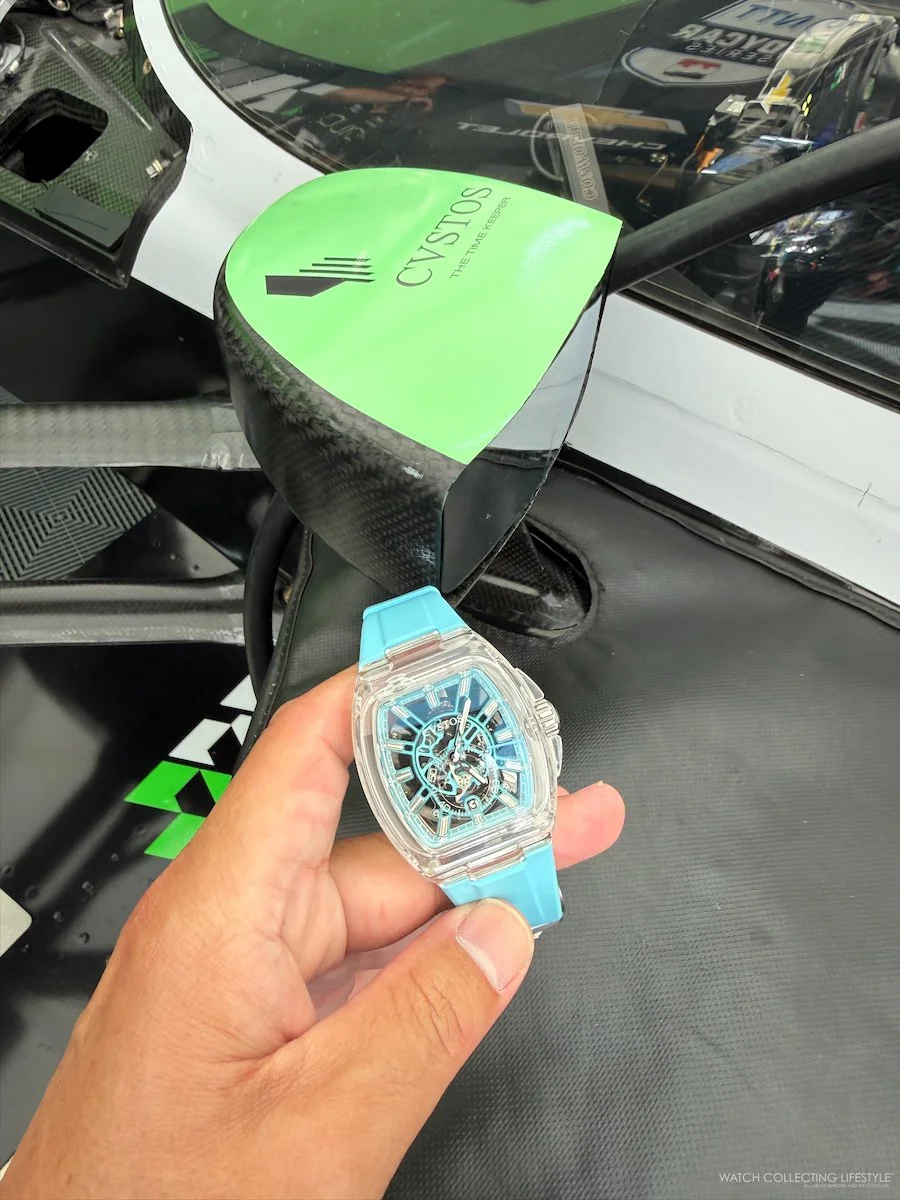
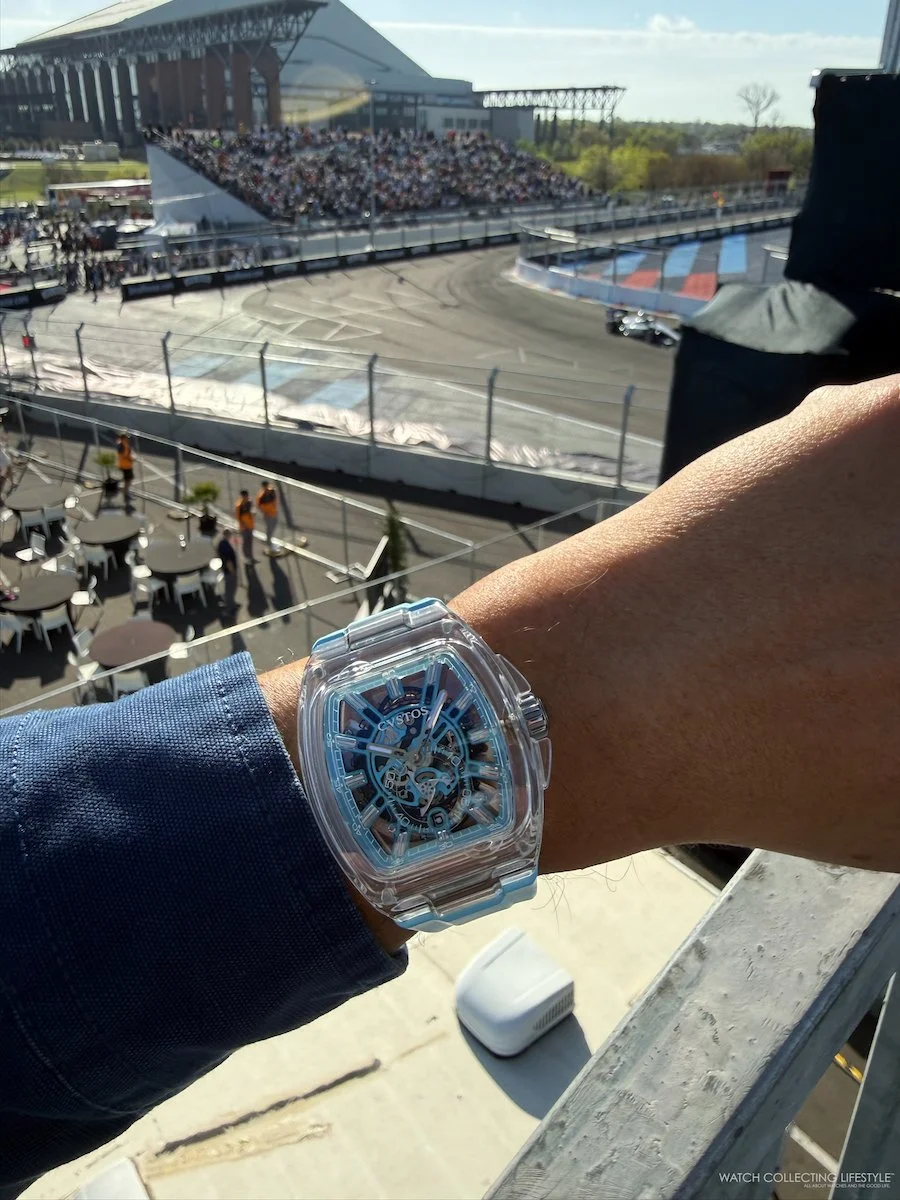
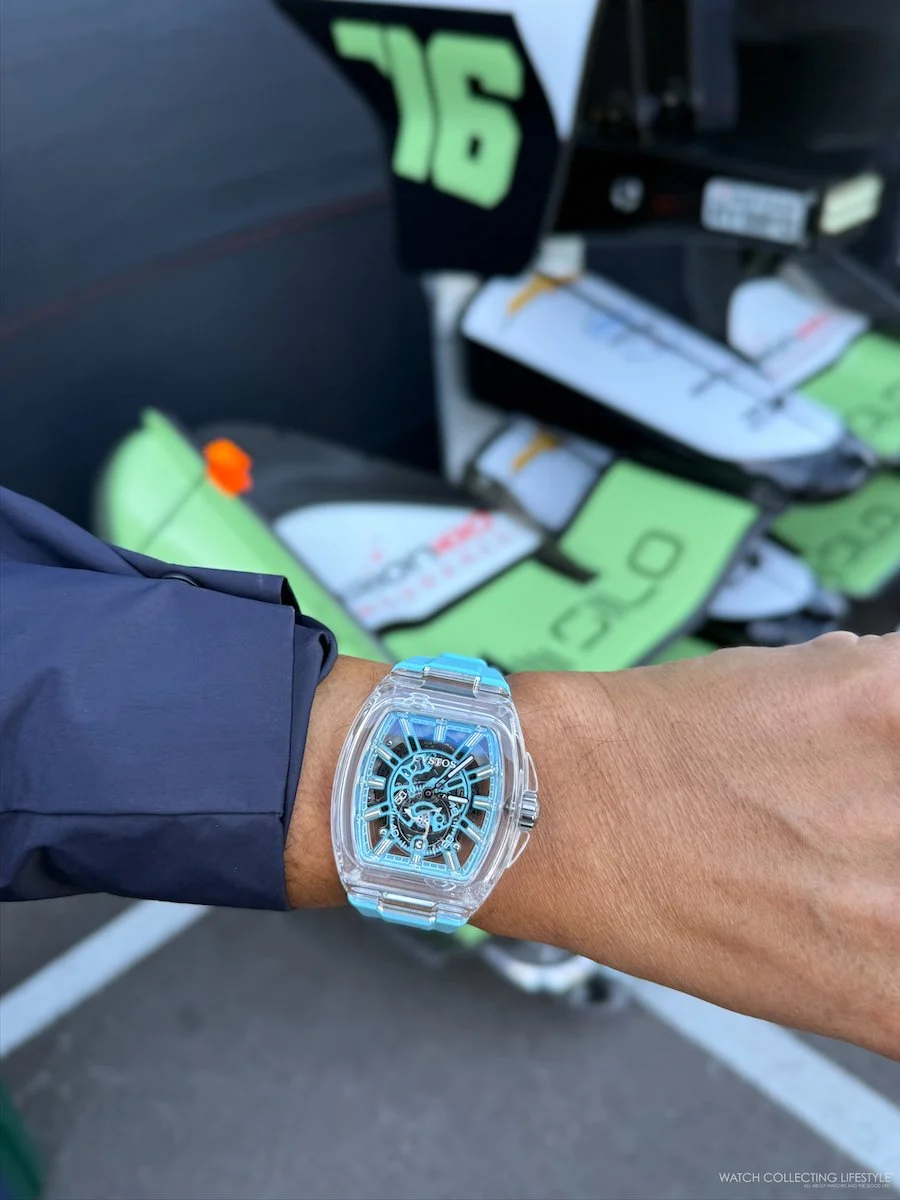
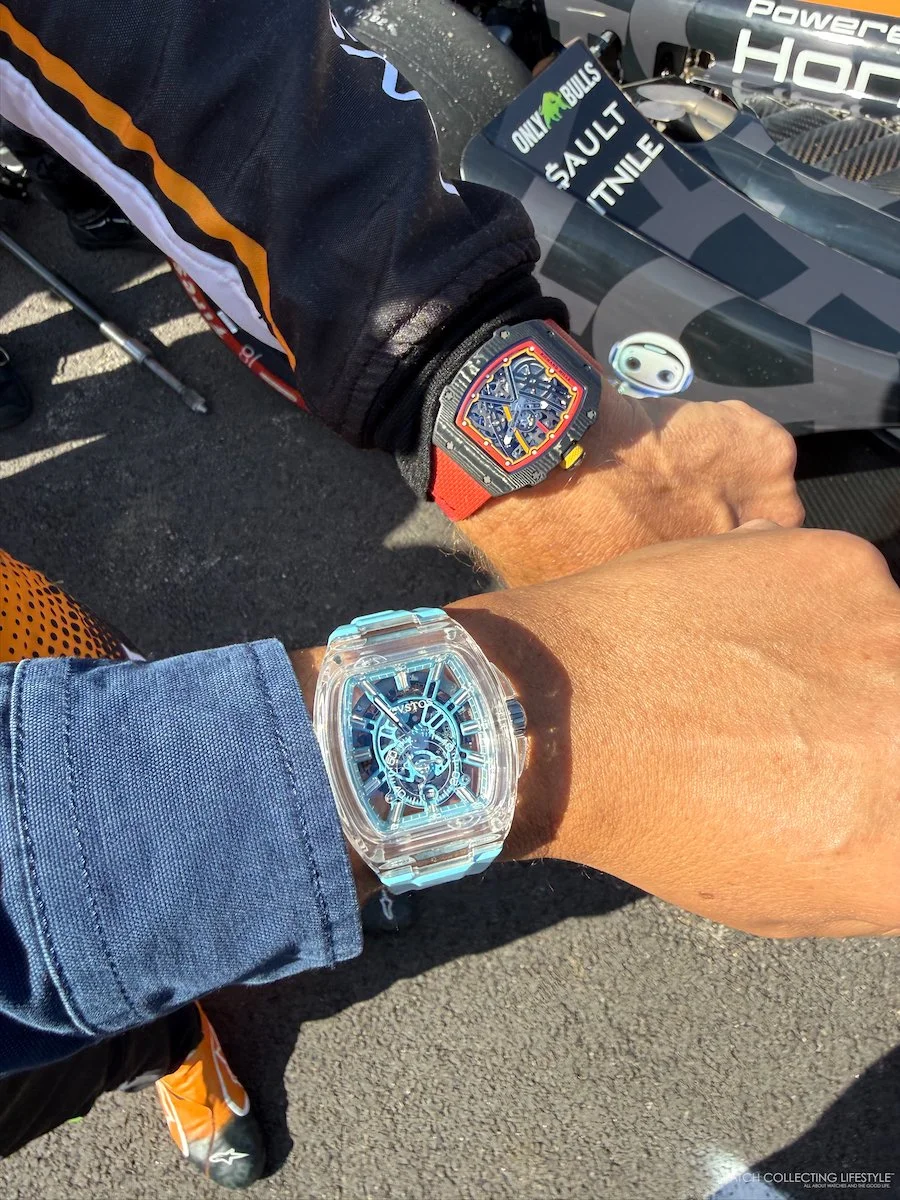
We were wearing our CVSTOS Metropolitan PS Sapphire Skeleton Ice Blue limited to 20 pieces, while Grosjean was sporting his Richard Mille RM 67-02 Alexander Zverev—the lightest automatic watch in the brand's lineup at a mere 32 grams, achieved through the combination of Carbon TPT, red Quartz TPT, and an ultra-light elastic wristband that remains the lightest strap ever created by Richard Mille. As we lined up for a collective wristshot —a tradition for us at this point— it was impossible not to notice the visible scars on Romain's hands, a permanent reminder of the horrific accident he sustained at the 2020 Bahrain Grand Prix.
On the opening lap of that race in Bahrain, Grosjean's Haas VF-20 clipped Daniil Kvyat's AlphaTauri at over 190 km/h, sending his car through the metal barrier where it split in two and was immediately engulfed in flames. He endured 28 seconds trapped inside the burning wreckage before freeing himself—his left foot caught in the chassis, forcing him to pull it free from his racing boot—and emerged from the fire with second-degree burns on both hands—interestingly enough, we were told that when Mr. Richard Mille himself called him to check on his condition, Romain playfully told Mr. Mille: “the watch is fine.”
It was a crash measured at 67 Gs, one that would have been fatal in any previous era of the sport. That he stood before us in the Arlington paddock, still racing at the highest level, still smiling, was a powerful reminder of both the fragility and the resilience of the human spirit. A truly special moment that we will never forget.
The Juncos Hollinger Racing Story
For those unfamiliar with Juncos Hollinger Racing, the team's origin story is one of the most compelling in the paddock. Founded by Ricardo Juncos—an Argentine former Formula Renault driver who emigrated to the United States in 2002 with just USD 400 in his pocket—the team has grown from a karting operation in Miami to a championship-winning organization now headquartered near the Indianapolis Motor Speedway.
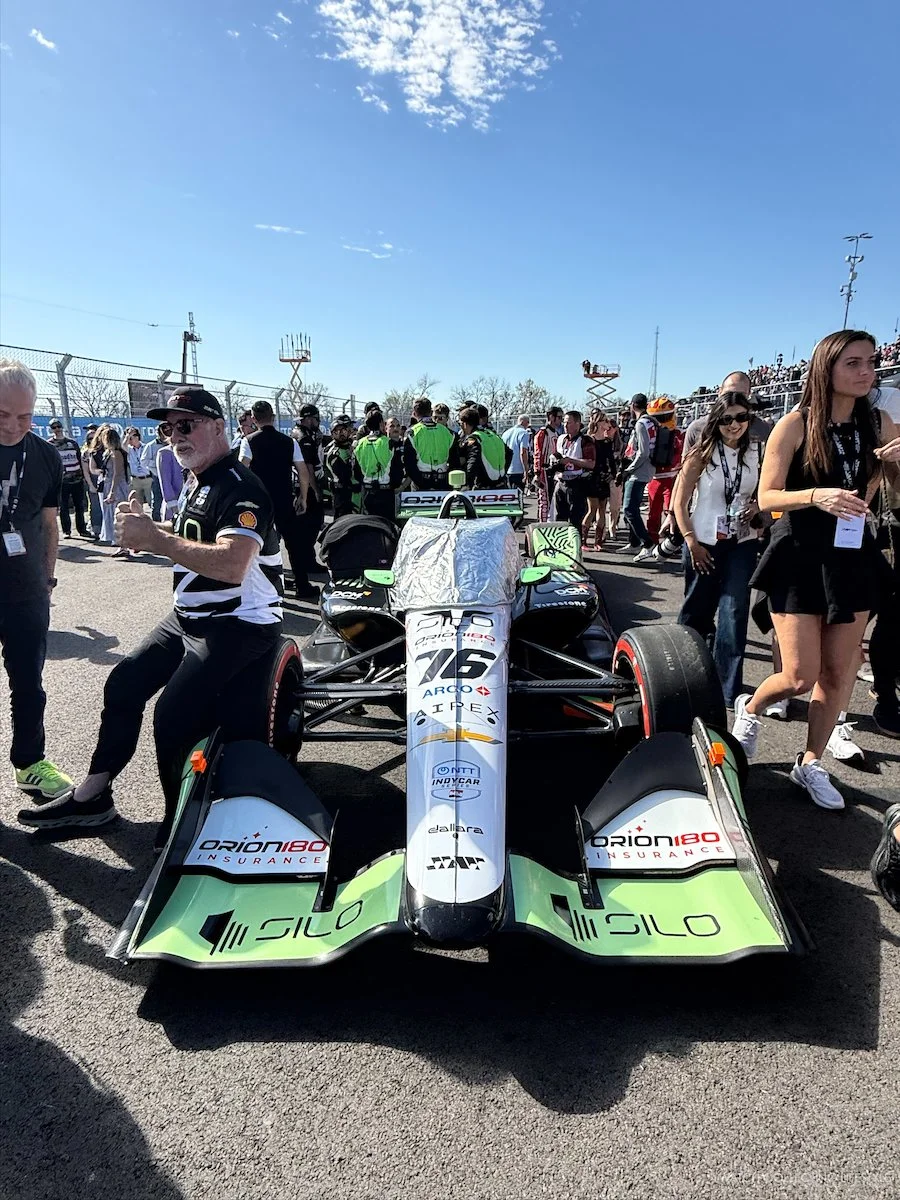
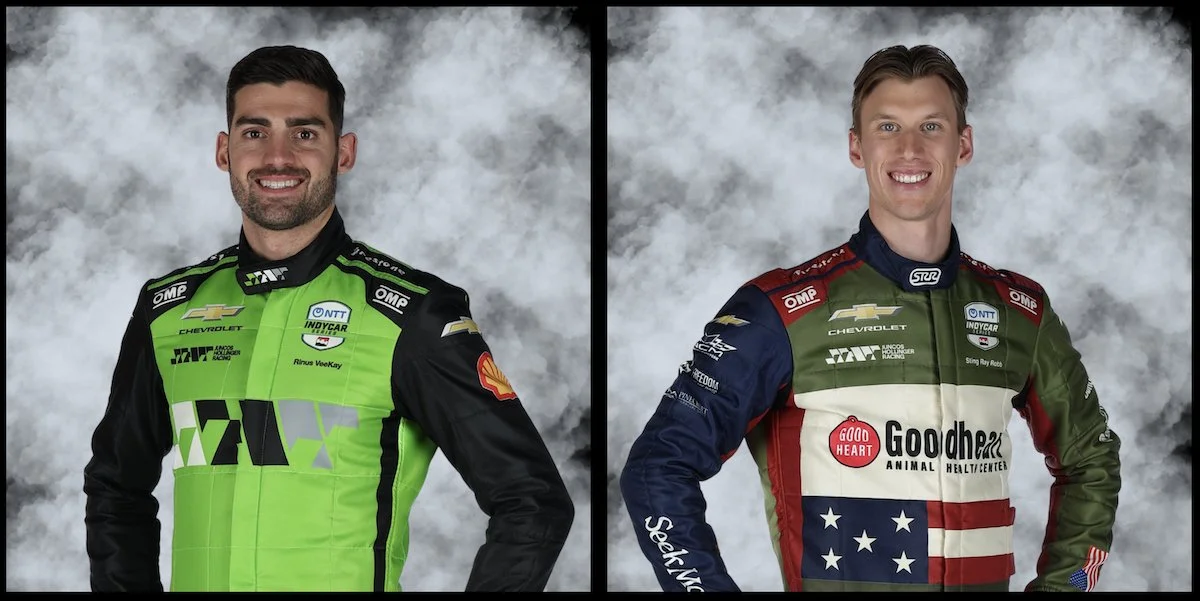
In 2021, Brad Hollinger, who previously held a majority stake in Williams Racing in Formula One, joined as co-owner, and today JHR fields two full-time entries driven by Rinus VeeKay (No. 76) and Sting Ray Robb (No. 77). The weekend also marked VeeKay's 100th career INDYCAR start, a milestone for both driver and team. The cars deliver 750 Horsepower with two turbos and weigh only 1,700 lbs, reaching a top speed of 240 mph—384 km/h.
70 Laps of Top Speed
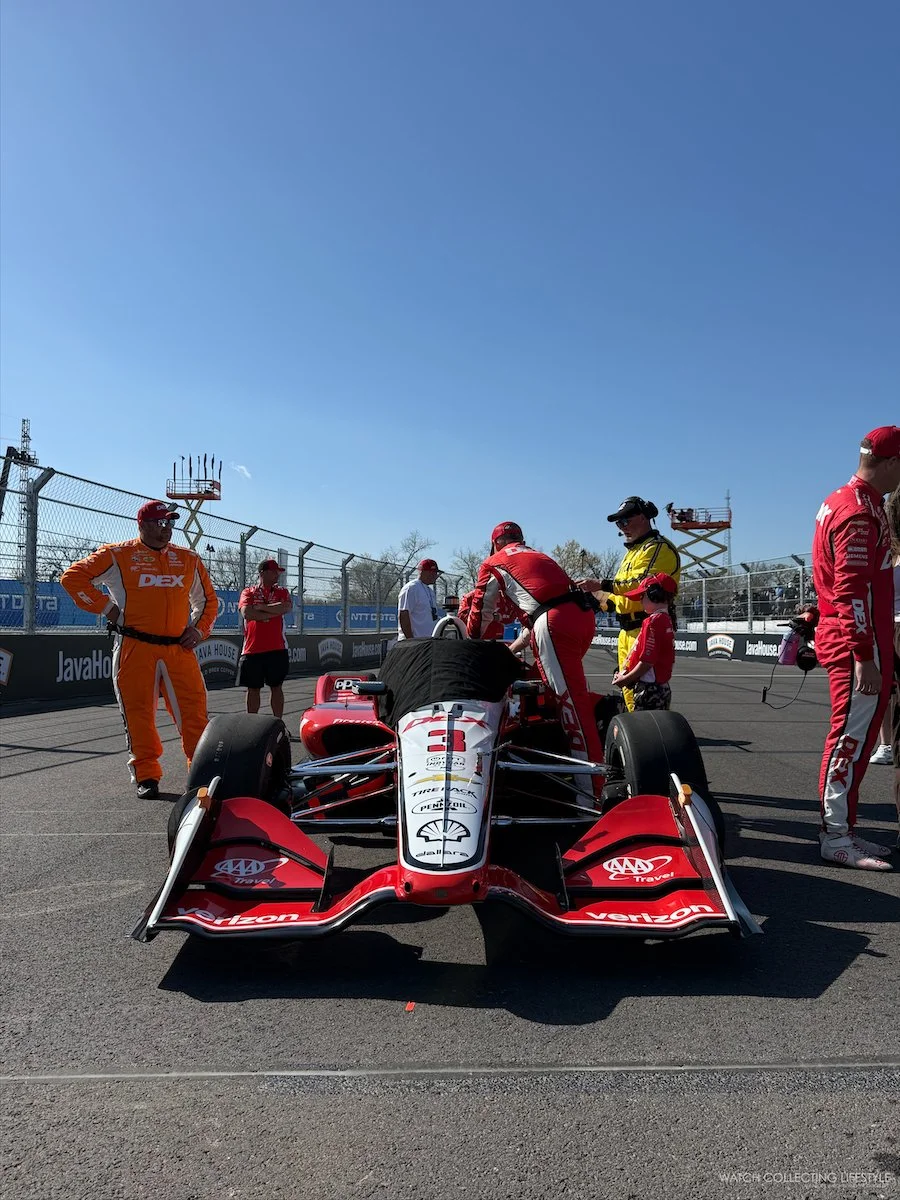
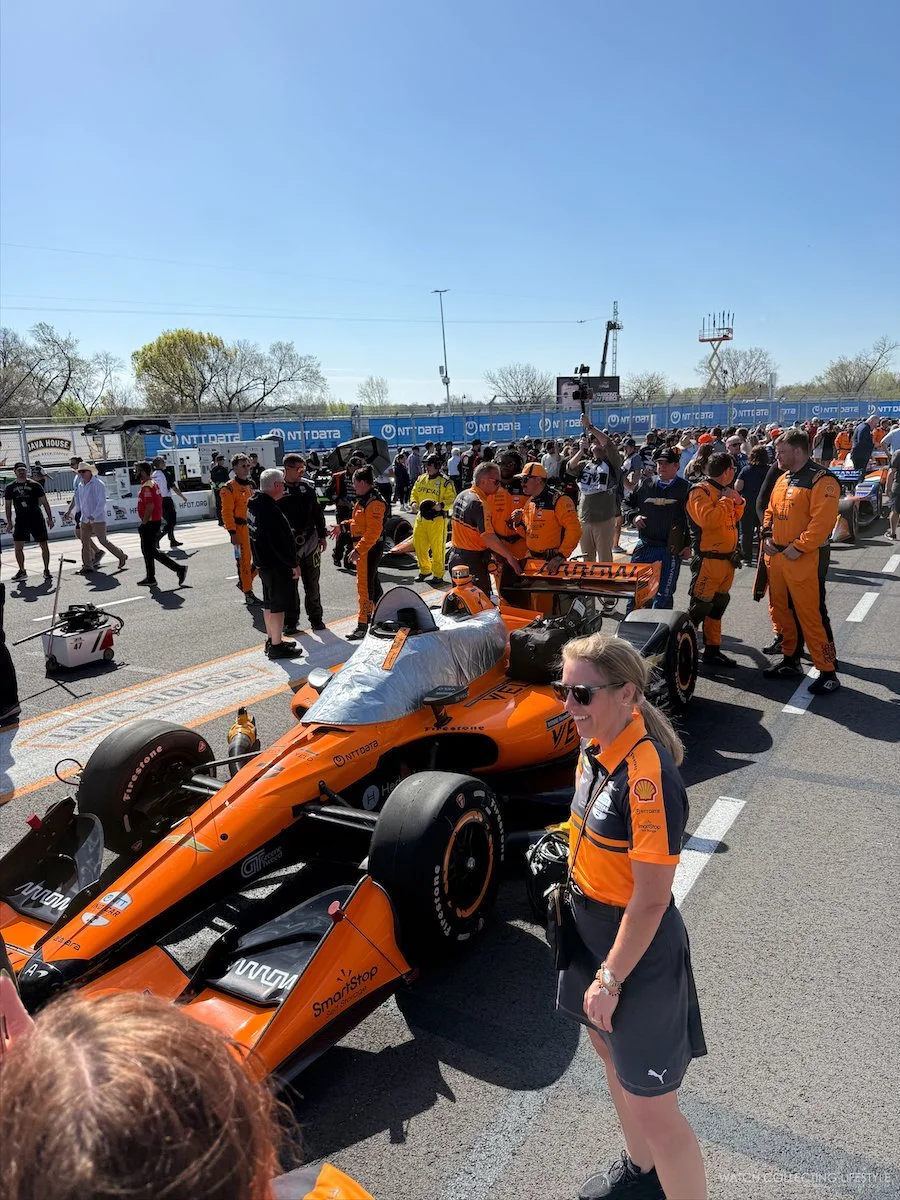
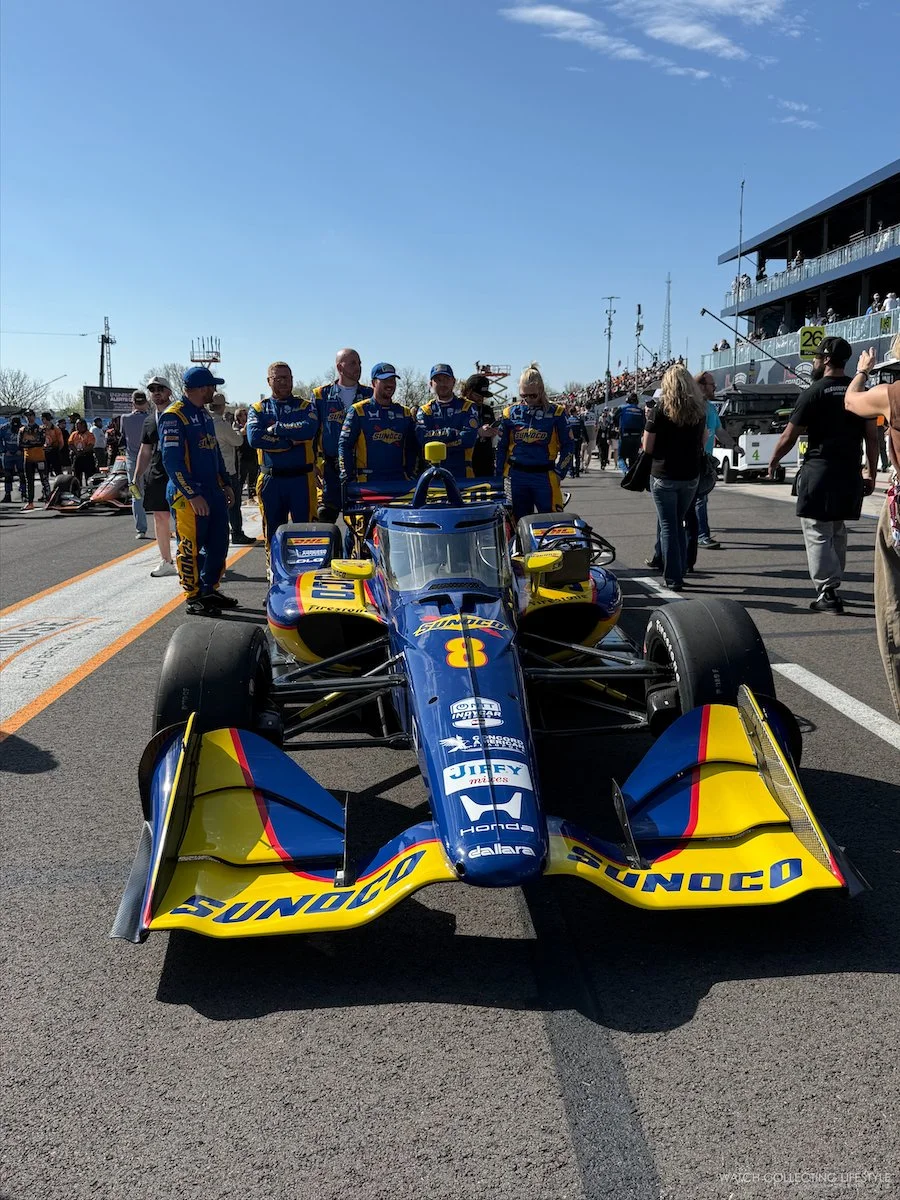
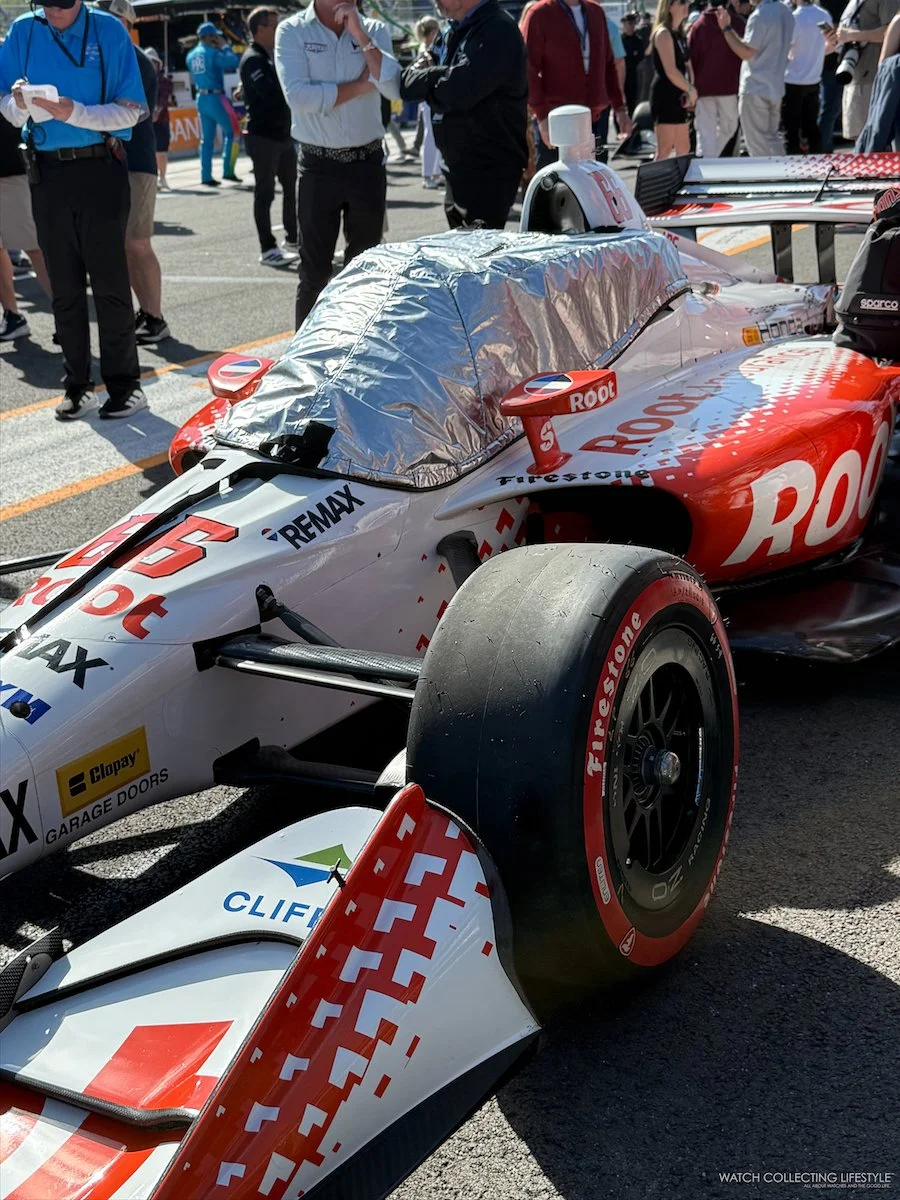
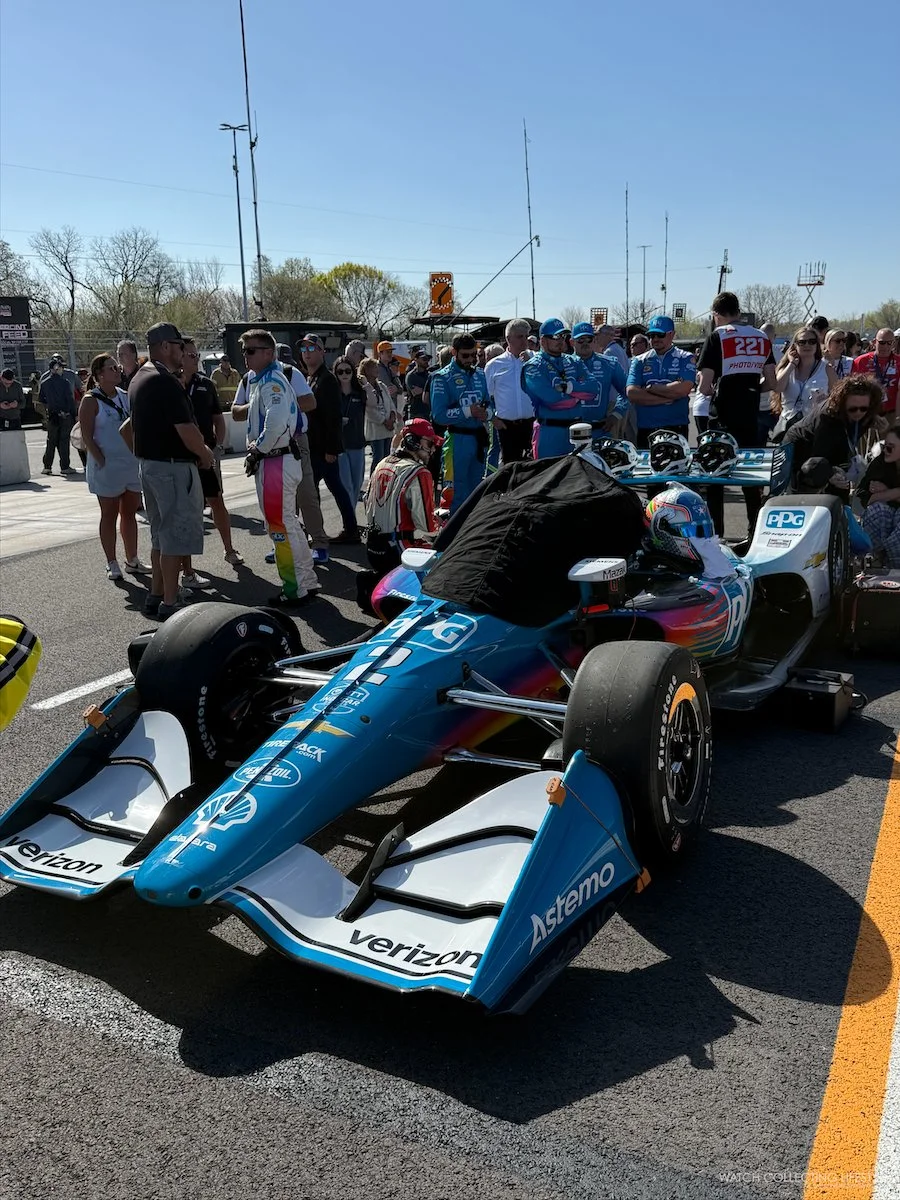
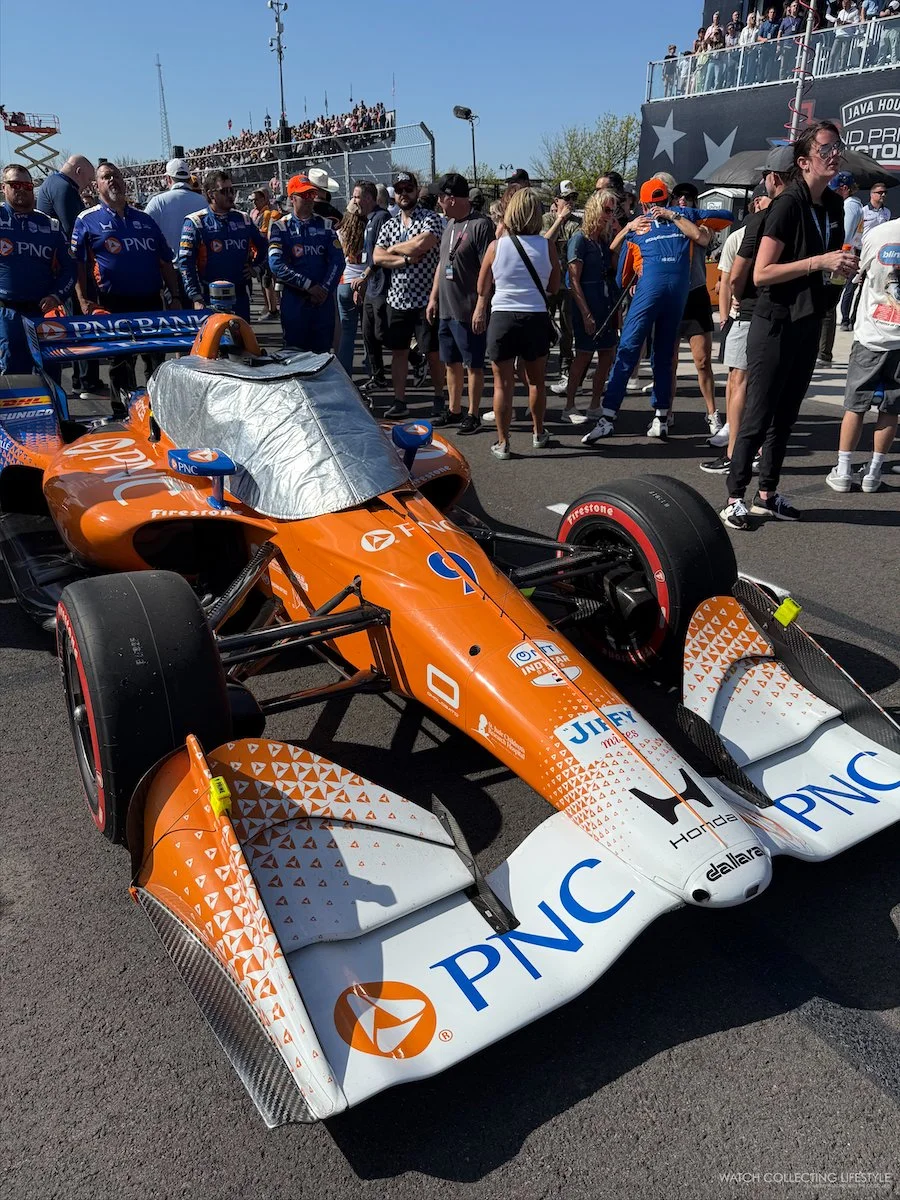
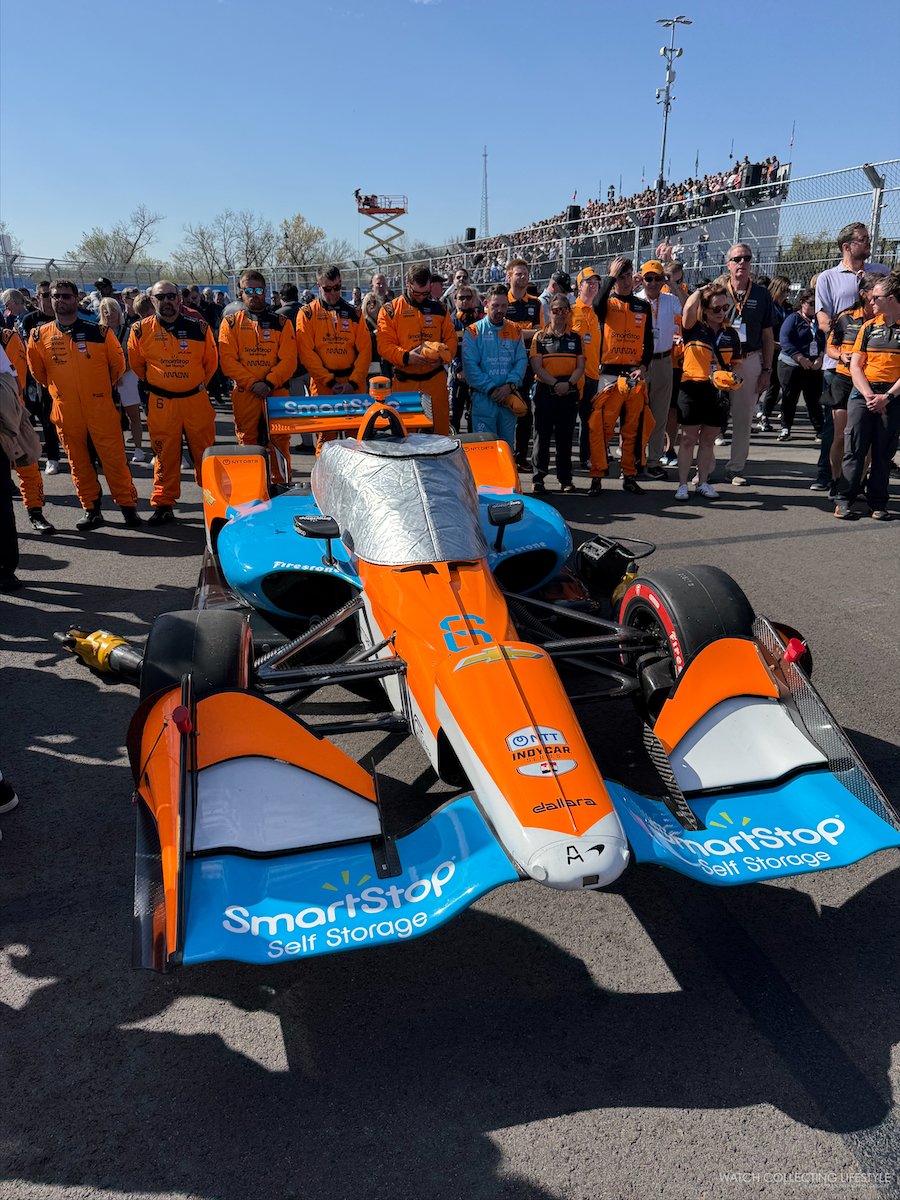
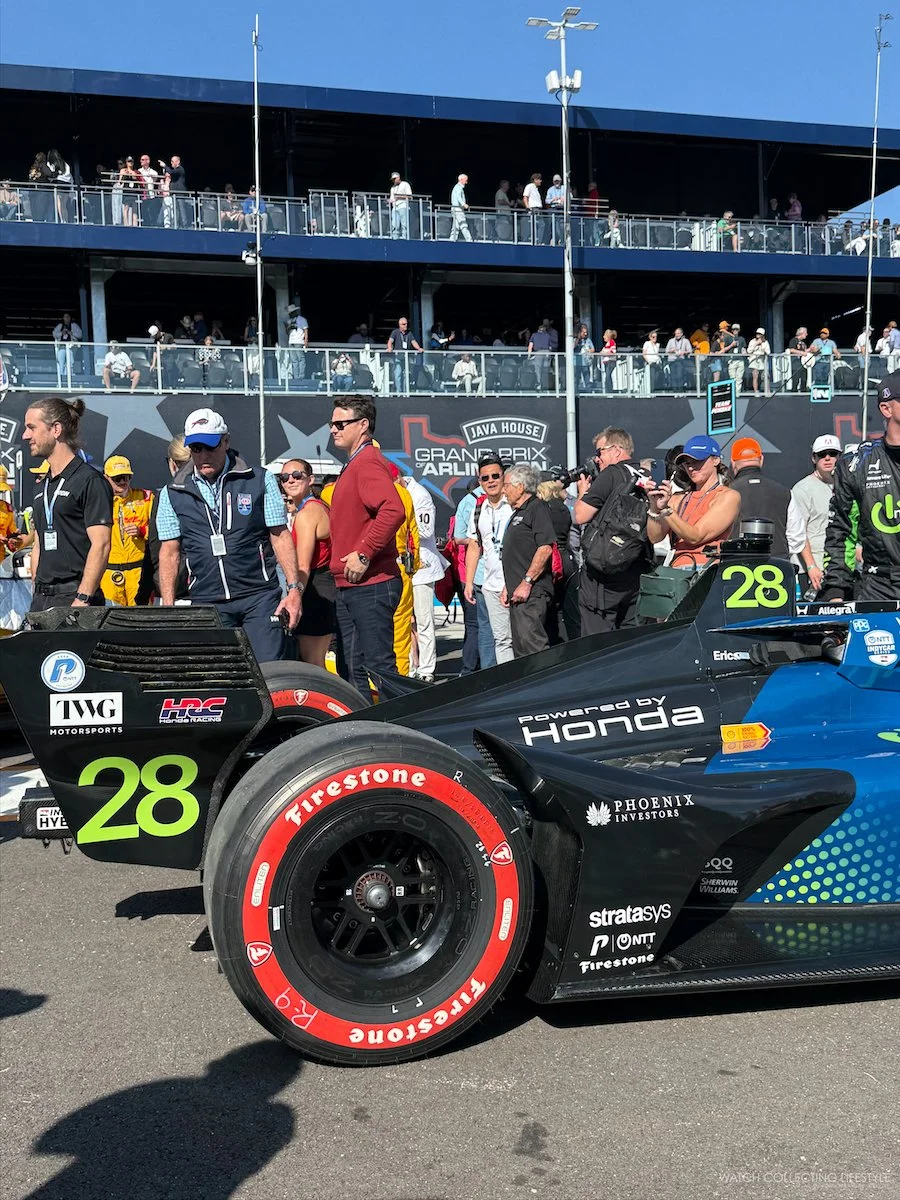
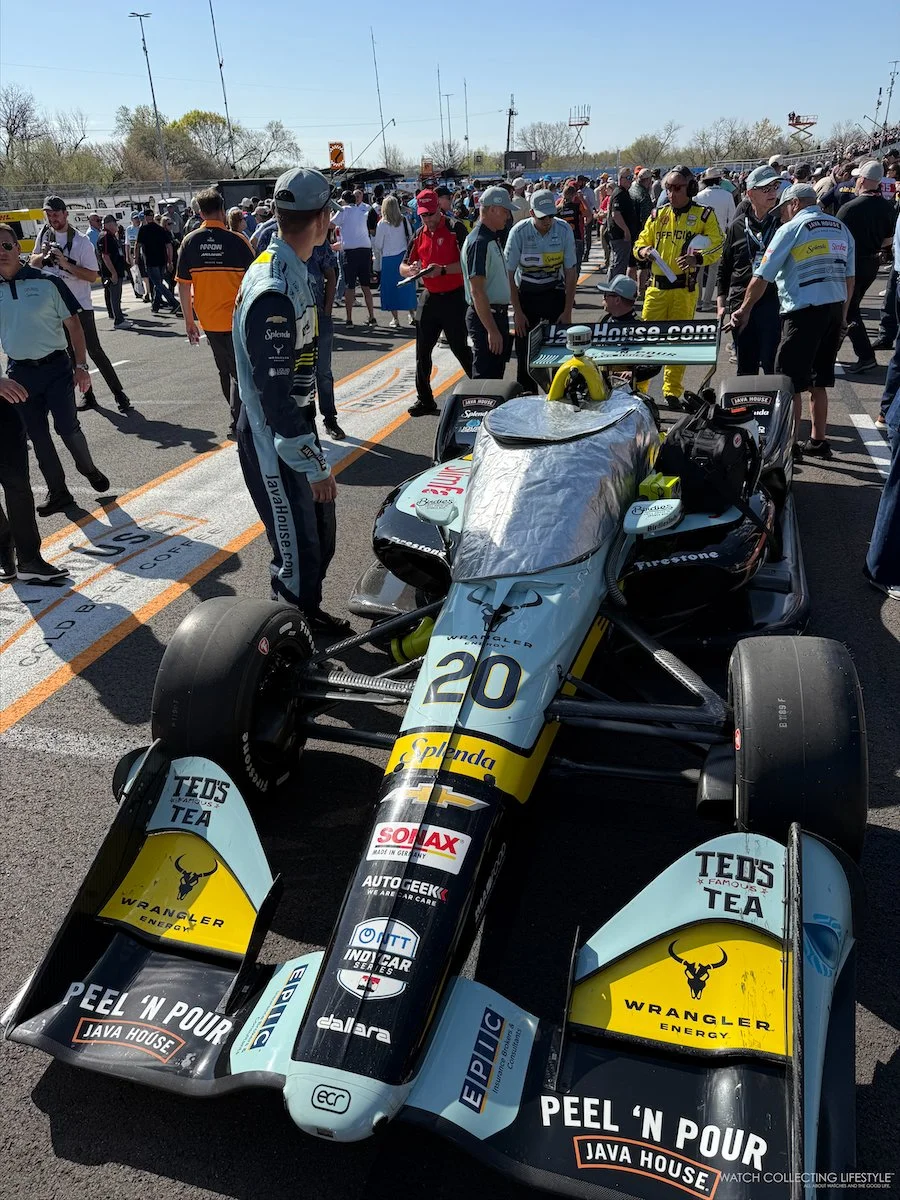
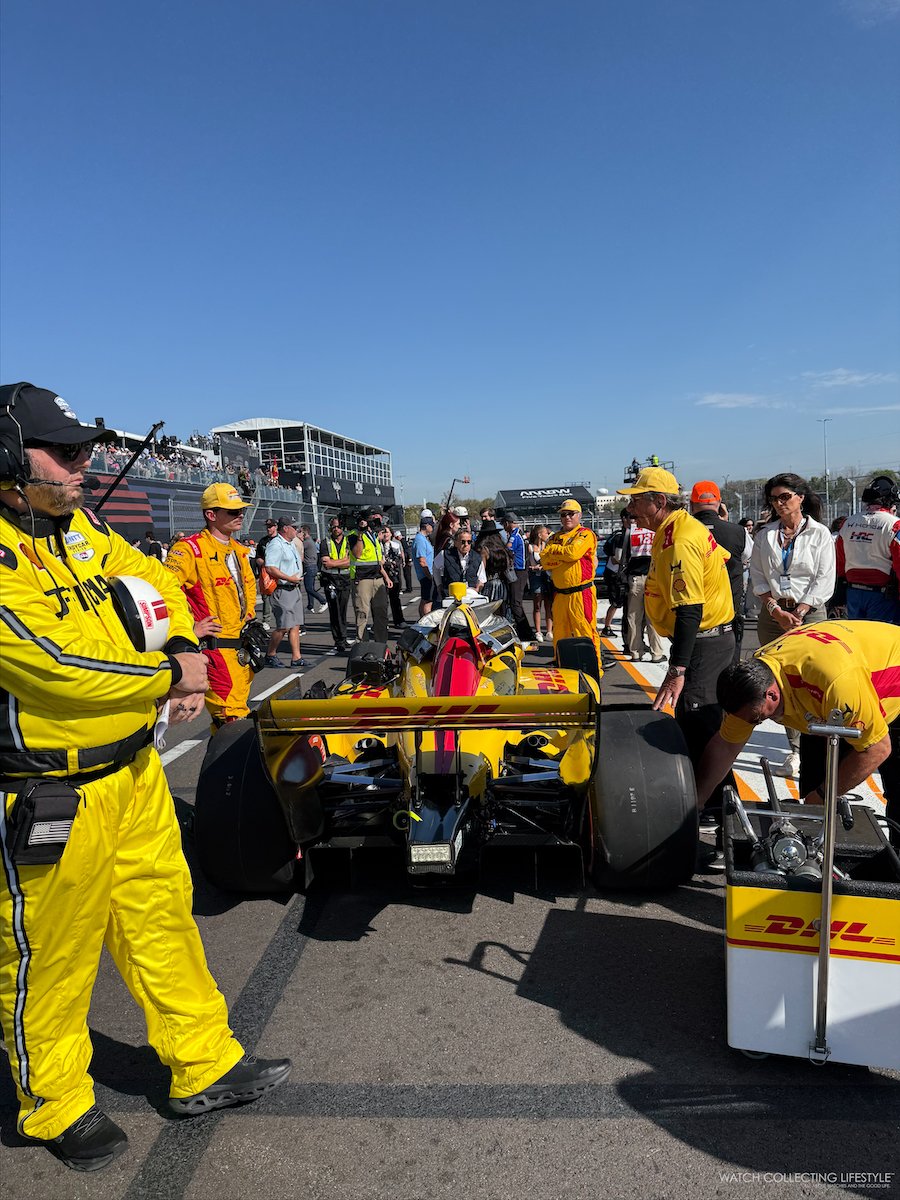
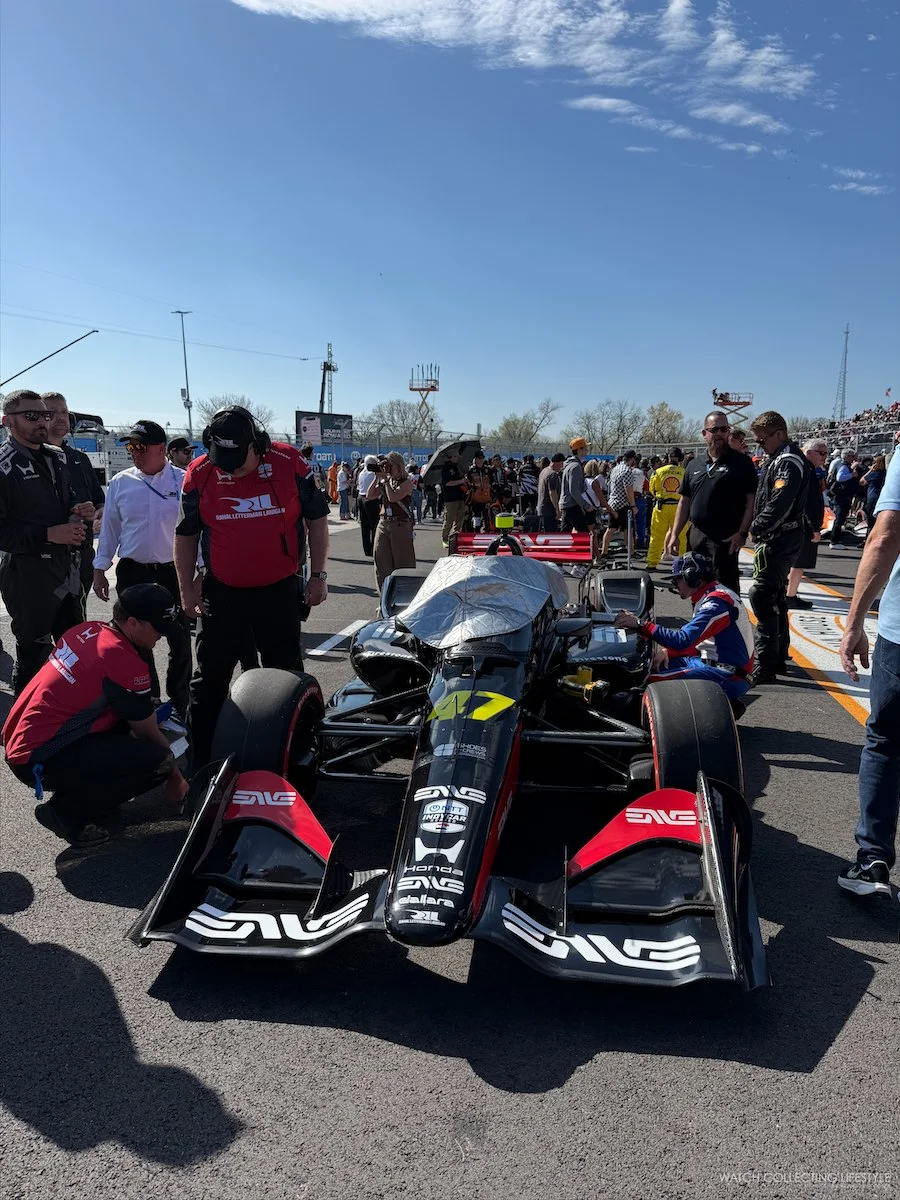
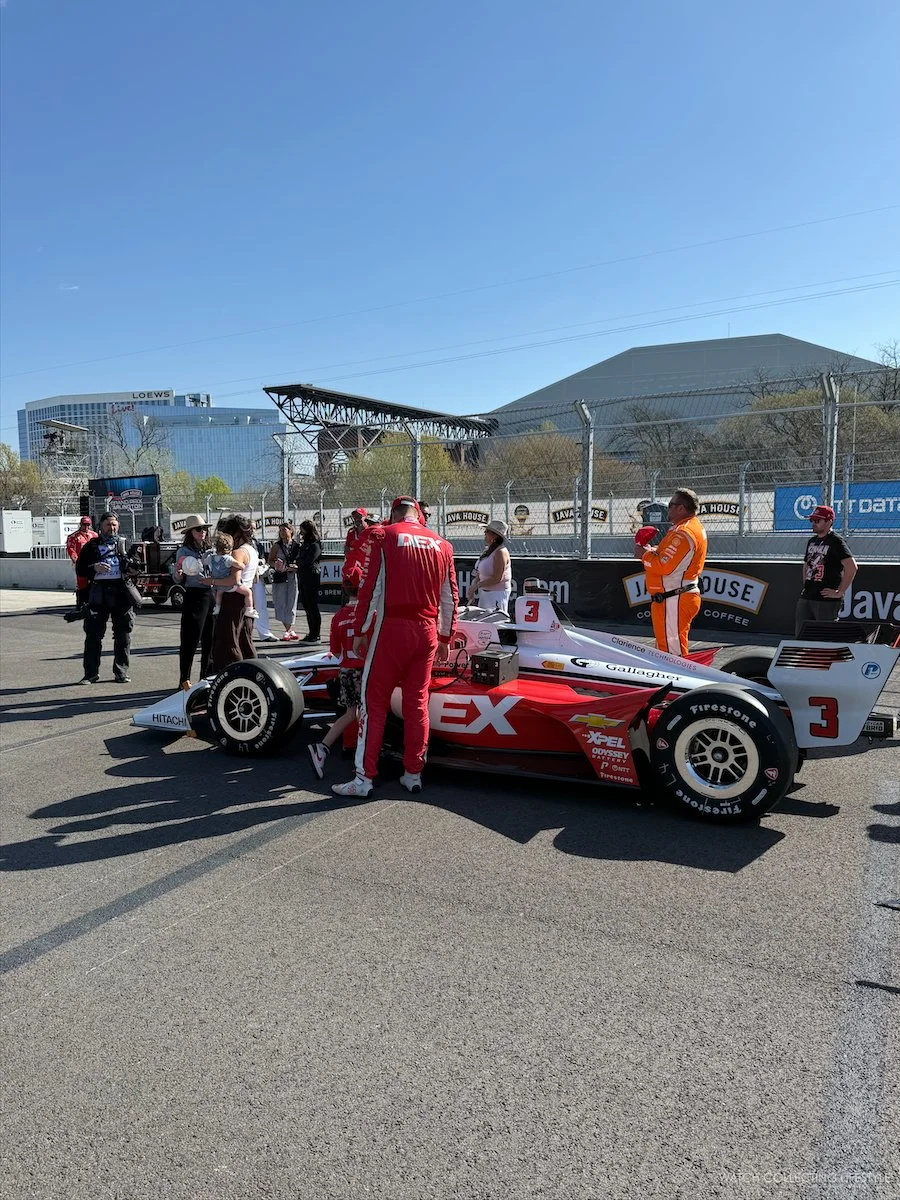
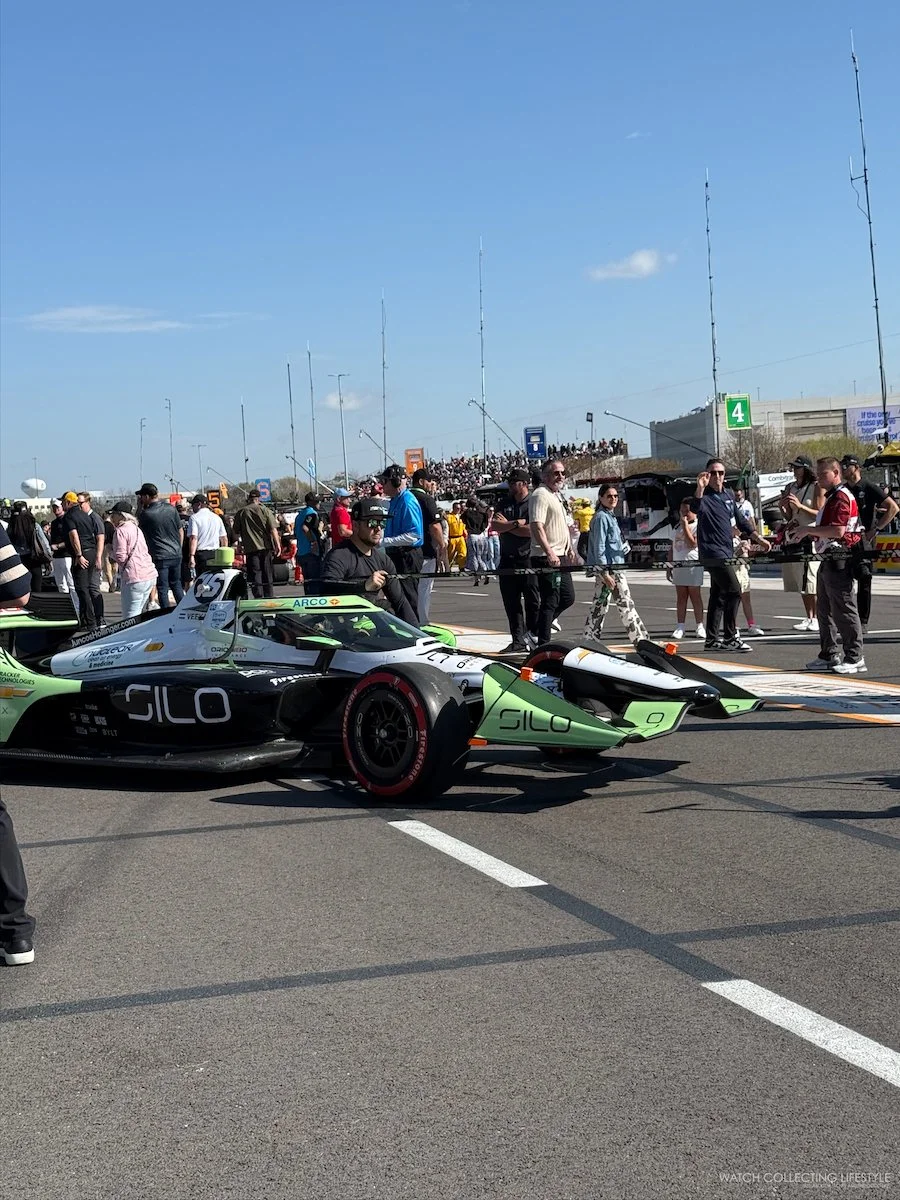
When it was time for the grid lineup, we walked along the pit lane and out onto the starting grid itself, weaving between cars as drivers strapped in and crews made their final checks. The sold-out grandstands were roaring. Strong winds—gusts approaching 40 mph—added an element of drama, and the start was moved forward by 30 minutes out of an abundance of caution.
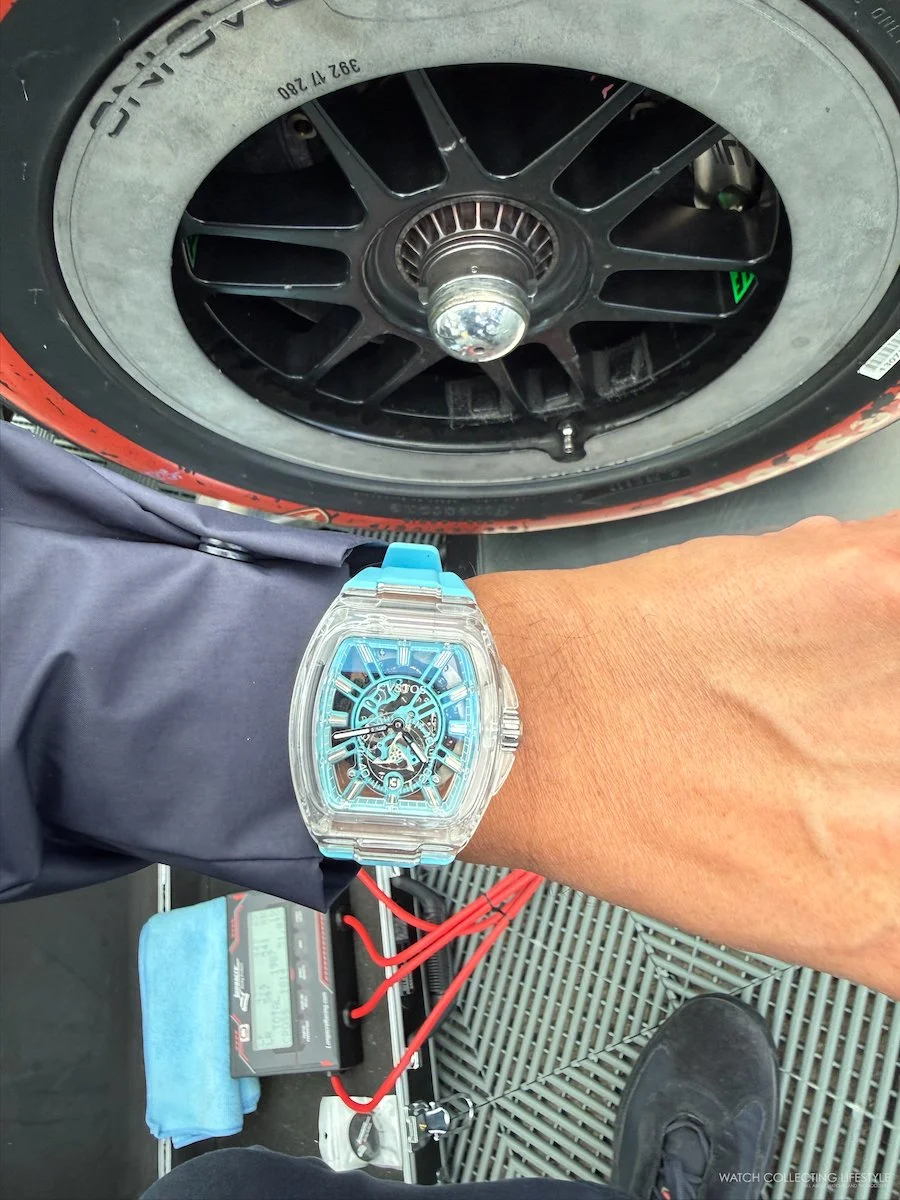
Once the green flag dropped, we watched from the pit wall as VeeKay and Robb charged from 18th and 23rd, respectively, both running an aggressive early strategy on the red Firestone alternate tires. VeeKay's crew delivered the third-fastest pit stops of the weekend, helping him climb to 14th at the checkered flag. Robb battled brake issues late but still brought the car home 21st.
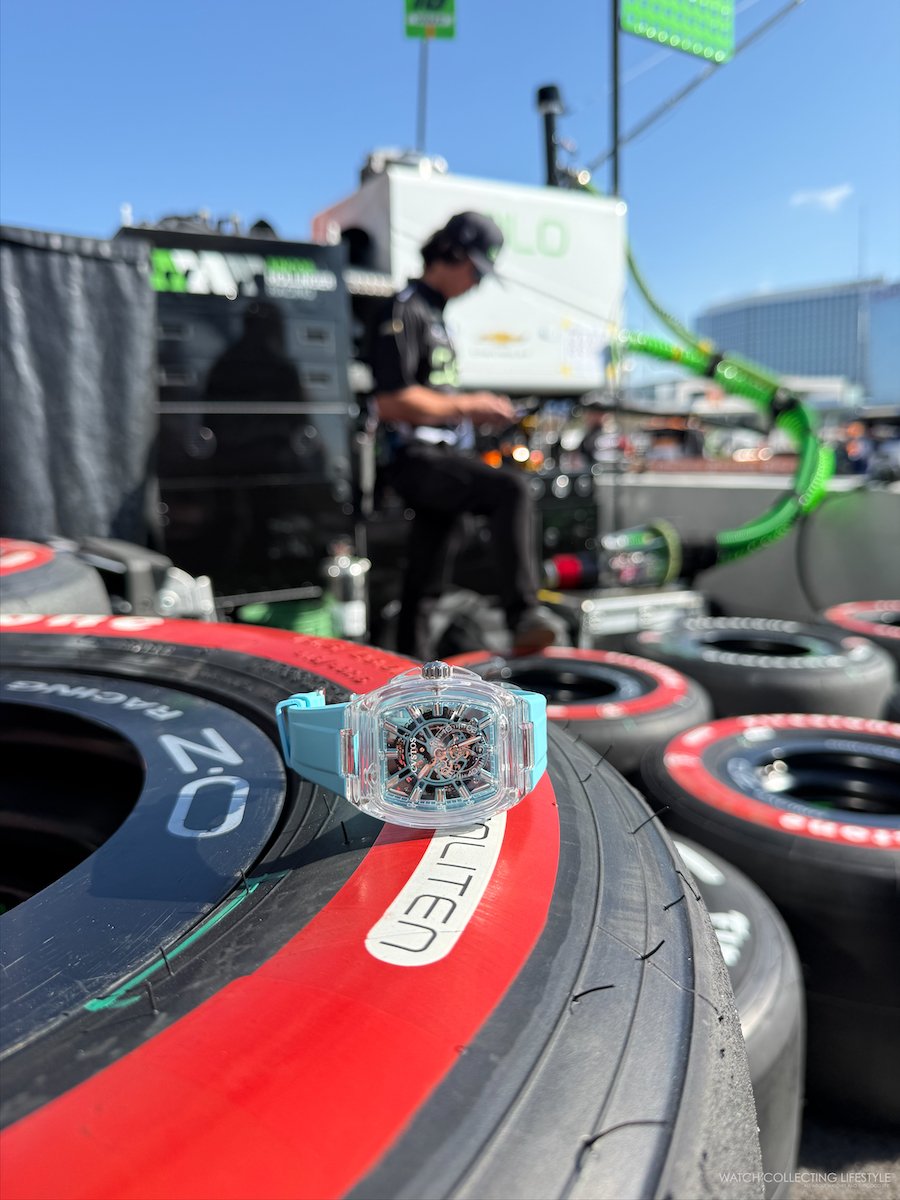
The race itself was a thriller. Kyle Kirkwood of Andretti Global overtook four-time champion Alex Palou with 15 laps remaining and held on through a dramatic late caution to win the inaugural event. Will Power completed the podium in third. Remarkably, the first full-course yellow did not appear until Lap 68 of 70.
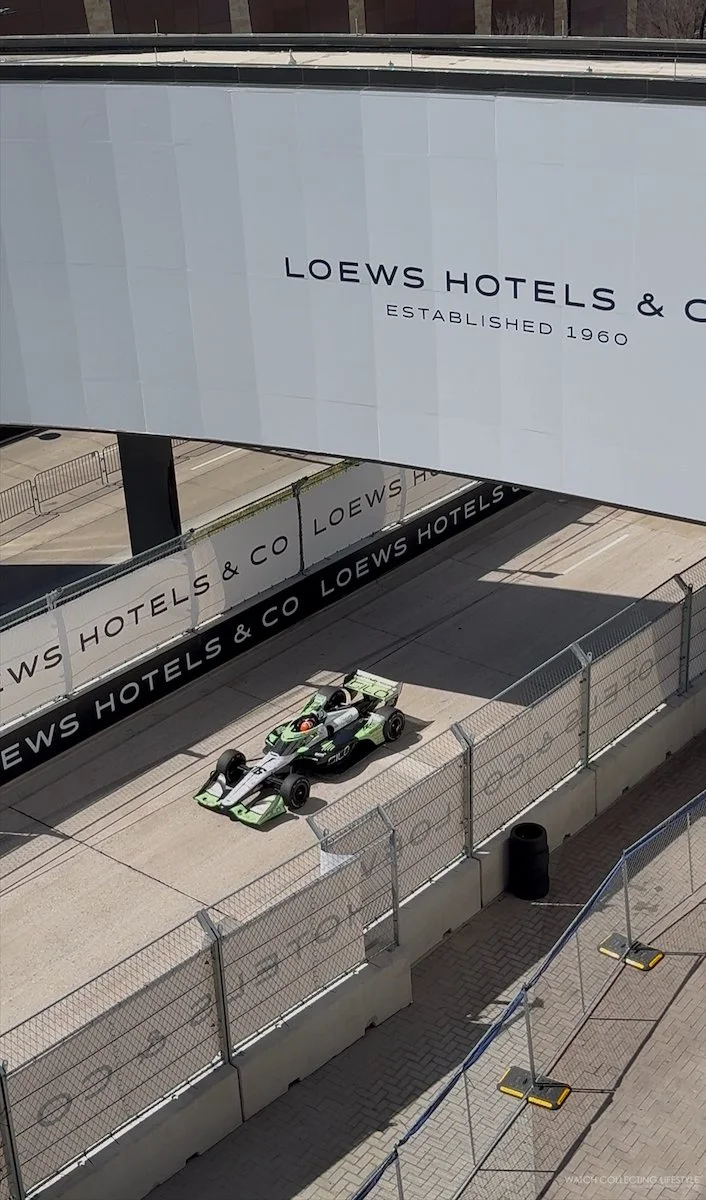
As we left the circuit that afternoon, CVSTOS on the wrist and the smell of race fuel still lingering, one thought stayed with us: the intersection of haute horlogerie and motorsport continues to produce some of the most unforgettable experiences in our watch collecting life.
For more info on CVSTOS, click here, and for Juncos Hollinger Racing, here.