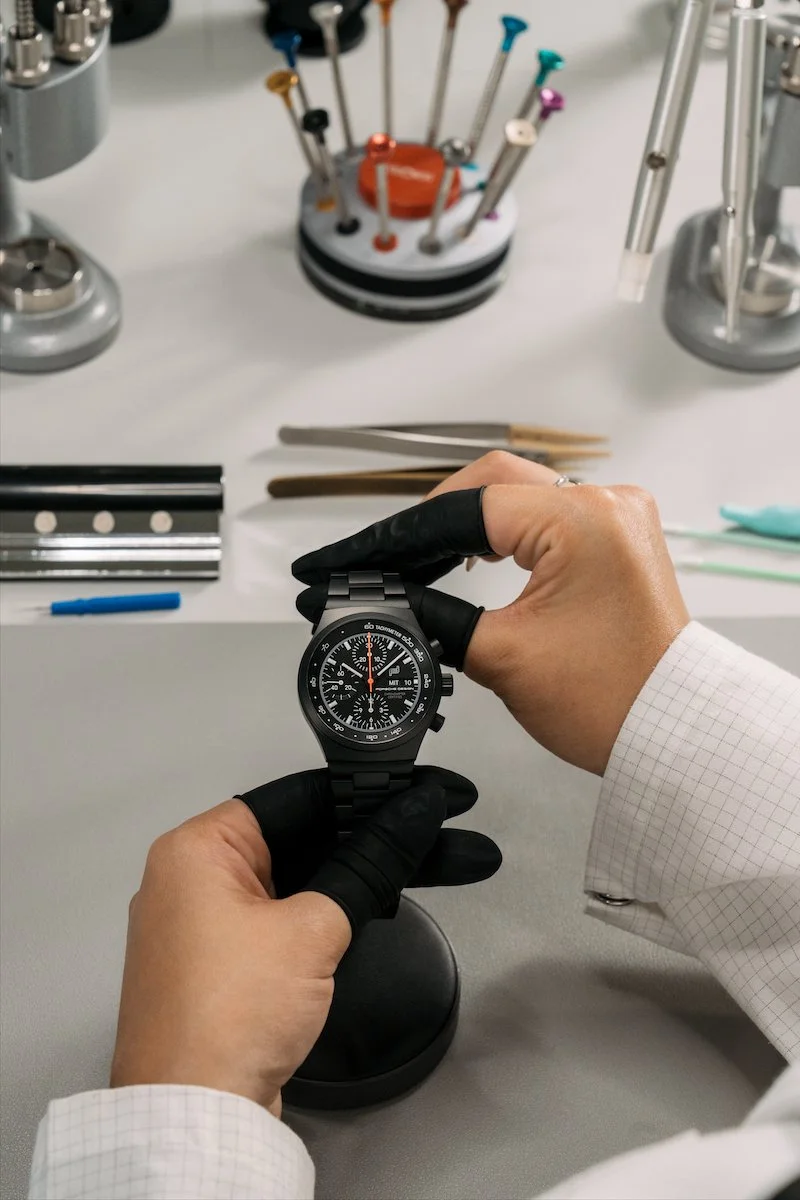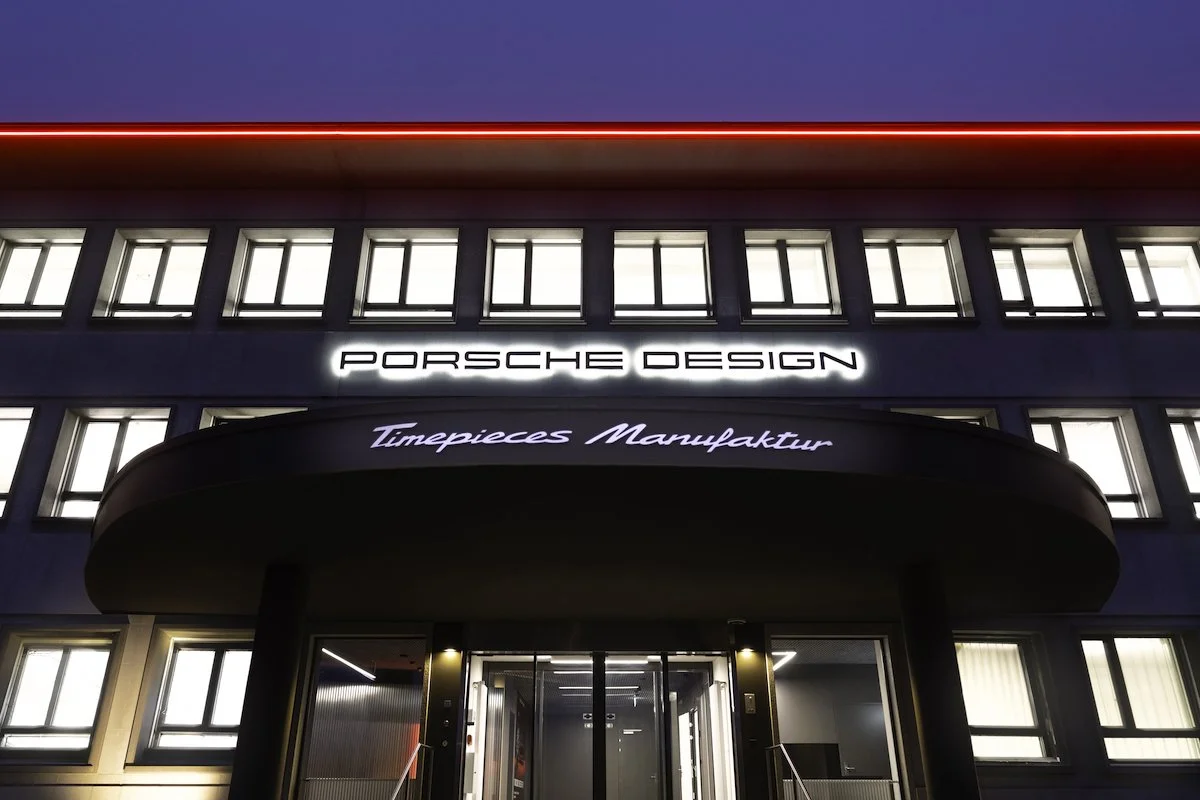
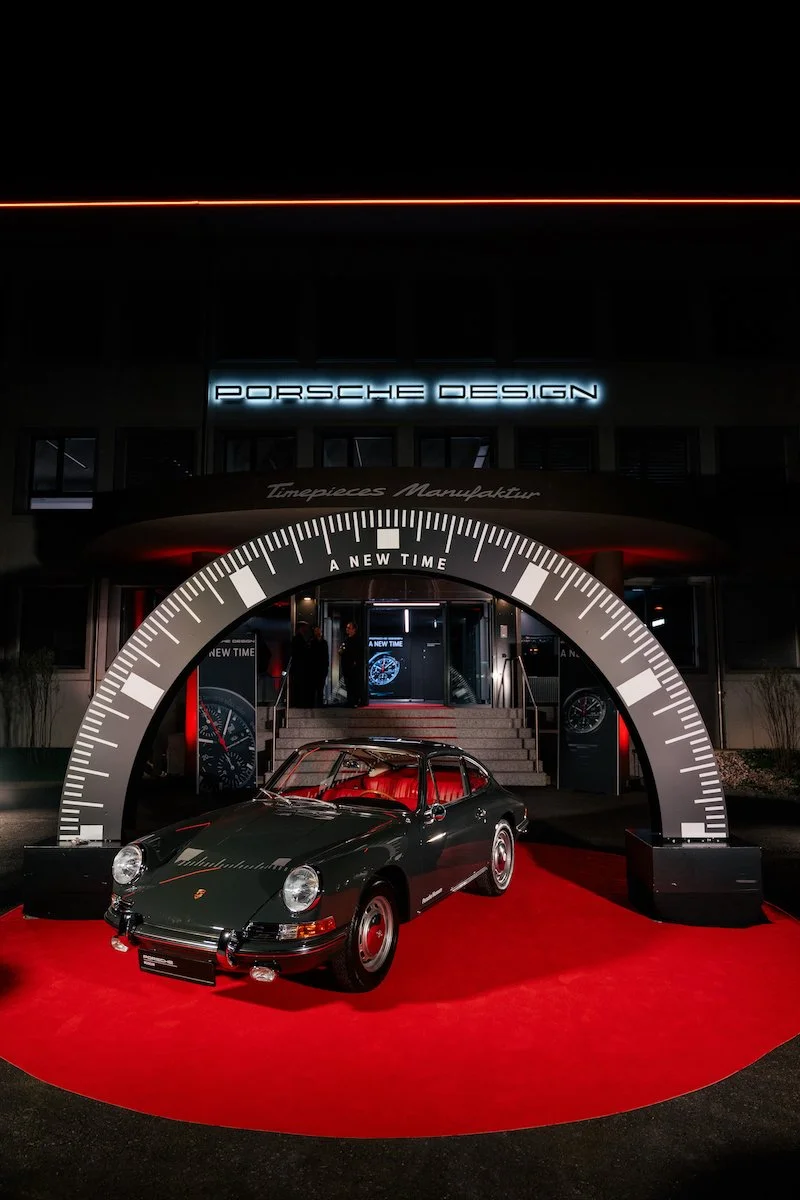
Porsche Design has officially opened its new Timepieces Manufaktur in Grenchen, Switzerland, marking the brand's first permanent production base in the country's watchmaking heartland. The ceremonial opening took place on March 19, 2026.
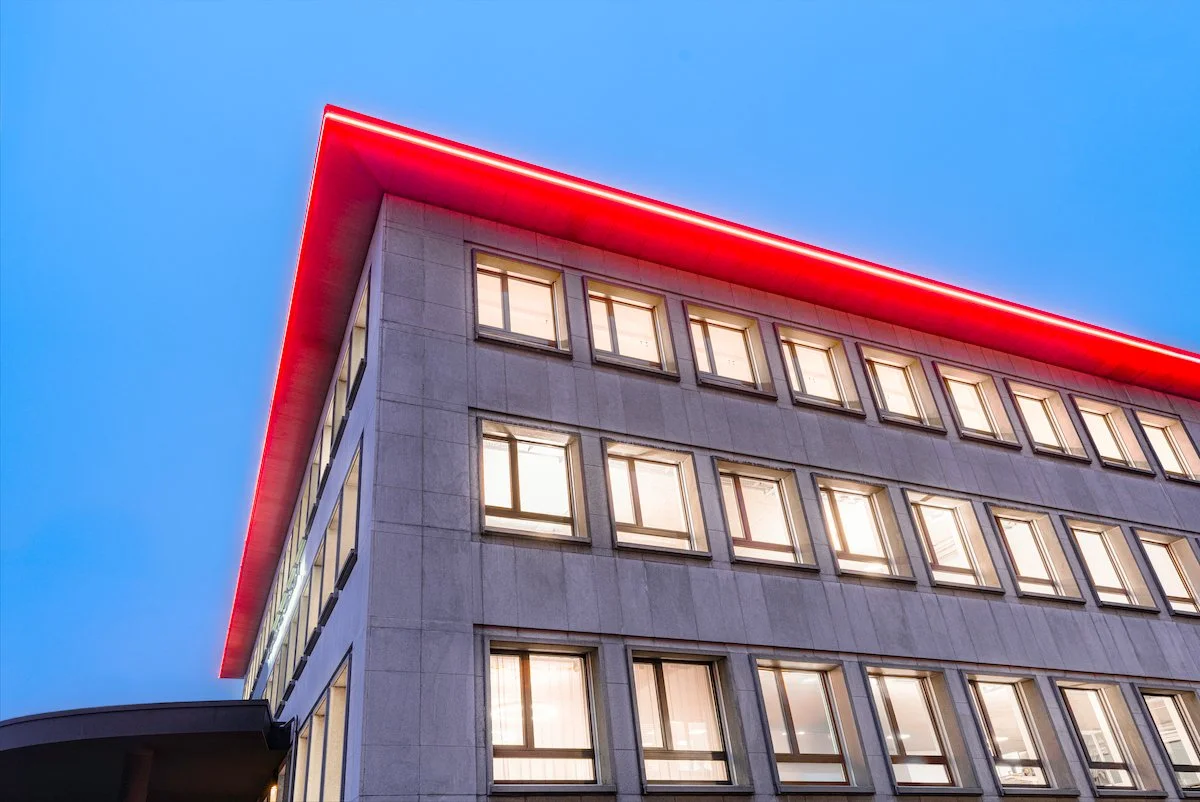
The facility occupies a historic building constructed in 1955 that once served as Eterna's headquarters. The connection runs deeper than geography: in 1995, the building was acquired by F.A.P. Beteiligungen GmbH, a company tied to Professor Ferdinand Alexander Porsche and his son. Between 1996 and 2014, Porsche Design timepieces were manufactured on site under license from Eterna. After the building was decommissioned in 2012 and sat vacant for years, Porsche Design acquired it in May 2024 and completed a full modernization in roughly 18 months, relocating from its previous site in nearby Solothurn last fall.
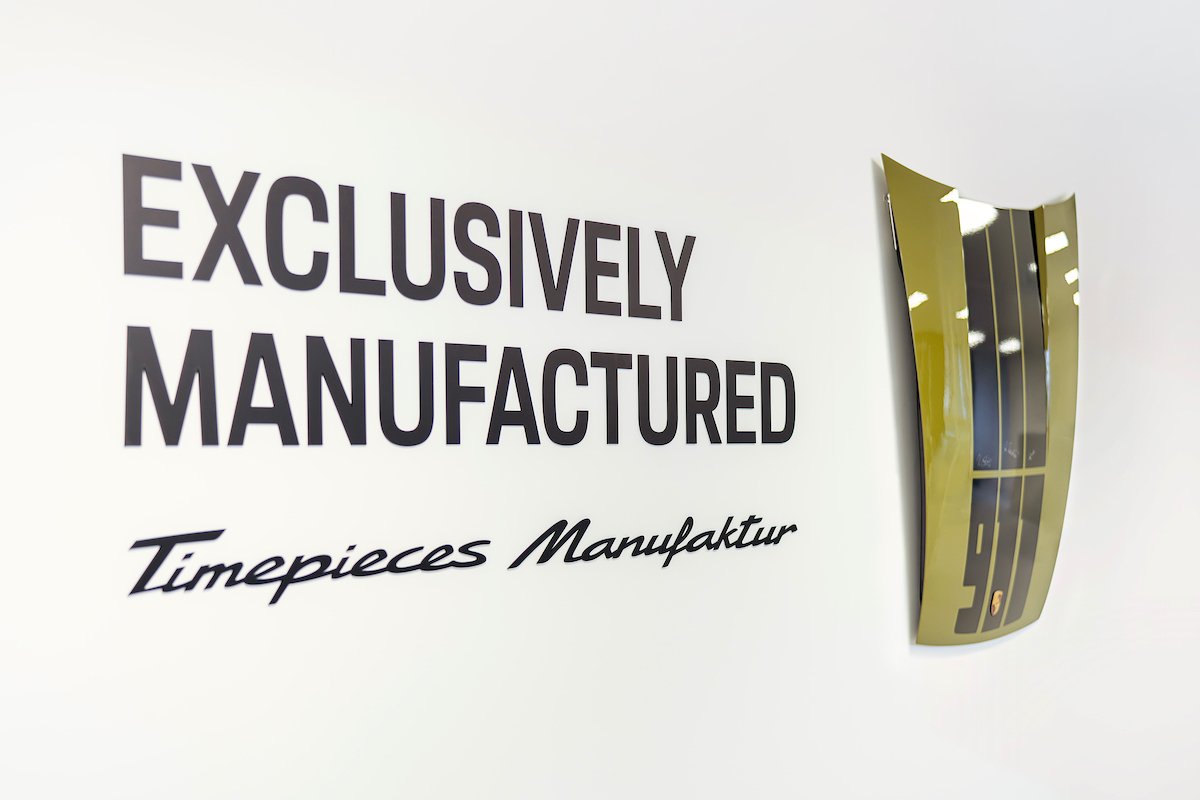
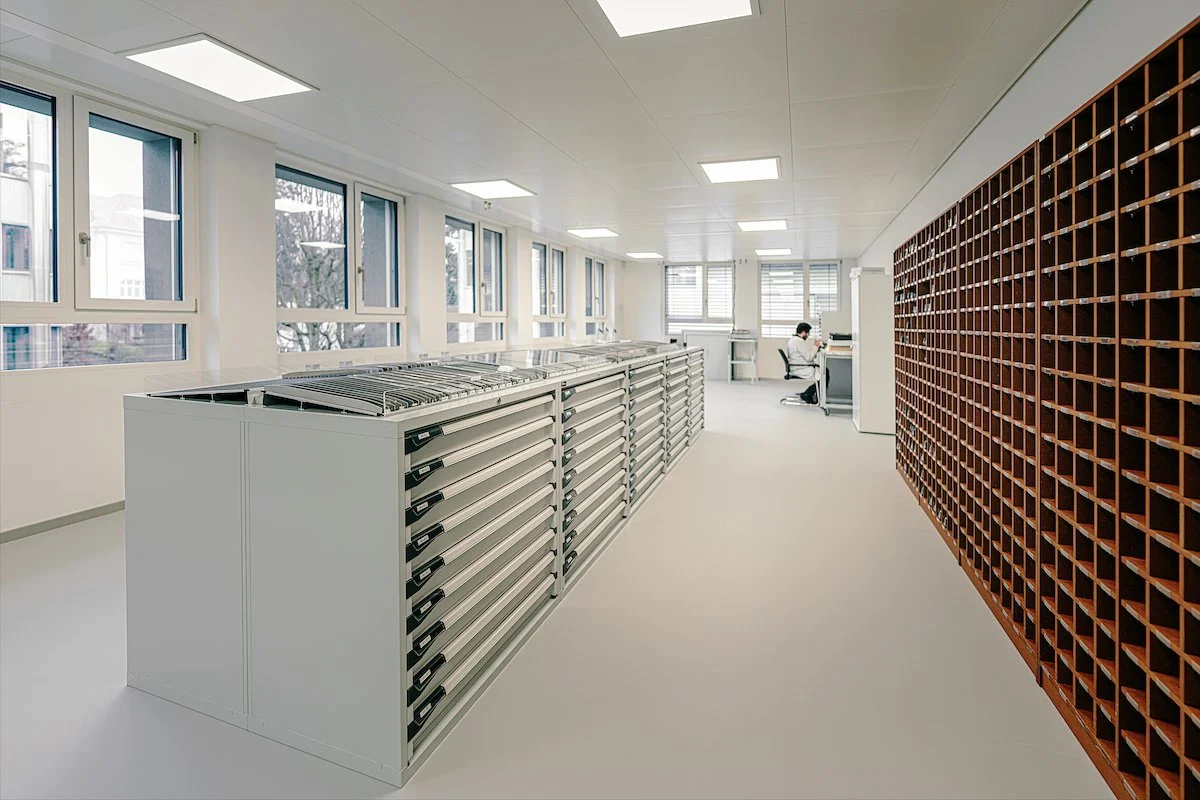
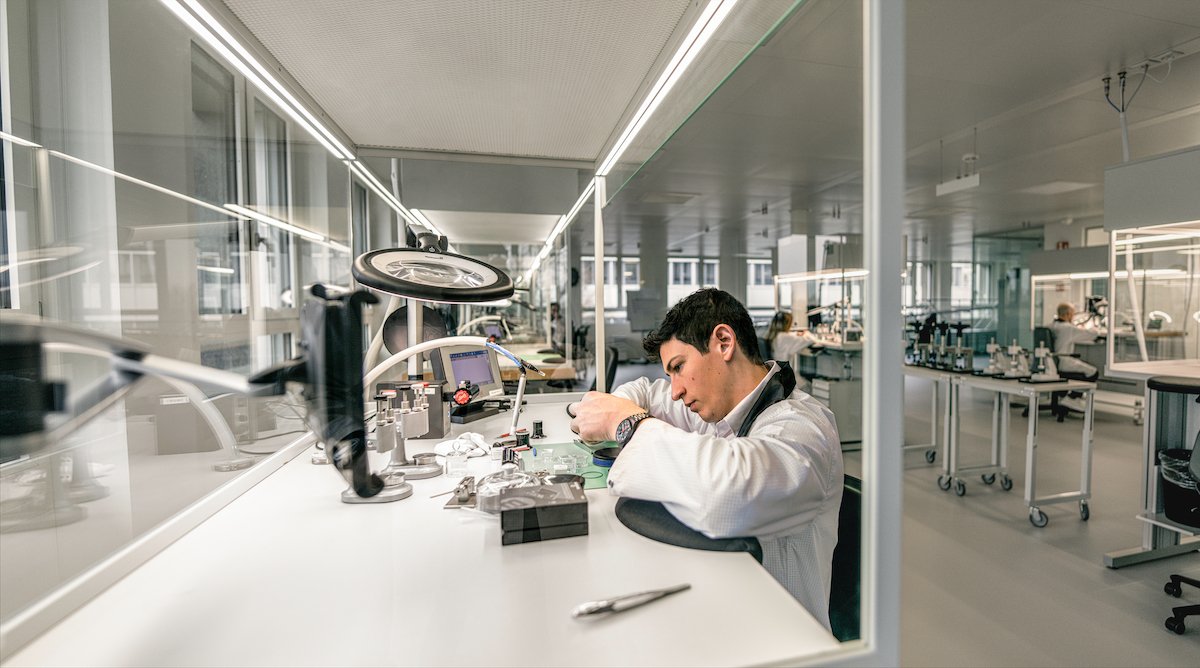
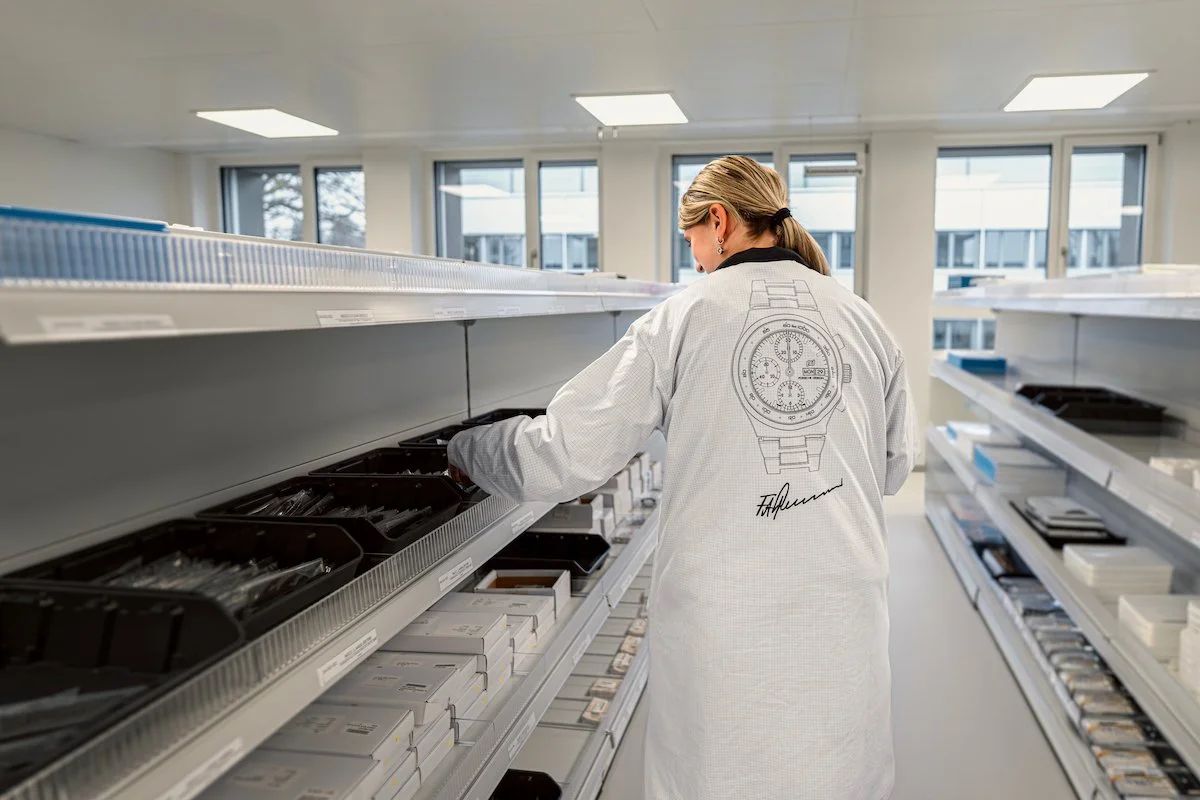
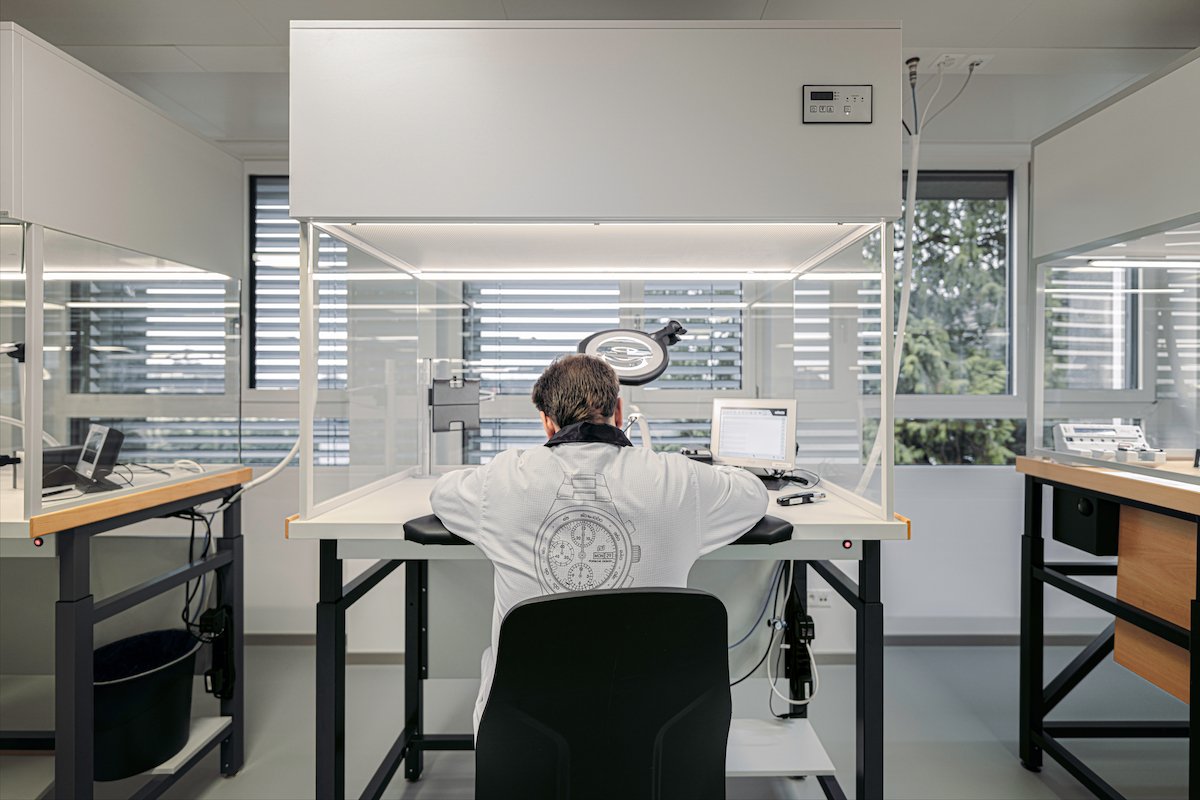
The 3,600-square-meter facility currently houses 10 watchmaker workstations in an ISO 7 cleanroom, with benches operating at an ISO 5 level. Climate is tightly regulated—five air changes per hour, humidity held between 40% and 50%, and access restricted through a dedicated airlock requiring protective clothing. Production follows what Porsche Design describes as a sequential manufacturing principle, with integrated gravity-fed conveyor logistics connecting storage directly to the cleanroom. Annual capacity stands at up to 10,000 units, with room to scale further.
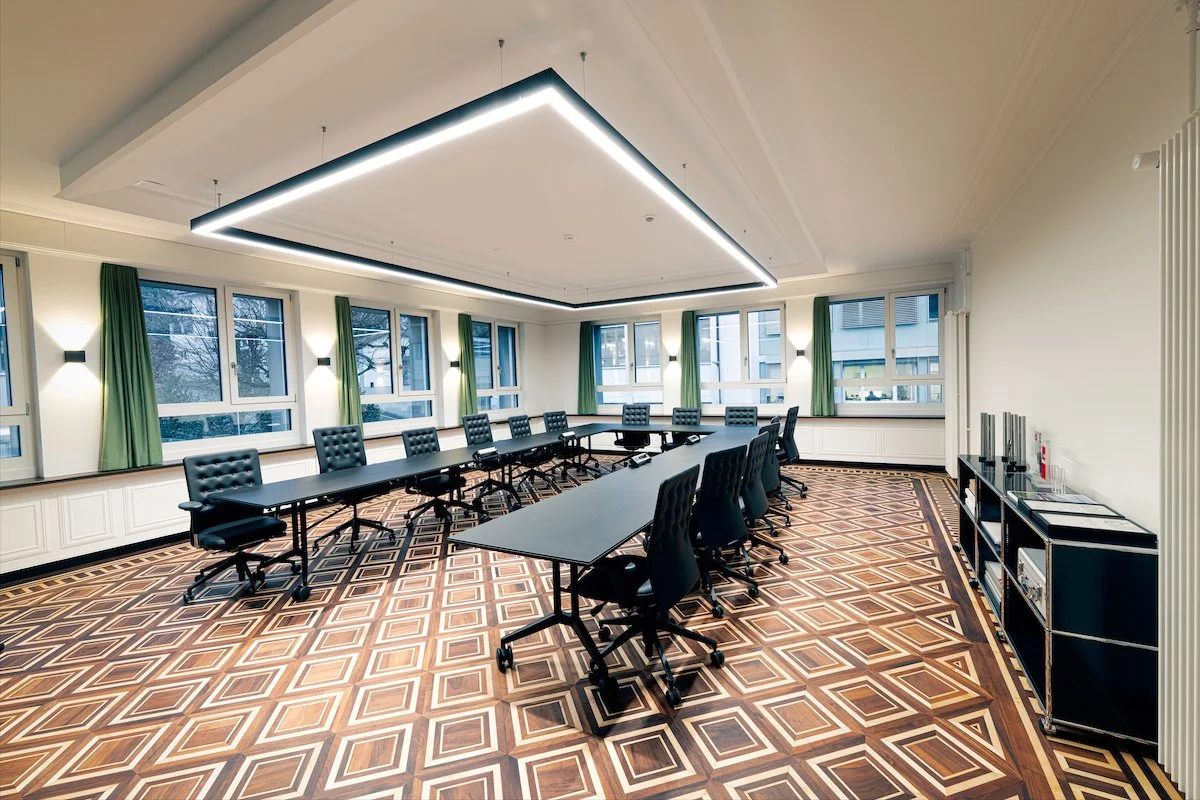
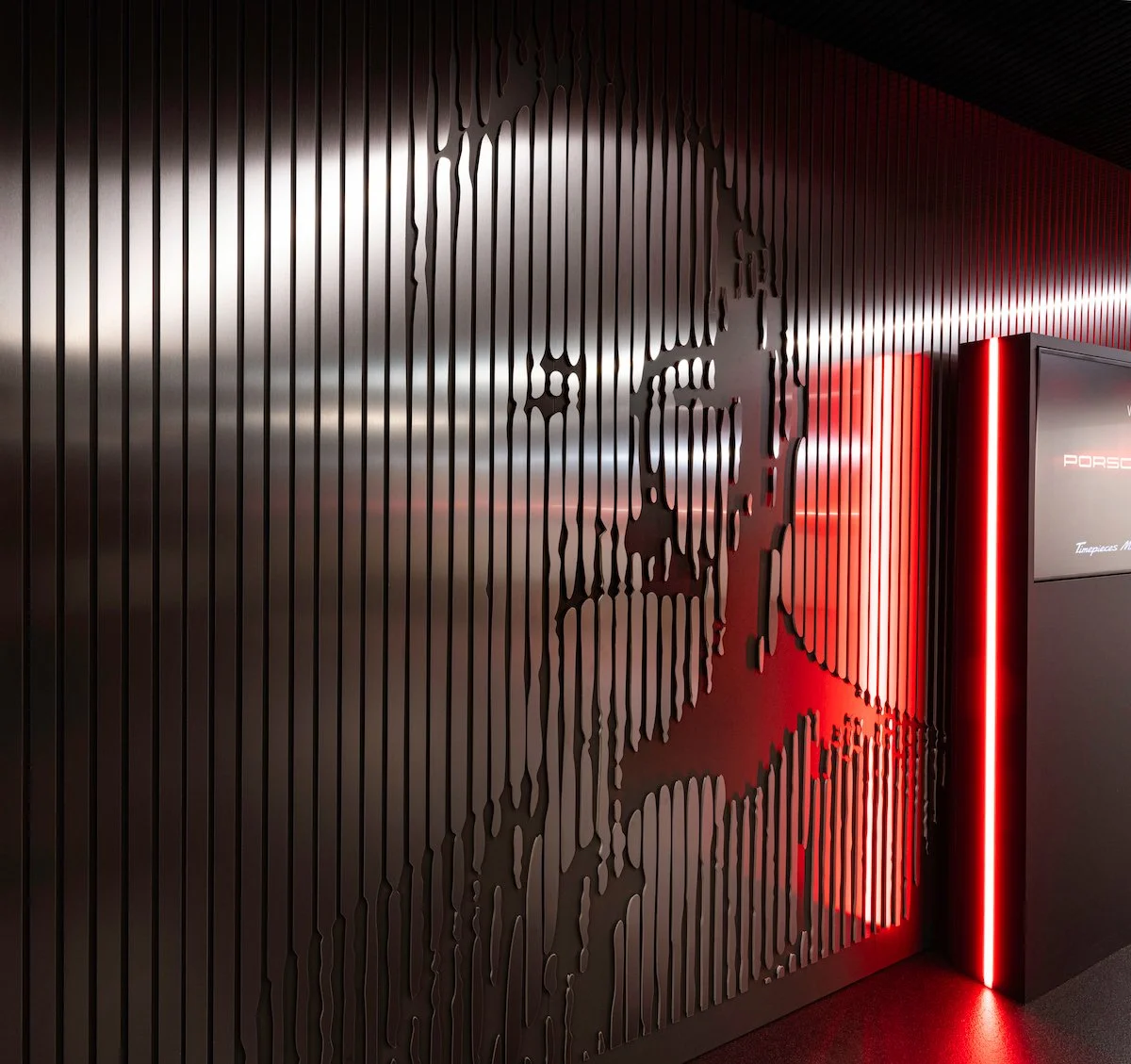
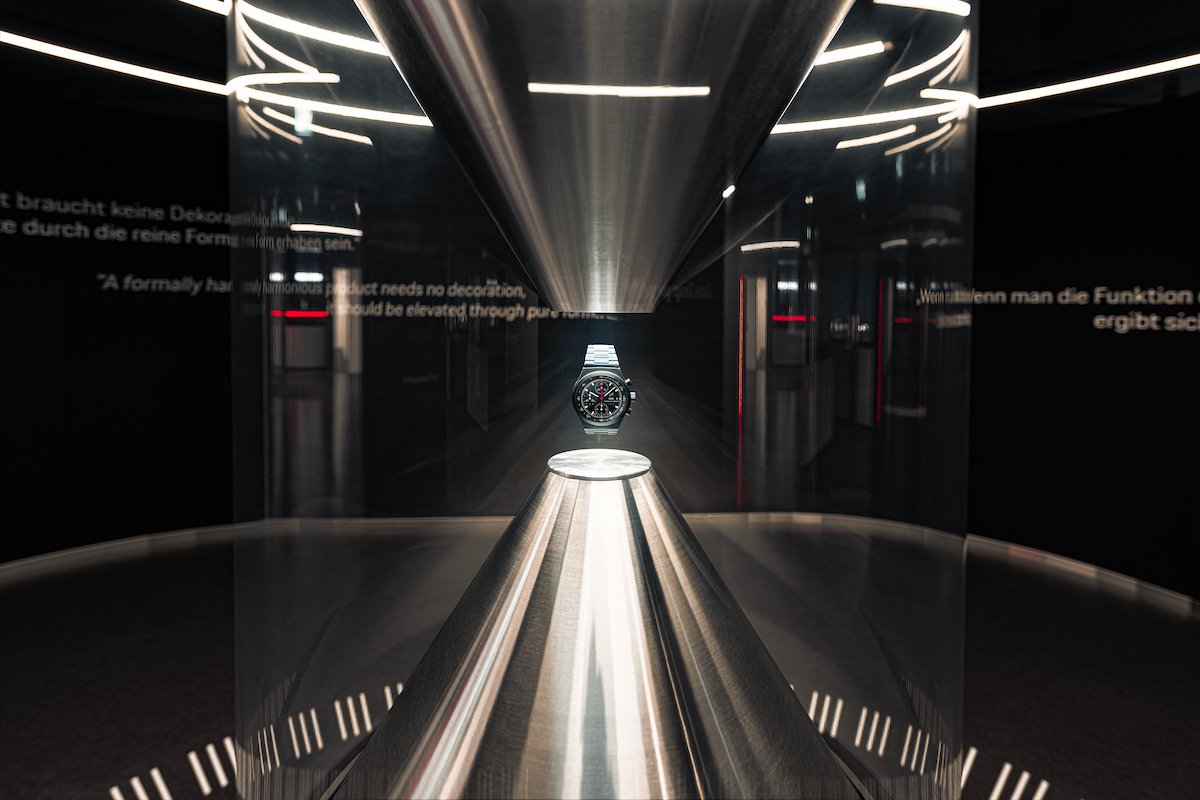
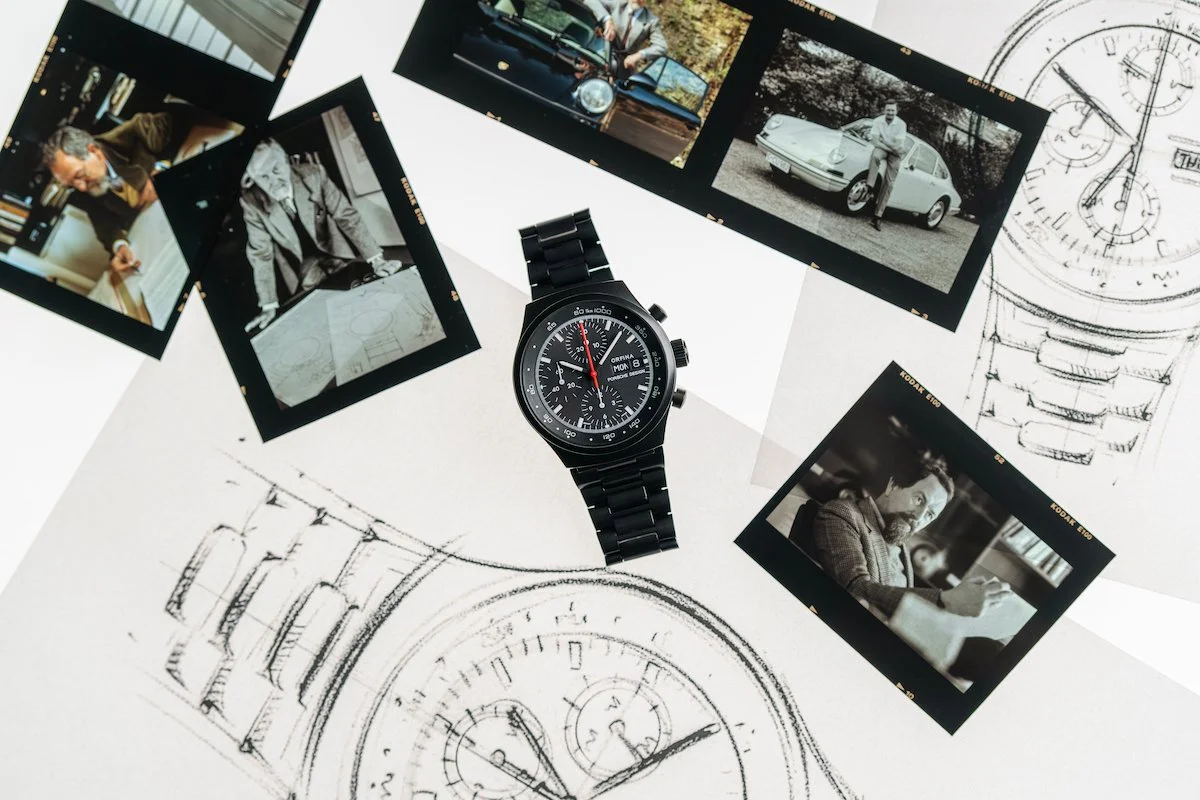
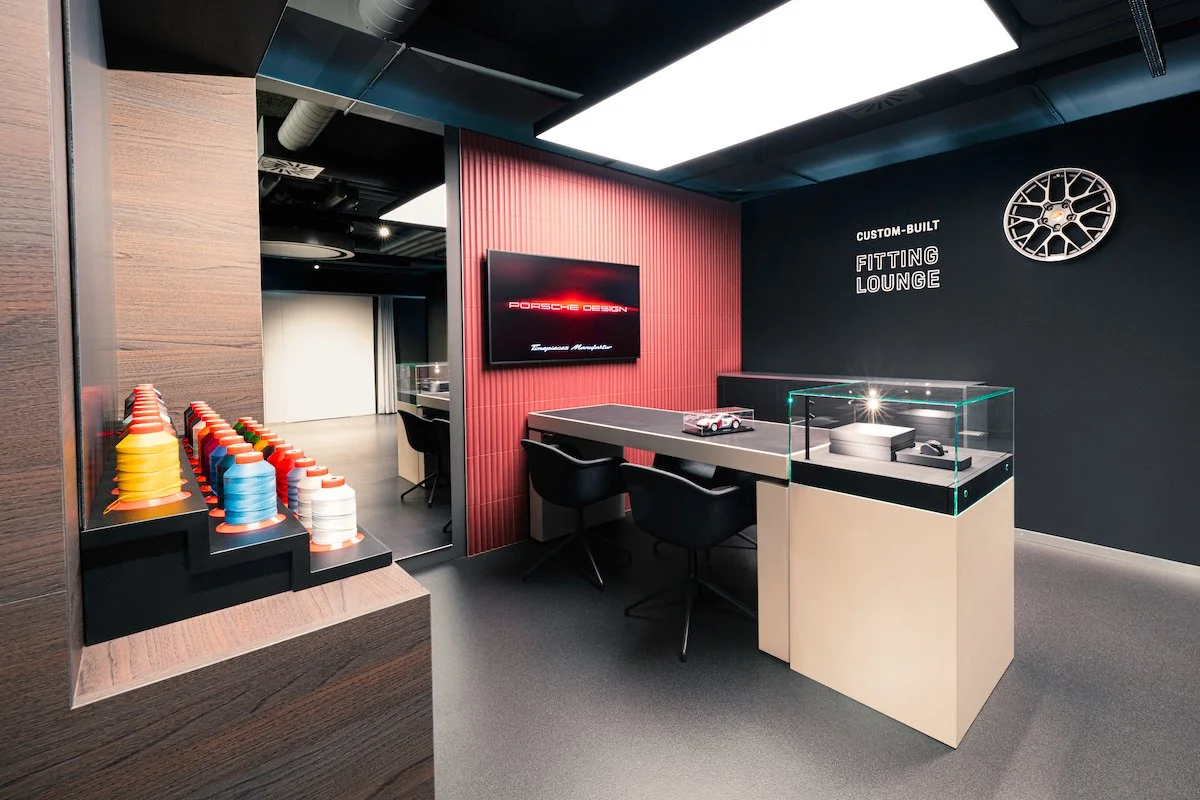
The building also functions as a brand experience destination. A ground-floor exhibition traces the evolution of Porsche Design Timepieces since 1972, while a dedicated "Fitting Lounge" allows customers to configure custom-built watches on site and collect them after production — bringing configuration, manufacturing, and handover under one roof for the first time. Guided factory tours will be offered, and in a characteristically Porsche touch, customers can drive their car directly into the manufacture.
On the sustainability front, 211 rooftop solar panels generate a peak output of 134 kW, covering approximately 62% of the facility's energy needs. A heat pump system, heat-recovery ventilation, and cold-default faucets round out the efficiency measures, with estimated CO₂ savings of roughly 58,500 kg per year.
Porsche Design frames the opening as a strategic milestone for parent company Porsche AG, positioning itself as the only automotive manufacturer operating its own watch manufacture. CEO Rolf Bergmann emphasized customization as the portfolio's centerpiece, with individually configured one-of-a-kind pieces at the core of the offering—a deliberate parallel to sports car configuration.
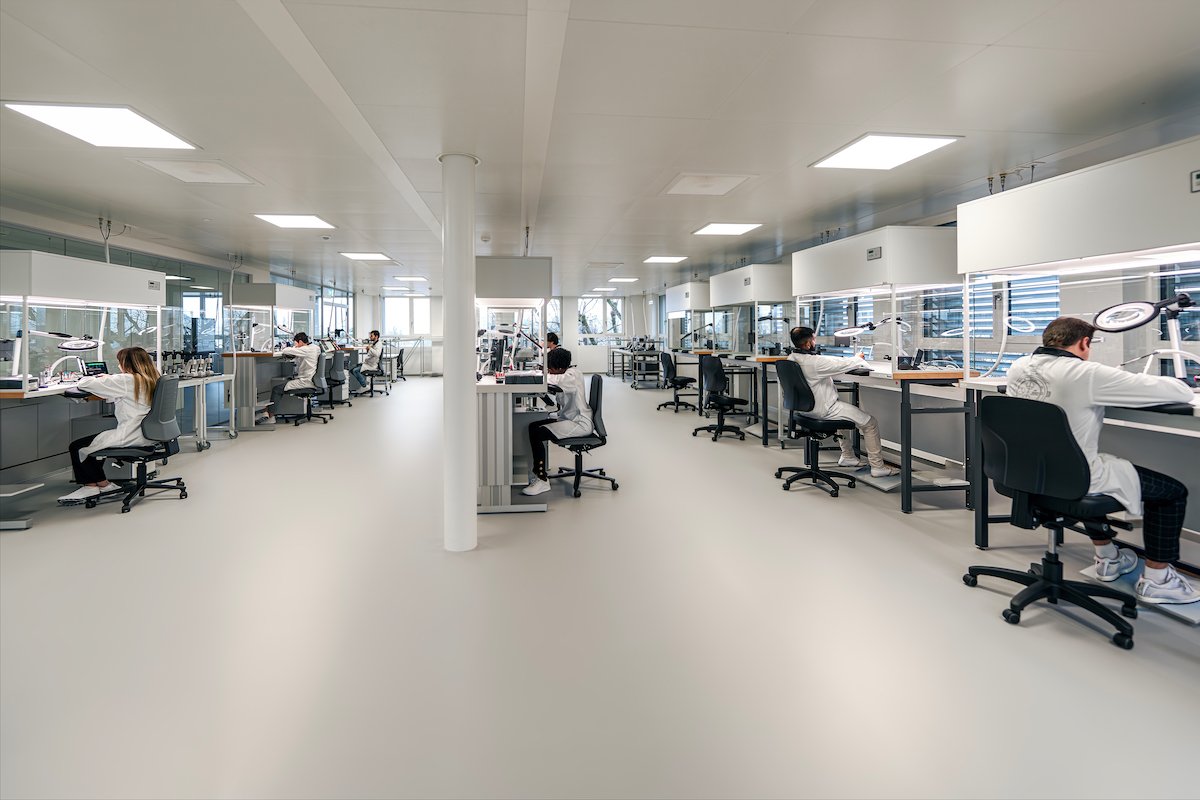
The real question for collectors is whether Porsche Design can translate automotive credibility and production infrastructure into horological relevance at a level that commands sustained attention from serious watch enthusiasts. The facility and its capabilities are undeniably impressive on paper. What will matter is what comes off those ten benches.
For more info on Porsche Design, click here.