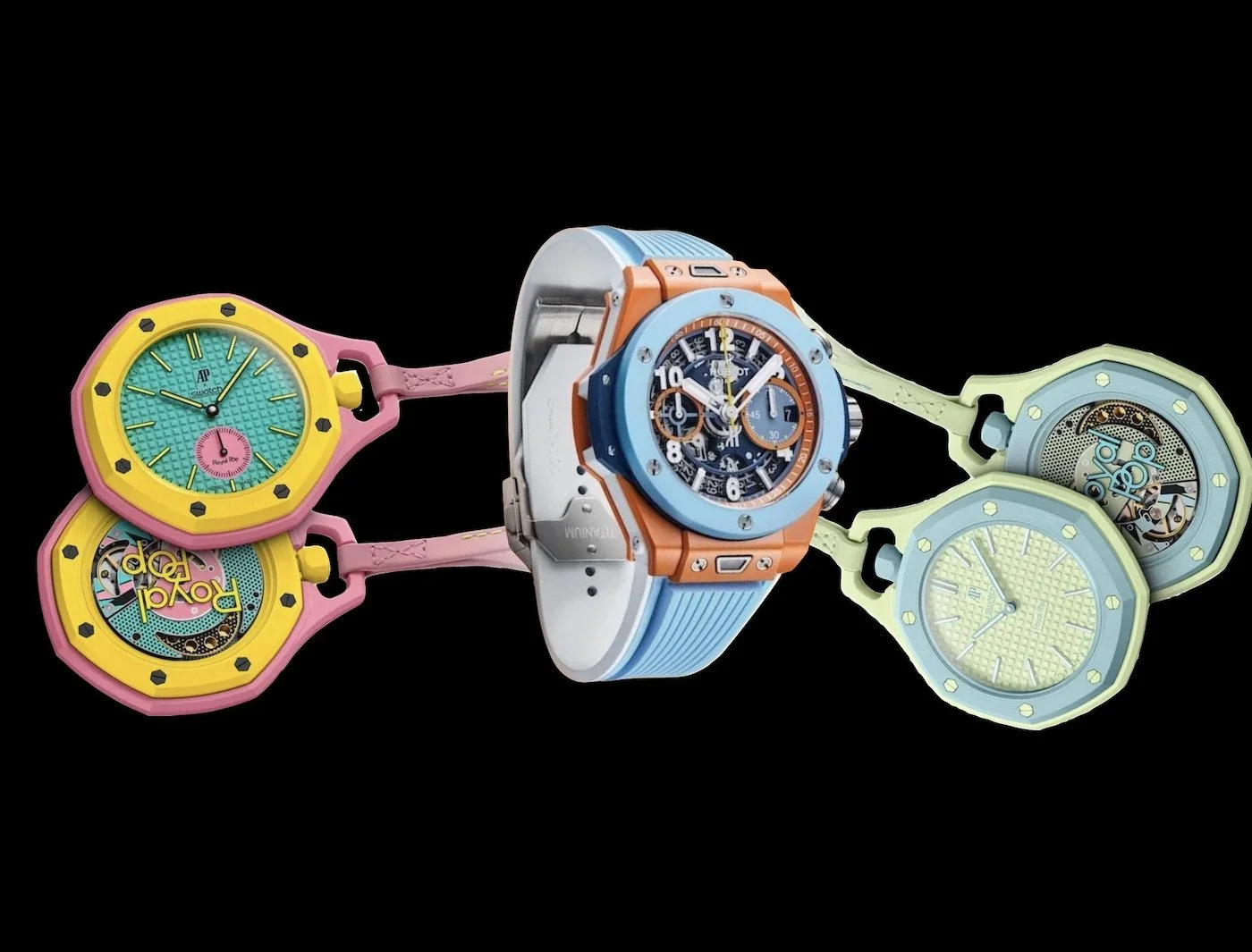
There is a particular kind of brand suicide that unfolds in slow motion. You can see it happening, name every step as it occurs, and still watch the people in charge press forward. Hublot did it with excessive collaborations. Audemars Piguet is doing it now. The parallels are not subtle.
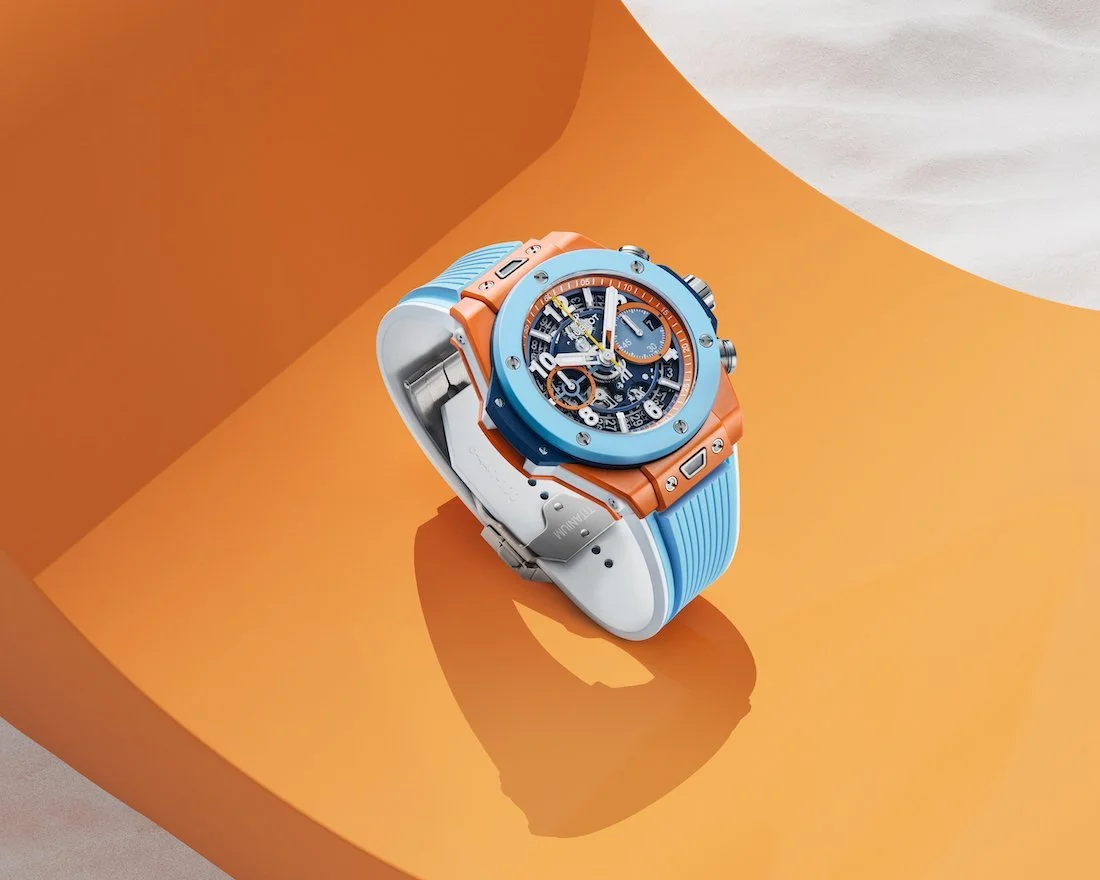
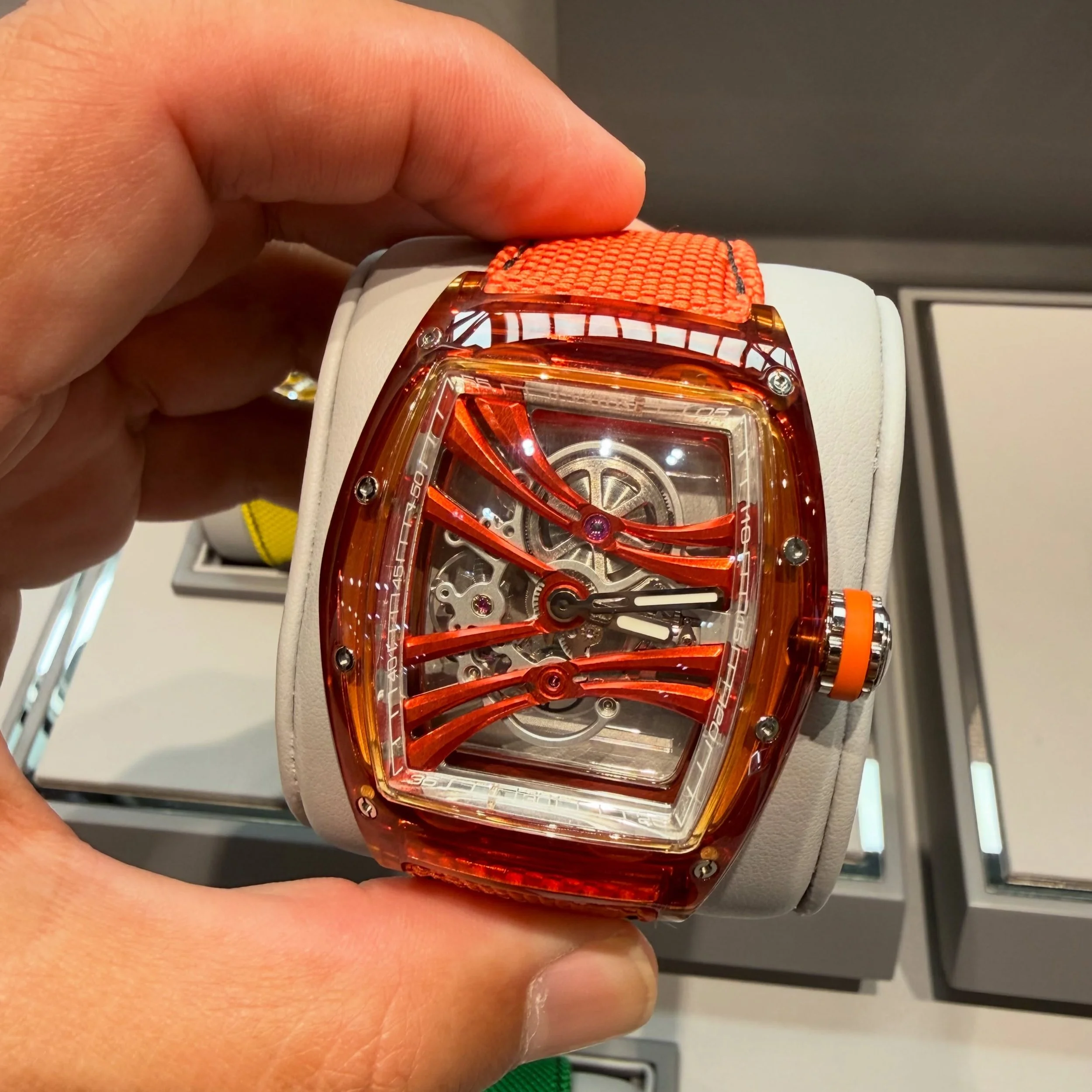
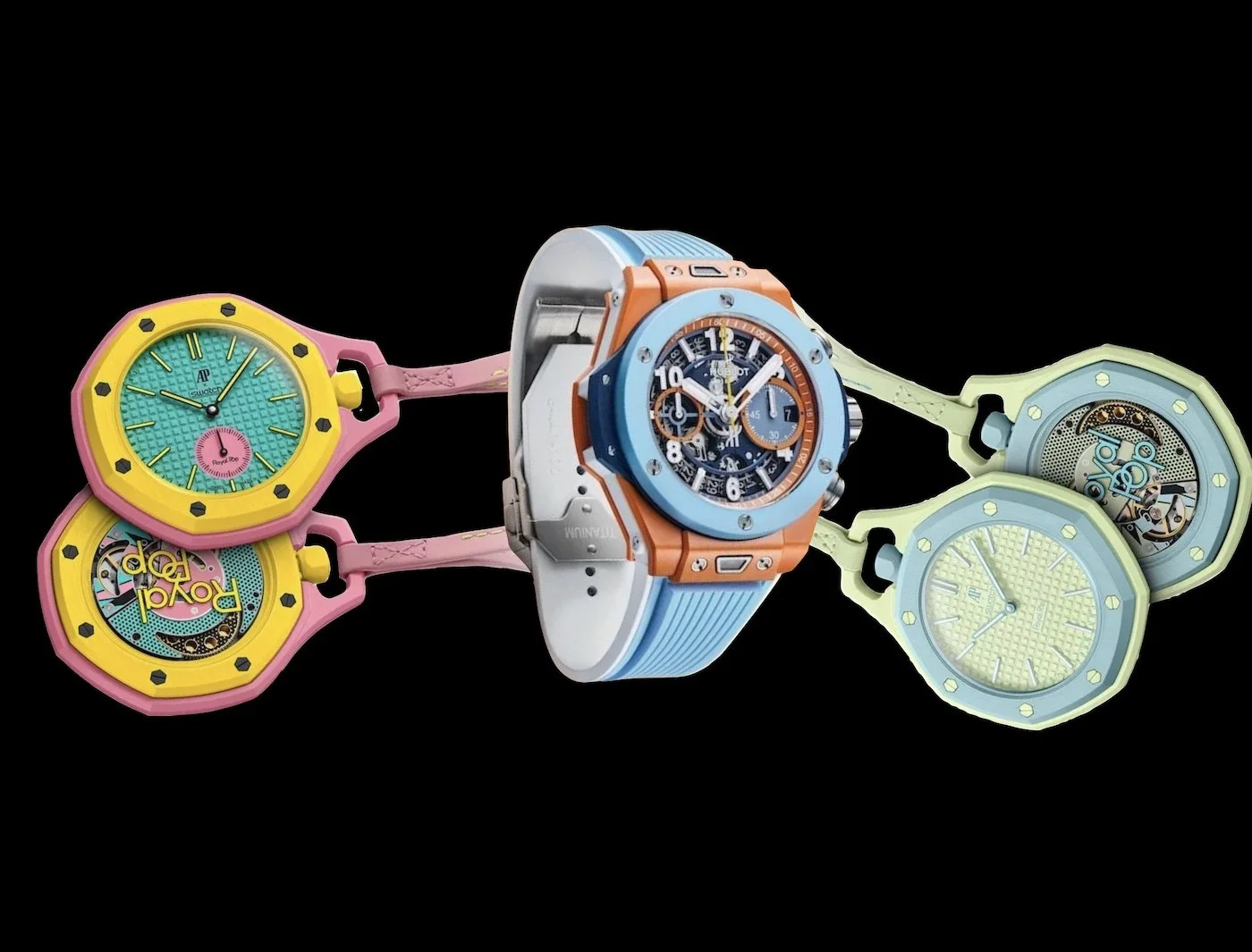
Hublot built its identity on the Big Bang—a watch that was genuinely disruptive when it arrived in 2005. Ceramic, rubber, and case geometry that felt like nothing else on the market. For a moment, Hublot was the answer to a question nobody had thought to ask. Then came the collaborations, and it was a successful model and one that the brand owned, until it was not. FIFA, Ferrari, Berluti, Sang Bleu London, Orlinski, Black Jaguar-White Tiger Foundation, Dallas Cowboys, Daniel Arsham, and hundreds more. Limited editions stacked on limited editions, each one screaming louder than the last, eroding every bit of brand equity they ever had. They even released a convertible 3-IN-1 watch that turns into a desk clock, a pocket watch, and even a pendant back in 2024, long before Swatch and Audemars Piguet had the idea behind the Royal Pop.
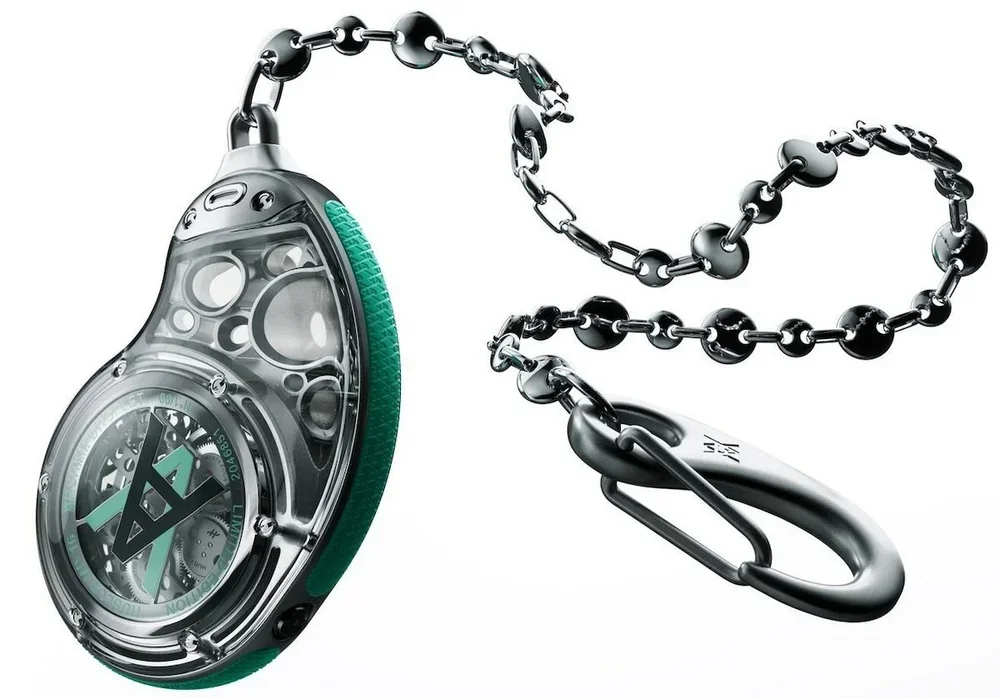

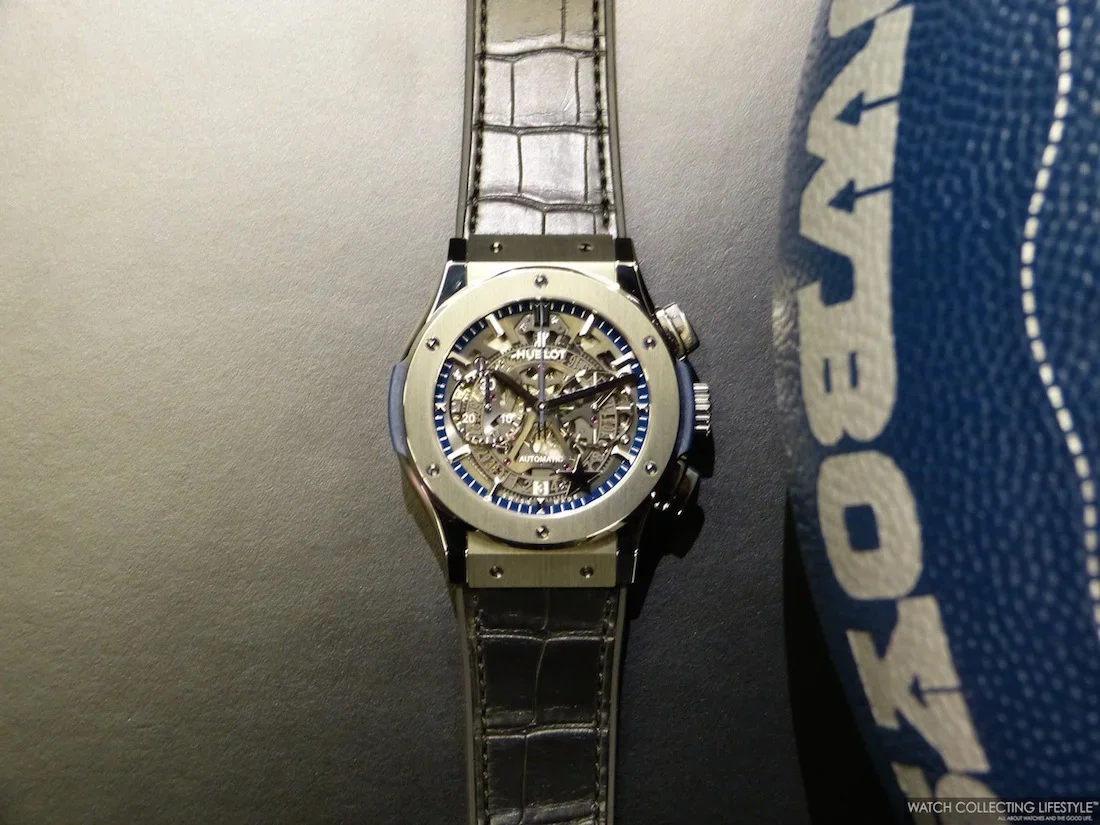
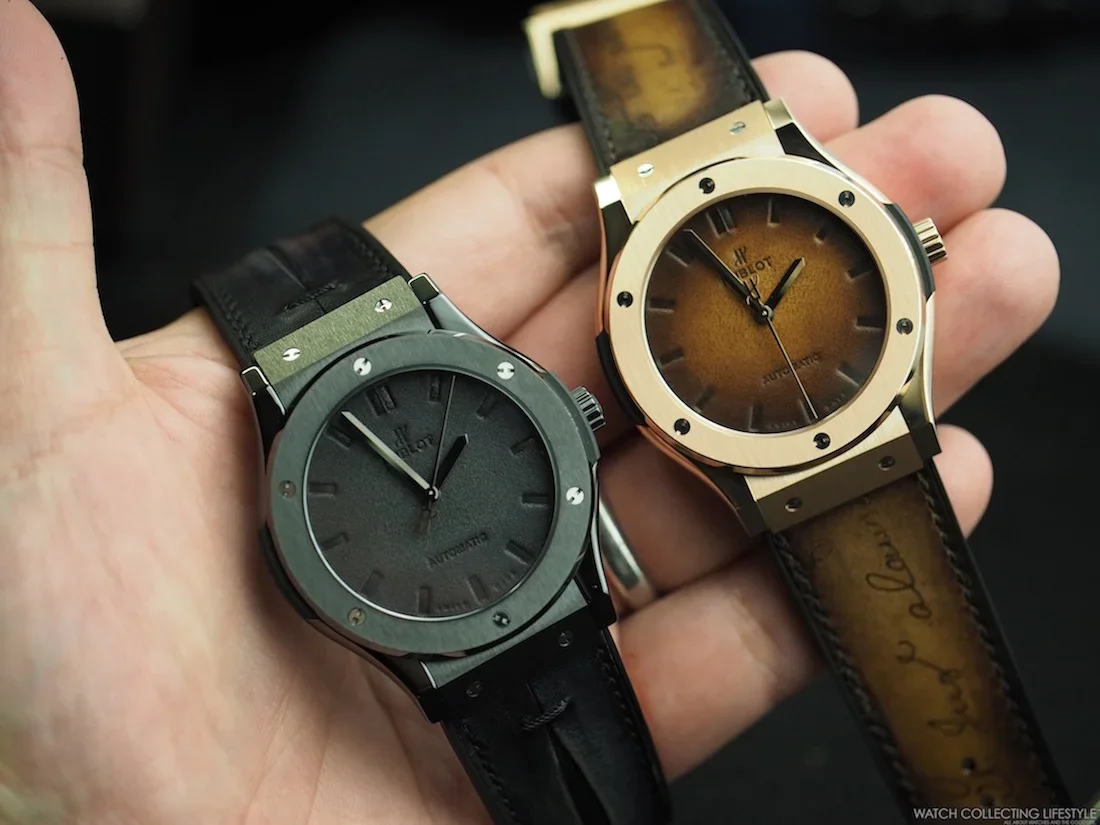
The Big Bang became a canvas for whatever partnership arrived next and a material lab very much like Audemars Piguet—ceramic, Texalium, sapphire, fabric, and leather dials—, and the watch—the actual watch—receded into the background. Hublot stopped being a manufacture and became a licensing exercise. The Nespresso collaboration in 2023—a USD 24,100 watch with a coffee capsule-recycled case and a crown branded with a coffee company’s logo—was the moment we called it: the point of no return.

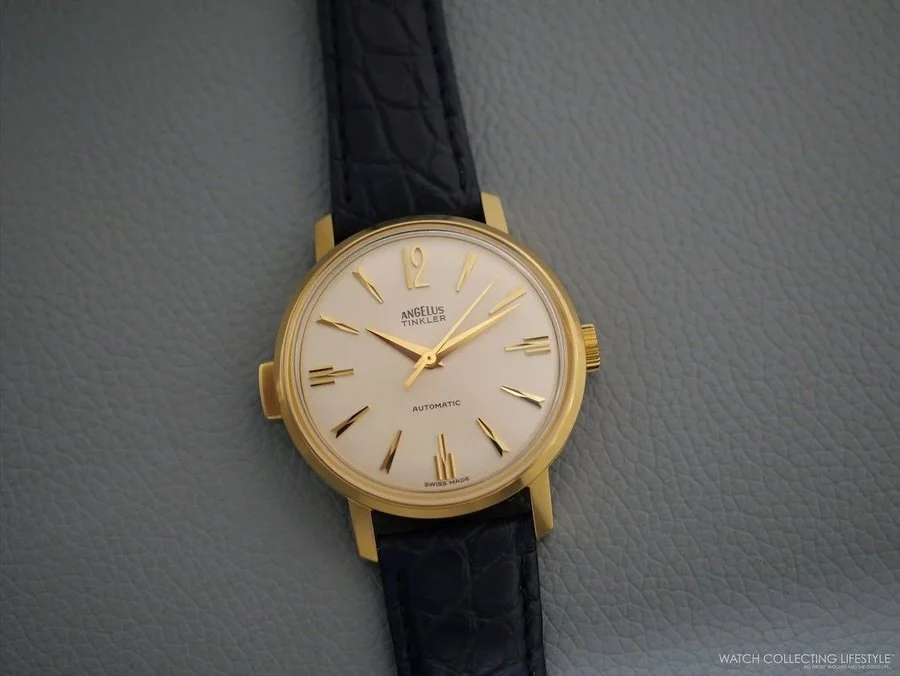
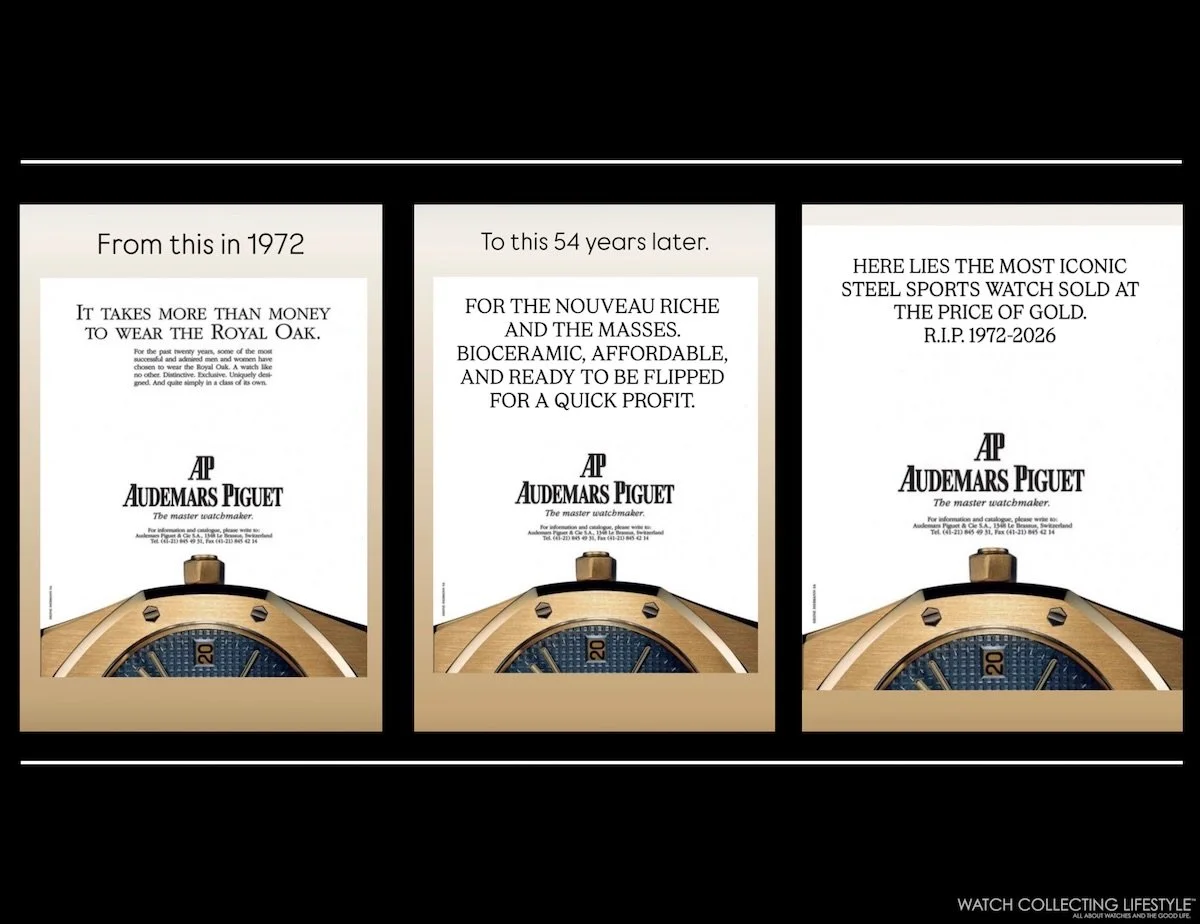
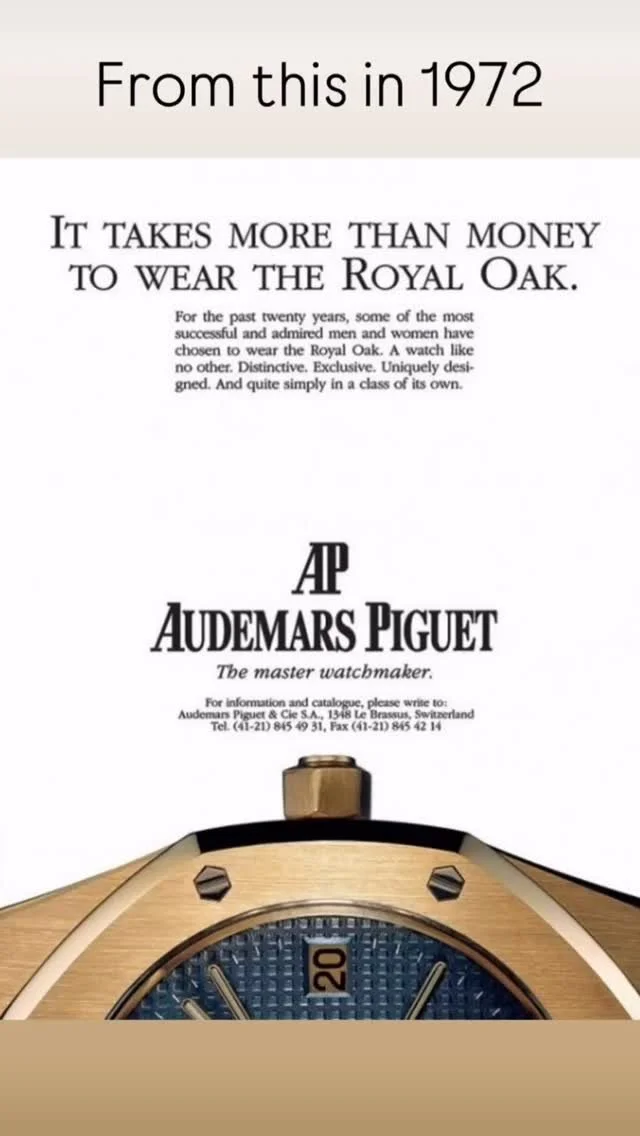
The Royal Oak's trajectory is eerily similar. Gerald Genta's steel sports watch from 1972, a design so right it needed no modification for fifty years. That is not hyperbole—the proportions Genta drew have survived every trend, every correction, every market cycle. The Royal Oak's power came precisely from its immutability. It was the watch that did not chase. Now it is chasing.
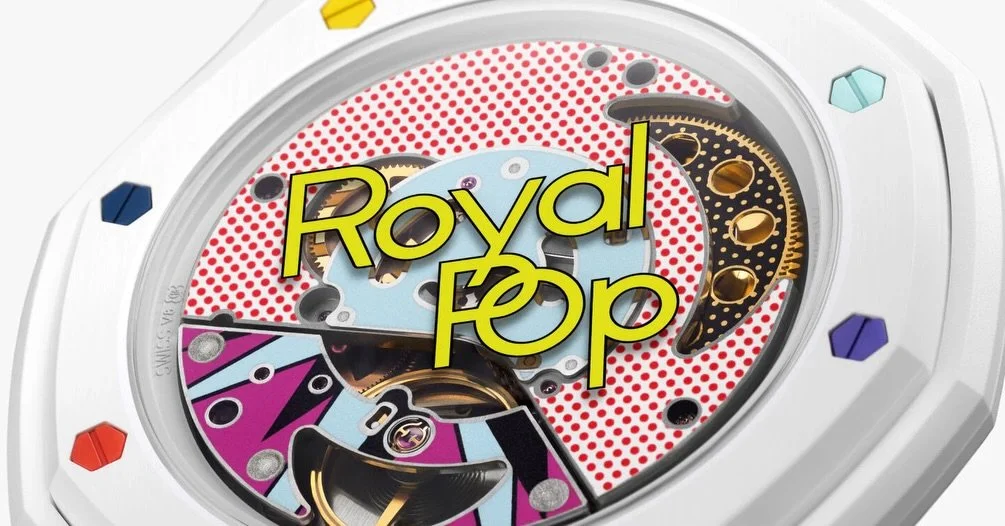
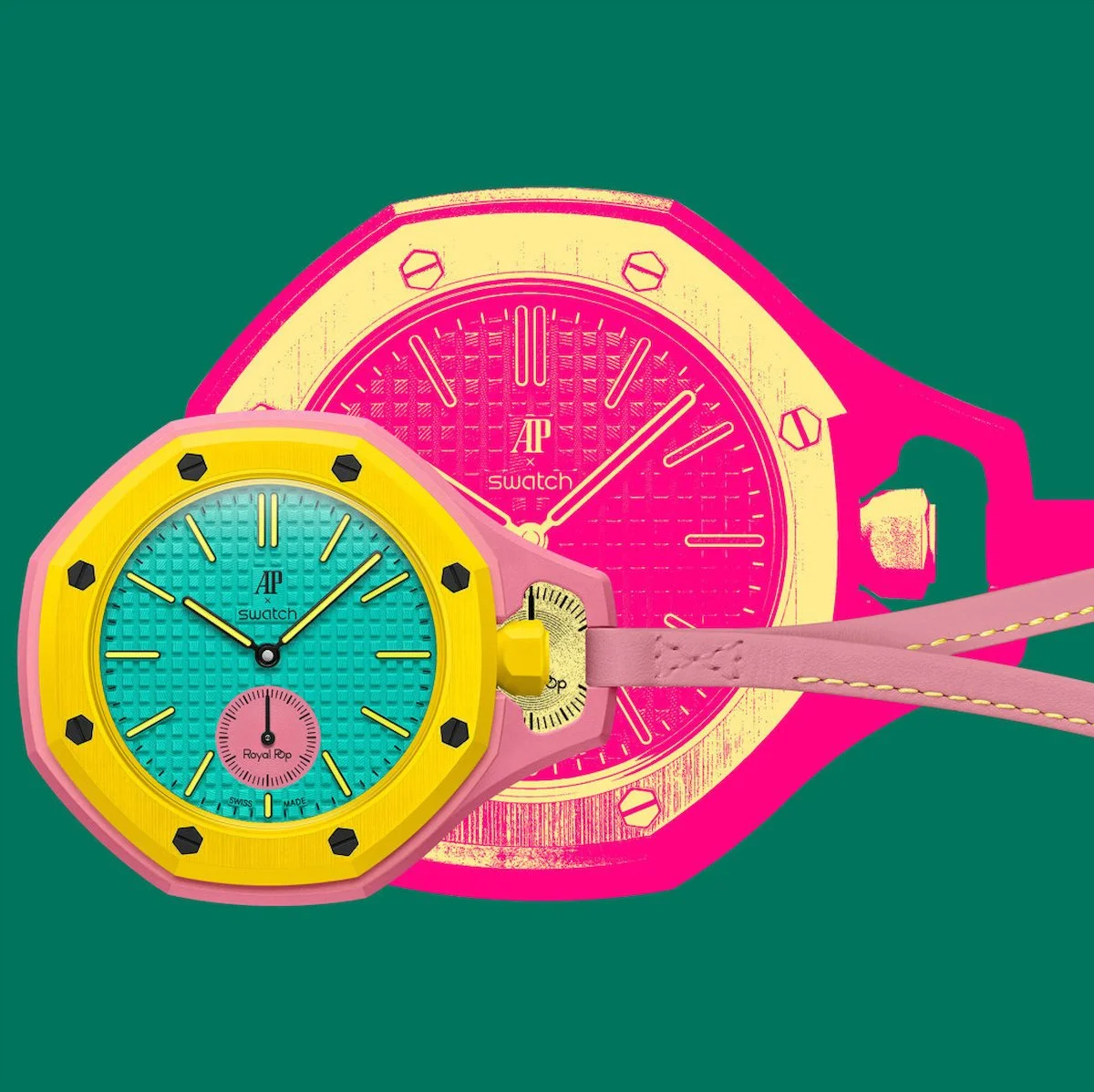
The Swatch Group x AP collaboration — Royal Pop confirms what the secondary market has been whispering for two years, and we’ve been quite vocal about. AP has watched its grey market premiums erode as production volumes climbed, and instead of letting the scarcity premium recover naturally, it has doubled down on noise. The Swatch announcement does not add value to the Royal Oak. It dilutes the signal that made the Royal Oak worth coveting. It says, plainly, that the people running AP today are managing a revenue line, not a legacy. Not surprising when you bring executives who had worked for CPGs in personal and beauty care, where the secret is how to maximize profitability at any expense.
Hublot never recovered its early mystique. The collaborations delivered short-term commercial wins and long-term brand amnesia. Ask someone outside the watch world to describe a Hublot today, and you will get a description of a footballer’s watch, a golf watch, or a watch that tries too hard. The Big Bang is now defined by what it has been attached to, not by what it is. Today, Hublot is struggling to recover from the problem it created for itself. The new Hublot Big Bang Reloaded is them trying to get back to who they were when the Big Bang was released 20 years ago.

The Royal Oak is not there yet. But it is walking in that direction with increasing confidence. The AP that once pioneered cermet, forged carbon, tantalum, and bulk metallic glass—materials that required genuine engineering conviction—is now the AP that co-branded with the company that makes MoonSwatches in plastic disguised as ‘bioceramic’. That sentence would have been unthinkable in 2019. It is simply true in 2025.
What Hublot demonstrated is that a great design cannot indefinitely absorb the noise generated by its commercial exploitation. At some threshold, the collaborations become the identity, and the original identity becomes a historical footnote. AP has not yet crossed that threshold, but is very close. The question is whether anyone at Le Brassus has studied Hublot closely enough to understand that the threshold exists. Here at WCL, we have been for the last 28 years since we got into AP.