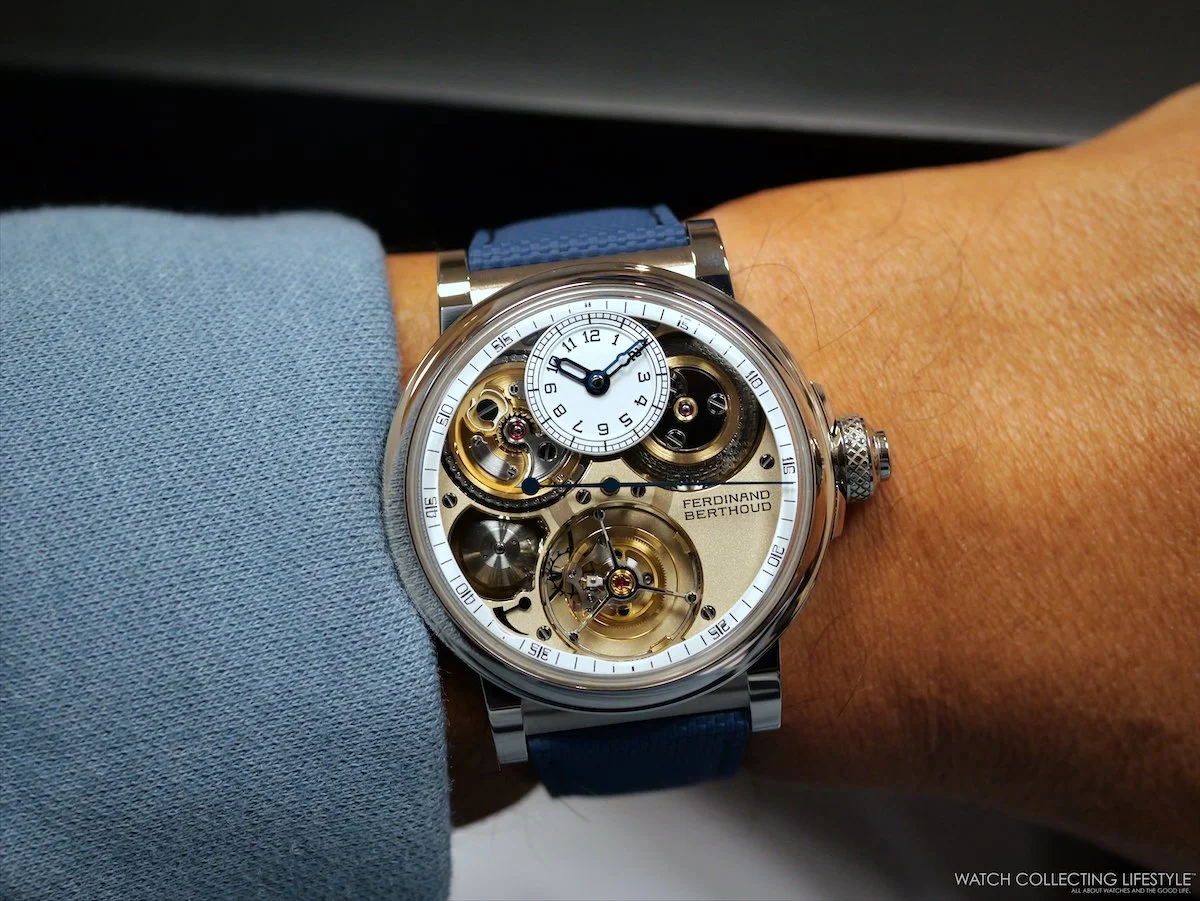
For a decade now, Chronométrie Ferdinand Berthoud has built its reputation on a deliberate paradox: movements of extraordinary complexity visible only through the case back, partially through the dial, and via portholes on the caseband. A way in which the beauty of the movement remains somewhat mysterious and reserved for the wearer.
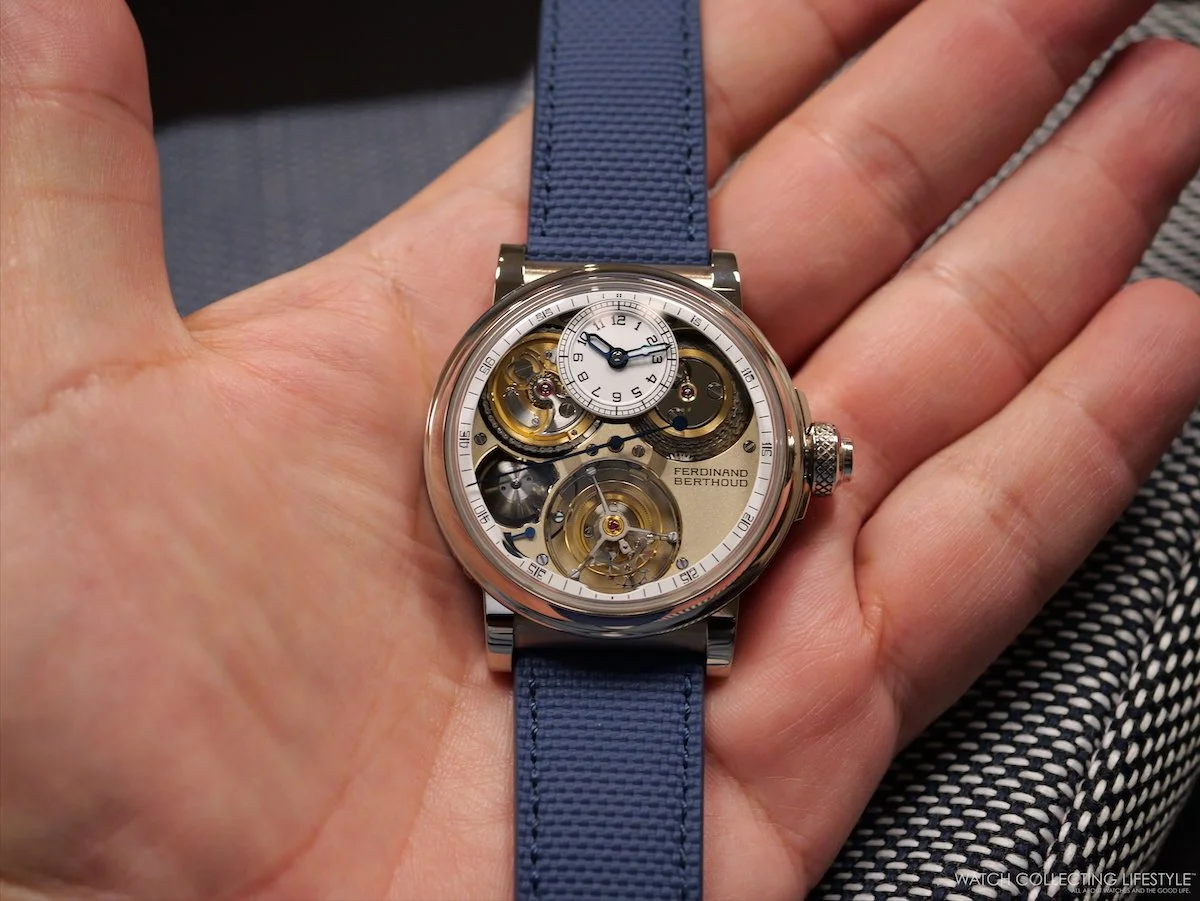
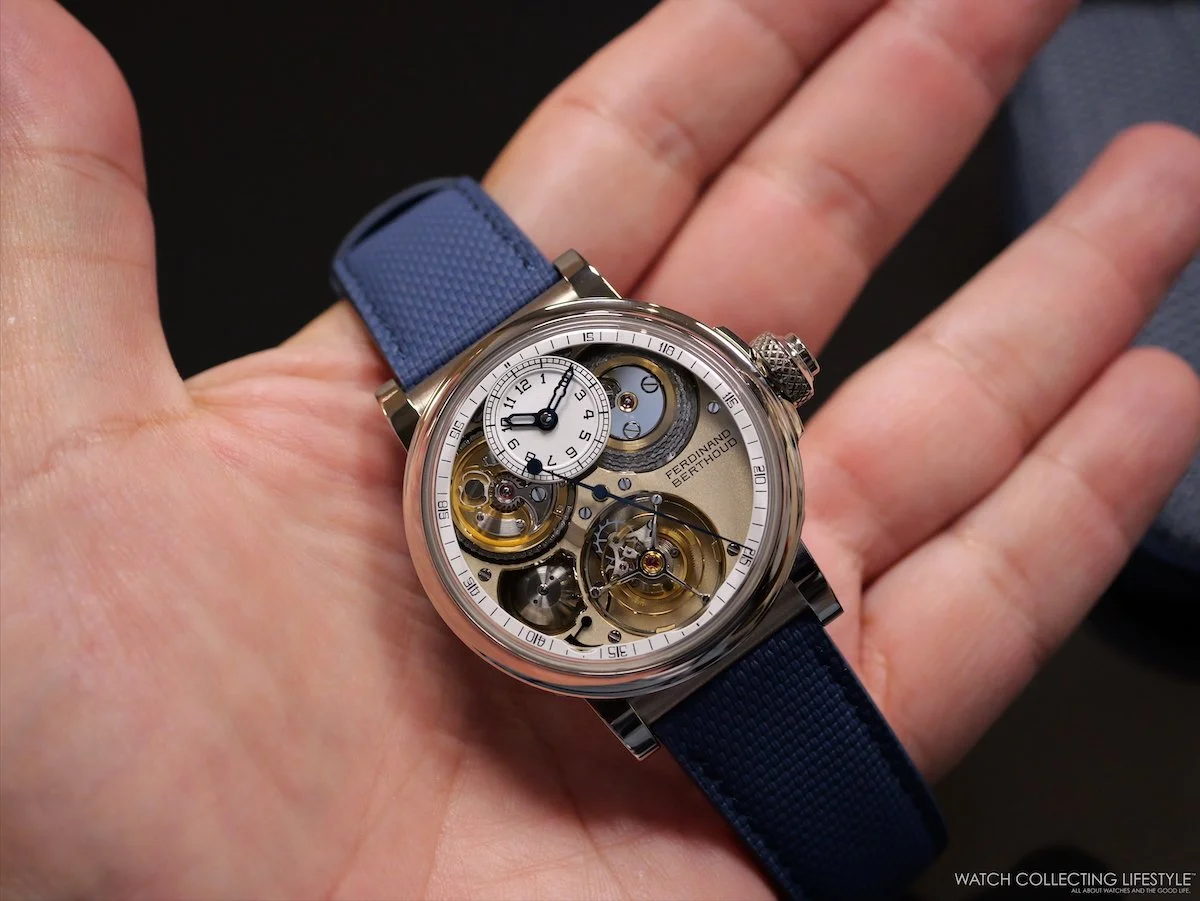
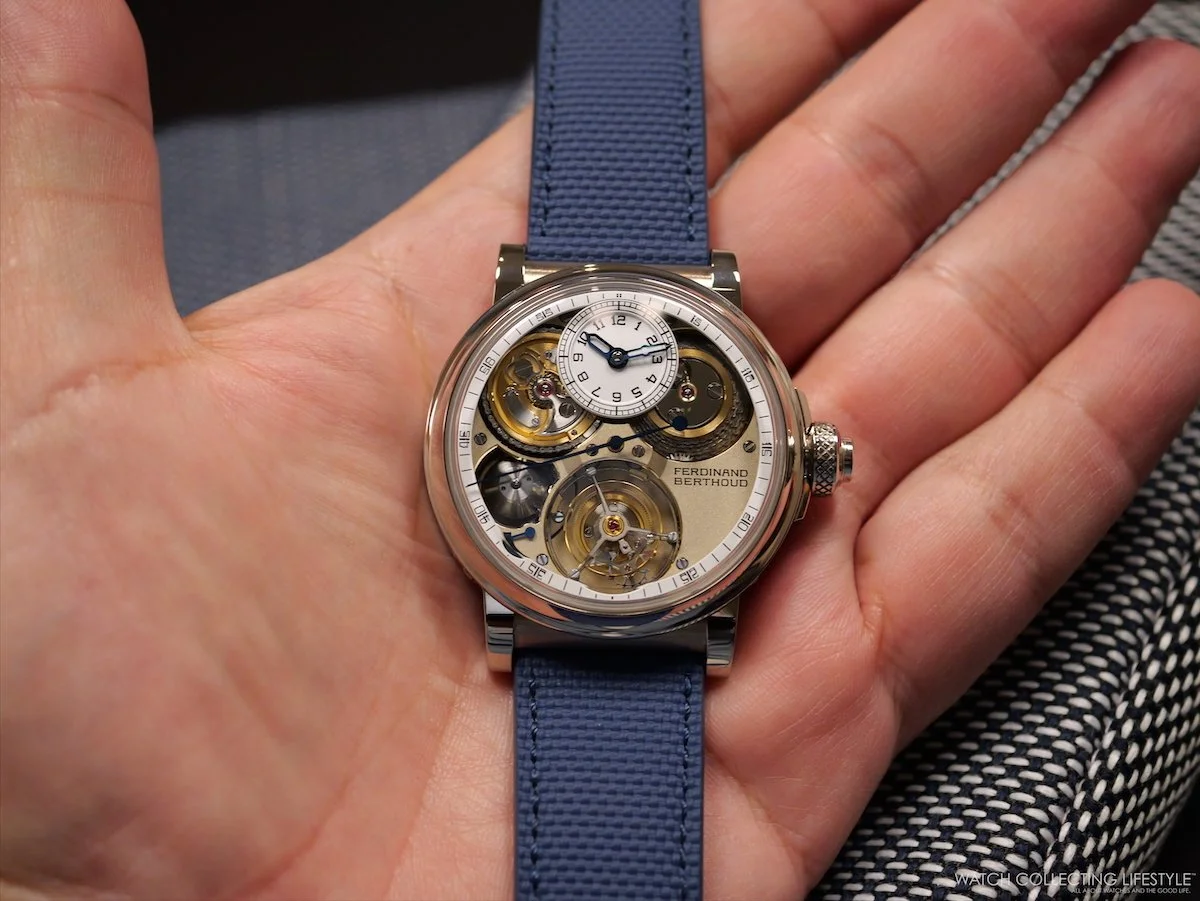
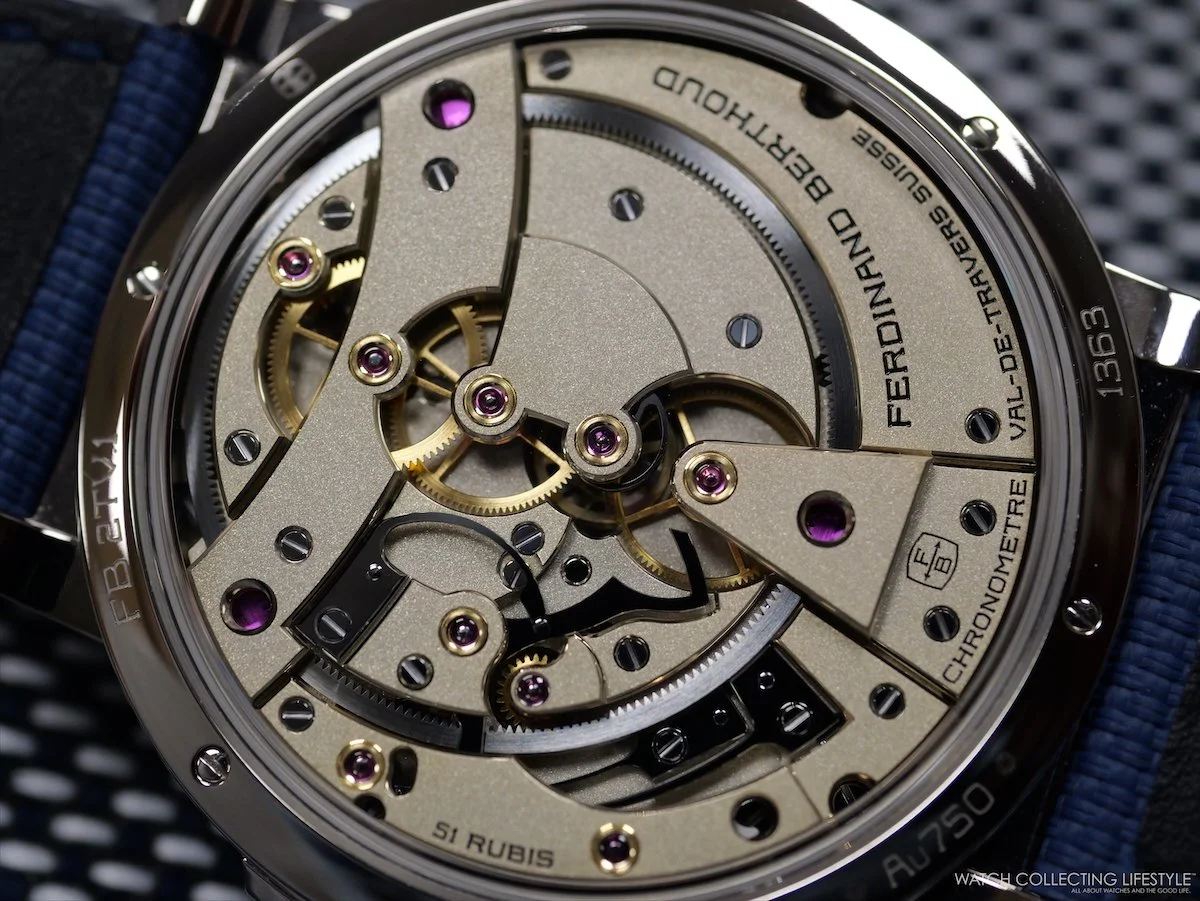
At Watches & Wonders Geneva 2026, that paradigm flips entirely. The new Chronomètre FB 2TV.1 is Chapter 1 of the Mesure du Temps 1787 collection and marks a new era for the brand by presenting its entire mechanical architecture visible via the dial. In the past, the sapphire portholes allowed for unobstructed views of the power reserve mechanism and the constant-force module. Meanwhile, the display case back allowed a full view of the movement’s back, including its tourbillon, fusée, and chain mechanism.
Things to Know About the Watch
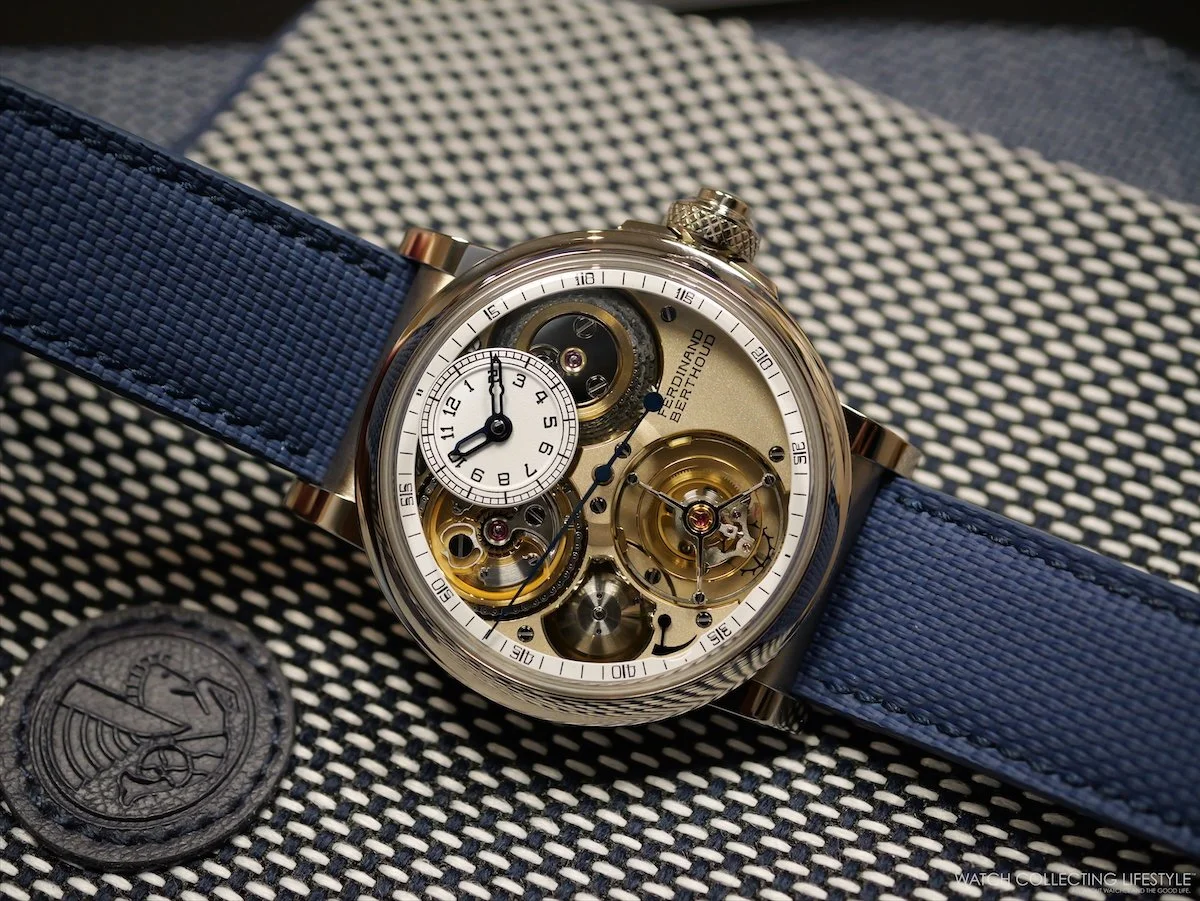
The Mesure du Temps 1787 opens with a single reference, and it is a statement piece. The 44 mm round case—15.46 mm thick—is crafted from ethical 18K white gold as a direct callback to the FB 1.1, the watch that won the Aiguille d'Or at the 2016 GPHG. The reference number FB 2TV.1 is chosen to invoke that lineage explicitly. The hand-sanded natural nickel-silver finish on the movement reinforces the connection. Production is not declared as a limited edition, but workshop capacity limits output to 10 to 12 pieces annually, making availability scarcer in practice than most numbered series.
The Chronomètre FB 2TV.1 incorporates a flying tourbillon and is enhanced with two complications: stop‑seconds and a central seconds flyback reset via a crown-integrated pusher.
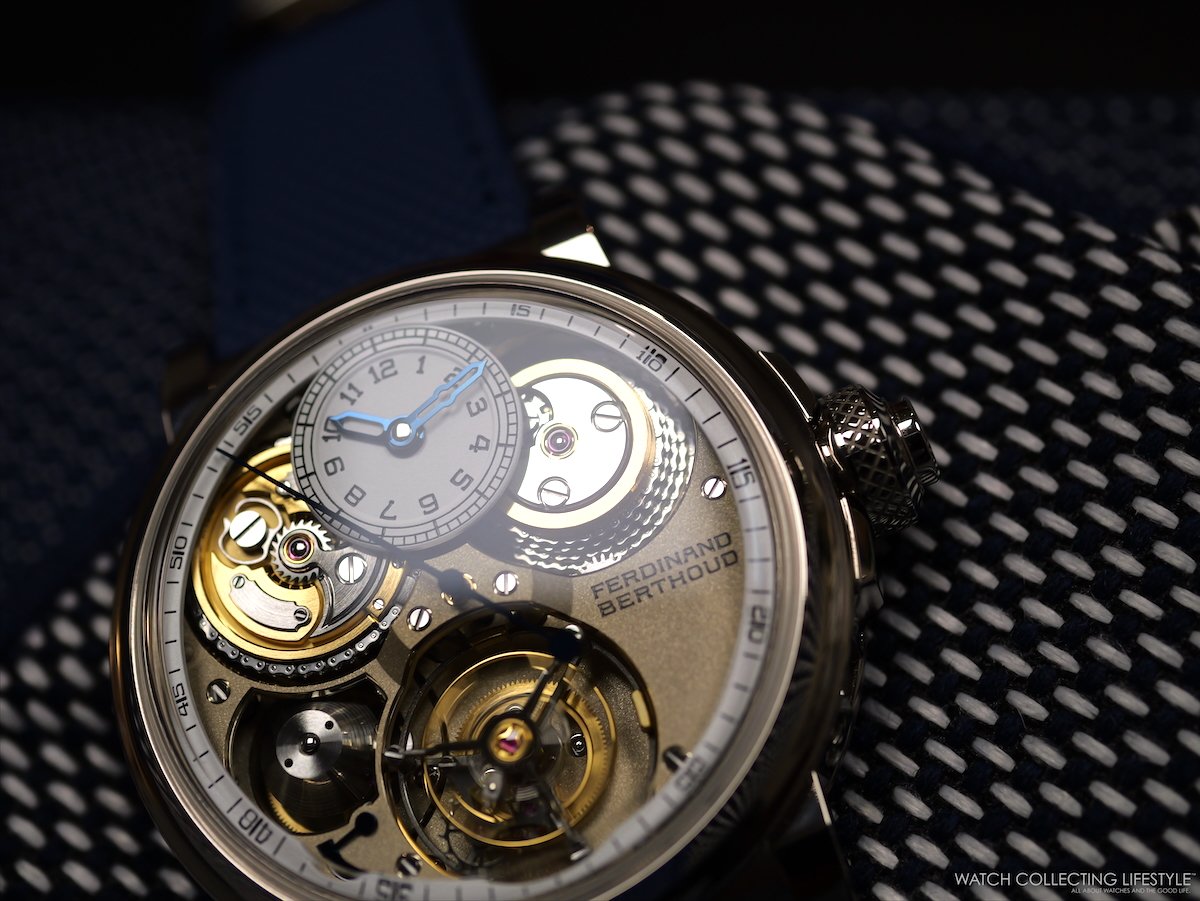
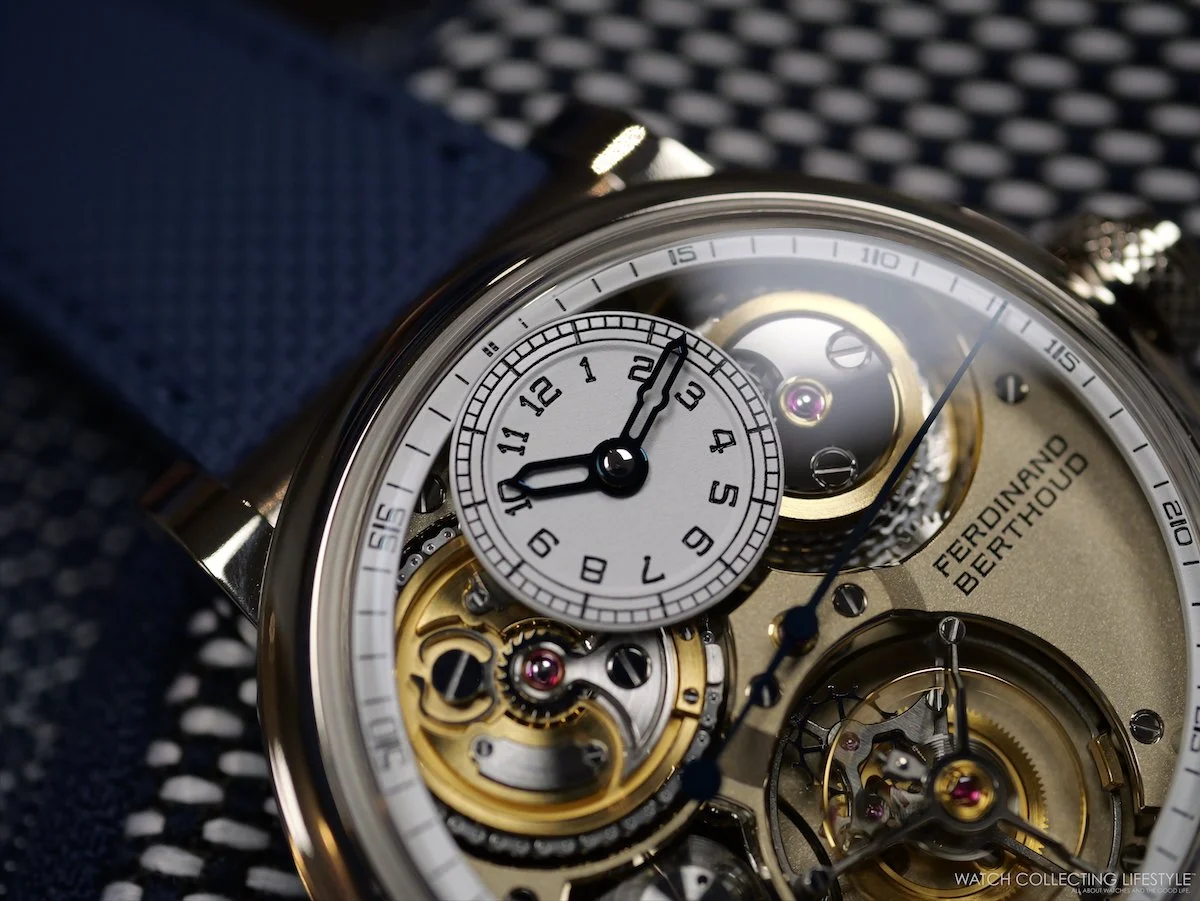
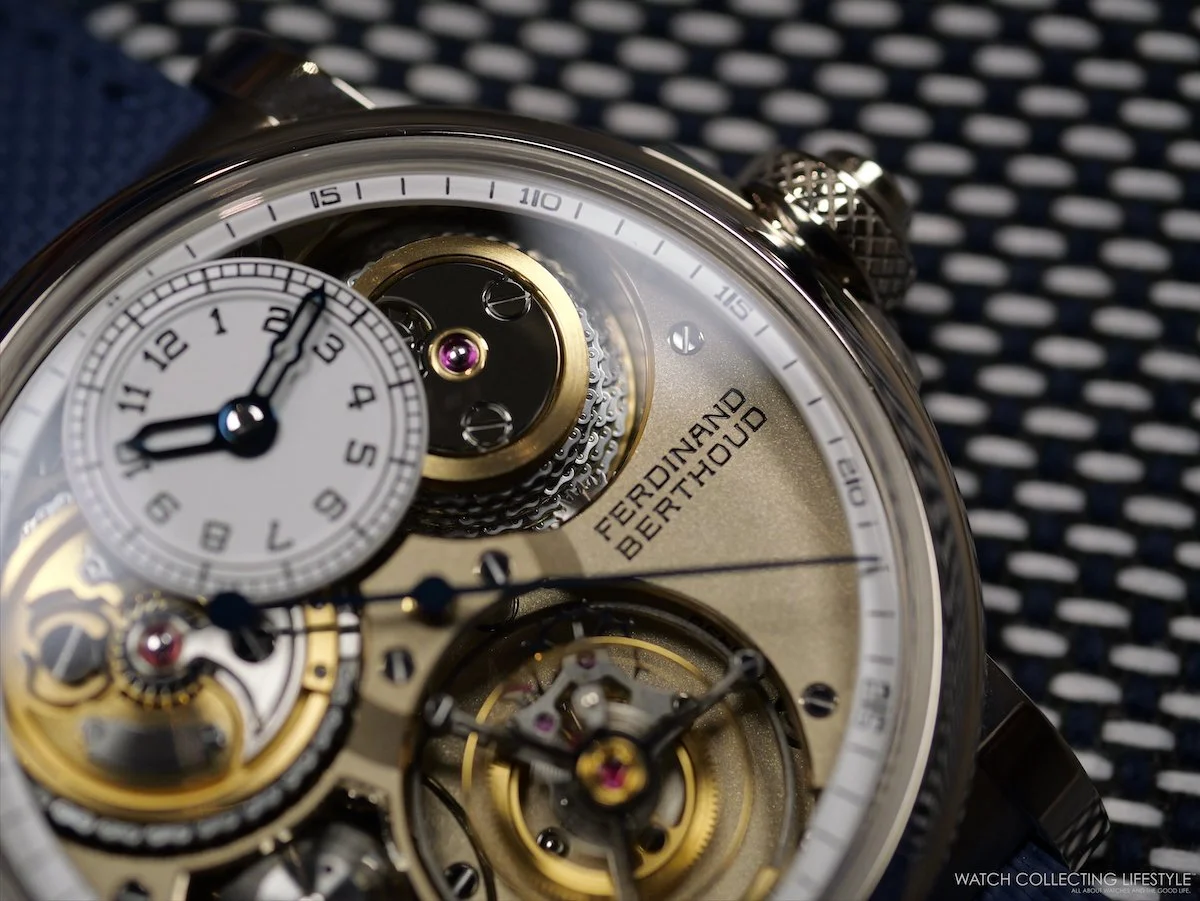
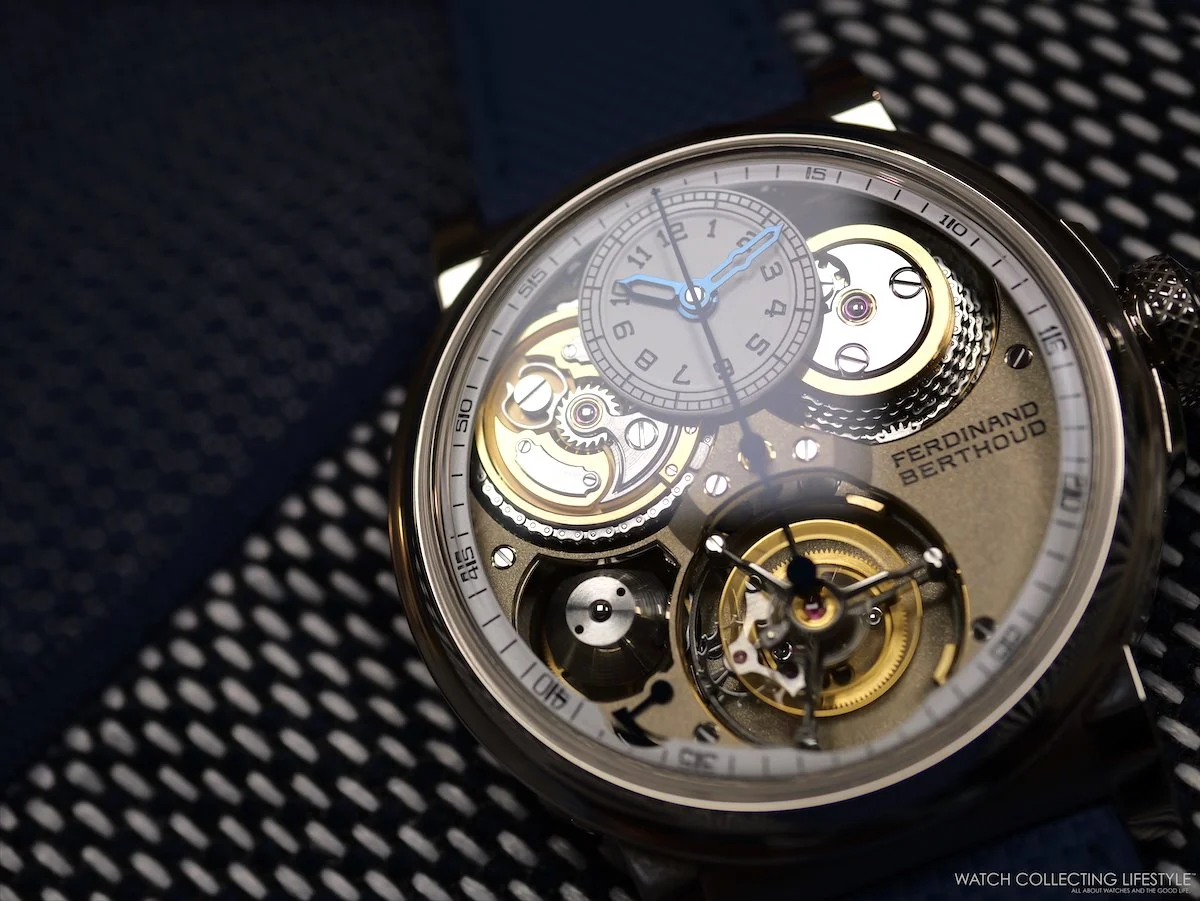
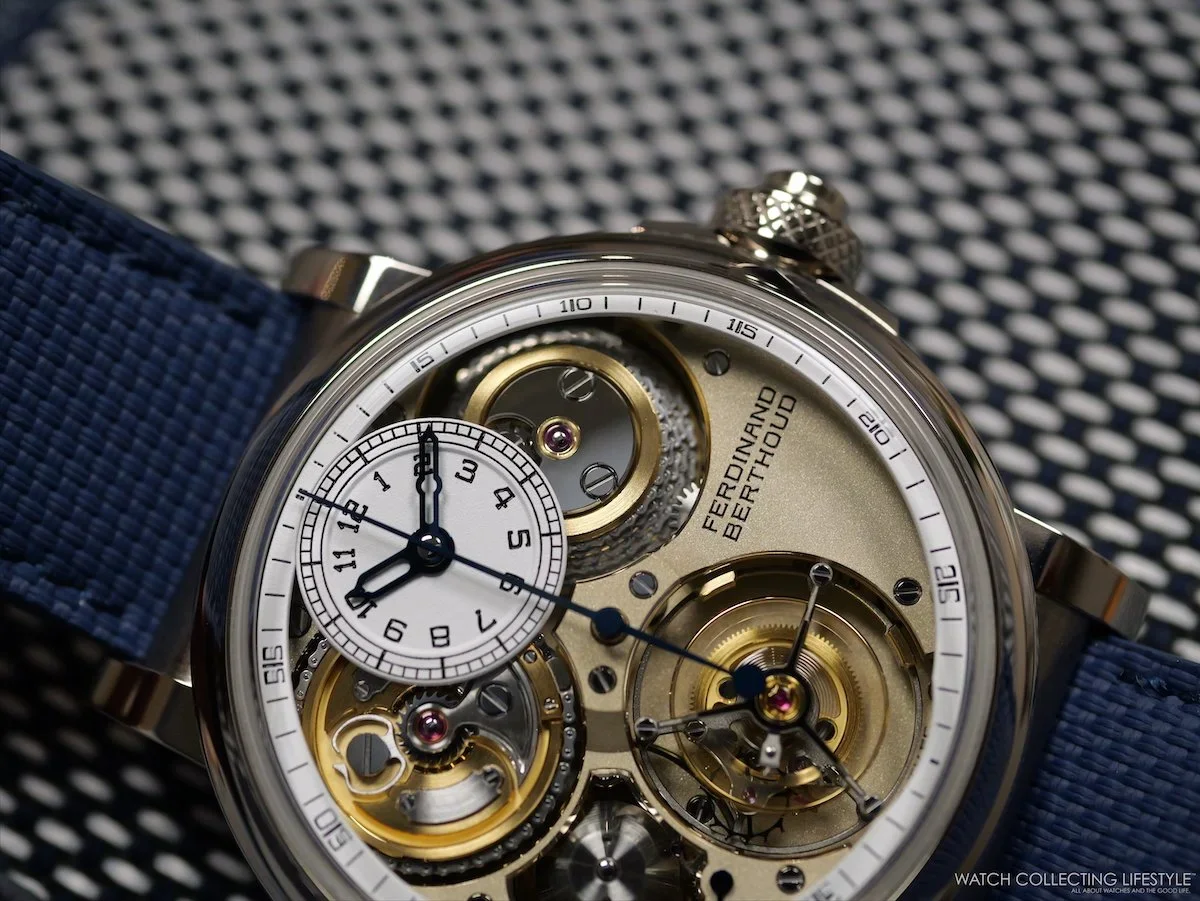
The time is indicated by a grand feu enamel subdial at 12 o’clock, while the flying tourbillon takes the center stage at 6 o’clock. The tourbillon has no upper bridge, and it’s solely supported by the intermediate bridge, to which the fixed seconds wheel and the cage carrier are attached, with their jewels ensuring the guidance of the entire mechanism. Featuring a spectacular 15 mm diameter, its three-spoked profile alternates between flat and sloping sections, echoing the shape of the center bridge.
Meanwhile, at 10 and 2 o’clock, we can now see the fusée and the chain mechanism. A real treat for the eyes. What differentiates the Mesure du Temps—measurement of time—from traditional chronographs is the ability to have the running seconds hand reset by pressing the integrated pusher on the crown. Combining a flying tourbillon, a fusée-and-chain transmission, and a running reset of the central seconds hand in a single architecture is exactly the kind of integration that separates genuine horological ambition from mere complication-stacking.
To manage the force of the zero-reset—which snaps the seconds hand back in a fraction of a second, too fast for the eye to register—a new filamentary titanium hand has been developed specifically to absorb the mechanical shock without compromise. Activation is elegantly resolved: a coaxial pusher built into the dynamometric winding crown directly triggers the flyback reset, keeping the interaction intuitive even as the mechanics beneath it are anything but.
The Movement
Calibre FB-TV.FC is the successor to the Calibre FB-T.FC of 2015, thoroughly re-engineered and oriented dial-side for the first time. Its 1,240 components—777 of which belong to the 279 mm long chain-and-fusée transmission alone—require nearly 300 hours of manual finishing per piece. Power reserve is up to 60 hours at 21,600 vph (3 Hz), and the calibre carries COSC chronometer certification.
On the Wrist & Price
The generous case proportions make the FB 2TV.1 a watch with a substantial wrist presence, while entirely in keeping with the movement’s architectural ambition beneath the domed sapphire crystal. The dial side features three distinct hand treatments: blue CVD sandblasted titanium for the central seconds, blue CVD bronze for the power reserve, and faceted diamond-polished blue CVD gold for the hours and minutes. The Mesure du Temps 1787 is a confident opening chapter: technically uncompromising, aesthetically intentional, and built to be read from the front.
Sticker Price USD 396,500 with a folding clasp and USD 386,500 with a pin buckle. For more info on Ferdinand Berthoud, click here.