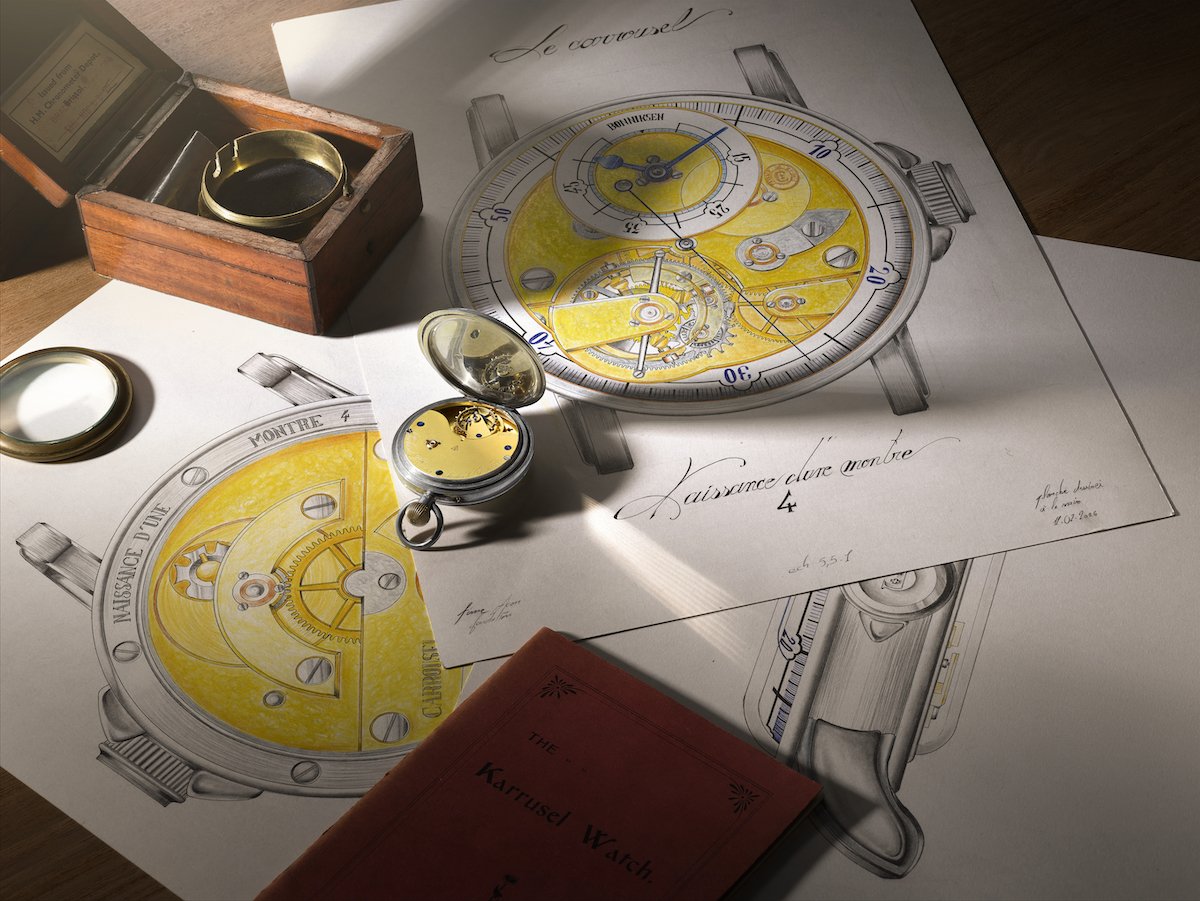
The watch world's most rigorous exercise in horological transmission has a new chapter. The Time Æon Foundation—the La Chaux-de-Fonds institution behind three landmark hand-made watches since 2012, each supported by Greubel Forsey—announces Naissance d'une Montre 4 Le Carrousel, and with it, the birth of an entirely new watchmaking house: Bonniksen.
Founded in 2026 by Maximin Chapuis and Jason Chevrolat, Bonniksen's debut is nothing short of a statement: the first Carrousel ever crafted by hand in a wristwatch under 40 mm. Maximin Chapuis, a student of Michel Boulanger—professor at the Paris School of Watchmaking and a central figure in Naissance d’une Montre 1—, brings rigorous craft training to the hand-fabrication and assembly of every component. Jason Chevrolat brings collector intelligence and industry experience from his time at Christophe Claret. Together, they represent the cross-border transmission that the Time Æon Foundation exists to protect.

Photo: Jason Chevrolat—Co-Founder of Bonniksen, Michel Nydegger—CEO of Greubel Forsey, Maximin Chapuis—Co-founder of Bonniksen, and David Bernard—Time Æon Foundation Director.
The Project and How the Carrousel Works
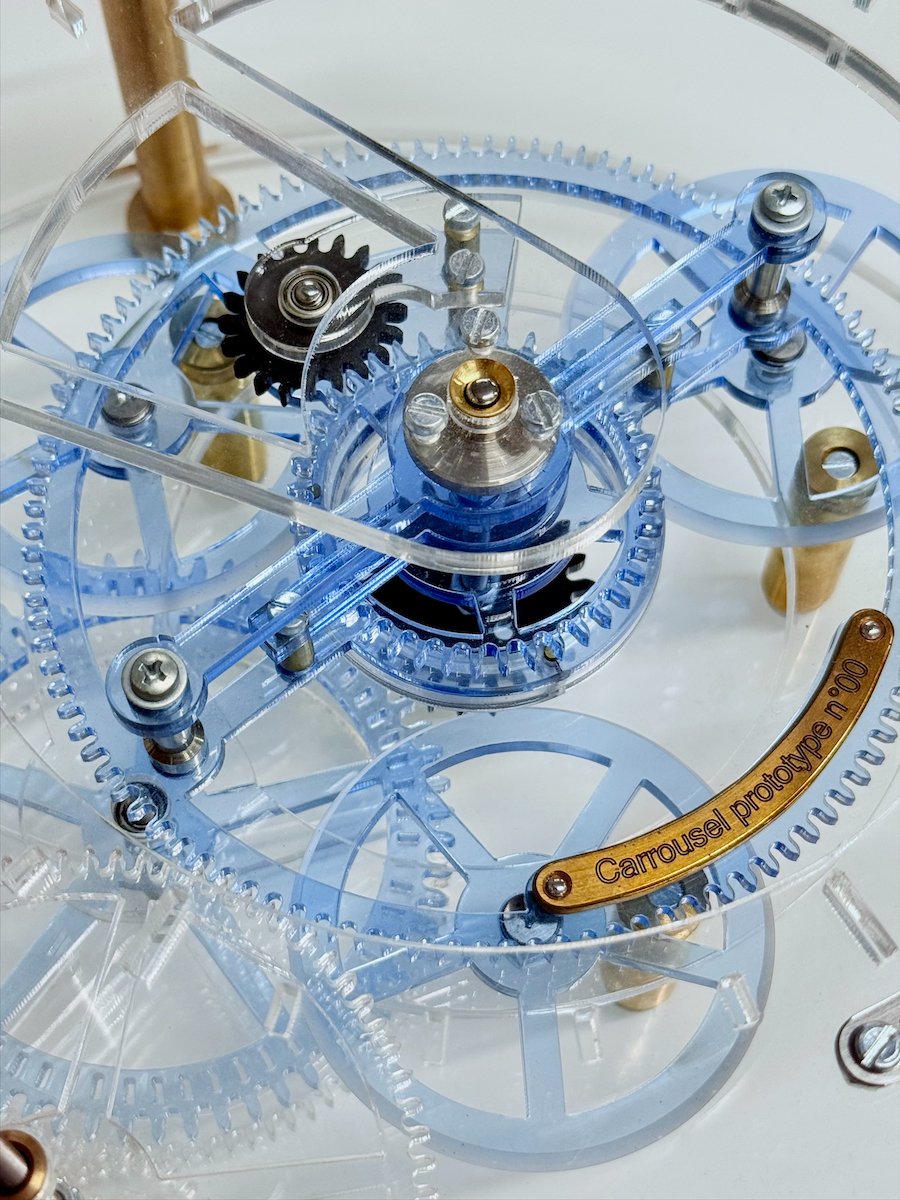
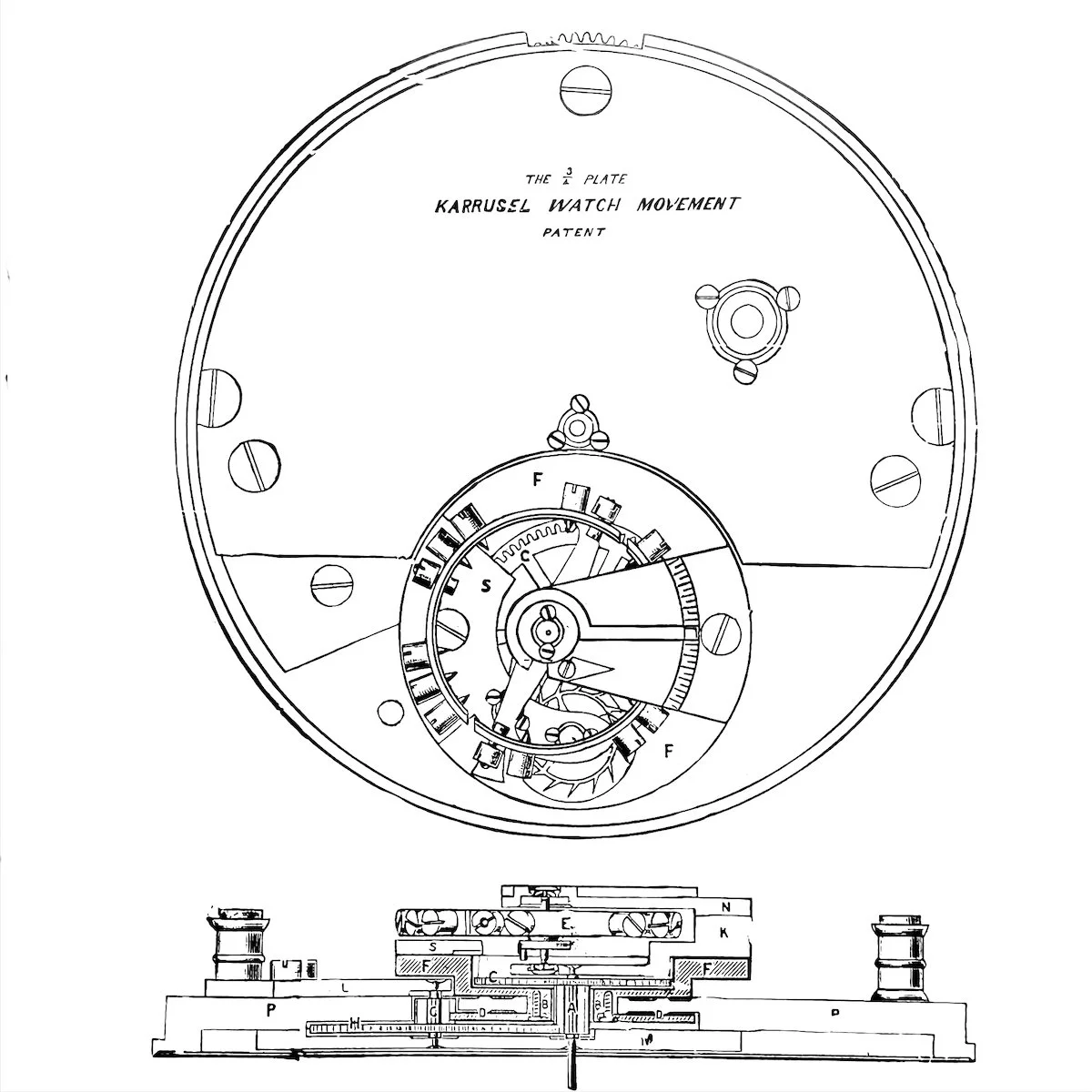
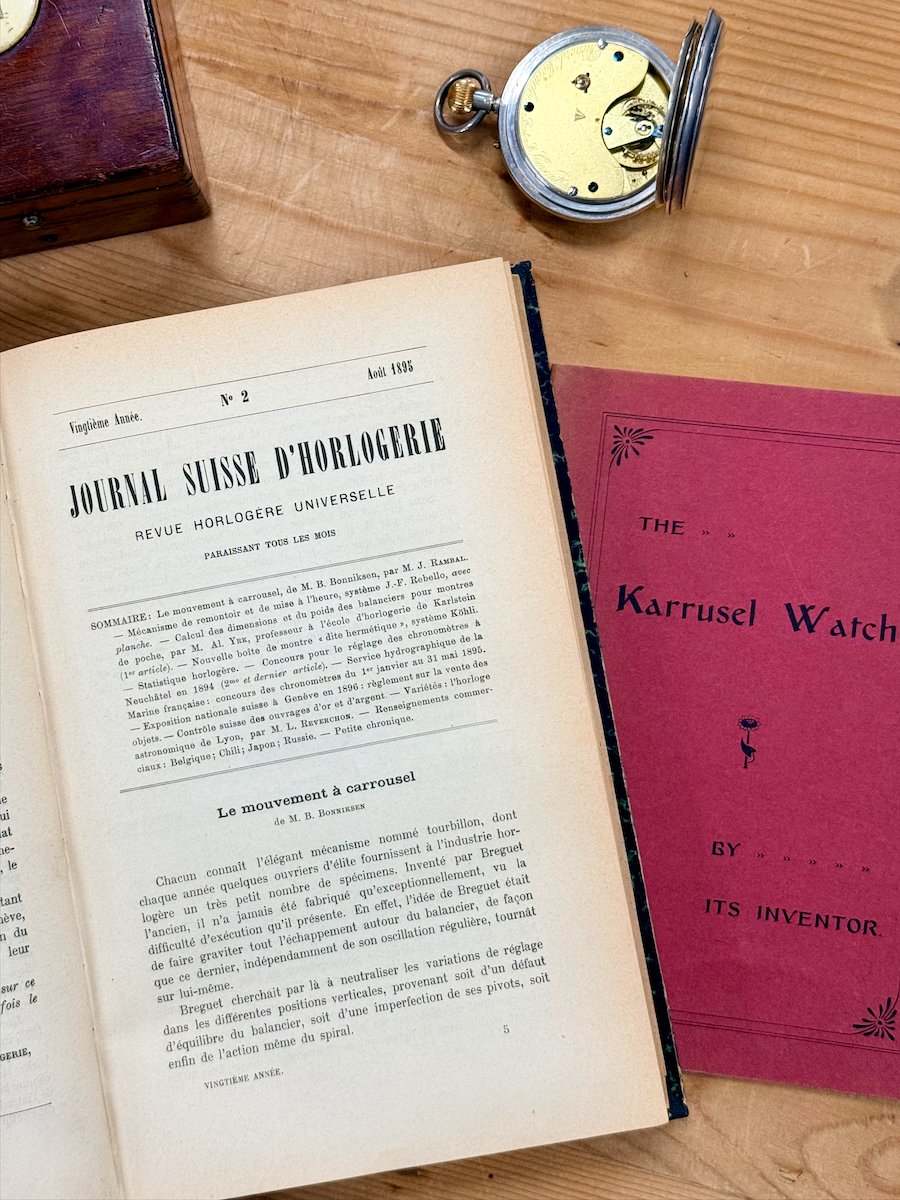
The Carrousel is not the tourbillon. Invented in 1892 by Bahne Bonniksen—a Danish watchmaker working in Coventry, England—and patented as the "position equalizing karrusel," it addresses the same gravitational challenge through a fundamentally different architecture.
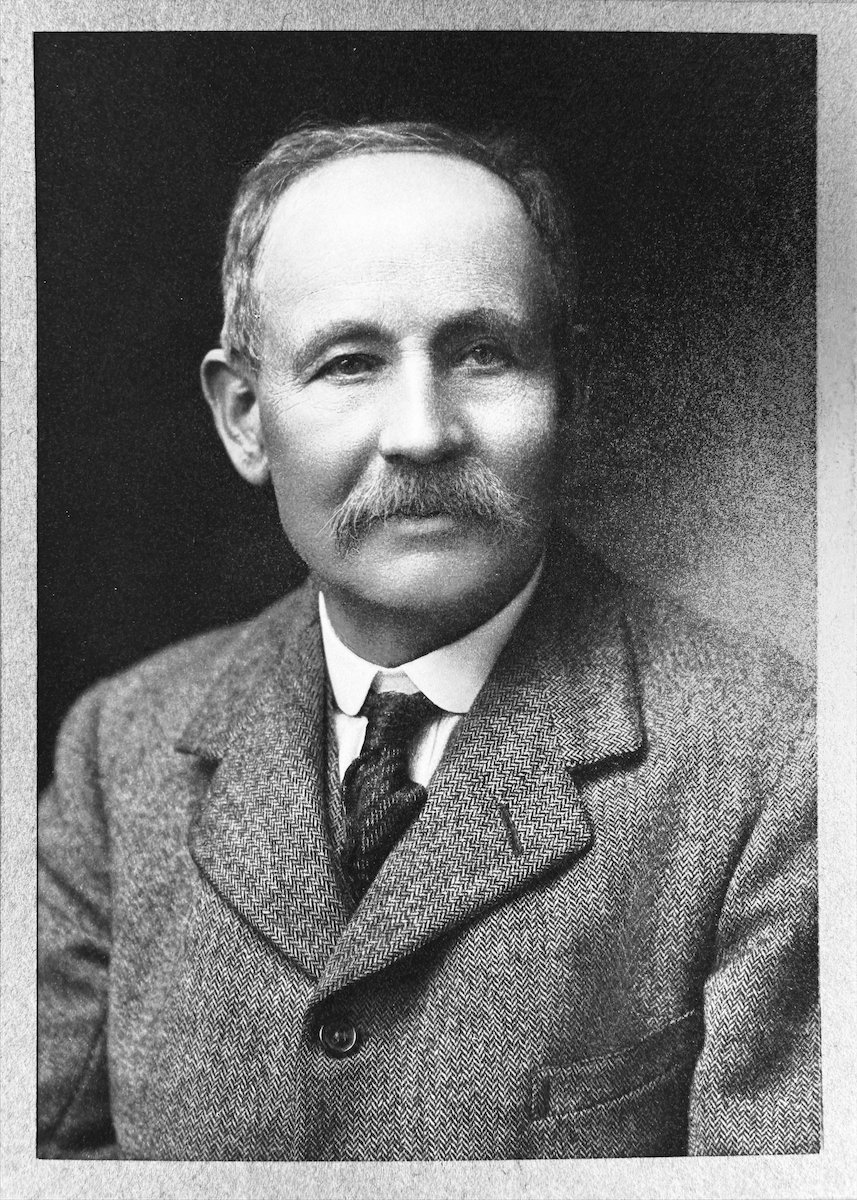
Unlike the tourbillon, which keeps its seconds wheel fixed to the main plate, the Carrousel is a carried-wheel device: the seconds wheel rotates within the cage, demanding that relative wheel speeds within the cage be resolved in the governing equations—a technical distinction encoded in Bonniksen's house emblem, the ± symbol. The result is a mechanism with no fixed wheel and no risk of set-up or butting, every component pivoting with exceptional accuracy. Over 5,500 hours of historical and technical research—conducted with the support of Bahne Bonniksen's own descendants—shaped the contemporary interpretation here.
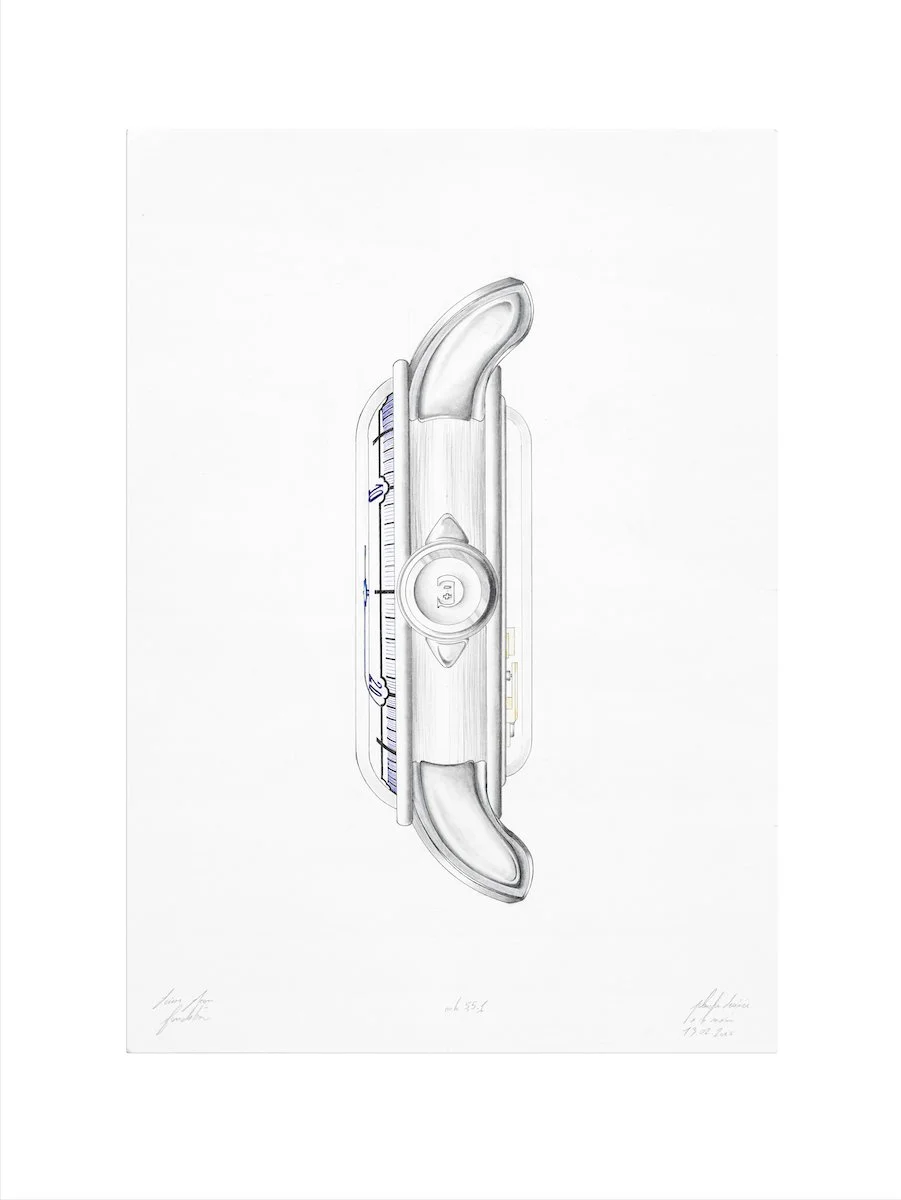
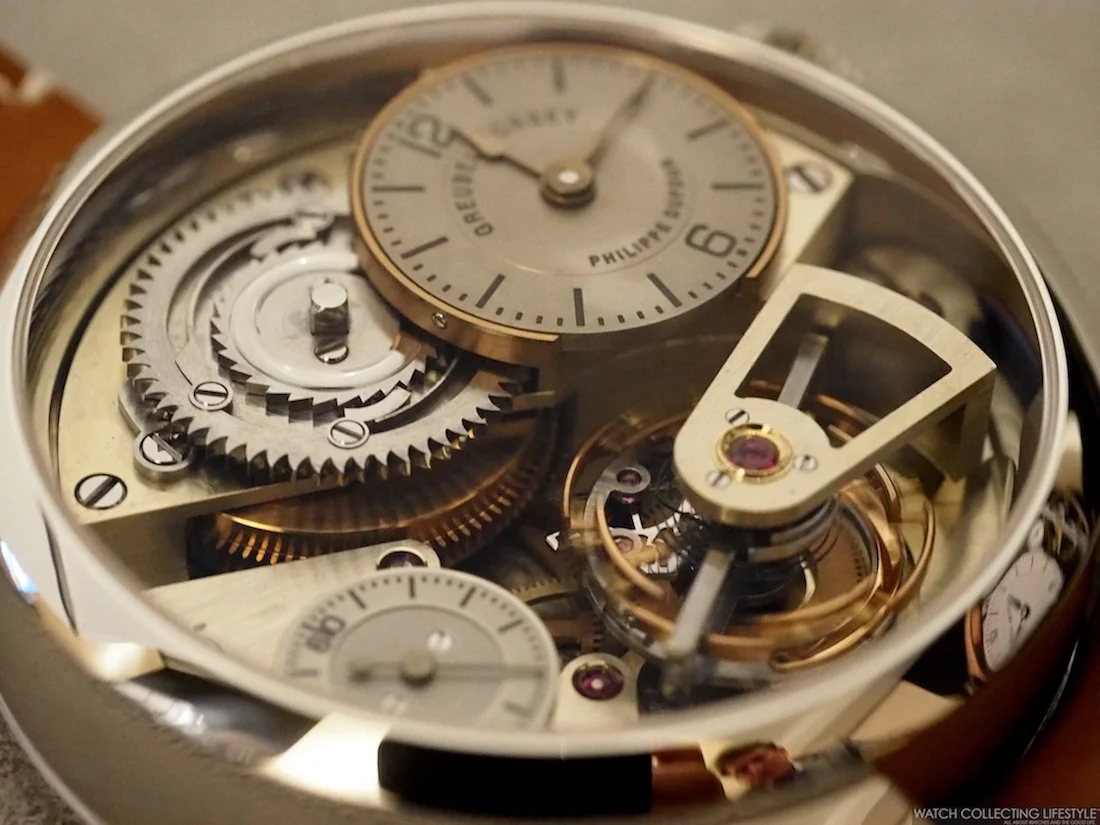
The watch case measures under 40 mm, fitted with two domed crystals offering depth and visibility across the movement from any angle. Hours and minutes are displayed off-center at twelve o’clock on a chapter ring via modernized English pear-shaped hands. A large central seconds hand references the great scientific pocket watches of English horology's golden age (1870–1920). An eccentric aperture frames the fully pivoted Carrousel cage itself, completing one rotation every 30 seconds—its clockwise and counter-clockwise interplay with the 60-second seconds hand making the mechanism as visual as it is functional.
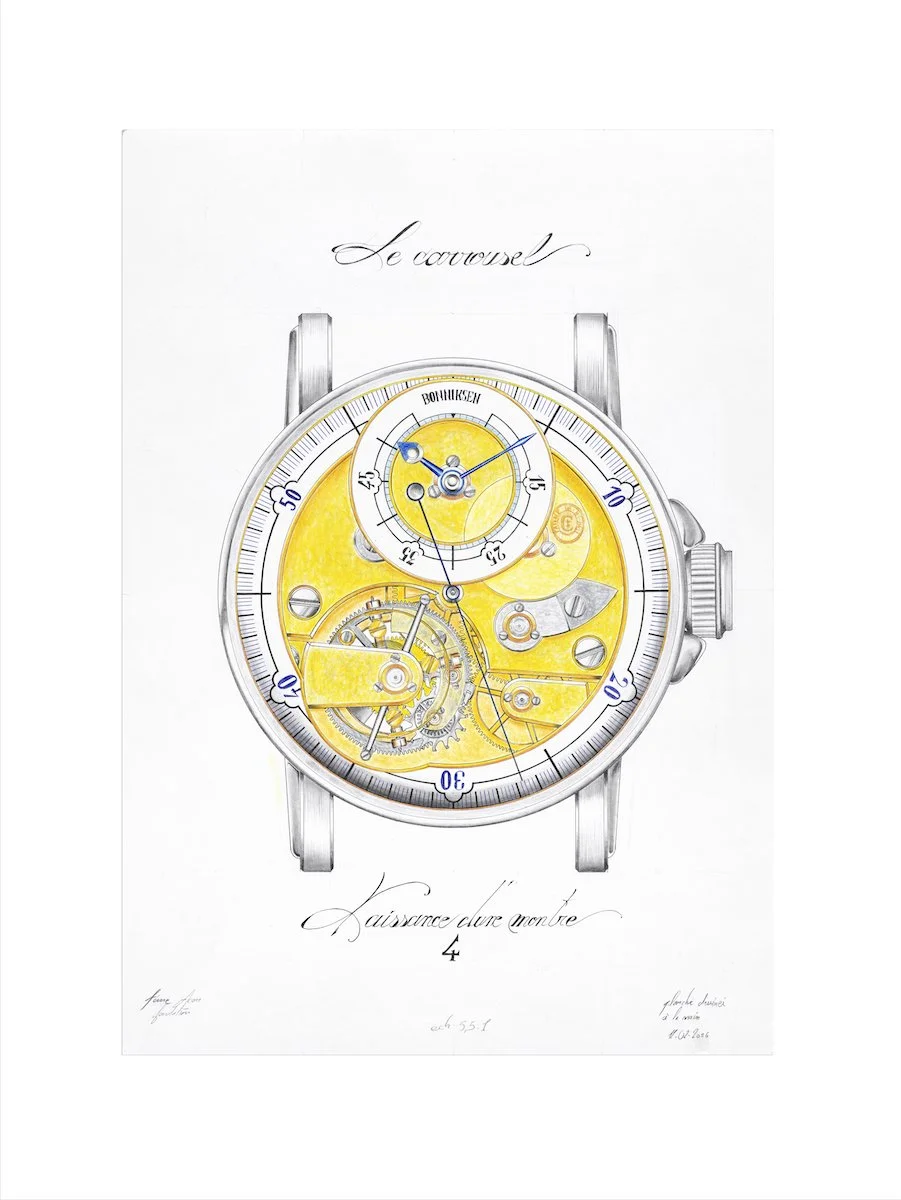
The three-hand inverted calibre rides on an atypical three-quarter plate—itself a nod to the Anglo-Swiss horological tradition the founders explicitly inhabit. Construction follows the noblest English codes: screwed chatons, a mainspring barrel boss, six-spoke wheels, a maker's mark, and black polishing throughout.
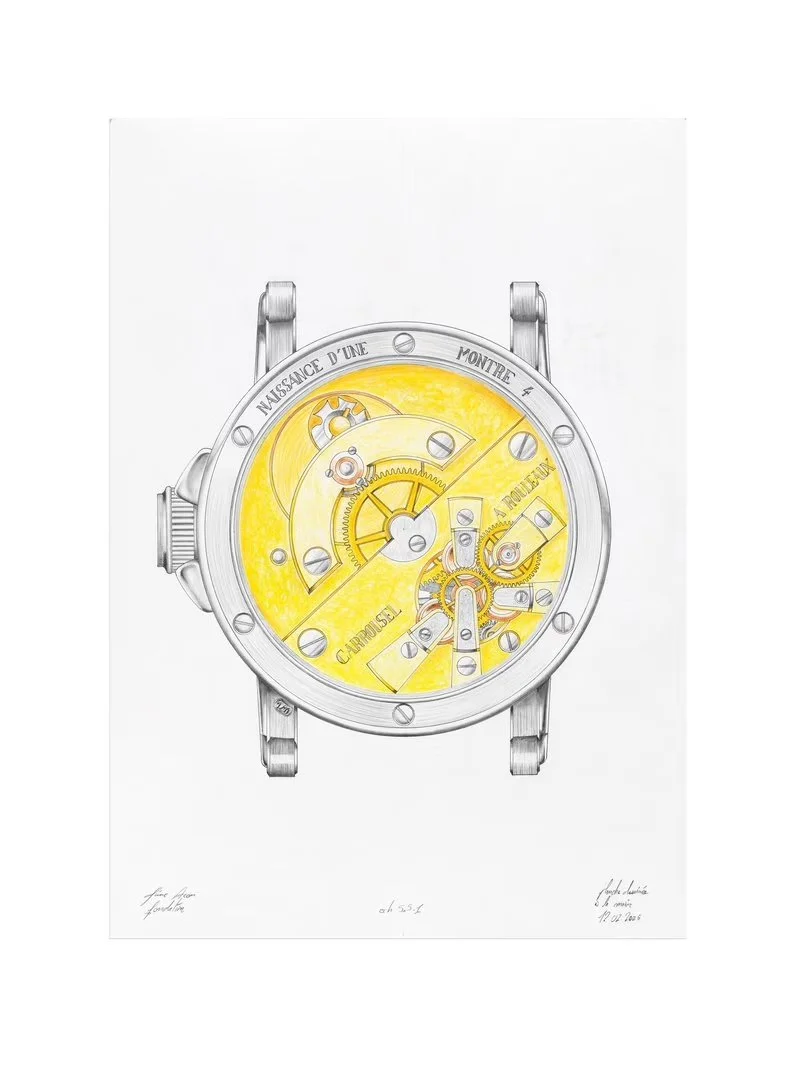
The Bonniksen Naissance d'une Montre 4 Le Carrousel represents one of the most historically significant watch announcements of 2026—not merely a new complication, but a recovered one, realized for the first time in a wristwatch by hand, at the highest level of the craft.
For more information, visit timeaeon.org.